non-US support +44 (0)161 531 8801






































Retirement Assets – Become an IRA Donor!

As an alternative method for donating to a charity, certain taxpayers may transfer funds from their IRA to an eligible charitable organization. If you, as a taxpayer, think about making this type of donation, please read the followings:
● The IRA owner must be age 70 ½ or older.
● The donor must directly transfer the money tax-free to an eligible organization.
● The maximum amount that an IRA owner may transfer annually tax-free is $100,000 to an eligible organization.
● This option, created in 2006 and extended through 2009, is available to eligible IRA owners, regardless of whether they itemize their deductions.
● Distributions from employer-sponsored retirement plans, including SIMPLE IRAs and simplified employee pension plans – commonly referred to as SEP Plans – are not eligible.
● To qualify, the funds must be contributed directly by the IRA trustee to the eligible charity.
● Amounts transferred are not taxable and no deduction is available for the amount given to the charity unless non-deductible contributions are transferred.
● Not all charities are eligible. For example, donor-advised funds and supporting organizations are not eligible recipients.
● Transferred amounts are counted in determining whether the owner has met the IRA’s required minimum distribution rules. Where individuals have made nondeductible contributions to their traditional IRAs, a special rule treats transferred amounts as coming first from taxable funds, instead of proportionately from taxable and nontaxable funds, as would be the case with regular distributions. If non-deductible contributions are transferred to an eligible organization, a charitable contribution deduction may be allowed if itemizing deductions.
● More information about qualified charitable distributions can be found in Publication 590, Individual Retirement Arrangements.
Note: According to IRS, an organization generally must give you a written statement if it receives a payment from you that is more than $75 and is partly a contribution and partly for goods or services. Keep the statement for your records.
You can access the IRS website at IRS.gov 24 hours a day, 7 days a week. Call the IRS with your tax questions at 1-800-829-1040
You can send your order for forms, instructions, and publications to the address below. You should receive a response within 10 days after your request is received.
Internal Revenue Service
1201 N. Mitsubishi Motorway
Bloomington, IL61705-6613
Romanian League in Defense of Animals, Inc (ROLDA USA) is registered as a 501(c)(3) non-profit organization. Contributions to ROLDA are tax-deductible to the extent permitted by law.
ROLDA USA tax identification number is 32-0176929
For additional help, you can contact ROLDA USA representative, Mary by
Email: [email protected], Mobile: 410-570-9505

Do you want to hear more news about our stories?
You can unsubscribe from our newsletter at any time. See Privacy Policy
Subscribe footer
Related content
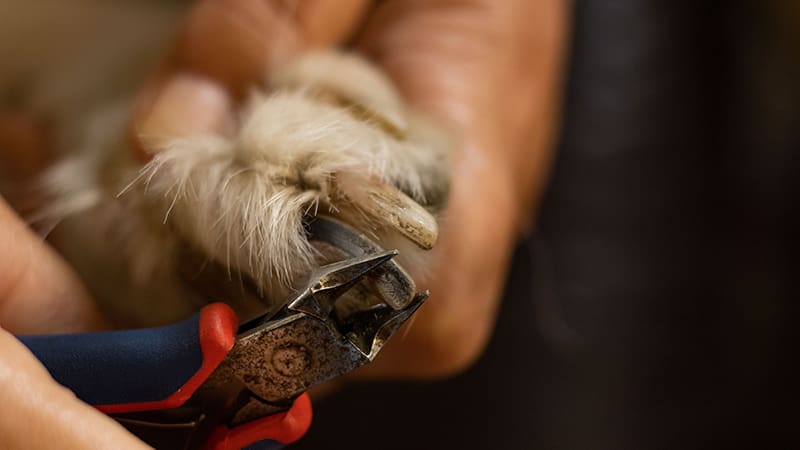
How to Trim Your Dog’s Nails Without Causing Stress or Injury
If you’ve never trimmed your dog’s nails before and you’re just starting this journey, congratulations! This is your chance to do things right from the start and avoid having a dog that gets traumatized and runs for cover every time those clippers come out. And if you’ve done your research, you’ve probably heard stories from ... Retirement Assets – Become an IRA Donor!
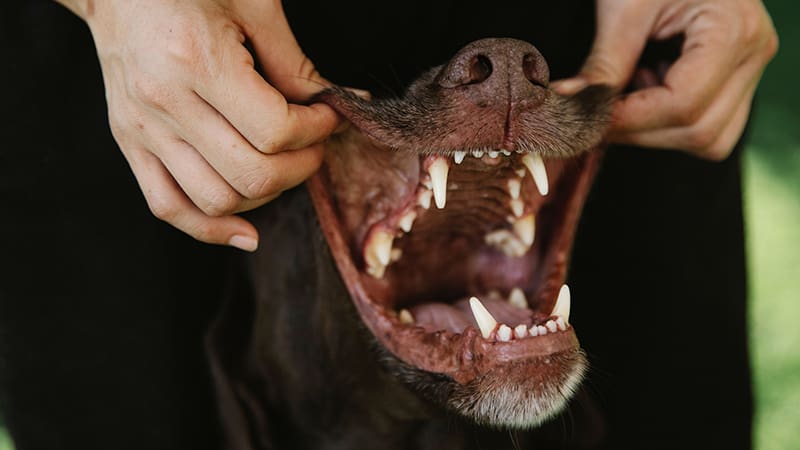
Dog Dental Care
How to Keep Your Dog’s Teeth and Gums Healthy Some new dog owners may be surprised to learn that they need to include dental care in their dog’s hygiene routine. It’s not that they are oblivious or careless, but more that they expect this to be a problem in their furry friend’s old age. Yet, ... Retirement Assets – Become an IRA Donor!
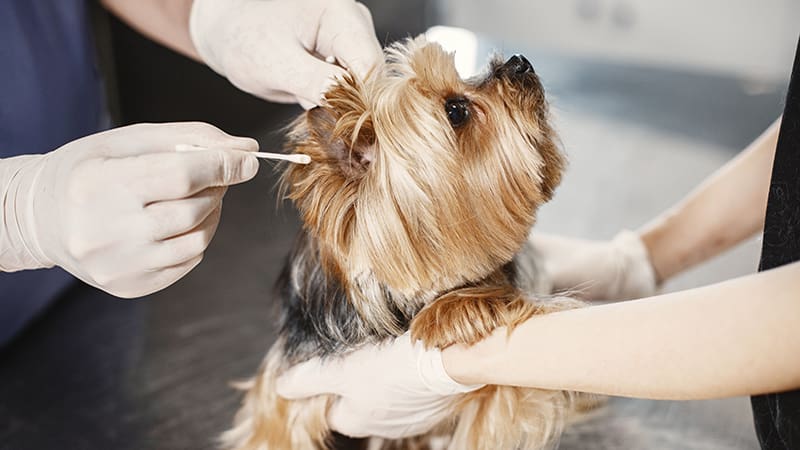
How to Clean Your Dog’s Ears Safely and Know When Something Is Wrong
Keeping your dog’s ears clean is part of the normal hygiene and grooming routine. You may need to do this occasionally to prevent buildup of wax, debris, and dirt. The frequency of these cleanings depends mainly on the dog’s breed and ear shape, as well as their routine and activity level. This means that some ... Retirement Assets – Become an IRA Donor!

Why Do Dogs Eat Grass? What Does This Common Behavior Really Mean
Is it a problem, a cry for help, a phase, or a curiosity? Every dog owner has wondered what grass-eating means. And, more importantly, whether they need to intervene or just let their dogs do it and move on. It may put your mind at ease to know this is perfectly normal behavior in healthy ... Retirement Assets – Become an IRA Donor!

How Often Should You Bathe Your Dog? A Practical Guide for Every Coat Type
Bath time! Probably one of the more stress-inducing moments for households with pets. Maybe it’s because some dogs feel more comfortable in an icy-cold, dirty puddle than in warm bath water in the safety of their own home, or because their pet parents bathe them too often. Don’t feel bad if you haven’t figured it ... Retirement Assets – Become an IRA Donor!