non-US support +44 (0)161 531 8801























BOOM.
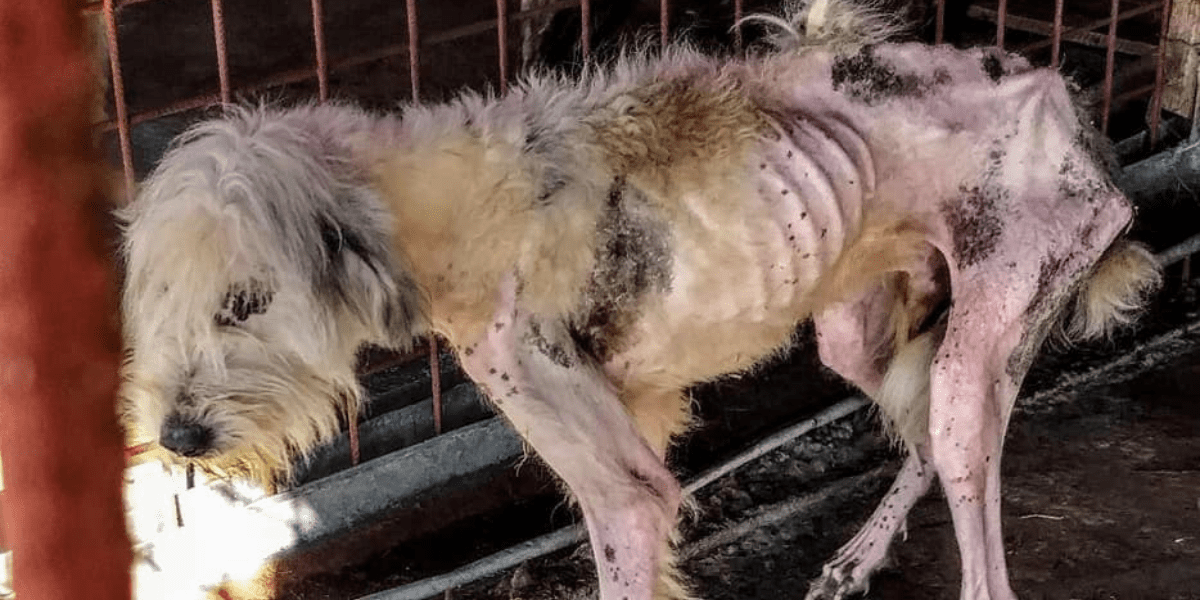
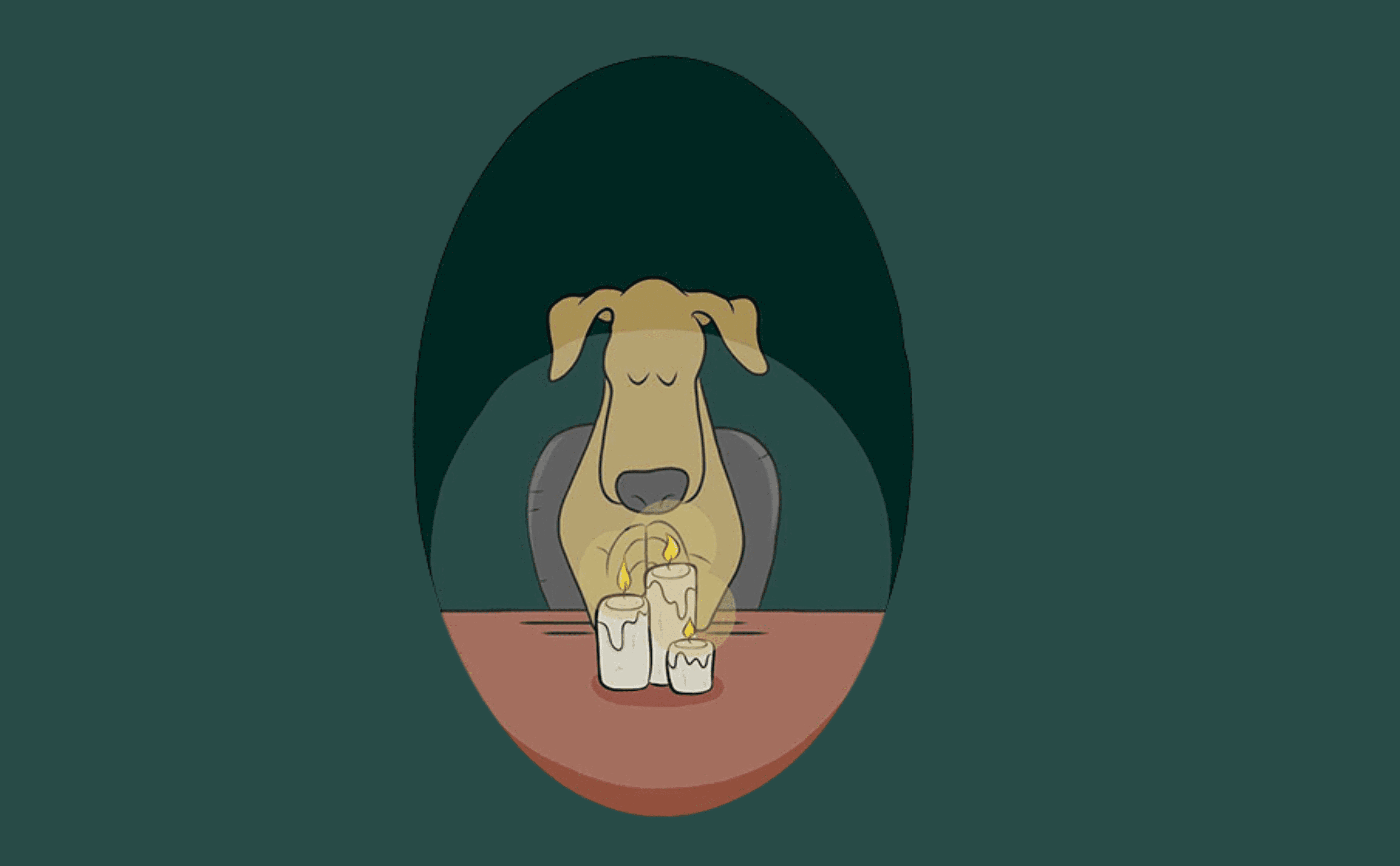
A terrified dog huddles in the shadows, watching and hearing Russian missiles explode around him.
BOOM.
Our terrified dog hears people shouting and screaming as flames fill his surroundings and dark shadows flee for safety all around.
BOOM.
Our terrified dog turns to run as the foundation of his home, just meters away, is blown apart in one deafening explosion.
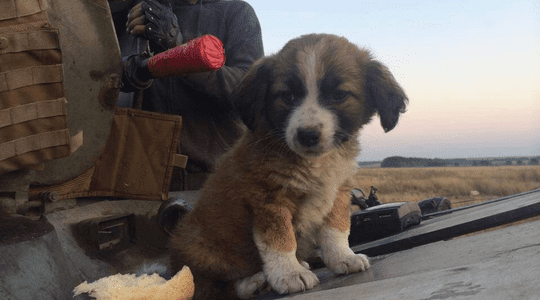
Our dog, now named Bridge, runs and runs. Full of fear and adrenalin, he is too scared to stop. He does not look behind him or think about the sharp and broken objects under his paws. He runs towards darkness, away from the fire-filled sky and the sound of explosions.
Bridge runs until his legs are stiff and buckling, and his mouth is dry from dehydration. He collapses on the ground. Bridge can still see the air attacks faintly in the distance, and he falls asleep to the disturbing but fainter sound of explosions and screaming.
When Bridge wakes, the sun is high in the sky, and the world around is eerily still. He looks around in horror to see that the safety he sought last night in the dark is a small, muddy island now surrounded entirely by water.
Bridge attempts to stand, but as he rises, his head spins, and his shaky legs give out, forcing him back onto the muddy floor below. His barks for help come out as strained, quiet whispers. He remains like this for several more sleeps, not knowing what to do. If it’s hours or days or weeks, he cannot tell. He feels his body slowly deteriorating, the energy he once felt always pumping through his veins is only a memory.
As Bridge lies covered by mud, leaves and sticks, he feels two hands slide under him. To his surprise, he is lifted into someone’s arms and hears some softly spoken tones. He is carried safely across the water.

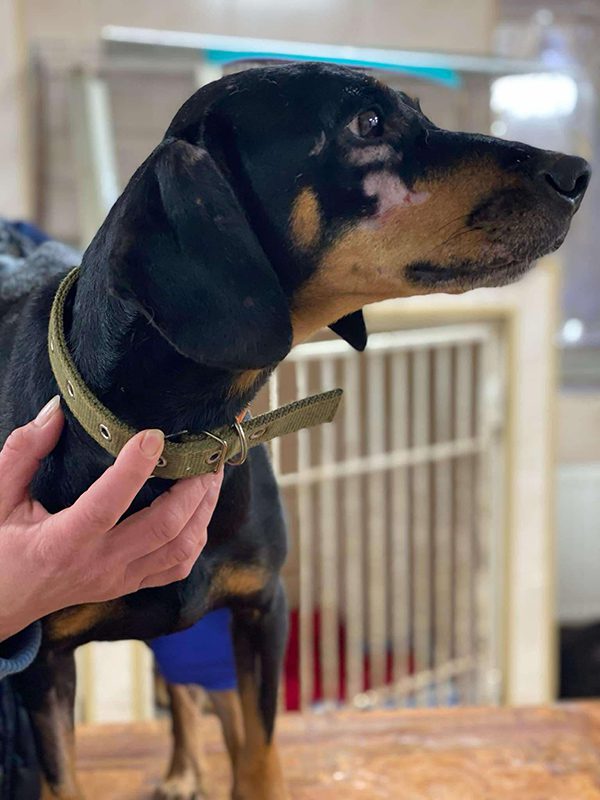
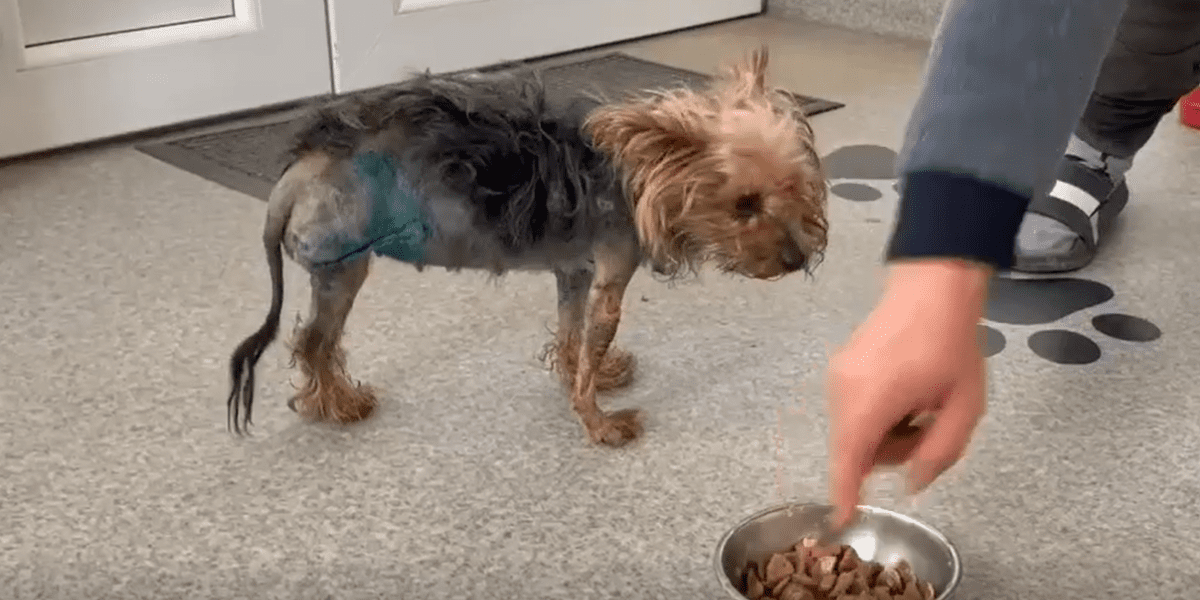
Bridge wakes again to a bright room. A veterinary nurse puts him immediately on an IV treatment. Hours later, he is taken into surgery for a severe fracture of his leg.
After, Bridge is put back on the IV treatment. As the week passes, he feels life warmly returning to his broken body. His leg still aches even after surgery, but slowly, he can feel it becoming strong once again.
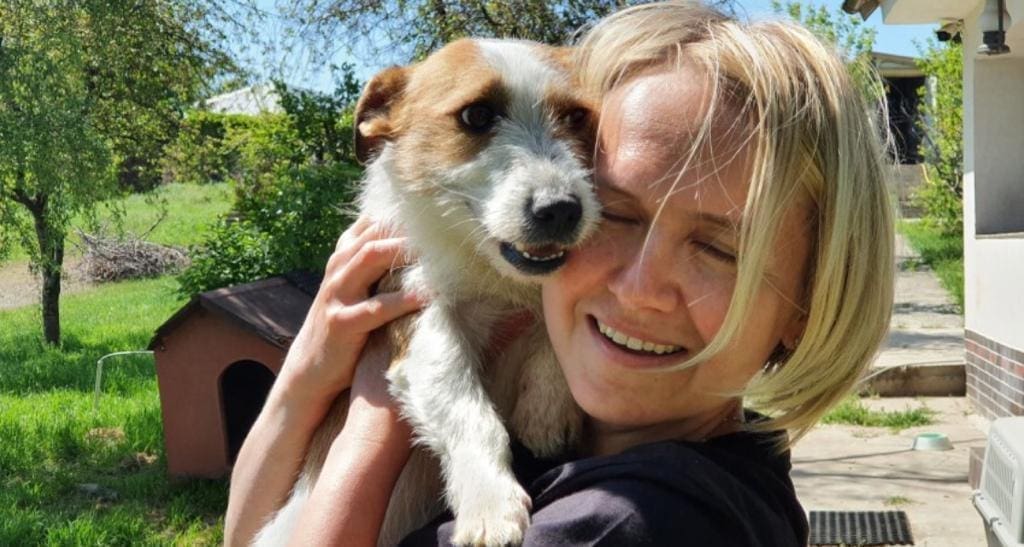
After weeks of dedicated attention from rescue shelter volunteers, Bridge is well on the road to recovery. He gains weight and builds energy with every day that passes.
Animals in Ukraine flee every day from the constant, devastating attacks on their homes. Many are injured or even killed in their hunt for safety. Bridge was only rescued because of heroes like you, who are part of the ROLDA Rescue Team. Thank you for making this magic happen for Bridge and others.
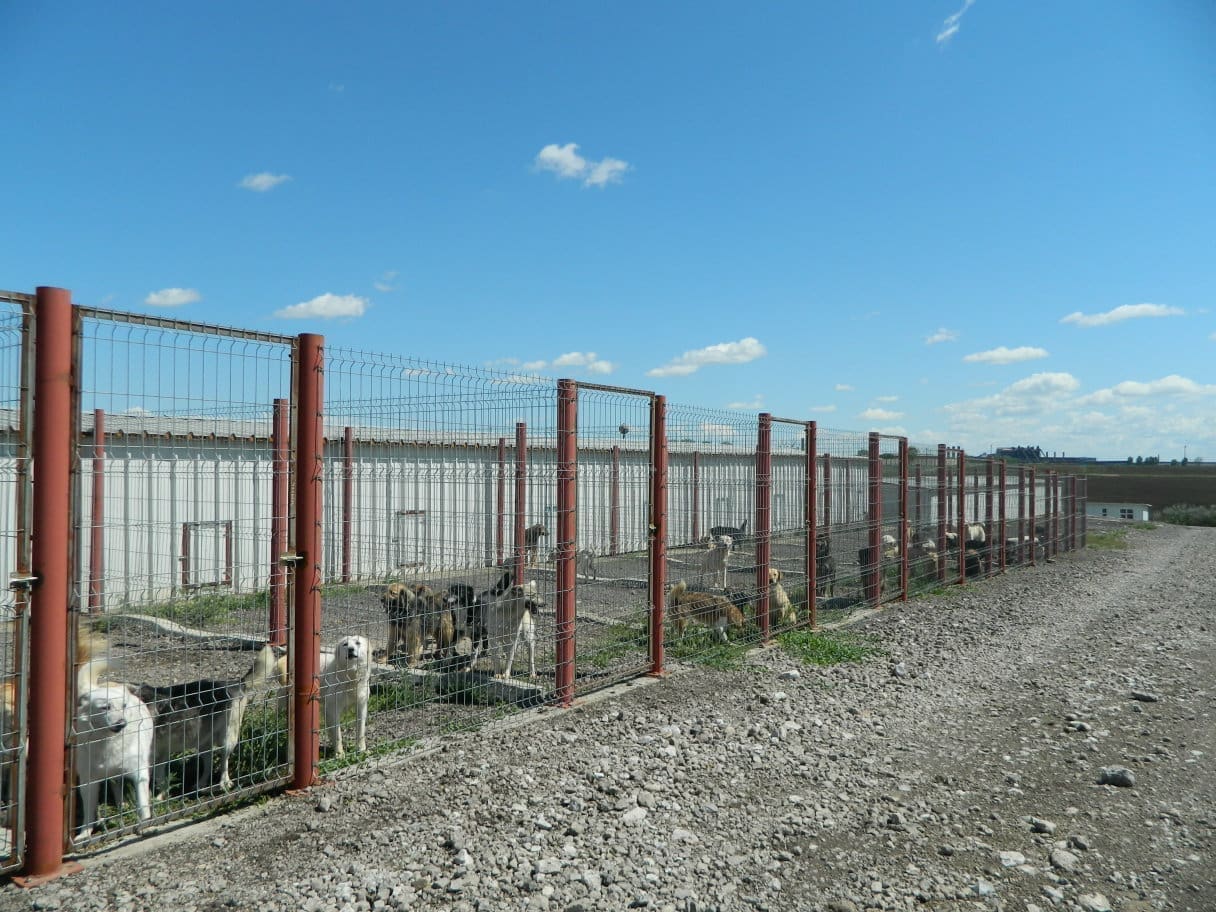
Thousands of stray cats live on the streets of Romania. No love or joy for them. Survival is all they can afford to think about. Street dogs chase them for the tiniest scrap of food found in the gutter. Toxic, bacteria-filled environments and harsh weather conditions cause disease and sickness to threaten their fragile bodies.
Cecilia, one little white kitten, was homeless at just a few months old. She was fighting for her life on the streets of Tulcea, Romania. Fate had not been kind to Cecilia; sadly, her challenges were only beginning.
Disease and infections are almost impossible for stray cats to avoid due to their already weakened immune systems. Toxoplasmosis, rabies, ringworm and intestinal parasites are some of the most common and lethal diseases that stray cats contract. For Cecilia, it was a herpes virus infection that got her first. The infection burrowed mercilessly until her eyes were completely destroyed.
So, at just six months old, Cecilia wandered the streets with no eyes. She was highly disorientated and incredibly fearful. Left like this, it was likely only a matter of time before death would find her, perhaps under the wheels of a speeding car.


But no. One day, a ROLDA Rescue Team volunteer spotted Cecilia and immediately knew she needed help. After a whole week of gentle coaxing and offering food, the volunteer finally got close to terrified, timid Cecilia. She was then taken to a ROLDA-supported shelter – The Great Catsby.
Cecilia’s weak body was covered with fleas and ticks. She also fought against ringworm and intestinal parasites. Her immune system was dangerously deficient, making her more susceptible to infections. This also meant it was tough for her fragile body to fight off attacks on its own.
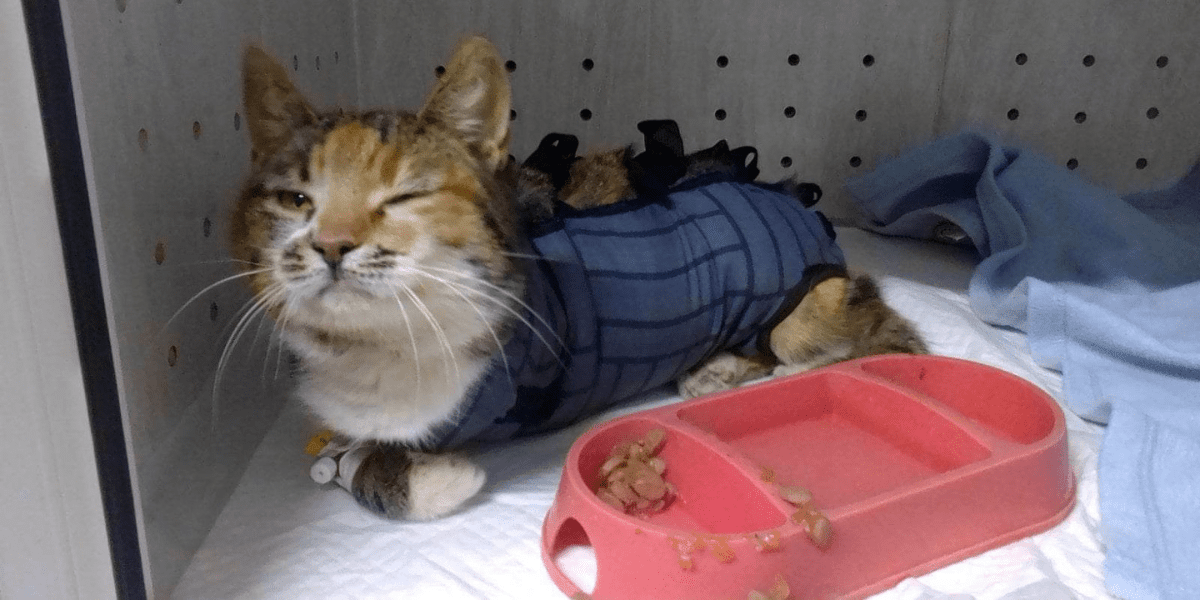
There was one final test conducted that revealed an even bigger surprise; not only was Cecilia completely blind, but she was also completely deaf. It is a miracle that this baby kitten had already made it six months living blind, deaf and alone on the streets. What a special, brave girl she must be.
Cecilia is now receiving immune supplements to boost her health and prepare her for surgery. The operation is going to help prevent the constant infections Cecilia fights by cleaning and removing the dead tissue of what is left of her eyes.
Despite Cecilia’s terrible luck, she is one of the sweetest, friendliest, and most loving beings. Where others might retreat into fear, Cecilia chooses to embrace the care offered to her. Cecilia’s resilience and recovery is an inspiration.
Families, especially those with children, can find immense satisfaction and happiness by deciding to adopt a dog from a shelter. By bringing home a shelter dog, families not only provide a loving home but also give children a special chance to learn compassion, responsibility, and more. Families with children can experience many benefits by adopting a shelter dog.
Building Compassion and Empathy
Bringing a shelter dog into a home can create a valuable lesson for children in the importance of showing kindness and empathy. Families can foster a sense of compassion and empathy in children by opening their homes to pets that have experienced hardship or abandonment. By providing a home, children gain a deeper understanding of the needs and well-being of both humans and animals.
Learning Responsibility Together
From ensuring their meals are prepared to taking them on daily walks, caring for a dog involves a range of responsibilities. By actively taking part in these tasks, children develop an appreciation for the dedication and attentiveness necessary to care for a living being. It’s a powerful way to teach children that their actions have a direct impact on the well-being and joy of their beloved pet.
Encouraging Physical Activity
Play and exercise come naturally to dogs, as they instinctively seek opportunities to be active and have fun. With their surplus of energy, shelter dogs can inspire the whole family to engage in outdoor walks, trips to the park, and playful moments in the garden. Children will have fewer screen hours and a more solid groundwork for leading an active and healthy life.
Providing Emotional Support
Through life’s difficulties, dogs stand by children, offering unwavering support and solace in times of need. In times of bullying, school pressures, or other difficulties, a dog can be a reliable and soothing companion for children. Animals offer children a safe space to openly express their emotions and find solace, thanks to their non-judgmental companionship.
Developing Social Skills
Playing with a dog can enhance children’s ability to recognise and respond to social cues. Understanding a dog’s body language helps children develop a heightened awareness of non-verbal cues, which can enhance their ability to communicate with others. In addition, dogs are excellent at making introductions easier and reducing feelings of social unease.
Boosting Immune Health
Studies suggest that children who grow up with dogs have a lower likelihood of developing allergies and asthma. Introducing children to pet dander and the various outdoor microbes that dogs track into the house at an early age can bolster their immune systems, resulting in a healthier start.
Making a Difference and Saving a Life
Families that adopt from shelters not only give dogs a second chance but also contribute to reducing overcrowding, enabling more animals to receive help. Engaging in acts of kindness can elicit a strong sense of pride and accomplishment in children, as they realise, they are actively contributing to making the world a better place.
Finding the Right Fit
While shelter dogs can bring immense joy, it’s important to take the time to evaluate which dog would be the most suitable fit for your family. Shelter staff are available to support families in finding a dog that aligns with their preferred size, energy level, and temperament, ensuring a seamless transition and a happy, lifelong relationship.
By adopting a dog from ROLDA, families with children can learn important lessons in empathy and experience a substantial improvement in their overall well-being and happiness. By choosing adoption, families not only enrich their own lives but also make a positive impact on the life of a deserving pet, creating a legacy of compassion that will inspire future generations.
When we imagine happy dogs at play, we often picture them outdoors feeling the softness of the grass beneath their paws, their noses twitching as they take in the scent of every flower. It’s a heartwarming sight, observing them in their blissful state—until their attention turns to devouring a plant or exhibiting an excessive fascination with a patch of greenery. Any dog owner would worry about this, fearing for the safety and well-being of their furry friend.
Dogs may have a habit of nibbling on grass, but it’s important to be cautious, as not all plants are safe for them. Be cautious of common plants as they can pose serious health risks to your dog. Depending on the plant, the quantity consumed, and your dog’s size, the specific toxic elements can differ, resulting in varying symptoms. While some plants may only result in minor digestive issues, others can be so dangerous that they cause urgent medical intervention.
Being aware of the hazardous plants, their habitats, and the symptoms they may trigger is essential for ensuring your dog’s survival. If ingestion occurs, acting quickly is crucial. Keep your vet’s contact details easily accessible and be ready to provide detailed information about the substance and the quantity consumed. Here’s a guide to plants that dog owners should know to ensure their pets’ safety.
Here are some types of toxic plants for dogs and where you can find them.
To simplify things, we’ve compiled a list of plants that dogs should steer clear of, along with their typical locations. This includes a variety of plants, such as potted plants commonly found indoors or in office buildings, garden plants, and those you might come across during outdoor adventures. The notes accompanying each plant provide valuable insights into its toxicity level and the range of symptoms it can trigger.
Here are some indoor and potted plants to avoid if you have pets or small children.
Be aware that many popular houseplants can be harmful to pets. These toxic plants, which might be found indoors, emit a faint, lingering scent.
• Aloe Vera (Aloe barbadensis) emits a mildly unpleasant odour when handled.
• When handling the Asparagus Fern (Asparagus setaceus), you may notice its delicate, feathery leaves brushing against your fingertips.
• The Bird of Paradise (Strelitzia Nicolai) is toxic. If symptoms appear, it is important to seek veterinary care promptly.
• Chinese Evergreen (Aglaonema modestrum) – Be aware of its highly toxic properties.
• The Dieffenbachia, commonly called Dumb Cane (Dieffenbachia spp.), is a tropical plant that adds a touch of lush greenery to any space.
• People consider the Sago Plant (Cycas revolutas) highly poisonous. Symptoms of the condition may manifest as vomiting, extreme fatigue, seizures, and eventual liver failure. If consumed, it is crucial to contact your vet without delay.
Garden Plants That Could Be Harmful to Your Dog
Some plants in the garden go beyond being tempting for your dog—they can actually be hazardous. Here’s a list of common garden plants to be aware of:
• Chamomile
• Chives
• Garlic
• Onions
• Rhubarb
• Tomato Plants
Ingesting these plants can cause digestive symptoms like vomiting and diarrhoea. However, in more severe instances, they can pose a greater risk to one’s overall health.
Flower Garden Plants That Can Be Harmful
The sight of beautiful flowers can be an irresistible temptation for curious pets, but it also poses a potential danger. To prevent any potential danger, it’s best to avoid planting the following flowers where your dog has access since they attract curious pets with their bright colours and sweet scents, which can be an irresistible temptation.
• Amaryllis
• Autumn Crocus (Highly Dangerous!)
• Cyclamen (Highly Dangerous!)
• Daffodil
• Foxglove
• Lily of the Valley (Highly Dangerous!)
Even the tiniest quantities can cause digestive discomfort, seizures, or, in severe instances, severe health issues.
Acting as a Responsible Pet Owner
Because of the unique vegetation found in each region and garden, it is not always possible to provide a comprehensive list of toxic plants. To ensure the safety of your dog, it is crucial for owners to conduct thorough research on the plants that are prevalent in their region. They should consistently inspect the plants that encircle their residence and garden. In addition, when travelling with their dog, owners should be cautious and mindful of any potential encounters.
With some added awareness and preparation, you can create a safe environment for your dog to explore and embark on worry-free adventures.
While owning a dog brings immense joy and love, it’s crucial to recognise the responsibility that comes with ensuring their health and well-being. As much as we hate to imagine it, our furry companions are susceptible to health problems and accidents as they age, just like humans. Taking the steps of providing proper care, practicing good hygiene, and closely monitoring changes in your dog’s behaviour can go a long way in preventing or managing various common health issues.
Here are some of the most common health issues in dogs and what you can do to address them:
Parasites
Keeping their dogs free from fleas and ticks is a constant worry for many pet owners. With their ability to spread rapidly, fleas can cause intense itching and discomfort, particularly in dogs with more sensitive skin. However, it is important to be cautious of ticks since they have the potential to transmit diseases. By doing regular checks after walks and administering preventive treatments from your vet, you can effectively keep them at bay. If you discover a tick, there’s no need to panic—simply reach out to your vet for guidance.
Indigestion
Vomiting or diarrhoea are common indicators of indigestion, frequently triggered by your dog consuming inappropriate items. Pay close attention to both the frequency of episodes and any other unexpected symptoms. If they cannot keep any fluids, particularly water, it is important to consult your vet to ensure they do not become dehydrated. Avoiding human food and being mindful of what your dog eats can help prevent any potential issues in the future.
Allergies and Skin Problems
Watch out for any bumps, redness, or bald spots that may appear on your dog, as these could be signs of an allergic reaction. The key is to determine the cause, whether it’s related to their diet or something they encountered along the way. If the allergies persist even after removing the irritant, your vet can provide the help
Ear Infections
Ear infections are a common concern for dogs with long ears, as dirt and moisture buildup and can cause problems. Some indicators that a pet may experience discomfort are head shaking, frequent ear scratching, or an unpleasant odour. During your visit to the vet, they will conduct a thorough examination to check for infections and determine the best course of action, which may involve prescribing ear drops.
Heartworms
These dangerous parasites known as heartworms can infest a dog’s heart and lungs, posing a serious threat. To make sure you catch any potential issues early on, it is important to have your vet regularly check your dog’s blood and stool through annual tests, as these problems can be challenging to detect otherwise. The key to preventing serious complications in your dog lies in acting as soon as the first symptoms appear.
Obesity
Lack of exercise and excessive food consumption are typically to blame for obesity in dogs. Ensuring a healthy diet and regular physical activity is essential for dog owners to promote their pet’s overall health and happiness. To maintain your dog’s health, it is essential to control their weight, as obesity can contribute to joint problems and other health issues.
Arthritis
Larger breeds and overweight dogs are susceptible to experiencing significant pain because of arthritis. If you notice your dog struggling to move or favouring certain limbs, it’s crucial to seek advice from your vet to address any potential health concerns. Providing your dog with an early diagnosis and treatment can increase their comfort and overall happiness.
By staying attentive to your dog’s health and working closely with your vet, you can help prevent and manage many of these common issues, guaranteeing your furry friend’s well-being.
The anticipation of bringing home a new dog creates a palpable sense of excitement. You’re likely picturing all the delightful moments in store, such as your pup relaxing on the comfortable couch or joyfully exploring the vibrant yard. It is essential to make your home safe and comfortable for your new pet.
Prior to the arrival of your new furry friend, ensure the safety and security of your home with these simple steps to make it dog-proof.
1. Getting the house ready for your new puppy involves a few important steps.
To ensure the safety of puppies, it’s crucial to remove any hazardous objects from their reach, considering their tendency to explore with their mouths. Don’t forget to ensure that either properly managed electrical cords tucking them away or securing them. Take precautions by relocating cleaning supplies, personal products, and sharp objects to higher shelves that are inaccessible to your dog.
2. Take caution and secure fragile items in a safe place.
Remove any delicate, breakable, or small objects from the low tables or shelves to ensure safety. As your puppy begins to mature and become more relaxed, you can gradually reintroduce these items.
3. Ensure that snacks and medicine are kept in a place where they cannot be accessed easily.
It is vital to avoid feeding dogs’ human food, especially snacks and sweets, as it can have negative effects on their well-being. Store food and medications securely in cabinets or drawers, ensuring they are tightly sealed and kept away from any potential exposure.
4. Secure Trash Cans and Toilets
Safeguard your trash cans from dogs by firmly fastening them or keeping them out of their reach, as dogs have an instinct to explore them. If needed, child-proof locks can be added to cabinets and toilet lids to ensure safety and avoid accidents.
5. Check Your Plants
Certain plants can be dangerous for dogs because of their toxicity. Taking precautions for the well-being of your pets, it is recommended to either move your houseplants or verify if they pose any risks.
6. Create ‘Off-Limit’ Areas
Certain rooms, such as a home office or a room with valuables, can be kept off-limits to your puppy to ensure their safety. Just be prepared for the constant sound of whimpering if your pup wants to tag along!
7. Get a Crate or Pen
When you cannot monitor your puppy, a crate or playpen can furnish them with a secure and cosy environment. It helps them feel secure and keeps them safe while you step away for short periods, like a protective shield.
8. Protect Stairs and Heaters
Take precautions to prevent accidents by using baby gates to block stairs and ensuring that heaters or fireplaces are safely out of reach.
Outdoor Proofing
To ensure safety, it’s recommended to fence off or cover your pool if you have one. By keeping your yard well-maintained and free of clutter, you can easily identify any hazards. Also, remember to be vigilant about ticks or other pests that may be present in the grass.
Bringing Your Puppy Home
Remember to bring a small towel or blanket when you pick up your puppy, so they have something familiar and comforting. Achieve the familiar scent by rubbing the towel or blanket on the mother and siblings. This will help your puppy feel secure and at ease during the journey home and in their new surroundings.
The Car Ride
On the drive home, ensure that you keep your puppy in your arms in the car, wrapping them in a familiar-scented cloth to help them feel secure. Leaving your puppy alone in the backseat during its initial car ride may cause anxiety or distress, so it is not recommended. Whether it’s excitement or nerves, having wipes readily available can save the day.
Implementing these straightforward measures will not only ensure the safety of your new puppy but also establish a warm atmosphere, setting the groundwork for a harmonious life together!
Dogs, much like humans, can feel bored with the repetitive daily routine. While routines are important for keeping things organised, it’s worth considering how this influences your dog’s sense of stability and predictability. A predictable environment is beneficial for dogs, but an excess of monotony can induce boredom and a sense of restlessness.
Dogs, being highly sociable and incredibly smart, truly stand out as remarkable animals. They are widely known and admired for their impressive ability to solve problems and their remarkable intelligence. To ensure their happiness and good health, they must attempt to keep their minds stimulated and engaged. Dogs can experience a notable decrease in age-related problems, including canine dementia, by engaging in mental stimulation activities.
Why Mental Stimulation is Especially Important for Some Breeds
While all dogs benefit from mental stimulation, it is of utmost importance for working or hunting breeds. Each of these dogs has a specific purpose for which breeders selectively bred them, such as herding livestock, aiding humans in various tasks, or pursuing prey in the wild. Dogs from these breeds are not suited for lounging around the house all day, as they require mental stimulation to thrive.
Keep in mind your dog’s instincts, regardless of the breed you chose. Ignoring natural behaviours can cause behavioural problems.
Dog boredom signs
Dogs may display destructive behaviour when they are bored and lack mental stimulation. Boredom is often showed by:
• Your dog’s excessive barking could be because of a lack of mental engagement.
• Digging stimulates dogs both physically and mentally.
• Problematic chewing occurs when your dog targets furniture or shoes.
• Bored dogs may scratch, dig, or destroy things.
• Restlessness may occur in active breeds because of lack of activity.
• Tail chasing and excessive licking are signs of boredom in dogs.
• A bored dog may seek new experiences by trying to escape.
• Your dog may steal items in front of you to provoke a chase or gain attention.
• Panting or whining often signal frustration and a desire for interaction.
• Extreme excitement upon your arrival suggests boredom in your dog.
• Dogs jump on people for attention when bored.
You can mentally stimulate your dog in different ways.
With toys
For those new to dog ownership, the temptation to buy toys on a whim can be hard to resist. However, knowledgeable owners recognise the necessity of choosing the right toys that will engage and entertain their dog. Find toys that encourage mental stimulation for your dog, such as puzzles or interactive games.
• Puzzle Toys: Toys with hidden compartments for treats are great for keeping your dog’s mind engaged. These toys encourage your dog to use problem-solving skills as they paw, flip, or nudge the toy to find the reward. Be sure the puzzle isn’t too difficult, as this can lead to frustration.
• Designed with curious dogs in mind, the activity boards offer a fun and interactive experience. Treat-filled surprises await your dog as they navigate activity boards, opening, closing, and pressing buttons. By participating in these activities, your dog can experience the same level of satisfaction as exploring objects in the house, but in a way that is both safe and productive. Remember to consider the various lights and sounds—they may fascinate some dogs, but others may be uncomfortable.
• Designed to stimulate your dog’s sense of smell, Snuffle Mats feature a soft and textured surface that conceals delicious treats. These toys engage your dog’s natural inclination to scavenge, satisfying it and resulting in prolonged amusement. Ensure that you supervise your dog carefully when using these mats and opt for high-quality ones to ensure safety.
• Dogs find endless joy in chasing or pawing at Wobble Balls, the self-moving balls designed to keep them entertained. They often enhance the interactive experience by including treat compartments.
• Tug toys are a beloved choice for interactive play, where you can actively take part in your pet’s happiness and well-being. While you have the option to use improvised items like sticks or bottles, toys designed specifically for tugging provide a safer and more enduring experience. They offer a wonderful chance to create a deeper connection with your dog while enjoying their company.
With no toys in sight, the children found joy in simple activities, like chasing butterflies and climbing trees. While toys can be fun, the warmth and connection that come from your presence and undivided attention is truly irreplaceable. For dogs to feel complete, they require the constant connection and interaction with their human companions.
Taking part in activities such as hide-and-seek, fetch, or simply running around together can deliver a fantastic mental and physical exercise. Don’t let fatigue stop you from giving your dog the attention they deserve. Give them the opportunity to join you on your daily chores, experiencing the bustling streets and vibrant markets firsthand. If your dog becomes intrigued by a fresh aroma, encourage them to explore—it offers a mental challenge that is as significant as physical exertion.
By setting aside time for play and mental activities, you’ll be supporting your dog’s well-being and cognitive abilities, keeping them happy, healthy, and mentally sharp. Remember your dog views you as the centre of their universe, so providing them with a little extra attention can enrich their daily experiences.
a lasting and blissful companionship.
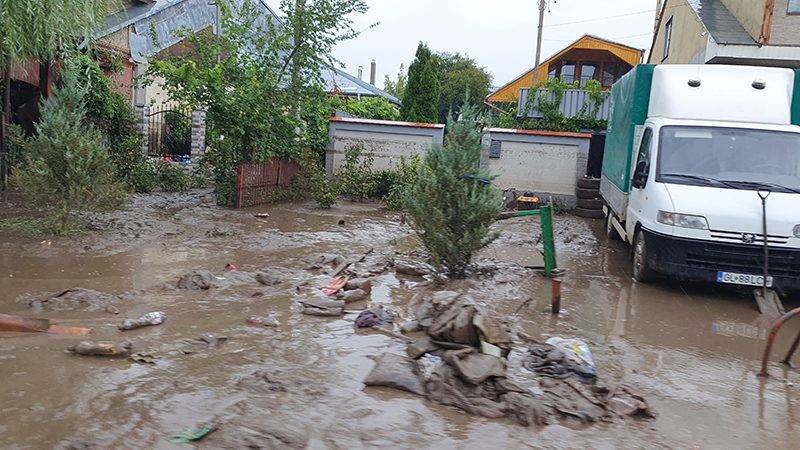
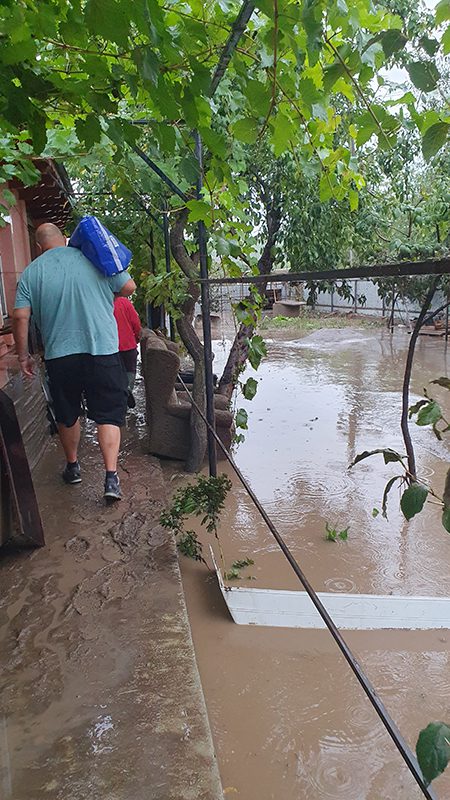
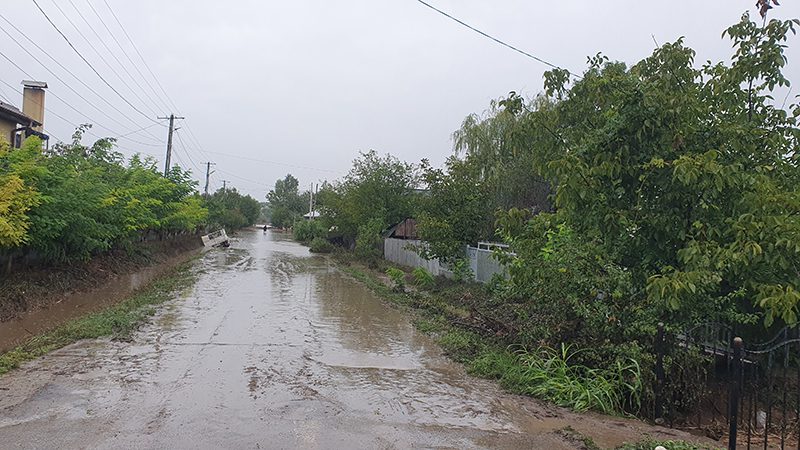
As the floods struck Galați County in the dead of night, terrified residents scrambled to find safety, seeking refuge in attics or scrambling to higher ground in a desperate bid for survival. Tragically, the floods claimed seven lives and reduced countless homes to rubble, leaving the affected with nothing in a mere moment. International news outlets extensively covered the tragedy, and the heart-wrenching images vividly depicted the immense destruction.
Flooding has always been a recurring issue in this region. In the previous year, the ROLDA team, accompanied by our friends Lolita and Michele from Switzerland, provided canned food, blankets, and supplies for animals to this exact location. However, this time, the water levels had risen significantly, surpassing two meters in certain areas.
The floods swept away countless farm animals—pigs, goats, cows, chickens—leaving the villagers devastated and with little means to recover. Despite the promise of protective infrastructure, they now find themselves surrounded by dilapidated ruins and muddy terrain, desperately awaiting essential help. Heart-wrenching stories have emerged, such as the one about a woman who valiantly held her 89-year-old mother above the floodwaters for seven agonizing hours until her unfortunate demise.
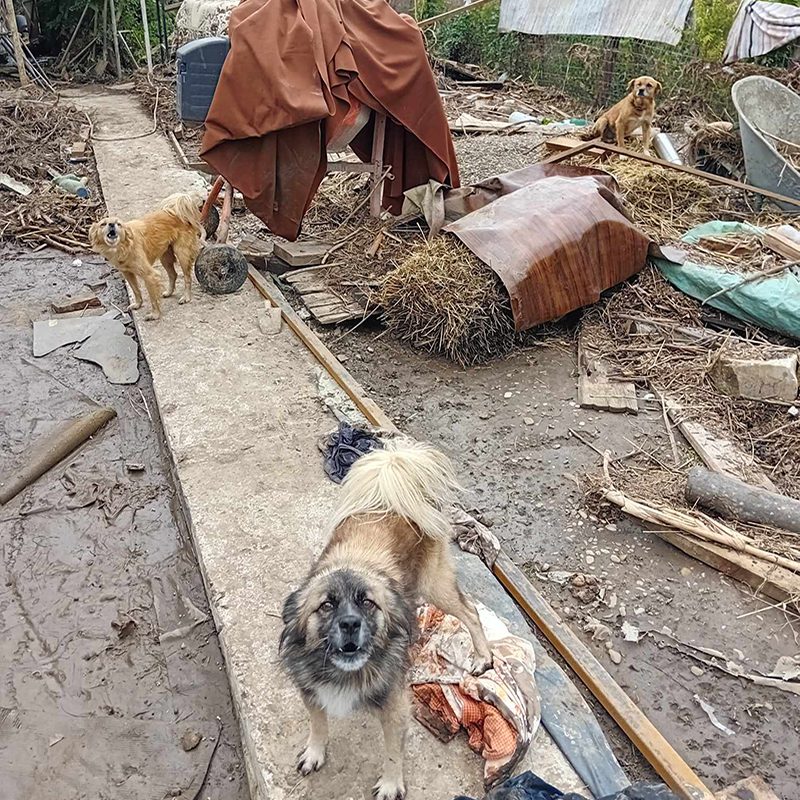
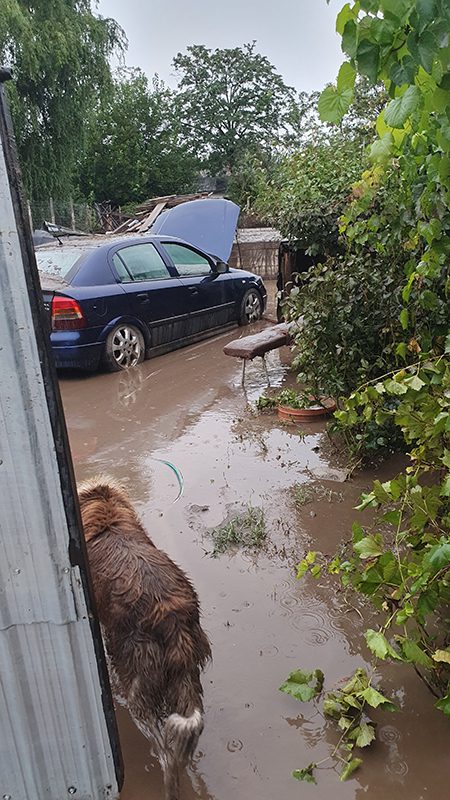
ROLDA acted swiftly, staying true to our mission of supporting both the community and the animals they nurture. Witnessing the destruction firsthand, we saw people in tears, their homes reduced to piles of trash—furniture, electronics, cars, even house walls—covered in mud and debris. Scattered around were lifeless animals, their presence a grim reminder of the harshness of the scene. In addition, the rain persisted, adding to the overall melancholy.

Journal:
Among the flood-hit villages, Slobozia Conachi was difficult to witness. The night before, the piercing sound of sirens echoed through the air as severe weather alerts blared, signalling imminent danger. In the light of day, the village lay in ruins, a somber reminder of its former glory. The floods had wreaked havoc, claiming the lives of both humans and animals, including a disabled person. As shocked residents tirelessly cleared water and mud from their homes, I couldn’t bring myself to capture too many photos. Among them were elderly people, their frail hands empty and trembling, a poignant symbol of all they had lost.Once the situation stabilises, my plan is to locate the humanitarian camp and provide nourishment for both the hungry people and the desperate animals. Their focus right now is survival, and they may not be open to accepting help from their animals just yet. Getting to the village was a challenge, not only because of the blocked roads but also because officials from Bucharest had arrived, offering aid.
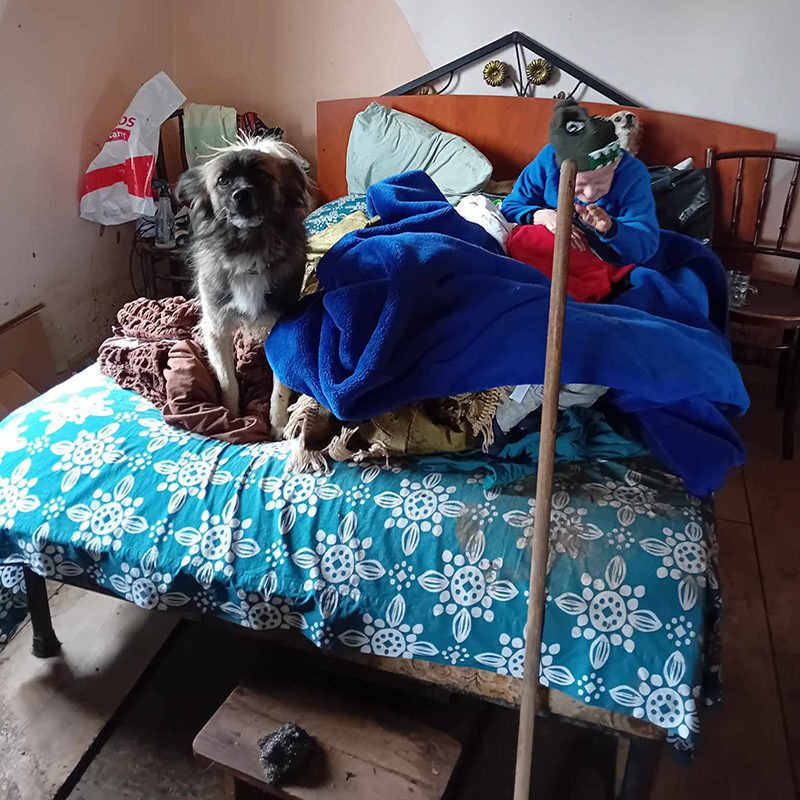
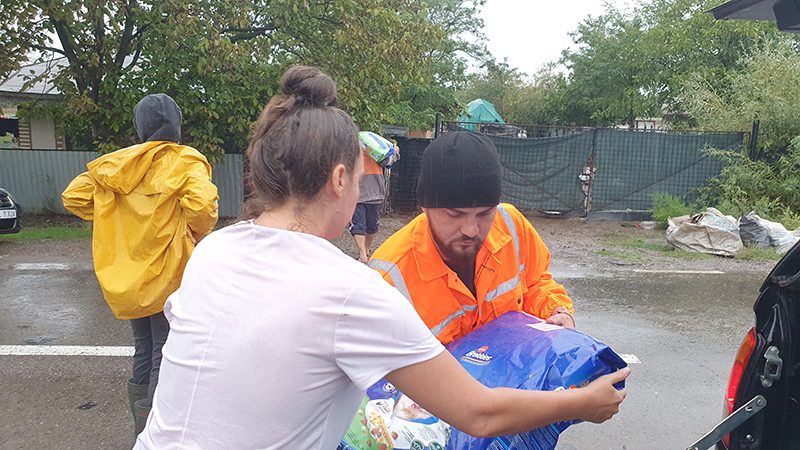
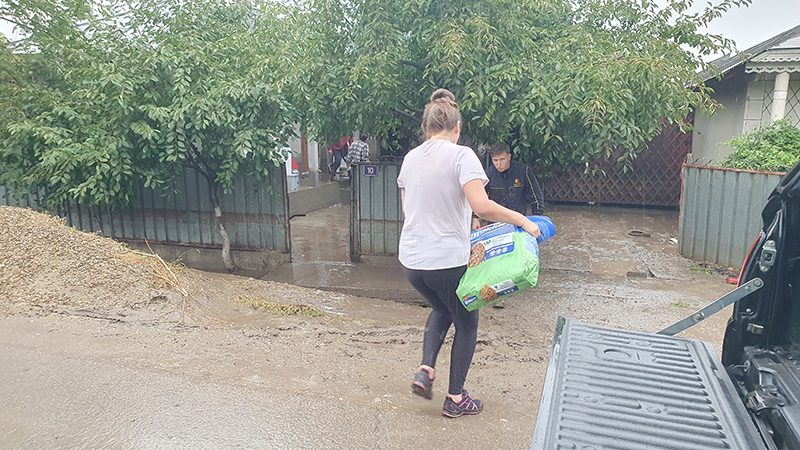
We made our way back to Slobozia Conachi and the surrounding villages, distributing bags of dry food to those in need. Telling us he no longer had any animals left to feed, one man was in tears. The sound pierced through her heart, leaving her feeling shattered. In the middle of the night, another woman recounted her harrowing rescue by firefighters. As they navigated through the flooded streets, the sound of rain pouring, and thunder rumbling filled the air. She introduced us to her large dog, which sprawled on the floor, too tired to stand. Seeking refuge on top of the furniture, the dog survived by staying dry and away from the rising water. Despite his frailty, he was still breathing when she returned, a glimmer of hope amidst the overwhelming grief.
Despite the rain, we pressed on, determined to reach other villages like Cudalbi, further from Galați. As the downpour continued, people were tirelessly working to clear the mud from their homes and gardens, their efforts seeming futile as the rain only made things worse. Despite the challenges they faced, the villagers stayed determined, their gratitude clear as they eagerly accepted the bags of food for their animals.One man beamed with pride as he showed us a little dog he had bravely saved from the floodwaters, peacefully slumbering in the garden beside her mother. With the falling night and persistent rain, we made our way back to Slobozia Conachi. At the humanitarian camp, the sound of sirens filled the air as firefighters and soldiers rushed to assist us in distributing bags of dry food to those in need.

Once a dog becomes a part of your life, feeding them may appear straightforward—simply offer food twice daily, in moderate amounts. To ensure the well-being and extended lifespan of your dog, there are other aspects to take into consideration apart from merely feeding them. Canines have developed the ability to live harmoniously with humans, yet their nutritional requirements exhibit considerable variation according to breed, age, size, and individual health conditions. It is not as simple as assuming that all dogs have identical dietary needs.
With the progression of our knowledge regarding canine health, our approach to their nourishment has also developed. Nowadays, many dog owners are eager to provide proper nourishment to promote a lengthy, joyful, and robust life for their beloved pets. We no longer consider table scraps as the norm. We should tailor dog food to each breed’s specific needs, not one-size-fits-all.
Where Should You Begin?
For those who have recently become dog owners, the initial action to take is to schedule a visit with a veterinarian. Depending on where you got your dog, you might have some info about their age, breed, how big they’ll get, and any health problems. Don’t forget to think about these factors when planning their diet.
Some people just give their dogs whatever food they can find. This might work, but it could cause health problems later. It’s crucial to select the right dog food for each life stage because their nutritional needs change as they grow. Stray dogs survive by scavenging, while domesticated dogs have more complex nutritional needs because they rely on us for food.
Let’s see how different things affect what food is best for your dog.
Age
Dogs need different food as they get older. Puppies need different things than adult or senior dogs. This might seem obvious, but it’s important to know why these differences are important.
Puppy Nutrition
Puppies undergo a period of rapid growth, which is the most significant in their lives. Small breeds typically achieve approximately 80% of their adult size between the ages of six to nine months. Medium-sized breeds may require up to 12 months, while large breeds may need up to 18 months. Their dietary intake should be conducive to the development of muscles, formation of bones, and proper functioning of organs.
A healthy diet for puppies entails the provision of essential minerals, protein, and high-quality fats. Their bones need phosphorus and calcium, their blood needs iron, and their eyes and brain need omega-3s. Homemade food for your puppy is great, but they might need some extra nutrients.
Since puppies have small tummies, they should eat small meals often—around four to six times a day. Ask your vet to help you find the right quantities.
Adult Dog Nutrition
Once your dog is fully grown, the focus shifts to maintaining their diet. The priority changes from growth to the maintenance of muscle mass, a fortified immune system, and organ function. Adult dogs typically require a diet containing approximately 5% fat, 18% protein, and a balanced combination of vitamins, minerals, and omega-6 fatty acids, which may vary depending on their size, breed, and activity level. When you are cooking meals at home, change the supplements based on your dog’s changing needs as they age.
Adult dogs generally eat two or three times a day. It’s a good idea to discuss the appropriate portion size with your vet.
Senior Dog Nutrition
As dogs age, their nutritional needs change once again. Senior dogs require a diet that supports their immune system more than their energy levels to help prevent age-related diseases and weight gain. For known breeds, people usually consider dogs as seniors when they reach 75% of their expected lifespan. If you lack certainty about your dog’s breed or age, your veterinarian can provide guidance in identifying the onset of their senior years.
Signs of aging are rough fur, less energy, and joint or dental problems. Dogs don’t need as many calories now to avoid weight gain and joint problems. They should eat enough protein to keep their muscles strong, more fibre for good digestion, antioxidants to boost their immune system, omega-3 fatty acids to reduce inflammation, and glucosamine for healthy cartilage and heart.
Health Conditions
Besides age-related needs, dogs may have specific dietary requirements based on their health conditions. For example, if a dog is spayed or neutered, it will affect their metabolism, resulting in a potential need for fewer calories. Any medical condition, regardless of whether it involves postoperative recovery, allergic reactions, or chronic management, can affect your dog’s dietary requirements. Prioritise seeking advice from your veterinarian concerning any necessary dietary alterations.
Size and Breed
Ensuring that dogs receive quality food is essential, and it is important to consider their size and breed, as these factors significantly affect their unique dietary requirements. As an example, it is essential to regulate carefully the rapid growth of all puppies. To prevent joint problems, it is important to regulate the energy intake of large breed puppies. Smaller breeds have different nutrient requirements that need to be balanced accordingly.
Activity Level
The activity level of a dog also plays a role in determining its nutritional requirements. Breeds with high activity levels, such as Australian Border Collies, possess distinct needs compared to less active breeds, like Basset Hounds. Among dogs of the same breed, watching the energy levels of your dog is essential. Consulting your veterinarian is crucial to ensure that you avoid overfeeding or underfeeding.
Treats and Human Food
Rewarding dogs with treats from your plate isn’t a good idea, even though they are known for their begging. By refraining from feeding your dog directly from your plate, you can teach them to avoid begging. If you give in from time to time, they will continue their efforts, fully aware that begging eventually pays off.
It’s fine to treat your dog to healthy snacks like fruits and veggies but check with your vet. It is advisable to limit the provision of snacks to your dog throughout the day, as the accumulated calories can become significant.
Foods to Avoid
While dogs share the omnivorous diet characteristic of humans, certain human foods pose risks to their well-being. Certain types of food can have a toxic effect on dogs, such as:
• Chocolate
• Caffeine
• Garlic
• Onions
• Mushrooms
• Tomatoes
• Citrus fruits
• Foods with artificial sweeteners, especially xylitol
• Macadamia nuts
• Grapes and raisins
• Alcohol
• Milk
• Raw eggs
• Raw or smoked fish
• Ice cream
• Avocados
• Chicken bones
• Liver
• Raw dough
Seek guidance from your vet to ensure the food your dog consumes is safe. Regular veterinary examinations and ongoing conversations about nutritional habits can contribute to the long-term health and happiness of your dog. Once a routine is established, ensuring proper nourishment for your dog becomes instinctive, thereby fostering a lasting and blissful companionship.