non-US support +44 (0)161 531 8801



















Why Shelter Dogs Need More Than Food and Shelter to Recover
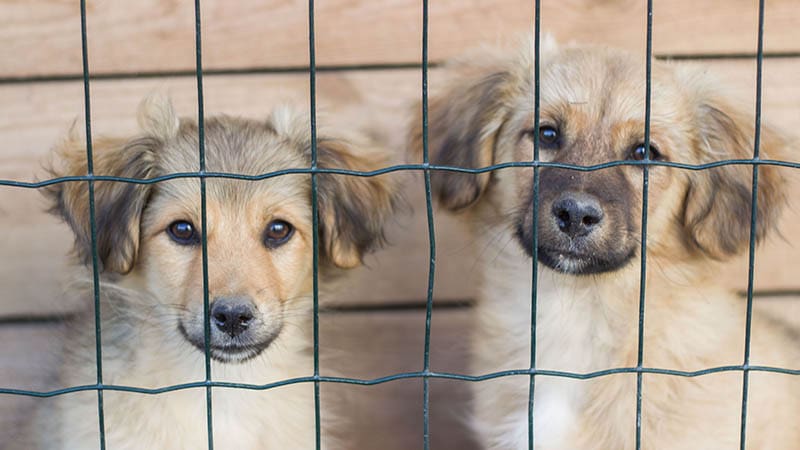
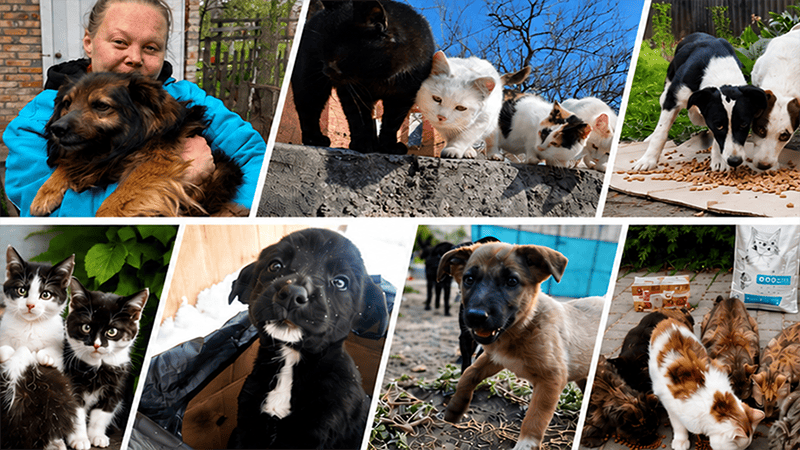
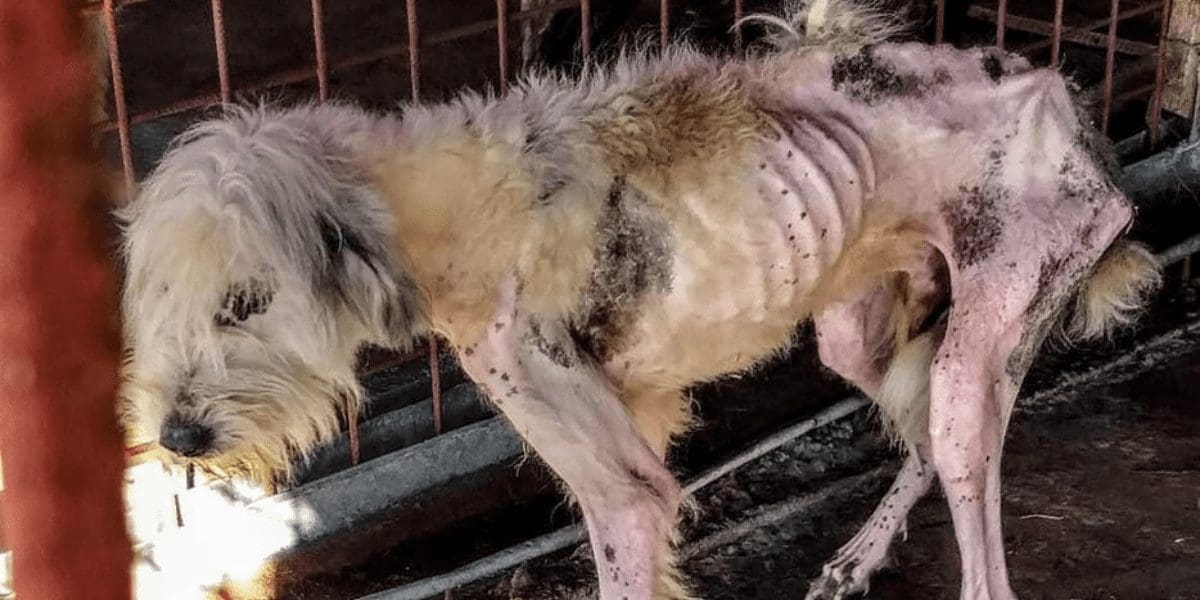
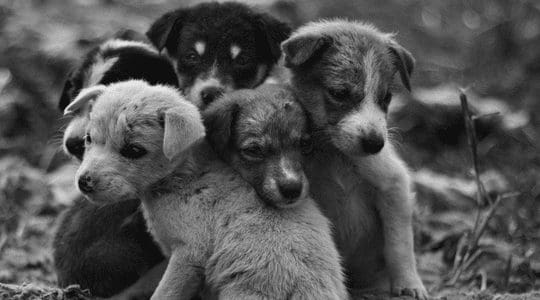
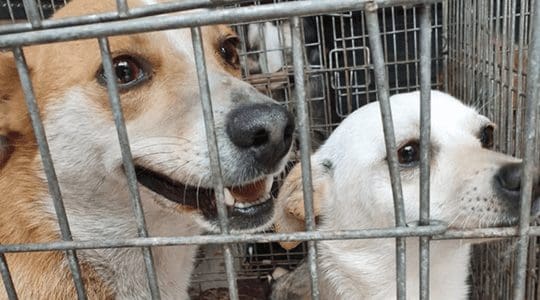
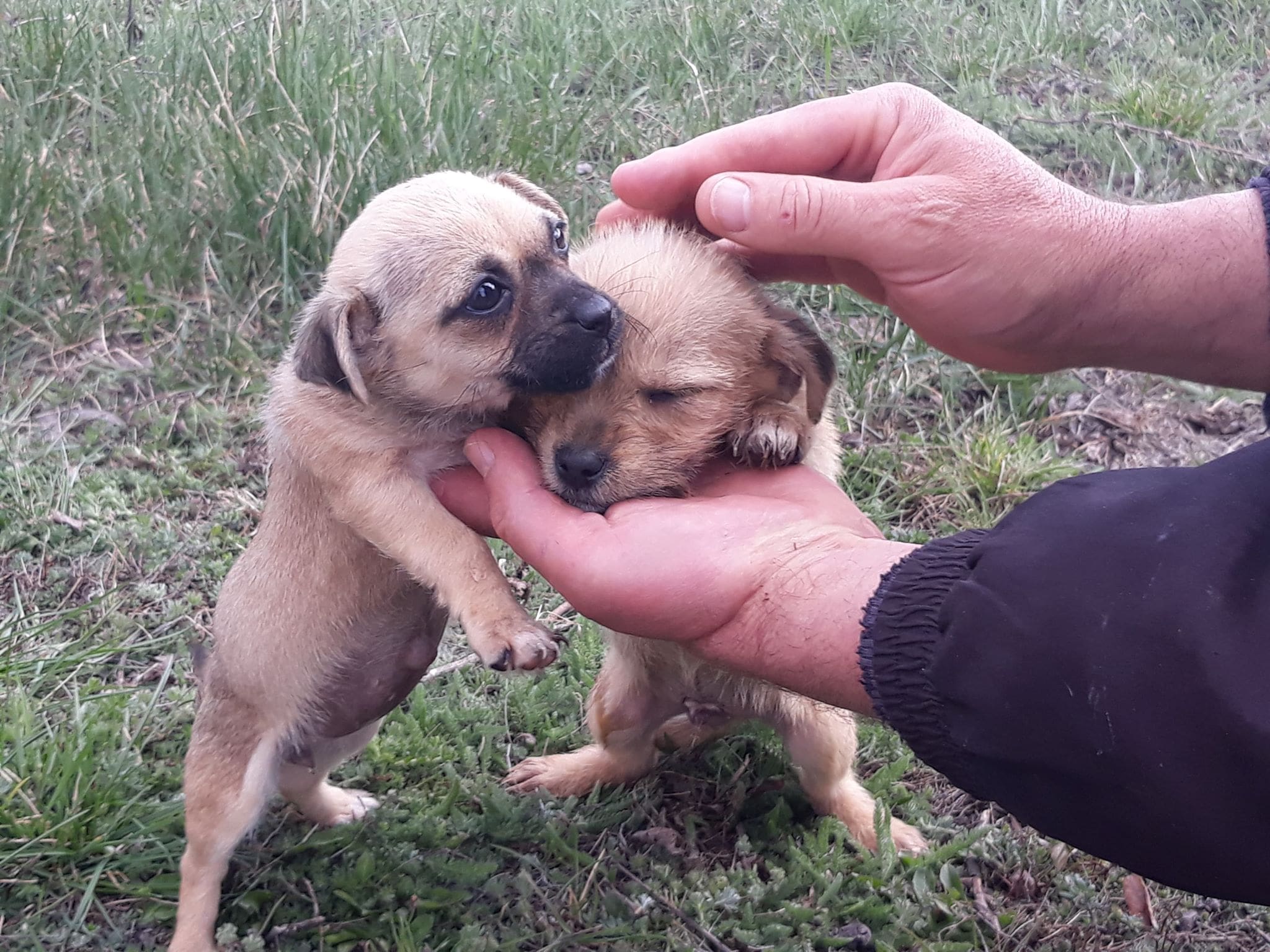
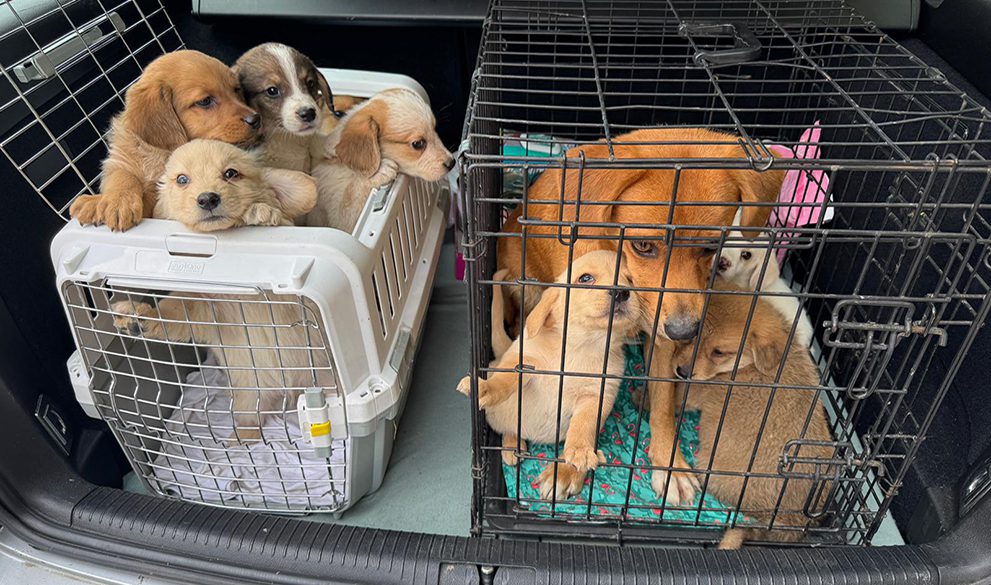
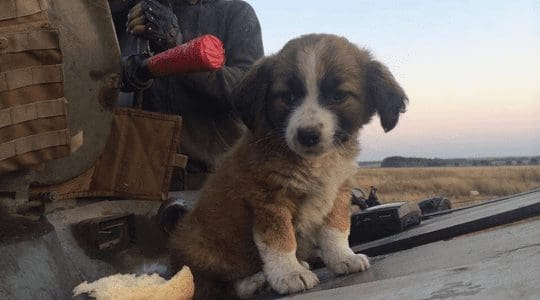
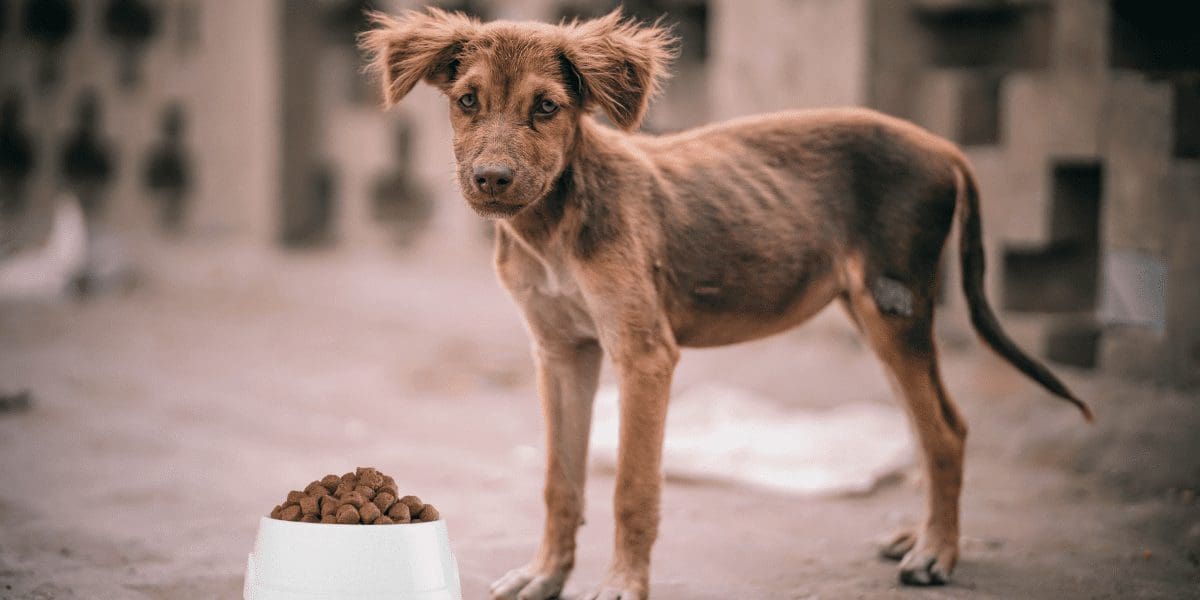
What would it take for you to think that a stray dog was safe? You would probably expect someone to take that poor dog, feed it, give it a place to live, away from other dangerous dogs and away from abuse and speeding cars. And that’s about it, right?
Is that all there is to rescuing animals, though? Would these animals ever find real homes and their own families? Or would they permanently be in the care of their rescuers?
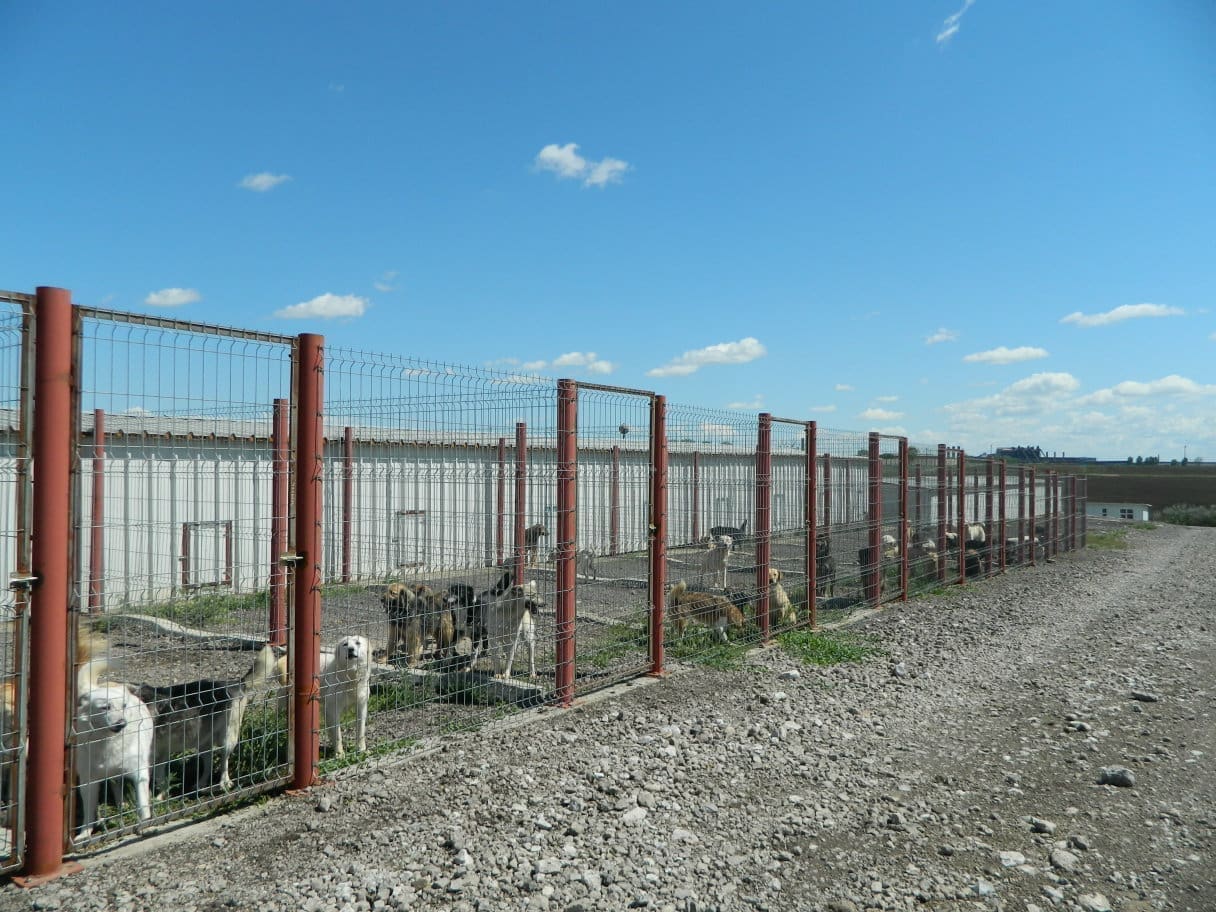
Without deliberate planning, it could happen for a very lucky few, while the rest of the dogs would waste away in their kennels. How do we know this? Because this is the case for most of the dogs rescued by public shelters or organizations with very limited funds.
We do not wish to minimize the impact that even these organizations have on reducing the number of stray animals on the streets. Even a struggling organization can manage to keep a few dogs safe and fed, and they are still better off than living on the streets.
However, as an animal rescue organization that has been around for more than 20 years, we know to look at the bigger picture and change the end goal from one dog rescued to one dog in its forever home.
Rescue vs. Recovery
As with everything else in life, everything boils down to intent. What is your intention when you decide that a dog should no longer suffer on the street? Is it to simply end the suffering of that poor animal and make sure that it is out of harm’s way, fed, and protected? Or is it to have the animal thrive, lead its best life alongside people who will make it part of their family?
The first part feels like the bare minimum, while the second one feels like a beautiful dream.
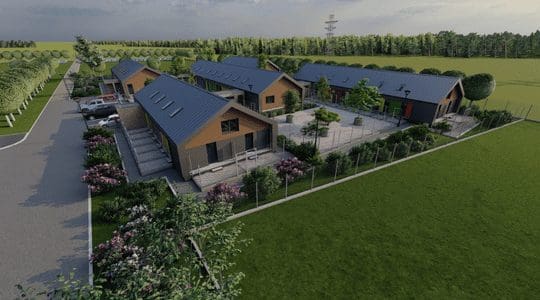
When ROLDA was founded, the first few dogs received all that founder Dana Costin could offer them – the shelter of her own home and heaps of love and care. What did it take to turn that into a successful shelter that has seen thousands of dogs through the process of rescue and rehabilitation all the way into their own homes? The determination to give all her rescued dogs just that — everything.
This is why our residents’ chances of finding a home increase considerably simply because they are in our shelter. Because we intend to see them in their own homes. And while we do accept that some of our rescues might not have the chance to find their own families, this is a concession we are willing to make in only a few cases.
What Makes a Dog Adoptable or Unadoptable?
There should be no difference between the two if it were up to us. But, on the other hand, not everybody has our extensive experience in rescuing and rehabilitating homeless dogs.
Adoptable dogs are all those animals that can be made healthy enough and sociable enough for a new family to handle. And while some people do not shy away from the challenge of getting a dog who is still in the process of getting better – people we appreciate immensely – we do not ask this of everyone wishing to adopt.
Pet ownership is something you embark on knowing the full extent of your new responsibilities, and it is supposed to be for the entire duration of that dog’s life. The last thing we would want is to have our dogs returned to the shelter or, worse, abandoned again, back on the street, because their new owners were overwhelmed by their needs or by how much their lives had changed.
To make sure this never happens, we do three things:
1. Make sure potential adopters really understand what pet ownership is and that it is for the entirety of their lifetime.
2. Help the dogs we rescue recover from their fear of people following traumatic abuse and heal from wounds or severe illnesses.
3. Provide permanent shelter to the dogs whose medical bills are too high for any family to take on or who cannot shake the effects of their traumatic experiences, making them less sociable or too anxious.
We would love to think that no dog is unadoptable. But we have seen adoptive families struggle in the past. Some dogs’ medical bills are very high, and the monthly budget of a family on an average income would be too strained.
Ours is too, but we are pros at fundraising, and we have the ‘luxury’ of directing all our human resources toward finding the money we need.
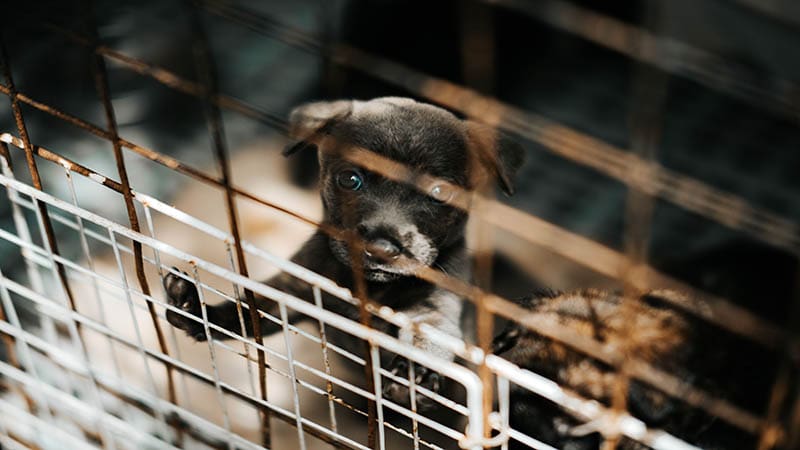
Then there is the trauma of physical abuse and severe injuries they mostly had to live through with no help from anyone. This makes many dogs distrustful and guarded.
A Complete Rehabilitation Process Can Work Wonders
One thing public shelters and small organizations with very limited resources cannot provide is a proper rehabilitation process. It involves assessing the dog’s condition, giving the body time to heal, and providing any long-term treatments the dog might require.
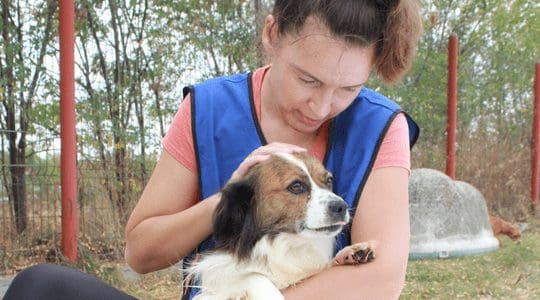
Once the dog is healthy and thriving, shelter staff may begin a different type of assessment – one of behavior, meant to test reactions to various triggers. We want to make sure that the dogs are friendly and calm and that they have no triggers to set off the memory of past traumatic events.
For example, a dog that men have frequently and severely kicked might react violently in their presence. Or dogs that have been beaten with long objects such as sticks, walking canes, or umbrellas might have a sudden reaction whenever someone walks by carrying any such object, even without the intention of using it for harm.
If fear is embedded, animals will react instinctively. This could result in some dangerous and unpleasant situations we wish to avoid with the right rehabilitation processes.
These processes consist of desensitizing sessions, meant to make the dog less and less afraid of something. It can only work in a controlled environment that the dog knows to be safe. Getting along with other dogs can also be taught, even at a later stage in the animal’s life. Otherwise, future adopters might have a dog they cannot walk past their neighbor’s house when the neighbor’s dogs are there.
Rescue dogs deserve the world. Luckily for us, a safe home and a loving family are what they see as their whole world. So, why not aim for that?
Do you want to hear more news about our stories?
Related content
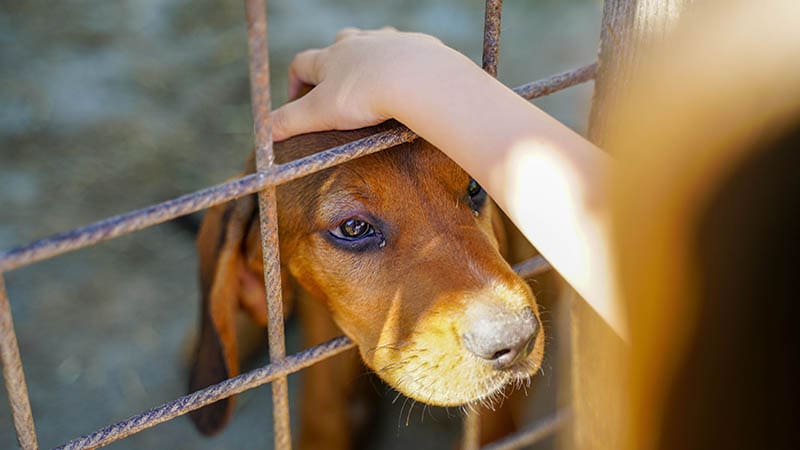
Why Legacy Donations Can Create a Brighter Future for Shelter Dogs
Every donation we receive is an act of compassion toward our dogs. We are grateful for each one and for every person who wants to help us change the story for thousands of dogs. And if donating makes you feel happy for having contributed and become part of the story, know that there is a ... Why Shelter Dogs Need More Than Food and Shelter to Recover
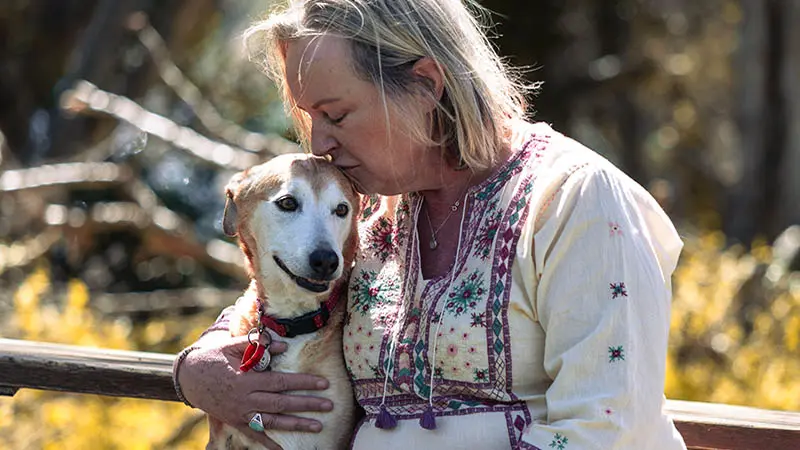
How Adoption Stories Inspire More People to Help Animals in Need
One of our favorite online trends is the posting of pictures with happy dogs and their new families, with those big ‘ADOPTED’ signs! And it’s hard not to share in the enthusiasm. The adoptive family took their time setting things up; they got the floof ready, bathed, brushed, and smelling like a million bucks. And ... Why Shelter Dogs Need More Than Food and Shelter to Recover
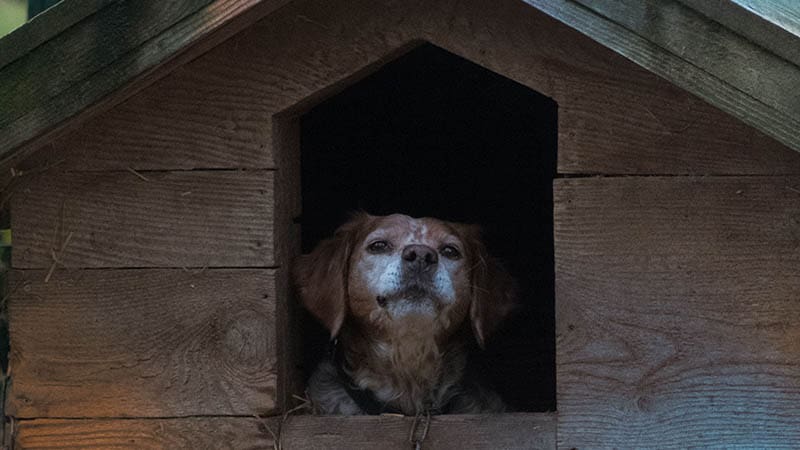
How Sponsoring a Shelter Dog Can Change a Life Before Adoption
Adopting a shelter dog is the most beautiful act of kindness people could ever do in their lives. It is a gesture in which they take in a soul that was once abandoned and give it a home and a purpose. And then, they get to watch it thrive, and their lives grow richer and ... Why Shelter Dogs Need More Than Food and Shelter to Recover
Supporting Rescue Dogs Through Donations When Adoption Is Not an Option
And as the rescue van took the suffering dog away, the people in town sighed with relief, thinking the poor soul was now safe and off to live a better life. The End Cute, but wrong! As an organization dedicated to bettering the lives of dogs and animals in general, ROLDA’s mission is to get ... Why Shelter Dogs Need More Than Food and Shelter to Recover
Why Regular Donations Are Essential for Keeping Rescue Shelters Running
What do you think is the most expensive part of running a dog shelter? Some people might think it’s the dramatic animal rescue missions. Others might say it’s the complicated medical procedures needed to put the poor animals back together or even the latest recovery and rehabilitation therapies. Both groups are wrong. The most expensive ... Why Shelter Dogs Need More Than Food and Shelter to Recover