non-US support +44 (0)161 531 8801





















Why senior dogs make wonderful companions
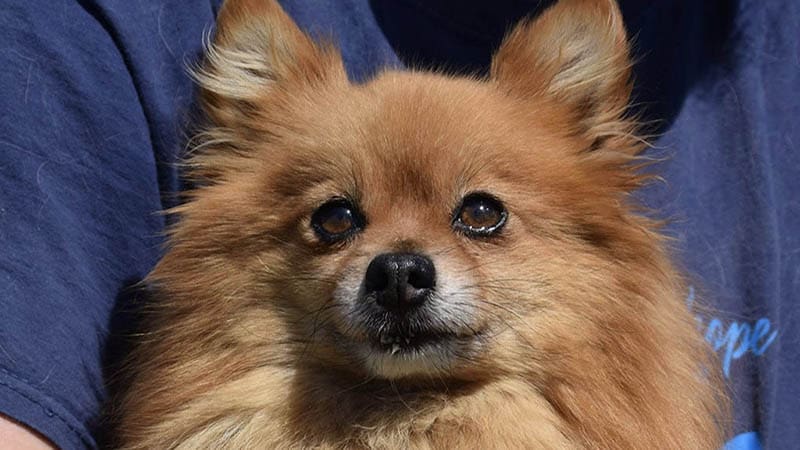
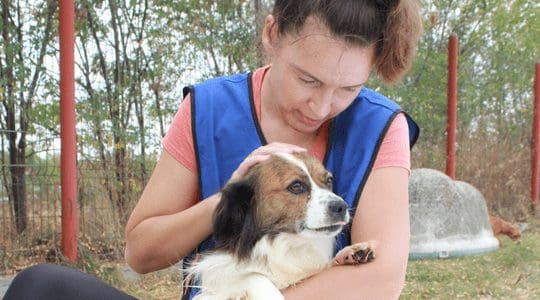
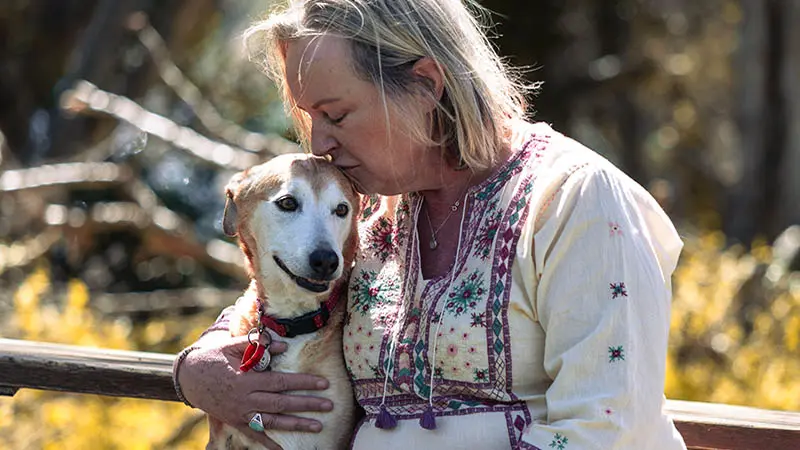
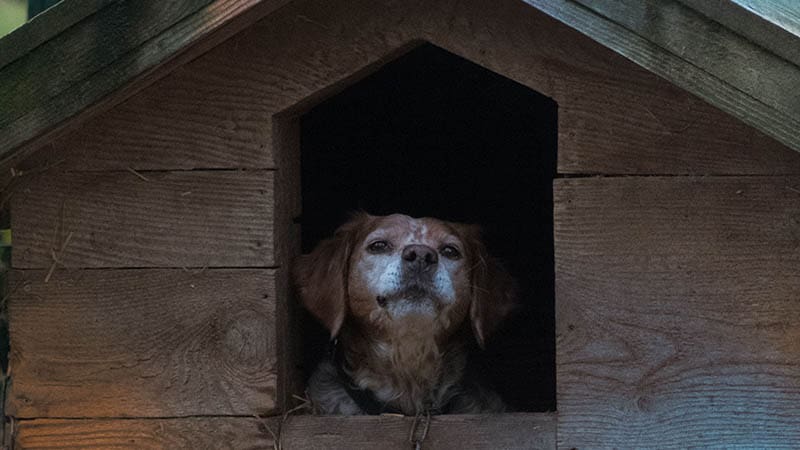
A heartbreaking part of running a dog shelter is that most senior dogs we care for often have the lowest chances of being adopted. It saddens us every time potential adopters overlook these gentle, loving dogs, who are equally deserving of a caring home, yet will likely spend their entire lives with us at ROLDA.
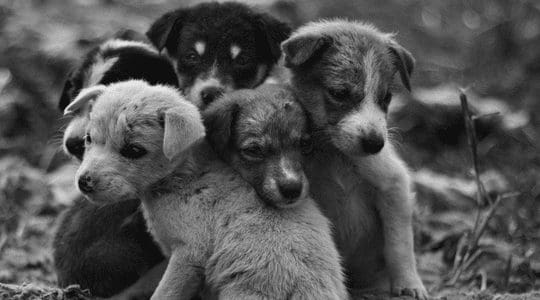
There is no way to sugarcoat this – puppies are cute, energetic, they have years of fun memories ahead of them, and they mostly have a clean bill of health. How are senior dogs supposed to compete with this?
Having worked with and lived with these dogs as permanent residents over the years, we’ve learned quite a bit about them and believe in sharing that knowledge. Senior dogs make excellent companions for those who appreciate their qualities and learn to value what they bring.
Calm and gentle souls
We’ve said it before and will say it again: puppies are crazy cute! However, they bring with them the chaos of puppyhood, which few people are ever truly ready for. Most first-time dog owners push through it and come out on the other side truly enjoying their time with adult dogs.
Then, there are those who imagine quiet evenings, relaxing on the sofa or reading a book while their dog rests at the foot of the bed. In reality, a senior dog fits this image a lot better than a puppy. Most likely in this scenario, the puppy would be in the corner, chewing the toilet paper roll, asking for play and walkies.
And this is all great in the right context. But if you are more of a ‘quiet night in’ type of person and would appreciate a calm and gentle dog to pet and enjoy treats with, a senior dog would be better suited.
Training complete
Let’s address the elephant in the room. ‘You can’t teach an old dog new tricks.’
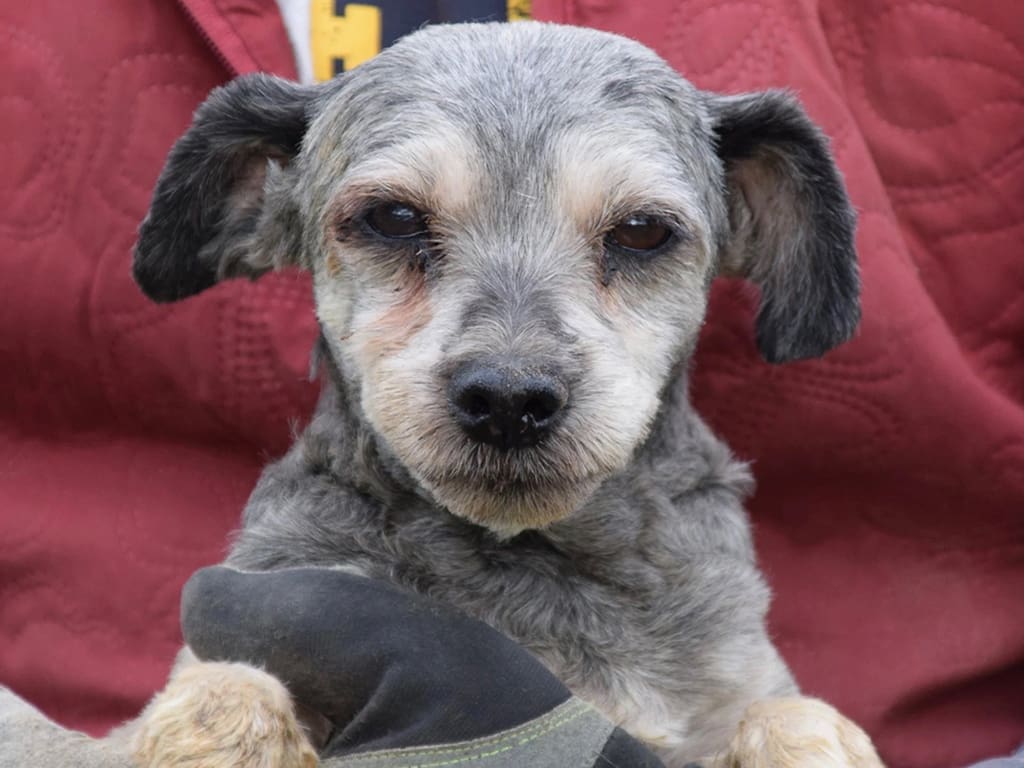
This is true if you consider new tricks like balancing or a trapeze act. Otherwise, we manage to train all our senior dogs, and they have no problems understanding us or adjusting to life at our shelters.
Most dogs already know the basics even before coming in, a clear sign that someone else has taught them at some point. But have you tried puppy training?
With a senior dog, explaining some of the rules they already know – like the difference between indoors and outdoors, your reactions to loud and incessant barking, jumping on people, and other basic rules – is enough. You can focus on bonding and enjoying each other’s company. And you can do that pretty soon, as training will not take up that much of your time and energy.
Bonding with a senior dog
Take the ‘Christmas puppy’ phenomenon. It does not get that much hate for no reason. Unfortunately, many first-time owners think they will do better with a dog who has been with them from the very beginning and whom they train themselves.
This is a legitimate expectation. Partly.
Bonding with a dog is not the same as bonding with people. A dog will immediately know whether it likes you or not, whether it wants to go home with you, and spend his life with you. There are no circumstantial considerations on his side, as in ‘I don’t act like I like this person, I might blow my only chance at having a home if I don’t fake some love.’
A dog will either like you or not, and you will know. Therefore, the bonding is more on your side than on that of your furry companion.
As already mentioned, the process with a senior dog is shorter. If you, too, feel the bond with this animal, you should be able to start enjoying the new life you make for the two of you much sooner, which is excellent news!
Addressing health issues
This might be the main deterrent for many people when looking to adopt a dog and faced with the option of taking home a senior dog. And no, it is not a minor issue, since health problems can cost new dog owners a lot.
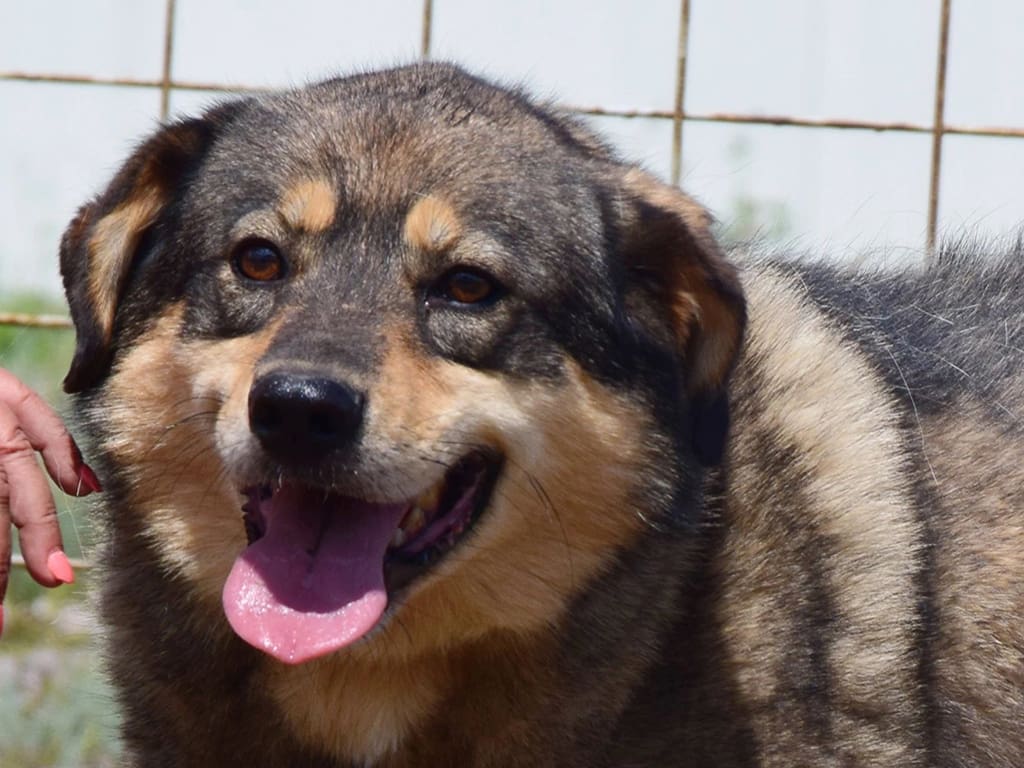
However, most of the dogs in private shelters (especially ours) are periodically screened and checked by veterinarians, meaning that, whatever challenges they might face in the future, a medical professional already knows about them, has been screening and looking for solutions, and has even started a treatment to postpone discomfort or even eliminate some type of threat.
Therefore, while there might be health issues associated with old age, adopters of senior dogs from a responsible shelter should already be informed about them, their prognosis, and should have a manageable treatment plan, which is not something to sneeze at.
Add to this the fact that some shelters would be so keen on getting their senior residents into their forever homes that they might offer to continue covering health expenses themselves if you offer their dogs the experience of a loving family. That does sound like a good deal, right?
Trauma and working around bad habits
Yes, some dogs have suffered from a lot of trauma in their lives. But the thing about animals is that they don’t store trauma in their bodies as humans do. So, while they might shake in fear and run away to hide when a loud thunderstorm or fireworks are lighting up the sky outside, which might be something even non-traumatized dogs do, they still can overcome many of the bad things they have gone through.
The rehabilitation work done for them at the shelter is valuable in this sense, so it’s best to pick a shelter where dogs are treated so well by your fellow humans that they can cancel out all (or at least most of) the bad things they have been through before ending up there.
It is never in the shelter’s interest to force you to take home an incompatible dog. If you are not a match and cannot handle it, you will only end up sending the dog back, adding to his heartache of not being wanted and not having a home. This and having our dogs end up back on the streets are the main things we protect them against.
That said, there is little chance of you being paired with the wrong dog regarding information disclosure and help on our behalf. So, if you can find it in your heart to make room for a senior dog and do your best to make his remaining years golden and truly special for you as a family, it would be a fantastic gift for all those involved. Including for us, as we love to share in this special kind of joy and fulfilment.
Support the ROLDA Rescue Team and make every rescue possible!

Do you want to hear more news about our stories?
Related content
How Adoption Stories Inspire More People to Help Animals in Need
One of our favorite online trends is the posting of pictures with happy dogs and their new families, with those big ‘ADOPTED’ signs! And it’s hard not to share in the enthusiasm. The adoptive family took their time setting things up; they got the floof ready, bathed, brushed, and smelling like a million bucks. And ... Why senior dogs make wonderful companions
How Sponsoring a Shelter Dog Can Change a Life Before Adoption
Adopting a shelter dog is the most beautiful act of kindness people could ever do in their lives. It is a gesture in which they take in a soul that was once abandoned and give it a home and a purpose. And then, they get to watch it thrive, and their lives grow richer and ... Why senior dogs make wonderful companions
Supporting Rescue Dogs Through Donations When Adoption Is Not an Option
And as the rescue van took the suffering dog away, the people in town sighed with relief, thinking the poor soul was now safe and off to live a better life. The End Cute, but wrong! As an organization dedicated to bettering the lives of dogs and animals in general, ROLDA’s mission is to get ... Why senior dogs make wonderful companions
Why Regular Donations Are Essential for Keeping Rescue Shelters Running
What do you think is the most expensive part of running a dog shelter? Some people might think it’s the dramatic animal rescue missions. Others might say it’s the complicated medical procedures needed to put the poor animals back together or even the latest recovery and rehabilitation therapies. Both groups are wrong. The most expensive ... Why senior dogs make wonderful companions
The Life-Changing Impact of Dog Adoption on Both Pets and Their New Families
Who benefits more from a shelter adoption? The dog that has just received a chance at the perfect life in a loving home with a caring family? Or the family that has just become whole with the addition of the cutest, most loyal, and most lovable member? Both sides will. It’s a win-win type of ... Why senior dogs make wonderful companions