non-US support +44 (0)161 531 8801

























Why Is My Dog Drinking So Much Water? When Thirst Becomes a Warning Sign
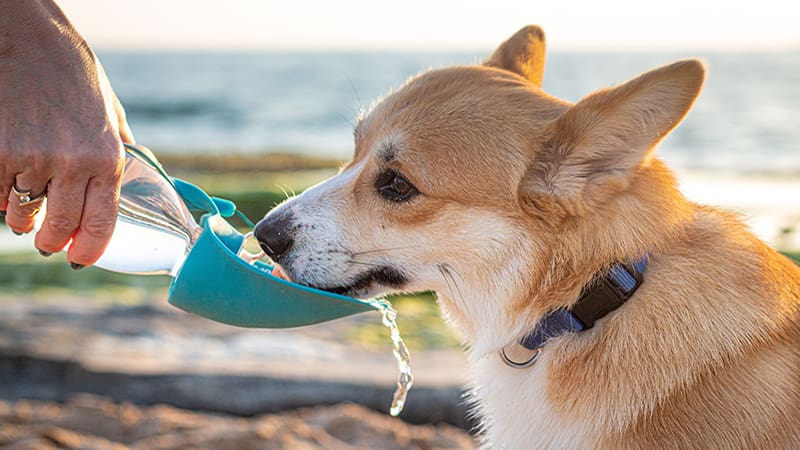
‘Didn’t I just fill your water bowl?’
This is how it starts: you notice your dog’s water bowl is often empty. Like any responsible dog owner, you start to wonder whether your dog is drinking more water than usual and whether this should concern you.
Before jumping to conclusions, know that there are many reasons why dogs might suddenly start to drink more water, and they are not all medical emergencies. Sure, some situations are medical emergencies, but excessive thirst alone isn’t necessarily a reason to worry.
Medical conditions usually come with other symptoms, and your veterinarian is best suited to diagnose them. Even if the cause is something as simple as more physical activity or warmer weather, it’s best to pay attention and mention it at your next visit.
Is My Dog Really Drinking More Water?
First, establish whether your dog is actually drinking that much water.
Some dogs tip their bowls, step inside with their paws, play with the water, and get most of it all over the floor. In these cases, an empty bowl doesn’t mean the dog is drinking more. Try to catch your dog ‘in the act’ and see how they drink from the bowl. This can nip the issue in the bud.
How Much Water Is Too Much Water?
If you notice your dog drinking all the water in the bowl and then asking for more, it’s time to see how much water they are drinking. Is it possible they have always drunk that much water and you never noticed? If not, what unit are you using to measure it? How many bowls of water did your dog use to drink then, compared to now?
Although water quantities may vary depending on the dog’s size, activity level, weather conditions, and age, you can use general guidelines to see whether your dog is usually a big drinker or just thirsty right now.
The main variable is the dog’s size. Therefore:
A dog weighing 10 kg should drink around 0.5 – 0.6 liters per day. / A 22-lb dog should drink around 18–20 oz/day.
A dog weighing 20 kg should drink around 1 – 1.2 liters per day. / A 44-lb dog should drink around 35–40 oz/day.
A dog weighing 30 kg should drink around 1.5 – 1.8 liters per day. / A 66-lb dog should drink around 50–60 oz/day.
Using these numbers, think back to how much water your dog usually drinks and decide whether anything has changed.
How to Find Out How Much More Water Your Dog Is Drinking?
To find out how much water your dog is now drinking, use a measuring jug when filling their water bowl. Also, make sure your dog can’t easily tip the bowl over, so you don’t end up giving your vet worrying yet false data.
Decide on a set number of days until your next appointment and keep a daily log. Check whether your dog consistently drinks more water or if it’s only on specific days.
Write down everything your dog has done each day – how much exercise they got, how hot it was outside and even indoors (sometimes we keep our houses a little too warm for our furry friends), whether the food was dry or wet, and whether you are giving them any medication. Write down your routine and make a special note when anything changes.
Your veterinarian will want to know if anything else shows up besides excessive drinking, such as vomiting, diarrhea, or any change in appetite, energy level, or behavior. Since it’s water-intake related, also note whether your dog is urinating more than usual, whether it matches the amount of water they drink, and whether they started having accidents in the house before they can be taken out to pee.
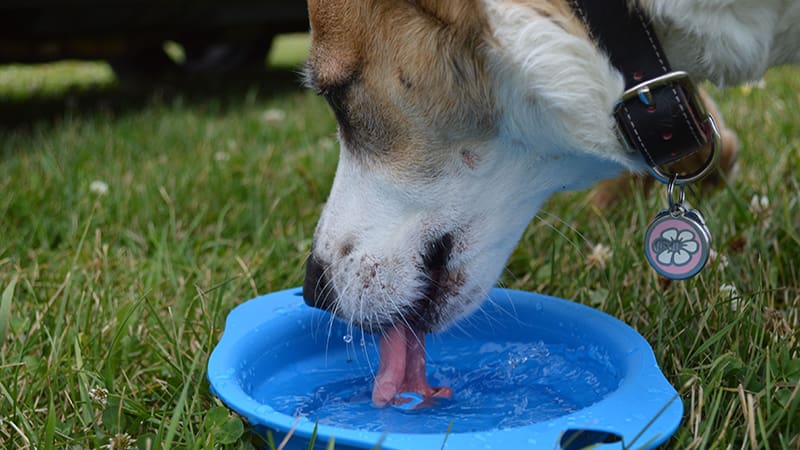
Common Causes for Excessive Thirst, Warning Signs, and When to Call Your Vet
You are not alone in this, as ‘why is my dog drinking so much water’ is probably one of the most searched dog health questions online. Responsible dog parents pay attention to anything that changes in their dog’s behavior, and we salute this level of care and commitment to their companions.
It is important to understand that drinking habits may change throughout a dog’s life, and that not all of these instances will be a reason to panic. Mention these changes to the vet during regular check-ups, and you can catch any underlying health issues before they become serious.
When It’s Normal for Dogs to Drink More Water
• Puppies may have different water requirements as they grow, so their water intake can vary with their age, size, diet, and activity level.
• Nursing dogs will also need more water for the production of milk to feed the small pups.
• Dogs that are active and spend a lot of time outdoors, especially in warm weather, will drink considerably more water than if they spent their days lounging around a temperature-controlled living room.
• Dogs whose meals consist mainly of dry food will need to drink more water to compensate.
• Dogs on specific medication may drink more water (steroids, diuretics, certain types of pain or seizure medication). Always notify your vet about your dog’s changing habits so they can decide whether the change is normal.
Medical Causes and When to Contact Your Vet
• Dehydration. If your dog has been outside in the heat for a long time and has not had enough water, they may become dehydrated. Dehydration can also accompany vomiting and diarrhea.
• Urinary Tract Infection. Very uncomfortable for your dog. You will notice frequent urination, straining, and obvious discomfort during and immediately after urination, even accidents in the house from the best-trained dogs.
• Fever and other signs of infection. Your dog may drink more water when they have a fever or are fighting an infection.
• Diabetes Mellitus. The disease affects how the body uses sugar, and one symptom is excessive thirst and increased urination. Other symptoms may include low energy, excessive hunger, and cloudy eyes.
• Kidney Disease. More frequent in older dogs. When the kidneys don’t work well, dogs drink more water and urinate more often. Other signs can include loss of appetite, low energy, an upset stomach, and weight loss.
• Liver Disease. Apart from excessive thirst, your vet will also look for vomiting, weight loss, poor appetite, low energy, and yellowing of the skin and eyes.
• Cushing’s Disease. Happens when the body produces too much cortisol. Other symptoms may include weak muscles, hair loss, increased appetite, and a swollen belly.
• Addison’s Disease. This hormonal disorder affects the adrenal glands and can cause changes in thirst and urination, among other symptoms.
How a Vet Makes a Diagnosis
The best thing you can do for your dog is track any changes in their routine. With that in mind, go to your veterinarian. If there is any reason to investigate, your vet will perform a physical examination and run tests such as urine and blood tests. They may even recommend imaging, such as an ultrasound or CT scan, to examine the liver, kidneys, or other organs.
Even if there is a medical condition, finding it sooner gives your dog a better chance at maintaining a good quality of life, as the disease can be kept in check before it causes real damage. Or maybe you just need to change something in your dog’s routine or medication and see everything improve quickly.
However, unless your doctor specifically tells you to, do not limit your dog’s access to water. Dehydration can become dangerous and, in severe cases, contribute to kidney problems. Always provide clean and fresh water.
When your dog suddenly starts drinking more than usual, there is no need to panic, but there is a reason to pay attention. Track their water intake, watch for other changes, and talk to your veterinarian if the change persists or comes with other symptoms. Sometimes, a full water bowl is simply a sign that your dog had a very active day. Other times, it can be the first clue that something needs attention – and noticing that early can make all the difference.

Do you want to hear more news about our stories?
Related content
Why Legacy Donations Can Create a Brighter Future for Shelter Dogs
Every donation we receive is an act of compassion toward our dogs. We are grateful for each one and for every person who wants to help us change the story for thousands of dogs. And if donating makes you feel happy for having contributed and become part of the story, know that there is a ... Why Is My Dog Drinking So Much Water? When Thirst Becomes a Warning Sign

How Adoption Stories Inspire More People to Help Animals in Need
One of our favorite online trends is the posting of pictures with happy dogs and their new families, with those big ‘ADOPTED’ signs! And it’s hard not to share in the enthusiasm. The adoptive family took their time setting things up; they got the floof ready, bathed, brushed, and smelling like a million bucks. And ... Why Is My Dog Drinking So Much Water? When Thirst Becomes a Warning Sign
How Sponsoring a Shelter Dog Can Change a Life Before Adoption
Adopting a shelter dog is the most beautiful act of kindness people could ever do in their lives. It is a gesture in which they take in a soul that was once abandoned and give it a home and a purpose. And then, they get to watch it thrive, and their lives grow richer and ... Why Is My Dog Drinking So Much Water? When Thirst Becomes a Warning Sign
Supporting Rescue Dogs Through Donations When Adoption Is Not an Option
And as the rescue van took the suffering dog away, the people in town sighed with relief, thinking the poor soul was now safe and off to live a better life. The End Cute, but wrong! As an organization dedicated to bettering the lives of dogs and animals in general, ROLDA’s mission is to get ... Why Is My Dog Drinking So Much Water? When Thirst Becomes a Warning Sign
Why Regular Donations Are Essential for Keeping Rescue Shelters Running
What do you think is the most expensive part of running a dog shelter? Some people might think it’s the dramatic animal rescue missions. Others might say it’s the complicated medical procedures needed to put the poor animals back together or even the latest recovery and rehabilitation therapies. Both groups are wrong. The most expensive ... Why Is My Dog Drinking So Much Water? When Thirst Becomes a Warning Sign