non-US support +44 (0)161 531 8801



































Why Do Dogs Eat Grass? What Does This Common Behavior Really Mean
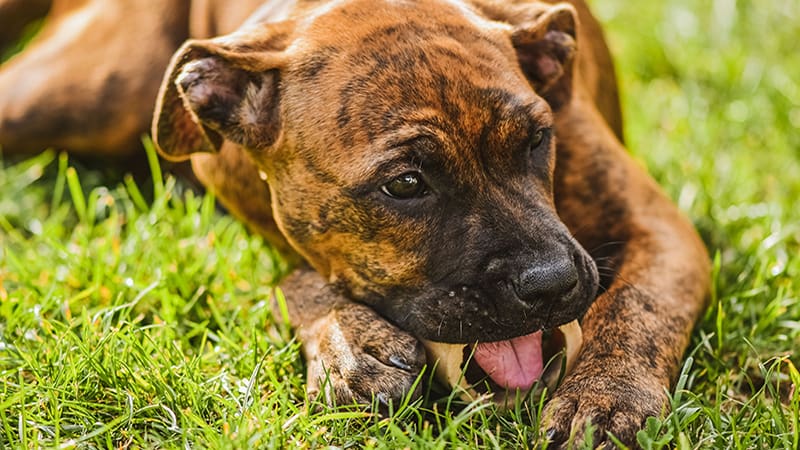
Is it a problem, a cry for help, a phase, or a curiosity? Every dog owner has wondered what grass-eating means. And, more importantly, whether they need to intervene or just let their dogs do it and move on.
It may put your mind at ease to know this is perfectly normal behavior in healthy dogs. Sometimes, the easiest explanation is that they are curious, they like the texture, or it’s just something they do out of instinct.
Nevertheless, despite what everyone says, dog owners should trust their instincts. If you notice the dog eating too much of it, feeling too sick afterward, and still eating grass, or if you notice any other change in the dog’s behavior, it’s safer to talk to the vet about it.
Grass-eating itself isn’t necessarily problematic. It’s how much of it the dog ingests and how they behave afterward – is this something they do occasionally or as soon as they get outside? Do they feel sick immediately afterward, and does it happen every time?
This article will hopefully give you some useful pointers.
The Easiest Answer Is Often the Correct One
Curiosity and exploration
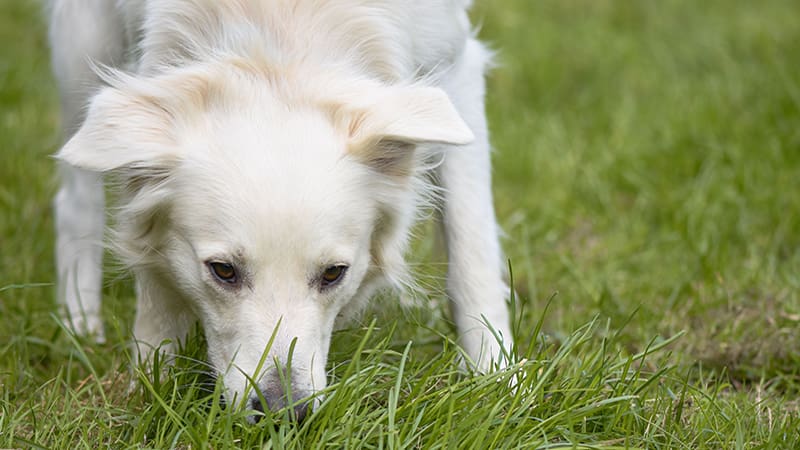
Dogs explore the world around them through taste and smell. They also chew on a lot of things, which is something puppy owners learn the hard way. Grass is no different. If they get curious, that is how they will discover it.
Grass can also have different smells and textures. This can be particularly appealing to younger dogs.
They just like it
It may be something you didn’t expect, but maybe your dog just likes eating grass for a variety of odd reasons. And it may not have anything to do with a sudden compulsion or a nutritional deficiency. They just like how it feels and maybe how it tastes.
Instinct and natural behavior
In the wild, dogs’ ancestors ate their prey whole. Since, in most cases, those animals were herbivores, their stomachs likely contained undigested plant matter. Some dog behavior experts think grass-eating is instinctive, a reminder of those times.
Others point out that canines are neither true carnivores nor truly omnivorous like humans. Therefore, they need some fiber in their diets, but not as much as humans do. While grass might not cut it in this respect, some vets may recommend increasing a dog’s dietary fiber if they suspect their diet is lacking it.
Boredom
It could just be as simple as this. Dogs get bored easily, especially when they spend too much time in the same place, with too little physical and mental stimulation.
Some owners have found that the habit went away after they left out treat puzzles for their dogs when they were alone in the house or increased their walks and playtime.
Is Grass-Eating a Form of Self-Medication?
This is probably the biggest misconception – that dogs feel their stomach is upset and eat grass to cause vomiting. But it is unclear whether the dog felt sick before eating the grass and ate it to feel better by vomiting, or whether the grass made them nauseous and caused the vomiting.
If this notion was giving you some peace of mind as a dog owner, we are sorry to ruin it for you. While a dog eating some grass every now and again without notable consequences might not necessarily be a reason for concern, if it happens often, at specific or unusual times, and results in vomiting, this is something you should mention to your vet.
Even if dogs eat grass to regulate an upset stomach, you still need to find out what is making their stomach upset.
When Does Grass Eating Become a Problem?
Remember to avoid self-diagnosing your dog. You will need a professional opinion if you notice any of the following:
• Changes in food intake – either too much or too little
• Your dog has stopped eating food and only eats grass
• Changes in body weight
• Lethargy
• Other digestive issues – vomiting, diarrhea, constipation
• Struggling to vomit without being able to do so
• Signs of stomach cramps
• Anxiety or compulsive behavior
• Chewing on anything else apart from grass
• Grass-eating happening too often – one episode every now and again is not usually worrisome
When these occur alongside grass-eating, they can shift the situation from something that may not be worrisome to something that requires medical attention. Your vet might want to perform a complete physical exam and run lab work, and may even recommend a CT scan.
Is Grass Eating Dangerous in Itself?
Somewhat. Grass in itself might be one of the most natural things you could think of. In theory…
In reality, we live in areas where grass is manicured and maintained with pesticides, herbicides, fertilizers, rodent poison, and many other substances meant to keep the lawn looking nice. Grass can also hide sharp twigs, small objects, and debris. None of these are safe to ingest, and they can cause serious harm.
Another reason grass-eating can be dangerous is that your dog may ingest something else along with the grass. Chemical substances, parasites, fecal matter, toxic plants. You might think they are gnawing on blades of grass, but you cannot know for sure what it is.
Should You Stop Your Dog from Eating Grass?
Not if it’s occasional and you know for sure that their usual place of ‘grazing’ hasn’t been chemically treated and is clean and safe.
If grass-eating is not part of an underlying medical problem but could still be a problem in itself, your vet might recommend helping your dog avoid it. You could change your walking route if your dog usually charges toward the same patch of grass, which might not be safe.
If it’s just boredom, include some playtime first and maybe change the route to give your furry friend some new sights, sounds, and smells to explore before the urge to chew on grass takes over.
Avoid punishing your dog for eating grass. Most likely, they will not understand what they did wrong, and you will only increase their anxiety and other negative feelings, which could lead to more compulsive behavior.
Grass-eating is usually just one of those curious things dogs do, and an occasional mouthful of clean, untreated grass is not necessarily a reason to worry. What matters is the bigger picture. If your dog suddenly starts eating large amounts of grass, seems unwell, or shows other changes in appetite, digestion, energy, or behavior, it’s time to talk to your vet. After all, you know your dog better than anyone – and sometimes, noticing that something is different is the most important part of taking good care of them.

Do you want to hear more news about our stories?
Related content

How Often Should You Bathe Your Dog? A Practical Guide for Every Coat Type
Bath time! Probably one of the more stress-inducing moments for households with pets. Maybe it’s because some dogs feel more comfortable in an icy-cold, dirty puddle than in warm bath water in the safety of their own home, or because their pet parents bathe them too often. Don’t feel bad if you haven’t figured it ... Why Do Dogs Eat Grass? What Does This Common Behavior Really Mean
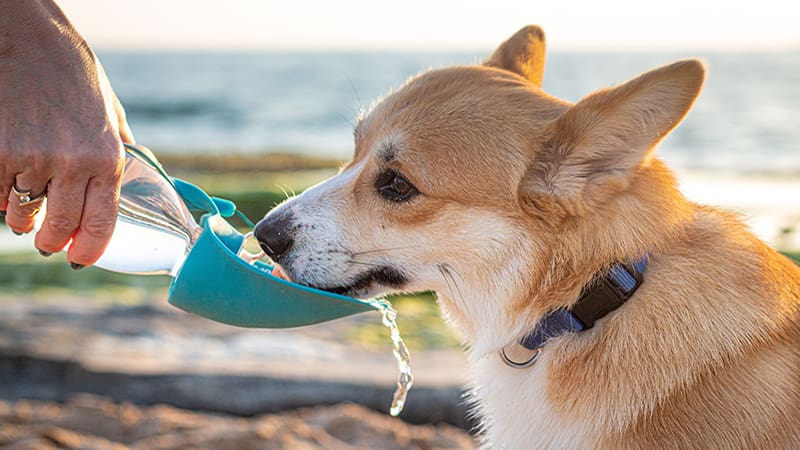
Why Is My Dog Drinking So Much Water? When Thirst Becomes a Warning Sign
‘Didn’t I just fill your water bowl?’ This is how it starts: you notice your dog’s water bowl is often empty. Like any responsible dog owner, you start to wonder whether your dog is drinking more water than usual and whether this should concern you. Before jumping to conclusions, know that there are many reasons ... Why Do Dogs Eat Grass? What Does This Common Behavior Really Mean
Why Legacy Donations Can Create a Brighter Future for Shelter Dogs
Every donation we receive is an act of compassion toward our dogs. We are grateful for each one and for every person who wants to help us change the story for thousands of dogs. And if donating makes you feel happy for having contributed and become part of the story, know that there is a ... Why Do Dogs Eat Grass? What Does This Common Behavior Really Mean

How Adoption Stories Inspire More People to Help Animals in Need
One of our favorite online trends is the posting of pictures with happy dogs and their new families, with those big ‘ADOPTED’ signs! And it’s hard not to share in the enthusiasm. The adoptive family took their time setting things up; they got the floof ready, bathed, brushed, and smelling like a million bucks. And ... Why Do Dogs Eat Grass? What Does This Common Behavior Really Mean

How Sponsoring a Shelter Dog Can Change a Life Before Adoption
Adopting a shelter dog is the most beautiful act of kindness people could ever do in their lives. It is a gesture in which they take in a soul that was once abandoned and give it a home and a purpose. And then, they get to watch it thrive, and their lives grow richer and ... Why Do Dogs Eat Grass? What Does This Common Behavior Really Mean