non-US support +44 (0)161 531 8801



















What shelter dogs teach us about love, patience, and resilience
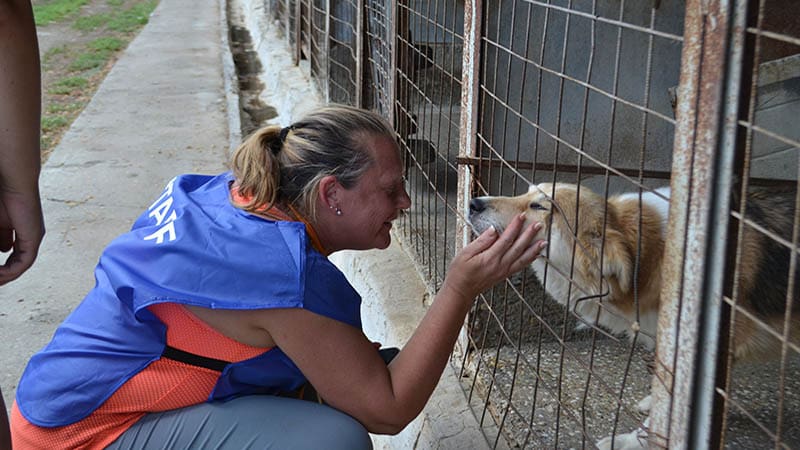
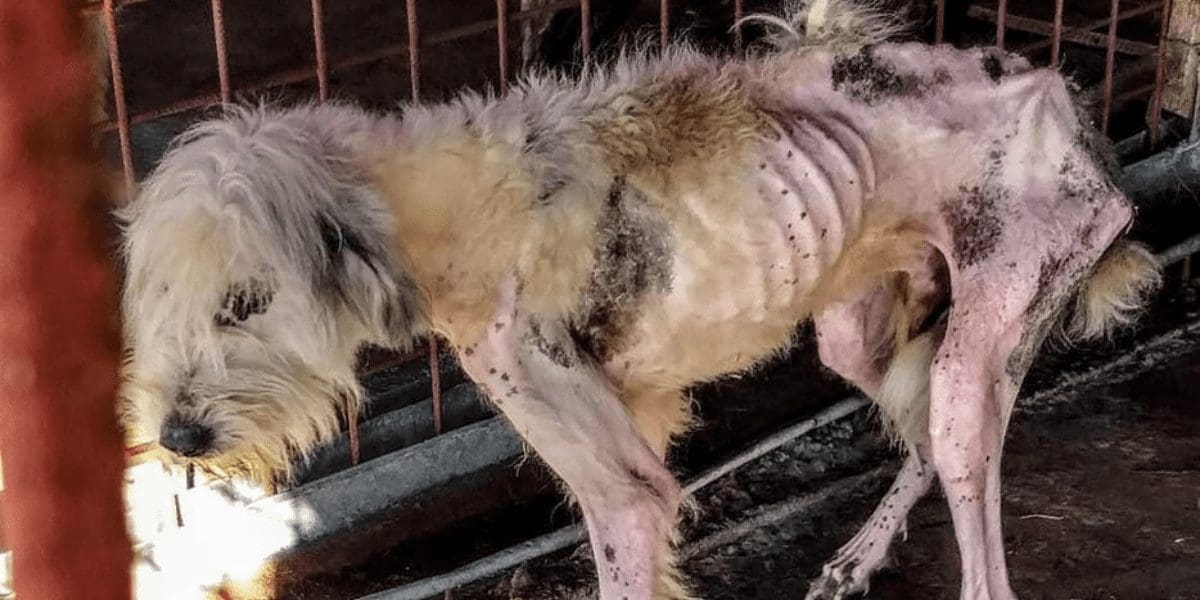
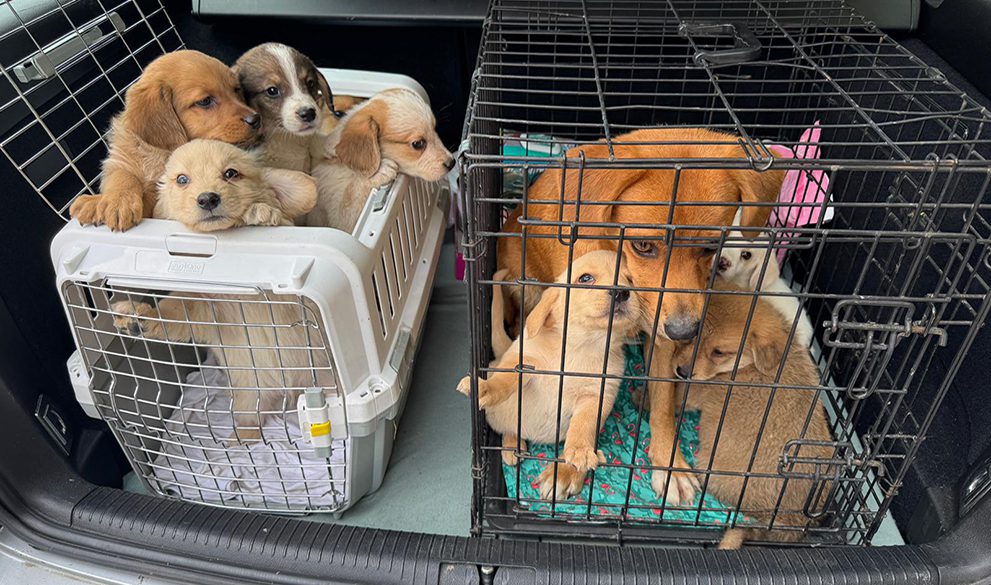
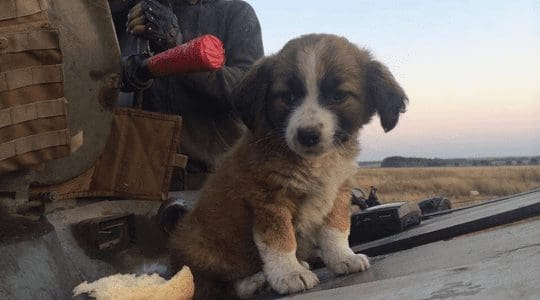
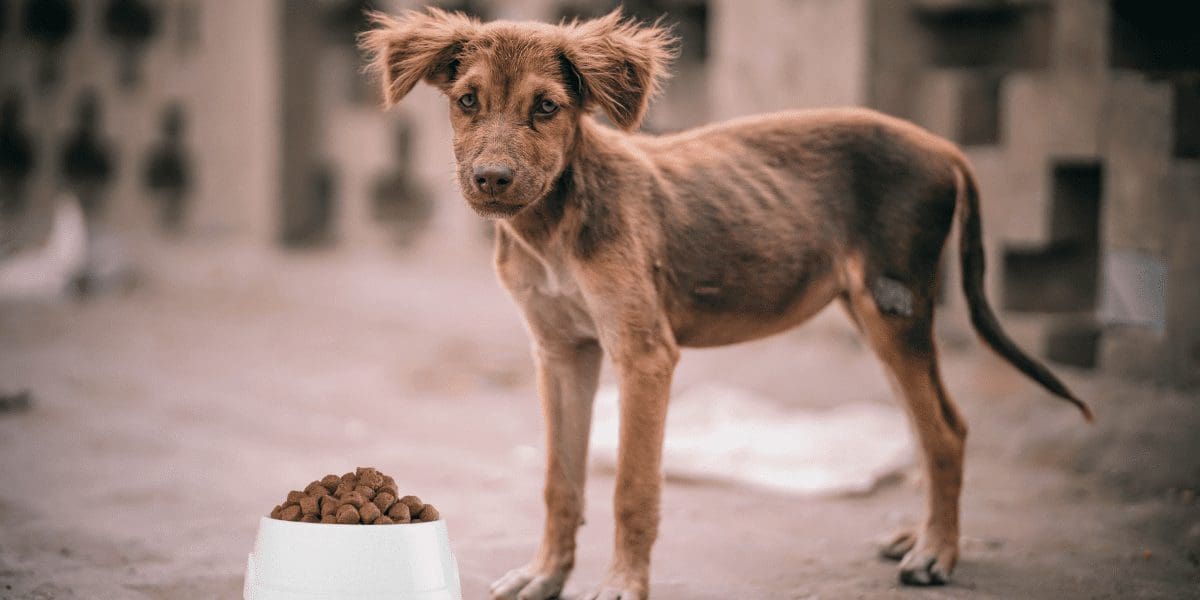
As dog rescuers, we encounter many traumatized dogs. Their suffering ranges from severe abuse and injuries caused by car accidents to being abandoned in distress by the roadside, kicked, malnourished, freezing in cold weather, lacking access to clean and safe drinking water, and more. And this only covers the physical aspects.
Psychologically, they are equally wounded. They may even carry lasting scars, making it difficult for them to be near men with blunt objects, children, loud noises like speeding cars, storms, or fireworks, as these can act as triggers.
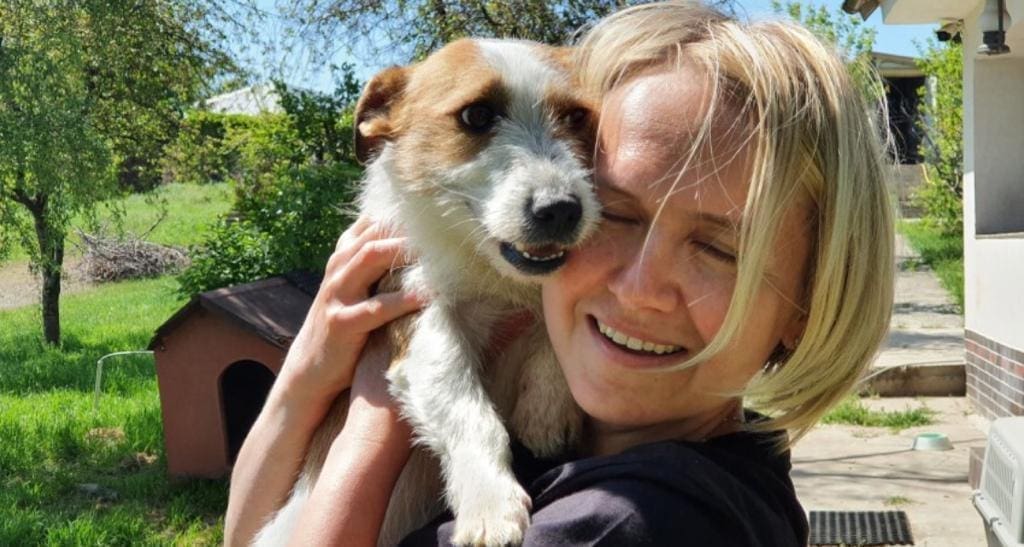
But one thing never fails to impress us, even bringing us to tears: their incredible resilience when given the genuine opportunity to find and stay in their forever homes and families. Abused dogs requiring care and rehabilitation can make an astonishing turnaround and become unrecognizable within a caring family, once they feel safe, loved, and appreciated. This always impresses us.
From rescue to rehabilitation
Some believe that the primary goal is just saving these animals and allowing them to live on the streets, but in fact, rehabilitation is more effective in transforming most of their lives.
Sure, there are times when street dogs have not faced serious abuse. Sometimes, people might have briefly cared for them without formal adoption or taking them into their homes. While not perfect, this is still better than nothing and provides a foundation—allowing the dog to trust a new owner more easily and reducing triggers.
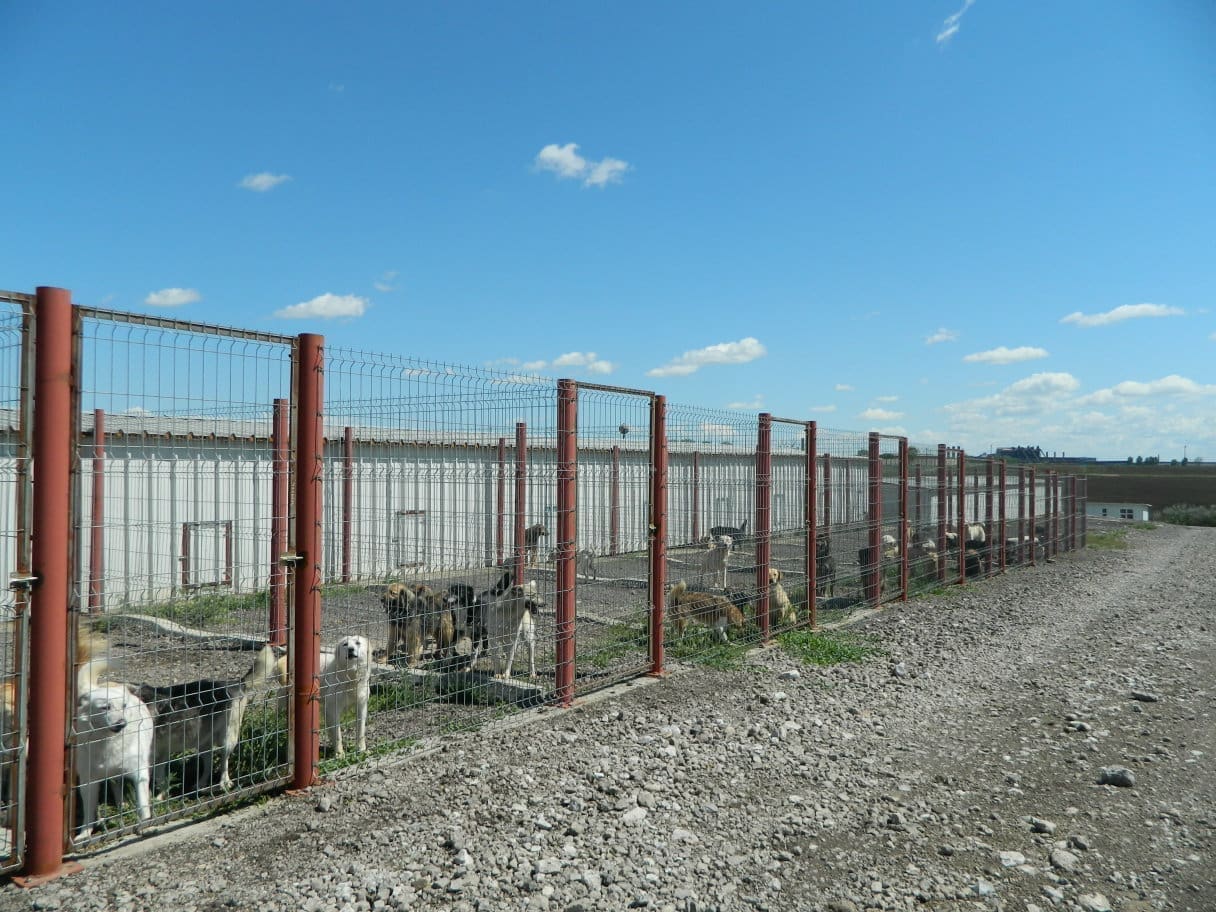
At ROLDA, we make sure that even these dogs receive some form of peace as part of their rehabilitation, primarily to prevent underlying conditions from surfacing when triggered by certain stimuli.
Once the dogs realize they are in our care and safe, they tend to become their best selves. While the very best version is usually reserved for their adoptive families, this environment helps their wonderful personalities shine through and facilitates their adoption.
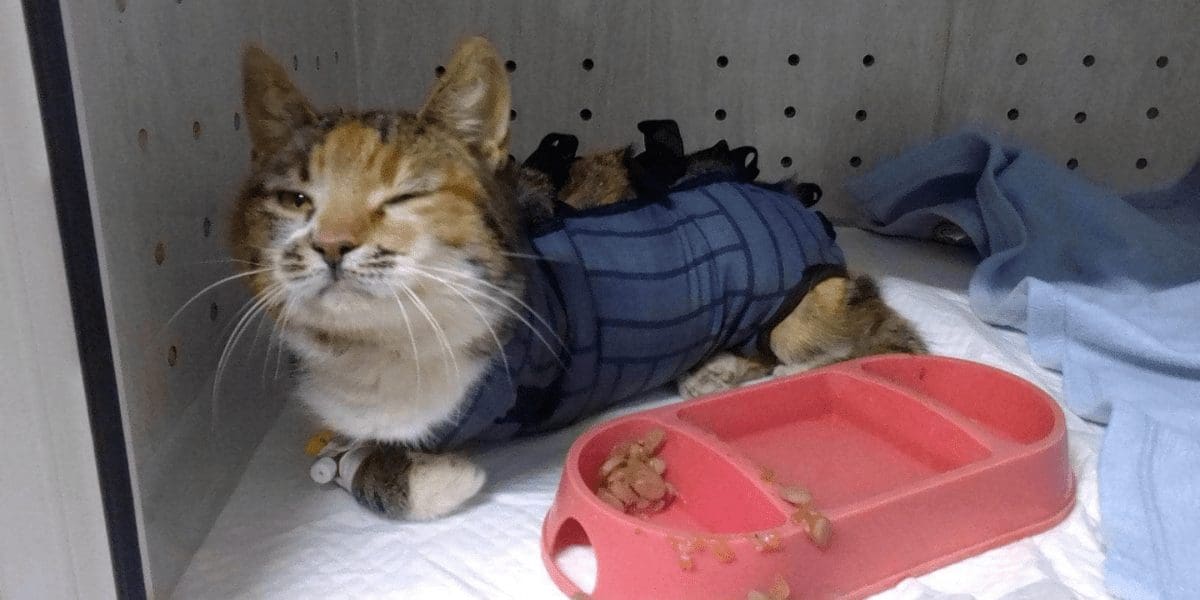
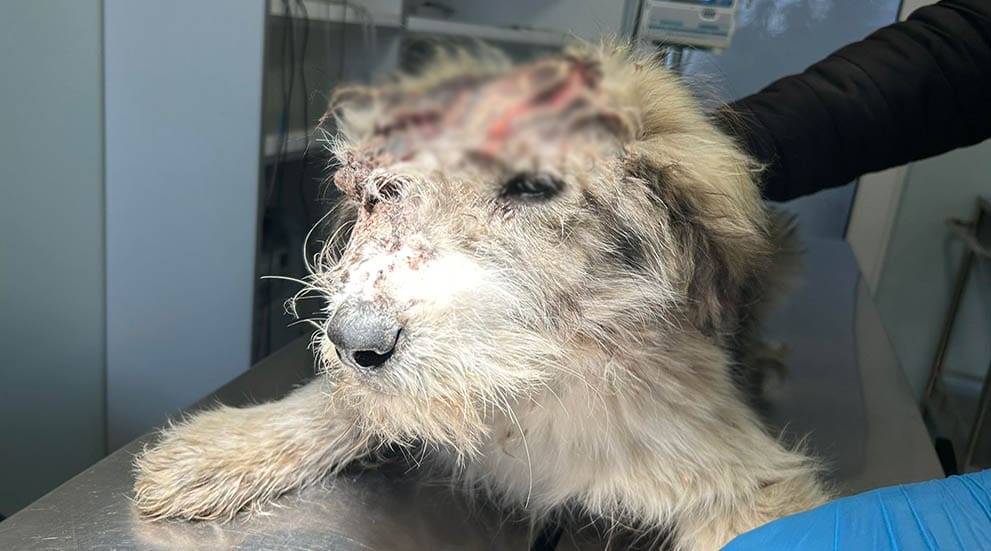
Some animals require more complex rehabilitation, often involving significant medical intervention. Whether recovering from abuse or car accidents, they may need extensive surgery. Such procedures are challenging for anyone, especially when confined in a clinic, immobilized and in pain while under constant medical supervision.
It is important to recognize that, although we believe the actions are in the dog’s best interest, the poor dog—whose only experience with humans has likely been on the streets—may not fully understand what is happening, especially given the circumstances that necessitated medical intervention.
Despite the medical team’s kindness and hard work, we are still talking about a vulnerable animal that has been operated on, medicated, and feels confused and frightened by its new environment and unfamiliar people. This experience could be a source of additional trauma.
Then, the psychological trauma of homelessness remains. It is difficult to understand and accept that among us, there are people willing and ready to cause pain at any moment. Not only enduring suffering but also being seen suffering and then discarded along with that pain, as if it does not matter.
Overcoming trauma
Animals experience feelings and emotions. While these may not be identical to human emotions—otherwise, it would be difficult to understand how animals could be gentler than rational humans—such feelings are evidently present.
It never ceases to amaze us how these creatures can find it in their hearts to love humans again, trust them, entrust their lives to them, patiently await our understanding, and recover from serious injuries. Despite past abandonment, harm, and discard, they still show resilience and enthusiasm for sharing a home with two-legged companions.
Based on our years of working with stray dogs, it seems they always cling to the hope of one day forming a meaningful bond with a human who will give them a home. This is truly inspiring.
Love without grudges
Yes, we do work with a couple of dogs who are so traumatized that they press so hard against the walls of their kennels that we might as well present them as furry wallpaper. But you would be surprised to see these same dogs make a 180-degree turn and become loving and trusting companions.
When the tables are turned, people attacked by dogs often develop an aversion to the species as a whole, sometimes lasting for life unless they actively work to overcome the trauma. Conversely, there are dogs that have endured severe suffering at the hands of humans, yet still trust them again with their lives and well-being.
Patience in healing
Healing takes time, and acceptance and trust are intricate journeys. We’ve observed dogs face these hurdles, motivated by the hope of joining a loving family someday. The real question is whether people are willing to be just as patient, waiting for an injured, traumatized animal to recover, feel at ease, and trust enough to become part of the family in their preferred way.
Fortunately, most people willing to care for such animals demonstrate great patience and love, and we will always honor their commitment to providing these deserving animals with a loving home.
Resilience
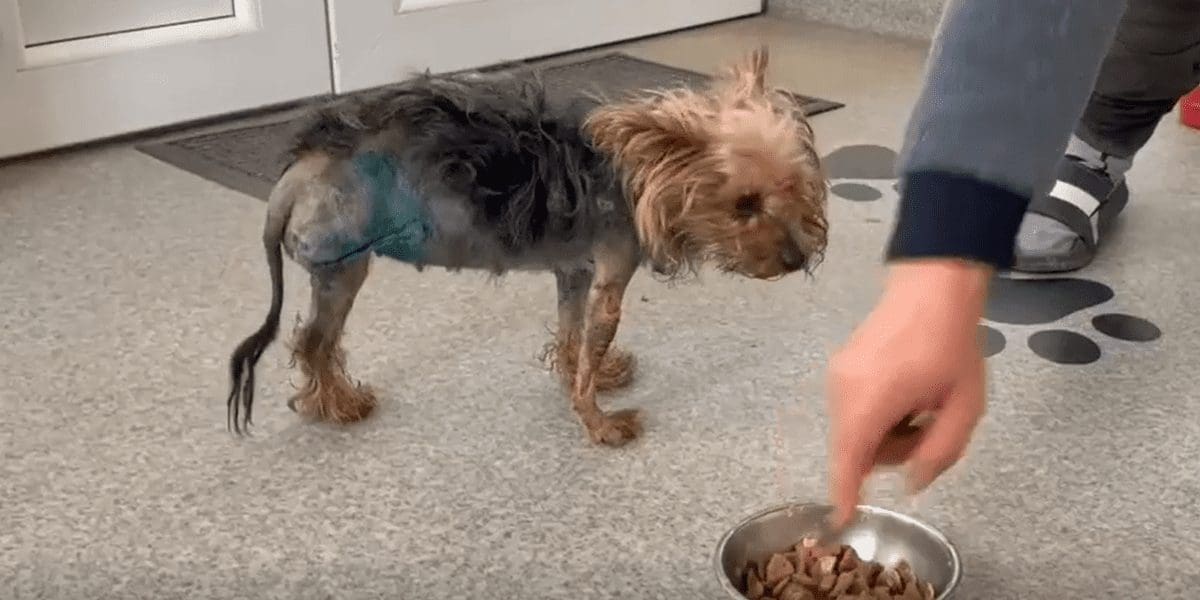
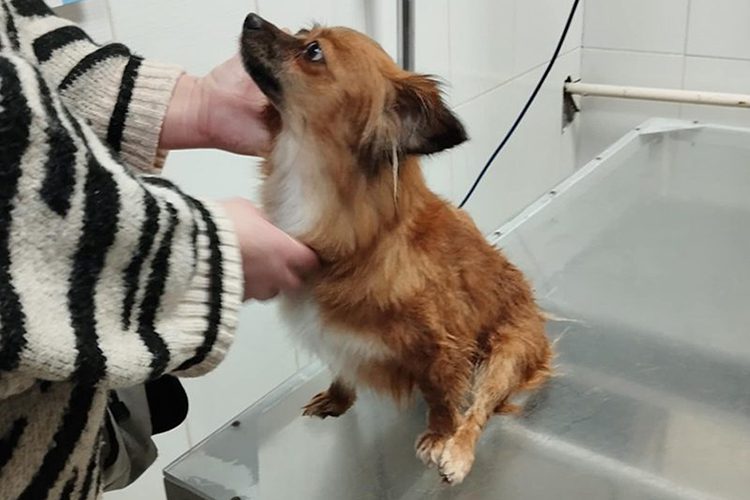
One of the most heartbreaking cases at ROLDA involved a small dog once celebrated for its pedigree, pampered, and adored. It was attacked by a larger dog, suffering injuries that made saving its back paws impossible. The situation was already tragic, but it became even more upsetting when the former owners refused to take the injured dog back, as it no longer fit their idea of a beloved companion. Our hearts broke together with that of our vulnerable patient.
This is a story of resilience; otherwise, it wouldn’t be included in this chapter. The small dog adapted to her new condition, demonstrating resilience and even more character than the people who abandoned her.
Was she depressed? Of course. Did she mourn her owners more than her injuries? Possibly. Did she overcome these hardships and live her best, most adapted life? If only you could see it!
Support the ROLDA Rescue Team and make every rescue possible!

Do you want to hear more news about our stories?
Related content
How Adoption Stories Inspire More People to Help Animals in Need
One of our favorite online trends is the posting of pictures with happy dogs and their new families, with those big ‘ADOPTED’ signs! And it’s hard not to share in the enthusiasm. The adoptive family took their time setting things up; they got the floof ready, bathed, brushed, and smelling like a million bucks. And ... What shelter dogs teach us about love, patience, and resilience
How Sponsoring a Shelter Dog Can Change a Life Before Adoption
Adopting a shelter dog is the most beautiful act of kindness people could ever do in their lives. It is a gesture in which they take in a soul that was once abandoned and give it a home and a purpose. And then, they get to watch it thrive, and their lives grow richer and ... What shelter dogs teach us about love, patience, and resilience
Supporting Rescue Dogs Through Donations When Adoption Is Not an Option
And as the rescue van took the suffering dog away, the people in town sighed with relief, thinking the poor soul was now safe and off to live a better life. The End Cute, but wrong! As an organization dedicated to bettering the lives of dogs and animals in general, ROLDA’s mission is to get ... What shelter dogs teach us about love, patience, and resilience
Why Regular Donations Are Essential for Keeping Rescue Shelters Running
What do you think is the most expensive part of running a dog shelter? Some people might think it’s the dramatic animal rescue missions. Others might say it’s the complicated medical procedures needed to put the poor animals back together or even the latest recovery and rehabilitation therapies. Both groups are wrong. The most expensive ... What shelter dogs teach us about love, patience, and resilience
The Life-Changing Impact of Dog Adoption on Both Pets and Their New Families
Who benefits more from a shelter adoption? The dog that has just received a chance at the perfect life in a loving home with a caring family? Or the family that has just become whole with the addition of the cutest, most loyal, and most lovable member? Both sides will. It’s a win-win type of ... What shelter dogs teach us about love, patience, and resilience