non-US support +44 (0)161 531 8801





















What It Really Takes to Care for Hundreds of Rescue Dogs Every Year
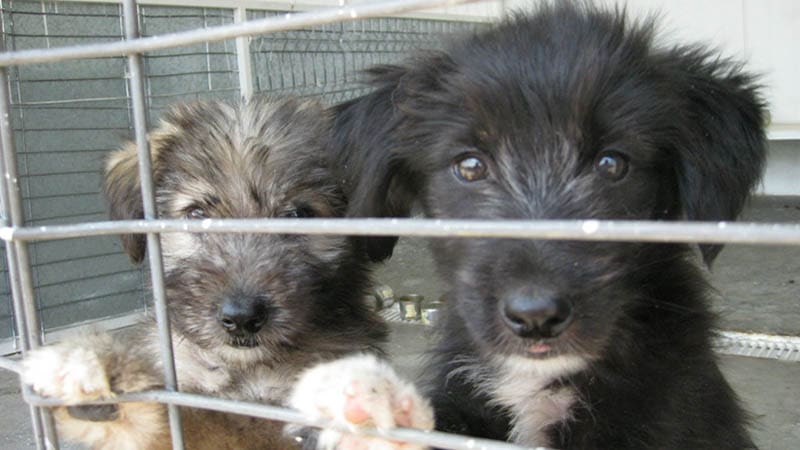
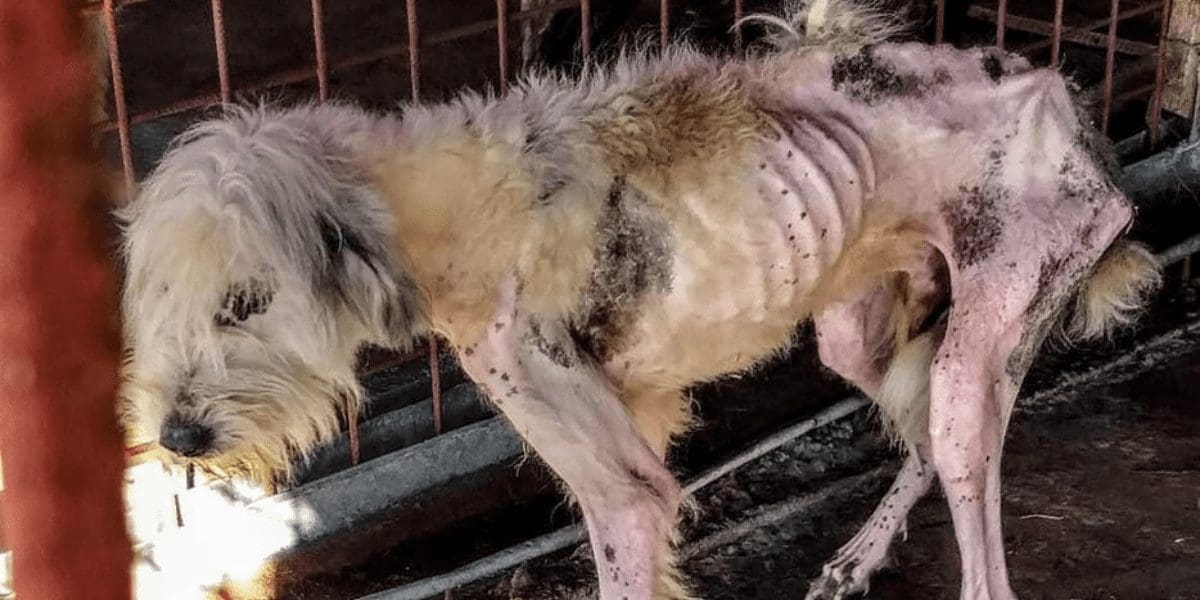
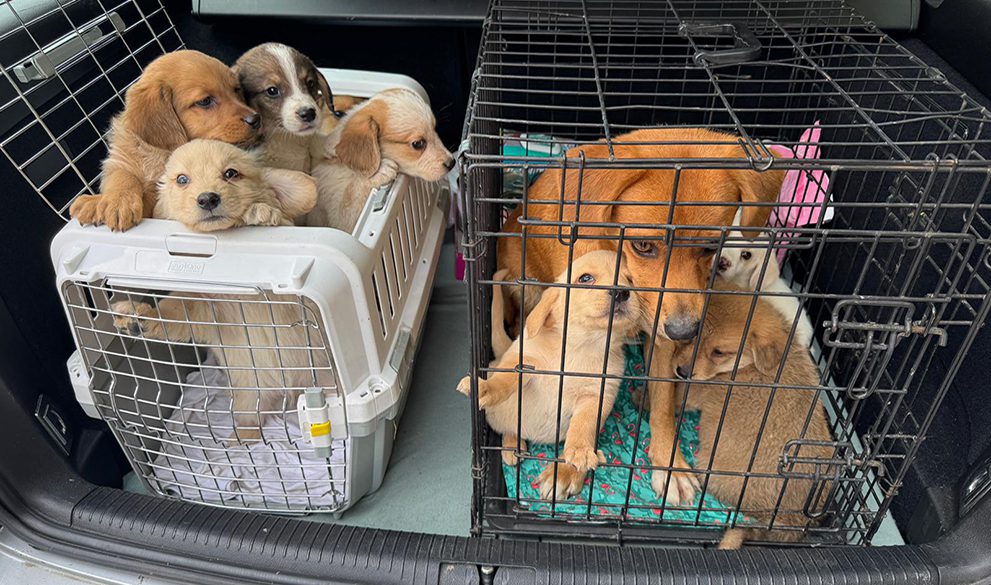
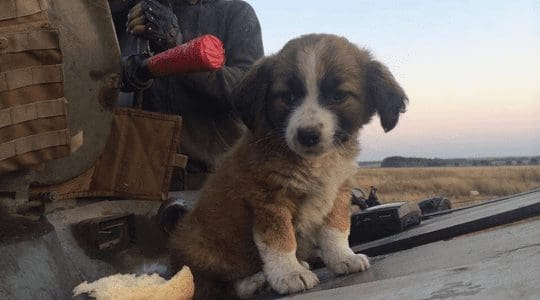
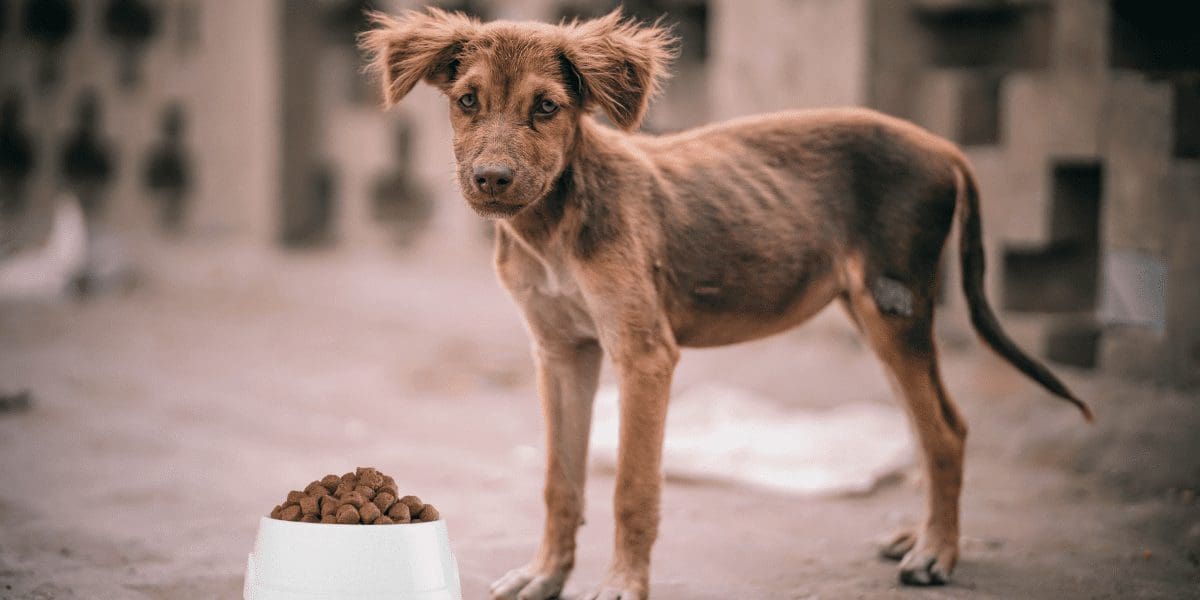
What Rescuing a dog often means making an emotional call after seeing one in distress. People hope those who answer will come quickly to take the dog to safety.
And it really is an emotional moment. We are fully aware that some people have tried to save animals in the past only to be met with indifference or a lack of support from organizations that are otherwise meant to help. Therefore, we expect that having gone through this experience in the past would leave people less willing to step in and help an animal in distress.
Therefore, callers should know that we will always respond and gear up to take care of the suffering dog they have found.
But what happens after the dog is rescued? What is there that keeps others from intervening every time?
The Care of Dogs in Our Shelter
Every caller likely understands that rescuing a dog from the side of the road makes them responsible for the animal. Removing it from an unsafe location is only the initial part of a much longer process.
This is often what prevents other organizations from intervening—if they are at capacity without space for more animals, lack the funds to care for additional animals, or don’t have the staff and transportation for pickups. Some organizations rely on volunteers who donate their time when possible but are not always available on demand.
These are all things we do differently at ROLDA because we have directed all our efforts into doing so. Here is a breakdown of what dogs need once they are in our care.
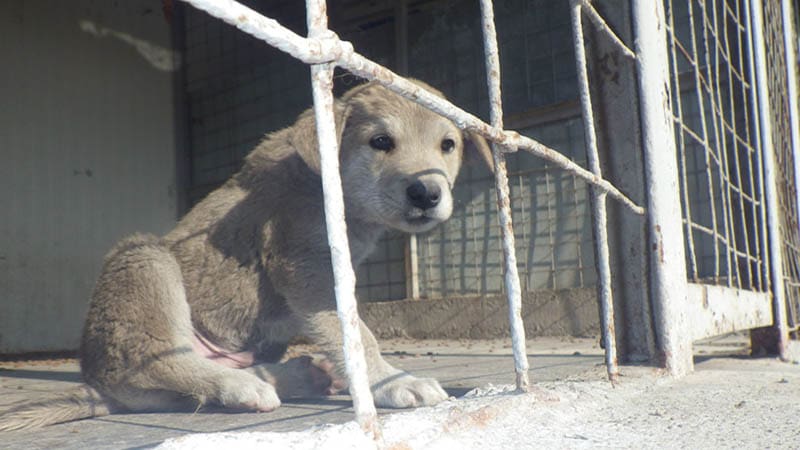
The Daily Needs of Our Shelter Dogs
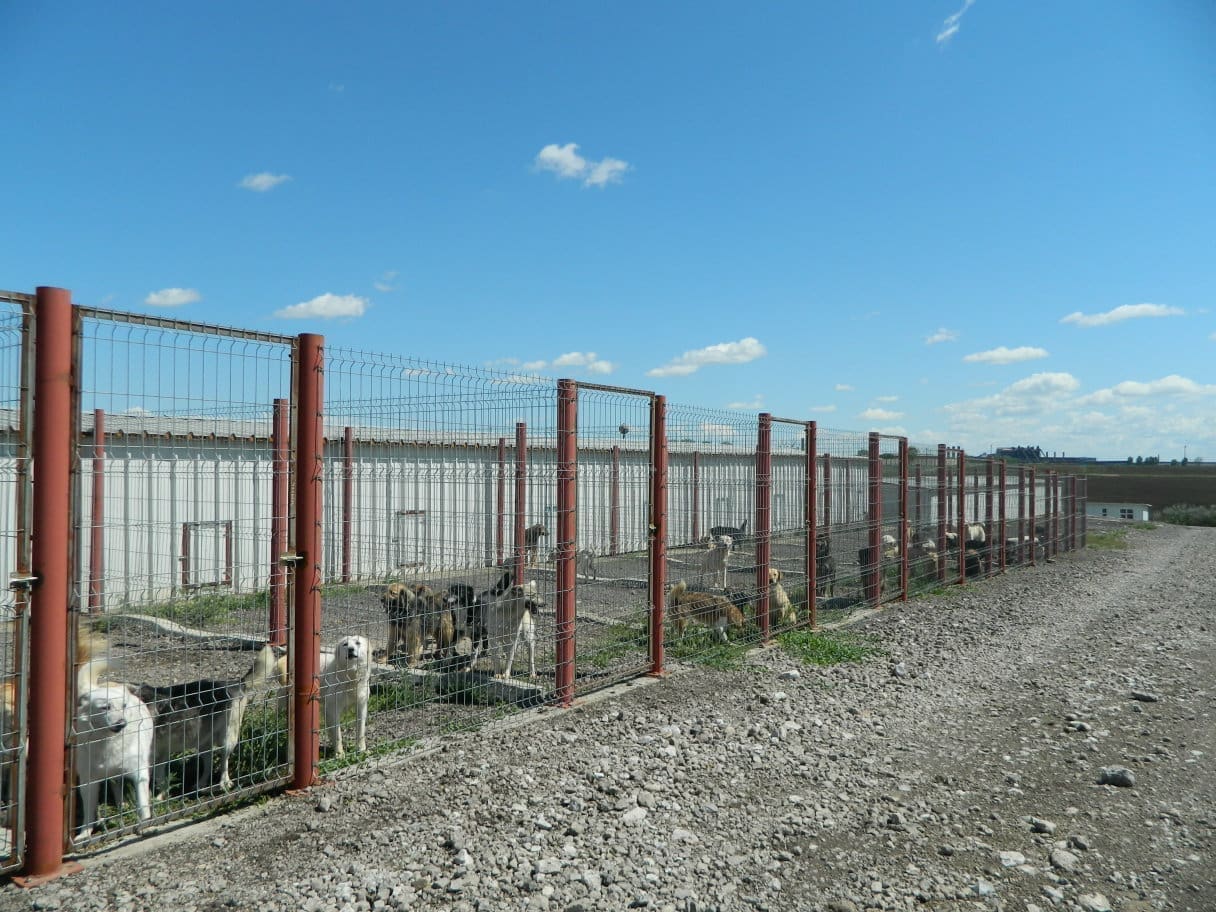
Every dog we rescue becomes our responsibility until they find a home or pass away. Multiply this by 700, and it shows the immense daily workload. Unlike typical volunteer tasks, caring for a living creature requires ongoing, dedicated attention.
Here are just some of the regular, daily tasks our permanent staff handles:
– providing two meals a day for up to 700 dogs
– considering the dietary needs of dogs with medical conditions or those recovering from medical procedures
– making sure all dogs have access to fresh water in clean bowls several times a day
– keeping the kennels clean
– checking in on residents who need special attention and under medical supervision
– monitoring how dogs awaiting adoption behave
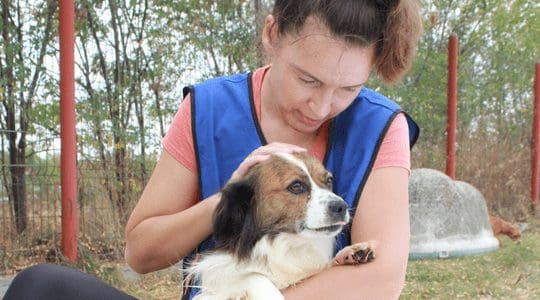
– walking the healthy dogs at least once daily and assisting with their socialization
– starting the rehabilitation process for those in need and monitoring each dog’s specific requirements
These tasks apply to most of our residents. Additionally, the same individuals must consider the particular needs of some dogs—whether they are very young or very old, hyperactive or lethargic, refusing to eat, or facing weight problems.
Caring for 700 dogs is a full-time commitment, but achieving the best results is what distinguishes their past lives from their ideal future, which we can help make a reality.
Consistency is the key to the success of each case.
Medical Care
There are a few instances in which dogs end up in our care and do not need any medical care. Many dogs arrive after traumatic accidents that leave them severely injured and in need of life-saving surgery, while others suffer from illnesses requiring medication and ongoing veterinary supervision.
Apart from that, even healthy dogs need veterinary care to remain healthy. Just like regular pets, they need to be seen by a vet who will assess their situation and tell us whether there is anything we should be doing. The only difference is that we have to do this for over 700 animals at once.
These medical services include vaccinations, parasite control, managing chronic conditions, and making sure the dogs are thriving.
Specific medical care includes surgeries, wound care, medication schedules, and occasional emergency veterinary visits. Some dogs have quick, clean recoveries; others need weeks or months to get better, while some need permanent care.
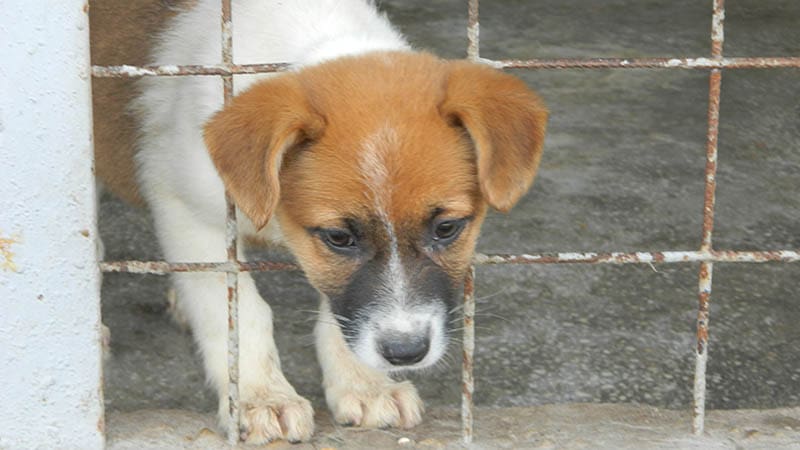
Emotional Rehabilitation
Before rescue dogs have a real chance at adoption, they need to undergo rehabilitation. This ensures that they will be safe and reliable companions for their future families, and it is an important step for almost all our adoptable residents.
Skipping this step could jeopardize the success of their adoption, as some people might find it too difficult to handle this part once the dog is already in their home.
Emotional rehabilitation implies helping the animal overcome trauma and specific fears. Most of the time, we have to guess what frightens them and how difficult the situation is. Mismanagement in this situation could lead to dogs whose behavior becomes problematic and adopters who do not have the tools and the skills to handle the problem.
Socialization is also important, as some dogs may have grown up afraid of other animals, and their best chance of adoption may come from people who already have other pets. In this case, being unfriendly might mean they lose their best chance of finding a home.
Animals that have been abused require time and patience to rebuild trust in humans. The process is often more complex than it initially appears. Animals who have suffered intentional abuse need calmness, patience, and consistency from caregivers before they can be paired with a family.
Apart from the severely injured dogs and the ones with incurable illnesses, the ones that struggle in this part of the rehabilitation have the lowest chances of ever finding a forever home.
Proper rehabilitation builds trust and helps create healthy routines. Once they know what to expect from life with a loving owner, dogs will be more open and trusting. The process involves both body and mind.
Invisible Administrative Work
People who already have pets know this best. Even when things are great, it’s never just sunshine and rainbows. Everything you do to keep your dog happy and healthy requires thinking ahead and, most of all, consistency. You need to be prepared to feed your dog twice a day, provide a stable home environment, keep medical appointments, plan playdates, and make sure the dog is friendly and sociable. You also need to keep all paperwork straight and make special arrangements when you need to travel or spend the night away from home.
Running a shelter with over 700 dogs is similarly challenging. The logistics are complex and demand considerable time and resources. You need to manage food storage, waste disposal, keep an accurate inventory of cleaning supplies, donation records, adoption documentation, and coordinate volunteers.
There is little glamour in any of these, but everyone is essential.
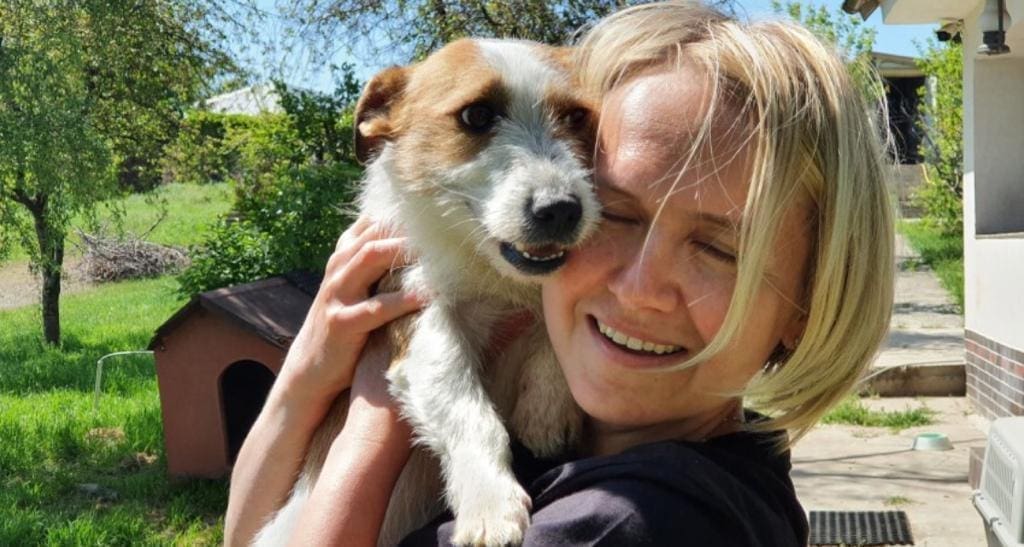
Each rescue is a promise. Not just the promise of being taken off the streets today, but that each dog’s life will become better in every way.
Do you want to hear more news about our stories?
Related content
Why Is My Dog Drinking So Much Water? When Thirst Becomes a Warning Sign
‘Didn’t I just fill your water bowl?’ This is how it starts: you notice your dog’s water bowl is often empty. Like any responsible dog owner, you start to wonder whether your dog is drinking more water than usual and whether this should concern you. Before jumping to conclusions, know that there are many reasons ... What It Really Takes to Care for Hundreds of Rescue Dogs Every Year
Why Legacy Donations Can Create a Brighter Future for Shelter Dogs
Every donation we receive is an act of compassion toward our dogs. We are grateful for each one and for every person who wants to help us change the story for thousands of dogs. And if donating makes you feel happy for having contributed and become part of the story, know that there is a ... What It Really Takes to Care for Hundreds of Rescue Dogs Every Year
How Adoption Stories Inspire More People to Help Animals in Need
One of our favorite online trends is the posting of pictures with happy dogs and their new families, with those big ‘ADOPTED’ signs! And it’s hard not to share in the enthusiasm. The adoptive family took their time setting things up; they got the floof ready, bathed, brushed, and smelling like a million bucks. And ... What It Really Takes to Care for Hundreds of Rescue Dogs Every Year
How Sponsoring a Shelter Dog Can Change a Life Before Adoption
Adopting a shelter dog is the most beautiful act of kindness people could ever do in their lives. It is a gesture in which they take in a soul that was once abandoned and give it a home and a purpose. And then, they get to watch it thrive, and their lives grow richer and ... What It Really Takes to Care for Hundreds of Rescue Dogs Every Year
Supporting Rescue Dogs Through Donations When Adoption Is Not an Option
And as the rescue van took the suffering dog away, the people in town sighed with relief, thinking the poor soul was now safe and off to live a better life. The End Cute, but wrong! As an organization dedicated to bettering the lives of dogs and animals in general, ROLDA’s mission is to get ... What It Really Takes to Care for Hundreds of Rescue Dogs Every Year