non-US support +44 (0)161 531 8801






























Unveiling the Human-Animal Health Connection with Dr. Aysha Akhtar
This article contains several key highlights of the interview. For the full interview, watch the entire podcast!
Exploring the Journey
Dr. Akhtar’s journey into the intersection of human health and animal welfare is a compelling narrative of compassion, science, and advocacy. Originally trained as a neurologist, Dr. Akhtar expanded her expertise to public health, recognizing early in her career the significant impact of animal welfare on human health. Her path was shaped by a keen awareness of the cruel treatment of animals in factory farms and laboratories, and the realization that such treatment also adversely affects human health.
She recounts a pivotal experience that cemented her commitment to this cause: witnessing a distressing experiment on a cat during a neuroscience conference. This moment underscored the ethical dilemmas and scientific shortcomings of animal testing, solidifying her resolve to advocate for better, more humane research methods. She highlights how factory farms contribute to the spread of infectious diseases and how animal testing, aside from being inhumane, often fails to provide reliable results for human health research. This awareness led her to found the Center for Contemporary Sciences, aiming to replace animal testing with advanced, human-relevant methods.
A Pivotal Moment
Dr. Akhtar’s career has been marked by several significant moments, but perhaps none more impactful than her realization of the deep flaws within the current system of animal testing. She discusses how the conventional methods often fall short, failing to accurately predict human responses to drugs and treatments. This not only leads to ineffective medical interventions but also raises profound ethical concerns about the suffering inflicted on animals.
One of the critical turning points in her career was during a conference where she witnessed an experiment on a cat. The sight of the animal’s suffering deeply moved her and highlighted the urgent need for change. Dr. Akhtar emphasizes that the ethical treatment of animals is not just a moral imperative but also a scientific necessity. The inaccuracy of animal testing means that many promising treatments for humans are never realized, while many others fail in human trials despite appearing successful in animals. This inefficiency in the research process prompted her to seek alternative methods that are both humane and scientifically valid.
The Future of Animal Testing
In our conversation, Dr. Akhtar delves into the limitations of current animal testing practices. She points out that animals, despite their biological similarities to humans, often react differently to substances, leading to misleading results. This discrepancy has severe implications for medical research, potentially causing harm to humans when treatments fail or produce adverse effects not observed in animal trials.
Dr. Akhtar advocates for a shift towards using human biology-based methods. Technologies such as organs-on-chips and advanced tissue models offer more reliable and ethical alternatives to animal testing. These methods can simulate human organs’ functions and responses more accurately, providing better data for researchers. For example, organs-on-chips can mimic the complexities of human physiology, offering insights that are not possible through traditional animal testing. Advanced imaging techniques and computational models also allow for detailed analysis of biological processes without involving animals.
This transition is crucial for advancing medical research and ensuring that treatments are safe and effective for humans. Dr. Akhtar’s work at the Center for Contemporary Sciences focuses on promoting these innovative methods. By prioritizing humane and accurate scientific practices, the center aims to revolutionize how research is conducted, ultimately benefiting both human and animal health.
The Power of Positive Messaging
Throughout our discussion, Dr. Akhtar emphasizes the importance of positive messaging in advocacy. Changing deeply ingrained practices requires more than just presenting facts; it requires inspiring change through hopeful and constructive narratives. Highlighting the benefits of a compassionate relationship with animals and showcasing advancements in humane research methods can inspire change and foster a culture of empathy and respect for all living beings.
She shares how stories of successful humane research can captivate and motivate people far more effectively than negative or confrontational approaches. By celebrating the achievements of ethical science, we can shift public perception and encourage broader acceptance and implementation of humane methods. Dr. Akhtar also stresses the importance of education in this process. Informing both the public and healthcare professionals about the connection between human health and animal welfare is essential for driving systemic change.
Call to Action
Dr. Akhtar urges listeners to stand up for their beliefs and take action to shape a kinder world. Whether through writing to media outlets, supporting legislation, or simply practicing what they preach, individuals have the power to drive significant change. She emphasizes that creating a compassionate world requires collective effort and encourages everyone to be a part of this vital movement.
Practical steps include supporting organizations that advocate for humane research, educating others about the benefits of ethical science, and participating in public discussions about animal welfare and public health. Dr. Akhtar also highlights the importance of political engagement. Advocating for policies that support ethical research and animal welfare can lead to legislative changes that institutionalize humane practices.
Final Thoughts
Dr. Aysha Akhtar’s insights on the interconnectedness of human and animal health provide a compelling argument for ethical conservation and research practices. By prioritizing the well-being of animals, we can improve human health outcomes and create a more harmonious world. This episode of Paws & Reflect is a powerful reminder of the impact we can have when we choose compassion and empathy in our interactions with all living beings.
For those inspired by Dr. Akhtar’s message, there are numerous ways to get involved:
● Support the Center for Contemporary Sciences by donating or volunteering.
● Advocate for the use of human biology-based research methods in your local community.
● Educate yourself and others about the benefits of humane research practices.
● Participate in campaigns and initiatives that promote animal welfare and ethical science.
About the Guest Speaker
Aysha Akhtar, M.D., M.P.H., is the Co-founder and CEO of the Center for Contemporary Sciences, (CCS) which is pioneering the transition to replace the use of animals in experimentation with more effective human-relevant testing methods and reduce the risks of pandemics and other human health threats by tackling root causes. A military veteran, she is a double-board certified neurologist and preventive medicine specialist, with a background in public health. Previously she served as Deputy Director of the U.S. Army Traumatic Brain Injury Program. As a Commander in the U.S. Public Health Service Commissioned Corps, Dr. Akhtar is frequently deployed to assist with national public health emergencies.
For a decade, Aysha was a Medical Officer at the Food and Drug Administration, most recently in the Office of Counterterrorism and Emerging Threats, implementing vaccine effectiveness and safety studies and using her Top-Secret Security Clearance to develop national preparedness strategies for public health threats. An international speaker, her work has appeared in numerous articles in The Independent, LA Times, The Hill, and Salon. She has been interviewed for the New Yorker, New York Times, National Geographic, and WIRED, among others. Publications include the Cambridge Quarterly of Healthcare Ethics, Pediatrics, Journal of Public Health Policy, Lancet, and Reviews in the Neurosciences.
Aysha is a Fellow of the Oxford Centre for Animal Ethics. She is the author of the two books, Our Symphony With Animals. On Health, Empathy and Our Shared Destinies and Animals and Public Health, which argues for the need for health institutions to include animals as part of the “public” in public health. Aysha is a TEDx speaker.

About the Host
Alexander Taylor Clayton is the dedicated host of “Paws & Reflect,” a podcast that delves into the deep connections between humans and animals. With a background in anthropology and environmental sustainability, Alexander is passionate about animal welfare and advocating for a better world. Their commitment to making a positive impact shines through in each episode, as they bring insightful conversations with experts and activists to the forefront. Alexander’s goal is to inspire listeners to reflect on their relationship with animals and the natural world, fostering a culture of empathy and action.
ROLDA Information
ROLDA, the Romanian League in Defense of Animals, is a leading animal welfare organization dedicated to rescuing and protecting animals in Romania. Their mission is to provide immediate aid through rescue and rehabilitation while also implementing long-term solutions to prevent animal suffering. ROLDA’s initiatives include spay/neuter campaigns, building modern sanctuaries, and community education programs. By addressing the root causes of animal homelessness and neglect, ROLDA is creating a sustainable and compassionate future for animals and communities alike. To support ROLDA’s vital work, visit ROLDA’s website and consider donating at ROLDA’s donation page.

Subscribe to Paws & Reflect
to stay connected with our community of compassionate listeners and contribute to our ongoing conversation about the importance of safeguarding all living beings and the planet we share.
You can unsubscribe from our newsletter at any time. See Privacy Policy
Subscribe podcast Paws&Reflect
Related content
The Role of Veterinary Care in Helping Rescue Dogs Thrive
One of the most common misconceptions about animal rescue is that once an animal has been taken off the street, it is safe and the hardest part is over. The fact that some rescue missions are dramatic and demanding does a lot to contribute to this general opinion. However, many rescue dogs are injured, have ... Unveiling the Human-Animal Health Connection with Dr. Aysha Akhtar

Building a Better Future for Stray Dogs Through Rescue, Care, and Compassion
What separates ROLDA from the rest of the animal rescue organizations doing really good work for the stray dogs? The solid community of donors, sponsors, adopters, and volunteers who have rallied around us and who have taken on our mission. With such resources, we have managed to exit the survival mode most rescue organizations operate ... Unveiling the Human-Animal Health Connection with Dr. Aysha Akhtar

How Adopting a Rescue Dog Supports a Larger Mission of Animal Welfare
There are millions of ways in which people can say ‘We are in this together’ and just as many ways in which others can show they understood the assignment. When it comes to animal rescue, we are aware that our activity carries a heavy emotional load – both for the people directly involved and for ... Unveiling the Human-Animal Health Connection with Dr. Aysha Akhtar
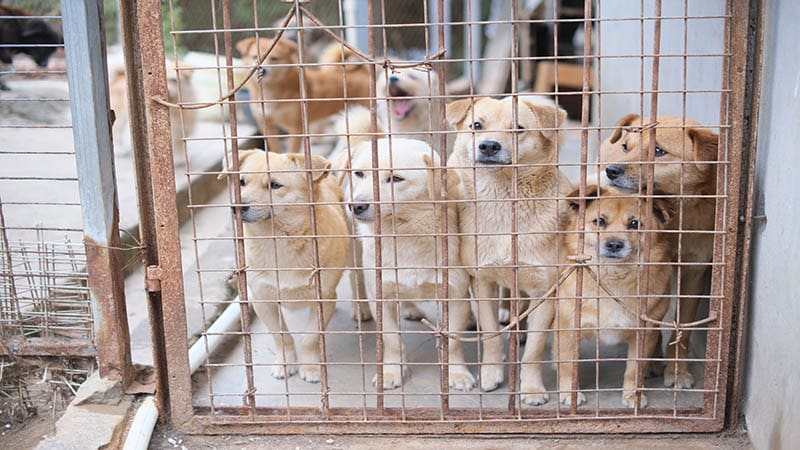
The Untold Stories of Dogs Waiting for Their Forever Homes
When ROLDA first started as a Romanian animal rescue organization, its mission was to save as many dogs as it could. In doing so, they also managed to change the perspective on what animal rescue truly was, and how it could be done to the best of people’s ability and toward the best possible outcome ... Unveiling the Human-Animal Health Connection with Dr. Aysha Akhtar

How Community Support Helps Rescue Organizations Save More Dogs Every Year
As a rescue organization that has managed to take thousands of dogs from dangerous living conditions, help heal and rehabilitate them, and find them homes with responsible owners, both in Romania and abroad, we can say the most important thing we have learned from our experience is this: we are only as strong as the ... Unveiling the Human-Animal Health Connection with Dr. Aysha Akhtar