non-US support +44 (0)161 531 8801















The Untold Stories of Dogs Waiting for Their Forever Homes
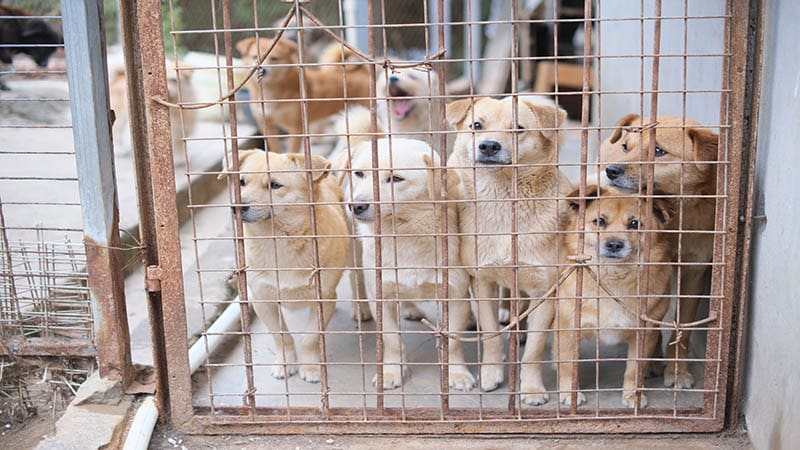
When ROLDA first started as a Romanian animal rescue organization, its mission was to save as many dogs as it could. In doing so, they also managed to change the perspective on what animal rescue truly was, and how it could be done to the best of people’s ability and toward the best possible outcome for the rescued animals.
Before long, people started talking about the great work being done and what it meant to animals and people alike. That was when a discrepancy became apparent. There was a huge difference in perception about what the purpose of this activity was.
Digging deeper into conversations with people in the community, ROLDA employees and volunteers noticed where the difference was coming from. And they learned to ask an important question:
‘A dog saved from the street’ or ‘A dog in its forever home’ – which do you think is the end goal for organizations such as ours?
Why Asking the Question Is Important
When people come together for a shared purpose, there is a sense of belonging which creates momentum. People want to do good things, to help animals, to be part of something bigger, and to build a better world. And doing it with others gives it a boost, like a vote of confidence we all give each other by choosing to be there.
The only thing about this is that, as with everything else, when you want to have good results, you need to plan, execute, and think ahead. When good intentions and resources become available, you cannot risk getting stuck riding the wave of excitement.
To us, that would be a missed opportunity to turn those things into higher numbers of dogs saved, but, most importantly, securely placed into successful adoptions.
So, yes! Asking this question is very important, because it addresses the other half of our activity, one people rarely see. And if our very community doesn’t think about that part, how could we continue to help our residents?
Rescues Are Visible and Dramatic
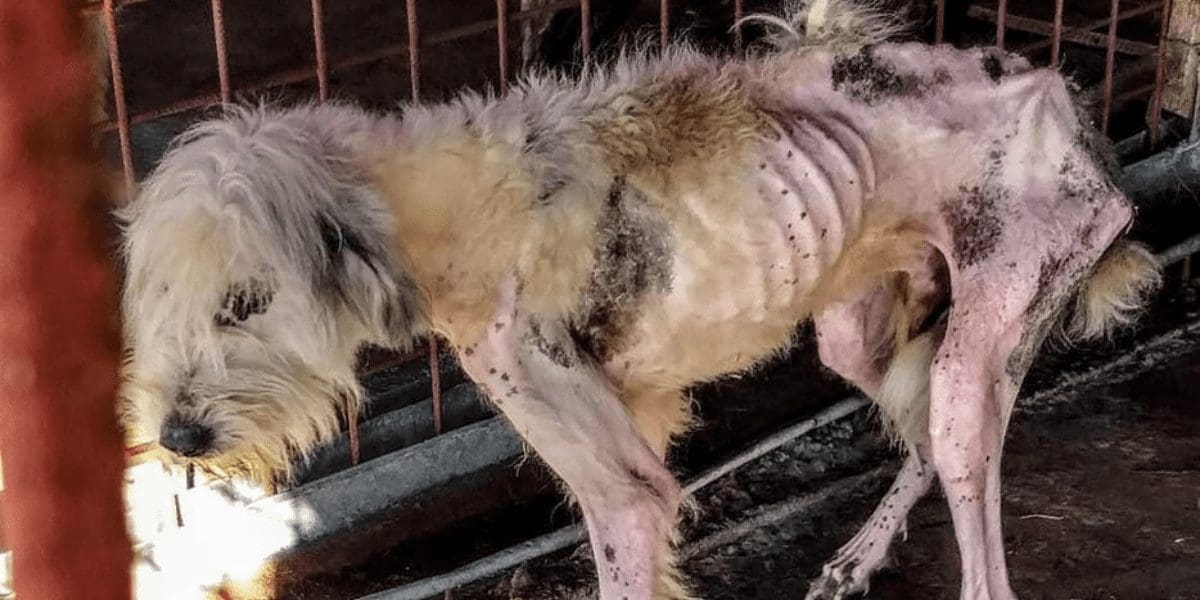
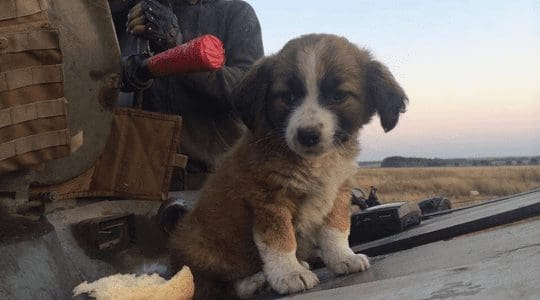
The rescue team is seen as the heroes of the story. And for good reason. It is not easy to pick up animals that are ill or injured, that could even be aggressive and scared, and that could act out of instinct. Their job is dangerous.
There is also a lot of emotional involvement from the public when they are the ones who call us to an intervention, which also makes this part of the work a lot more visible. Removing a suffering animal from a public space is also impactful for the community.
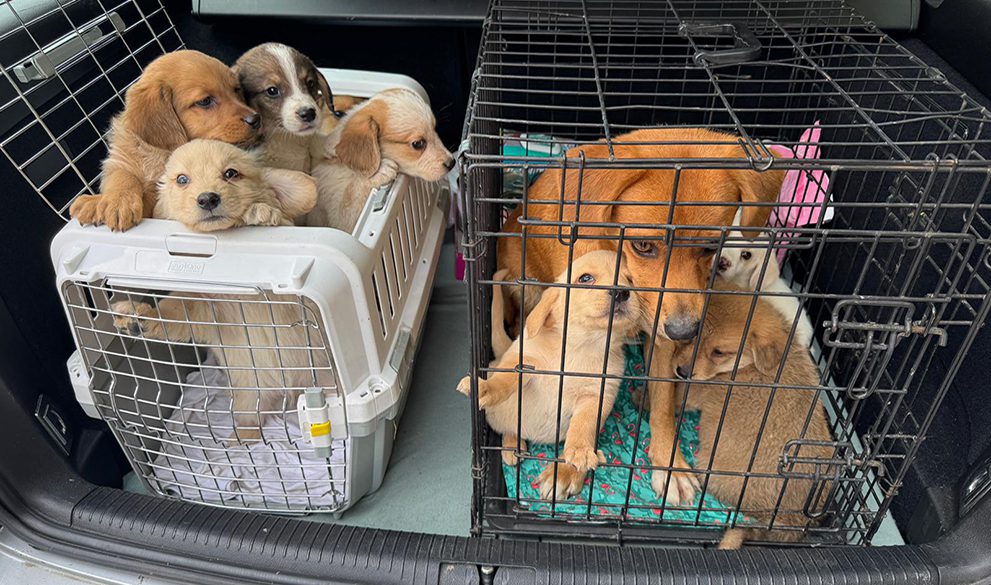
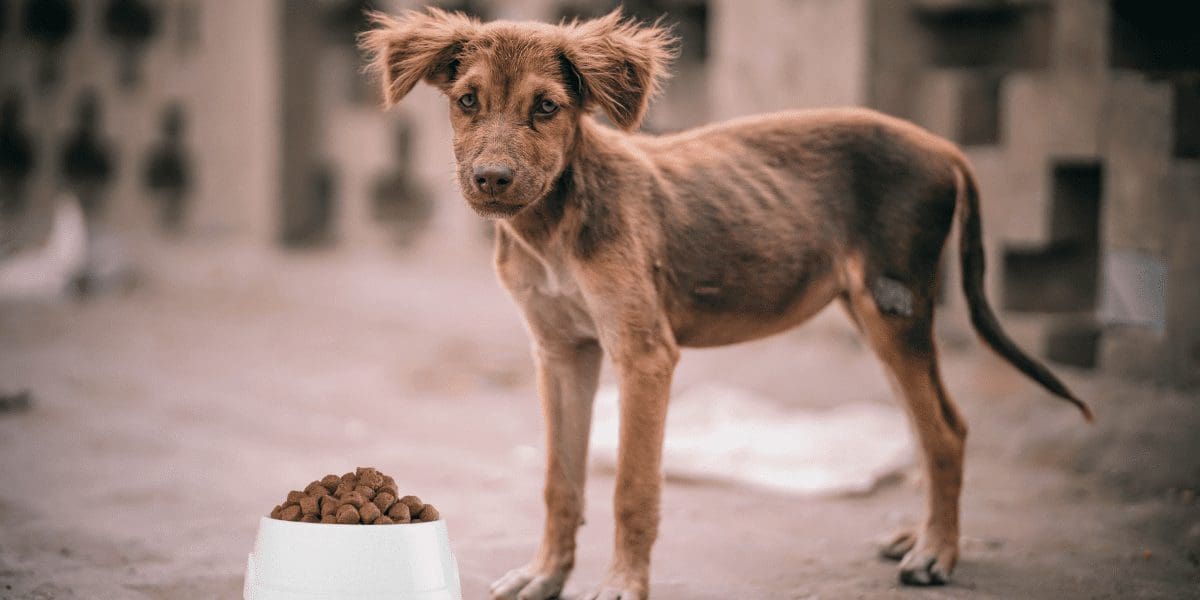
So, while they watch teary-eyed as our colleagues drive away with the rescued dog into the sunset, they probably think that everybody’s job is done. But that drive over to the shelter is nothing but the beginning of a very long journey of healing for our new resident.
Raising Funds for Difficult Surgeries and Treatments Is Heart-Breaking
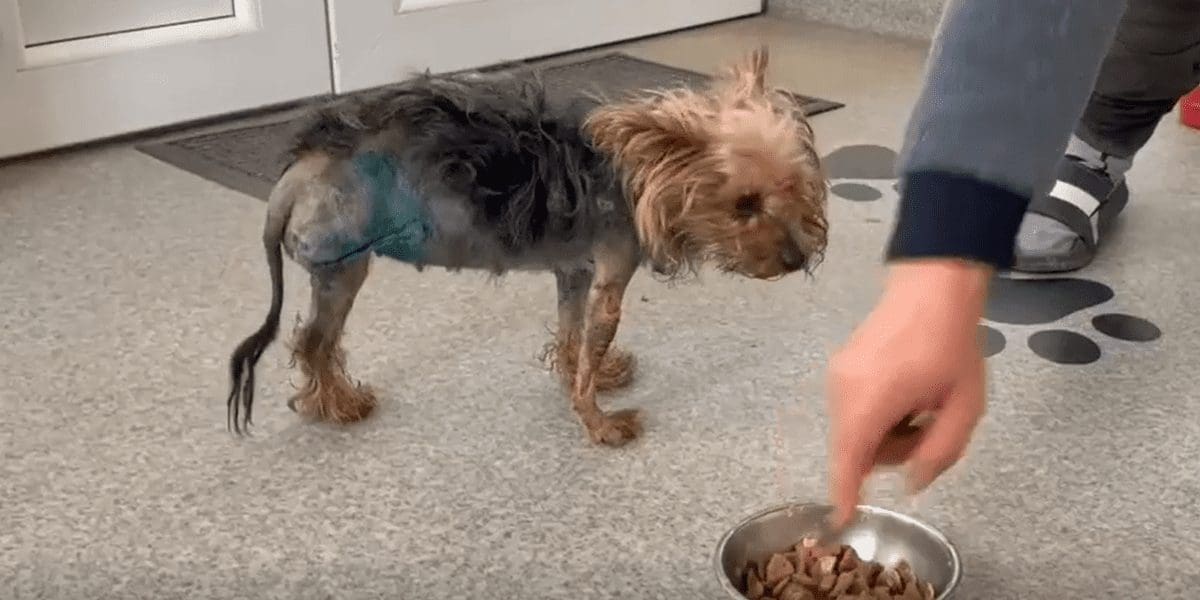
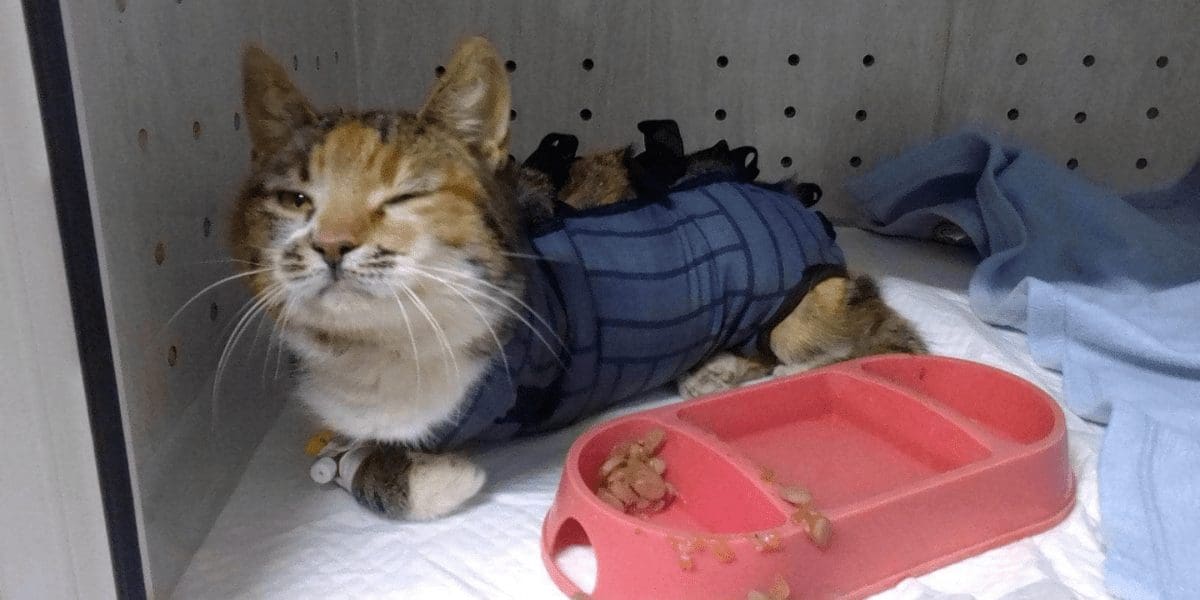
Once the dog is in our care, we make an assessment. Its needs could range from life-saving medical interventions and treatments to rehabilitation, or simply a steady diet and a safe environment; we offer all of the above.
When resources are thin and medical bills are high, we reach out to our community, which is quick to respond to our pleas in the name of each resident in distress.
This part of the process is not visible in itself, but we know how to make it visible to get the help we need. Therefore, people remain involved.
Adoptions Are Less of a Community Investment
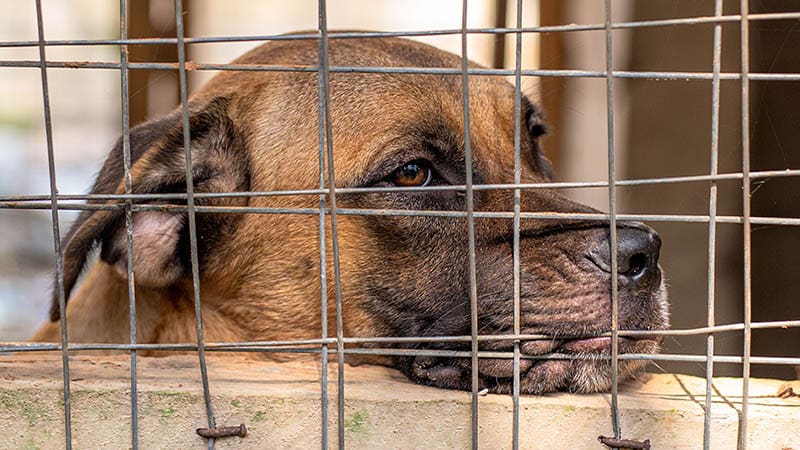
But what happens to these dogs once they are well enough? What happens when the animal has been saved, when the funds have been raised, and the crisis is over?
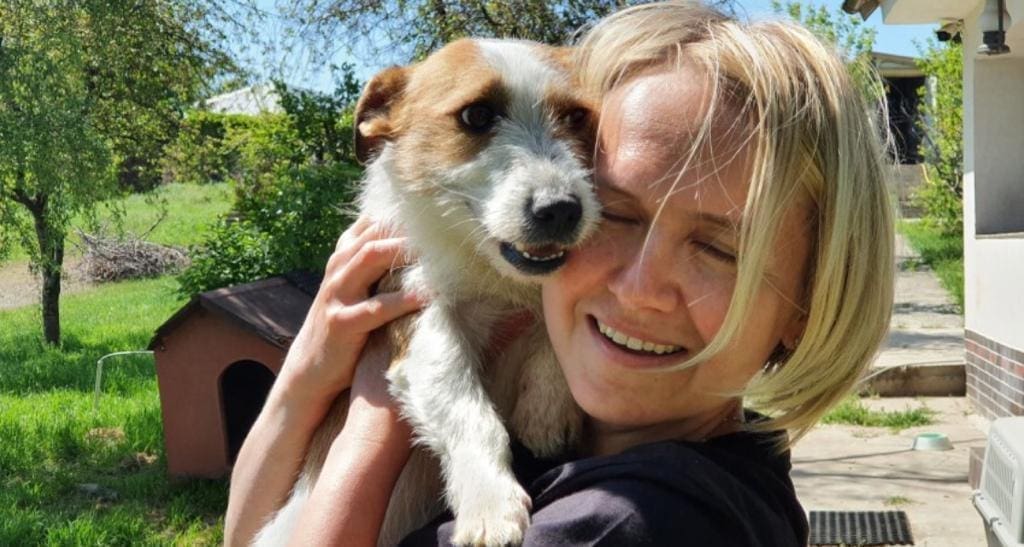
Then we have a lot of happy and healthy dogs who are looking for loving homes and responsible owners. And this is where the narrative shifts from what we do together, as a community, to what one person can do by coming forward and taking responsibility for another living being. This part is daunting, but this is the real deal.
What Happens to the Dogs That Are Still Waiting?
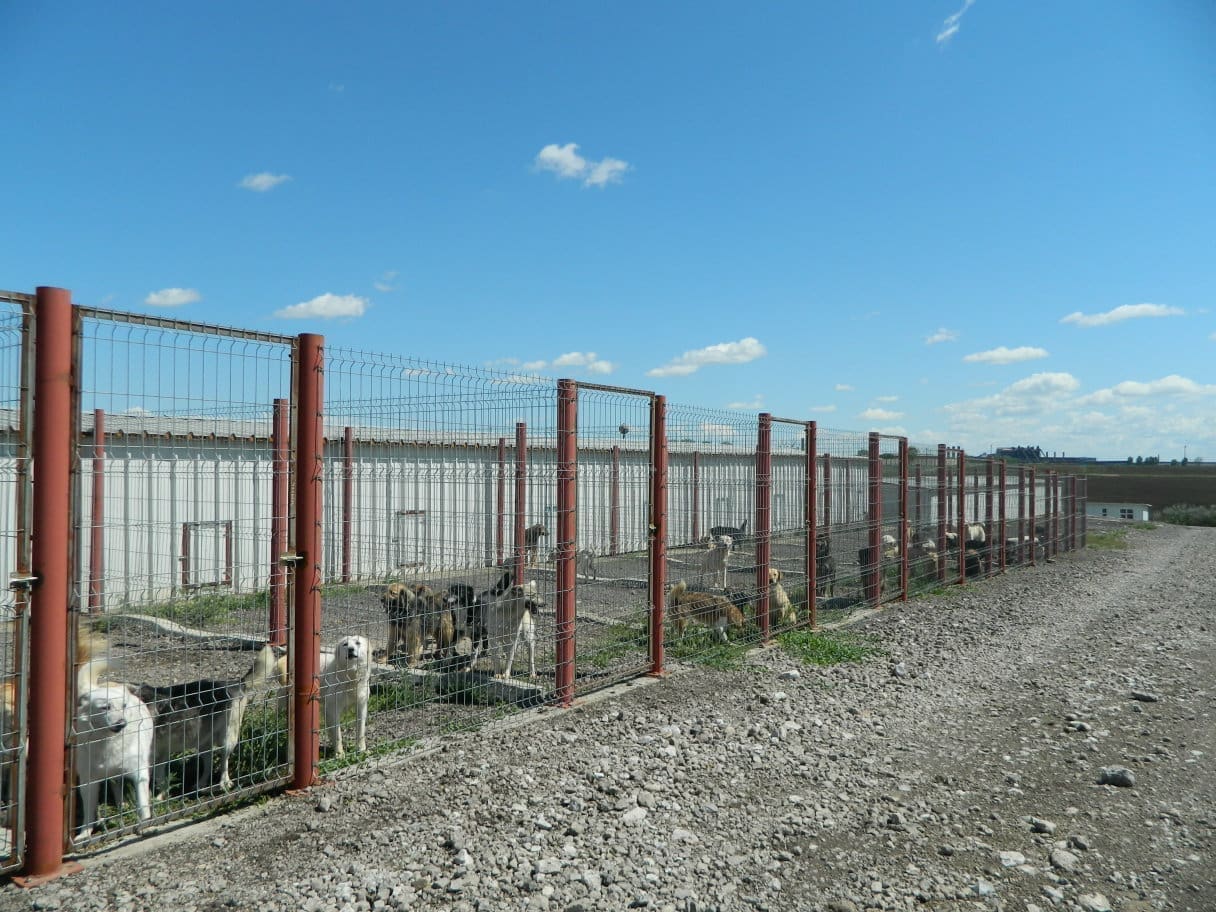
At ROLDA, we have pledged that dogs who come into our care will never, under any circumstance, end up back on the street. Because if we let that happen, for whatever reason, we would have failed that animal.
Our promise and our end goal are to make sure every animal we save is taken care of for the rest of its life. How do we do that?
Adoptions
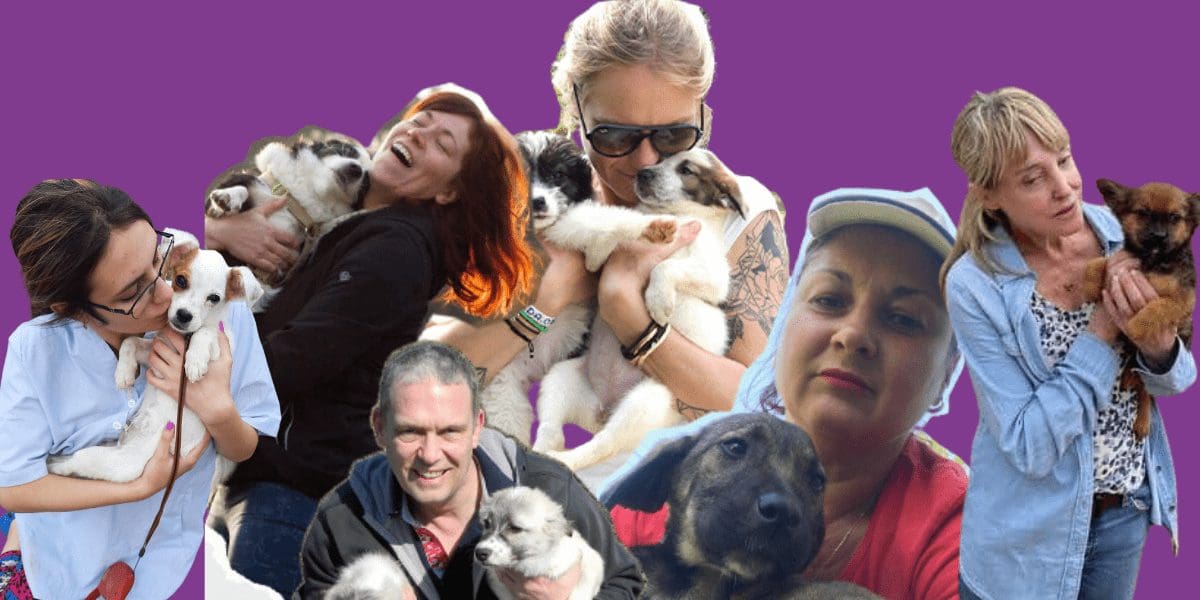
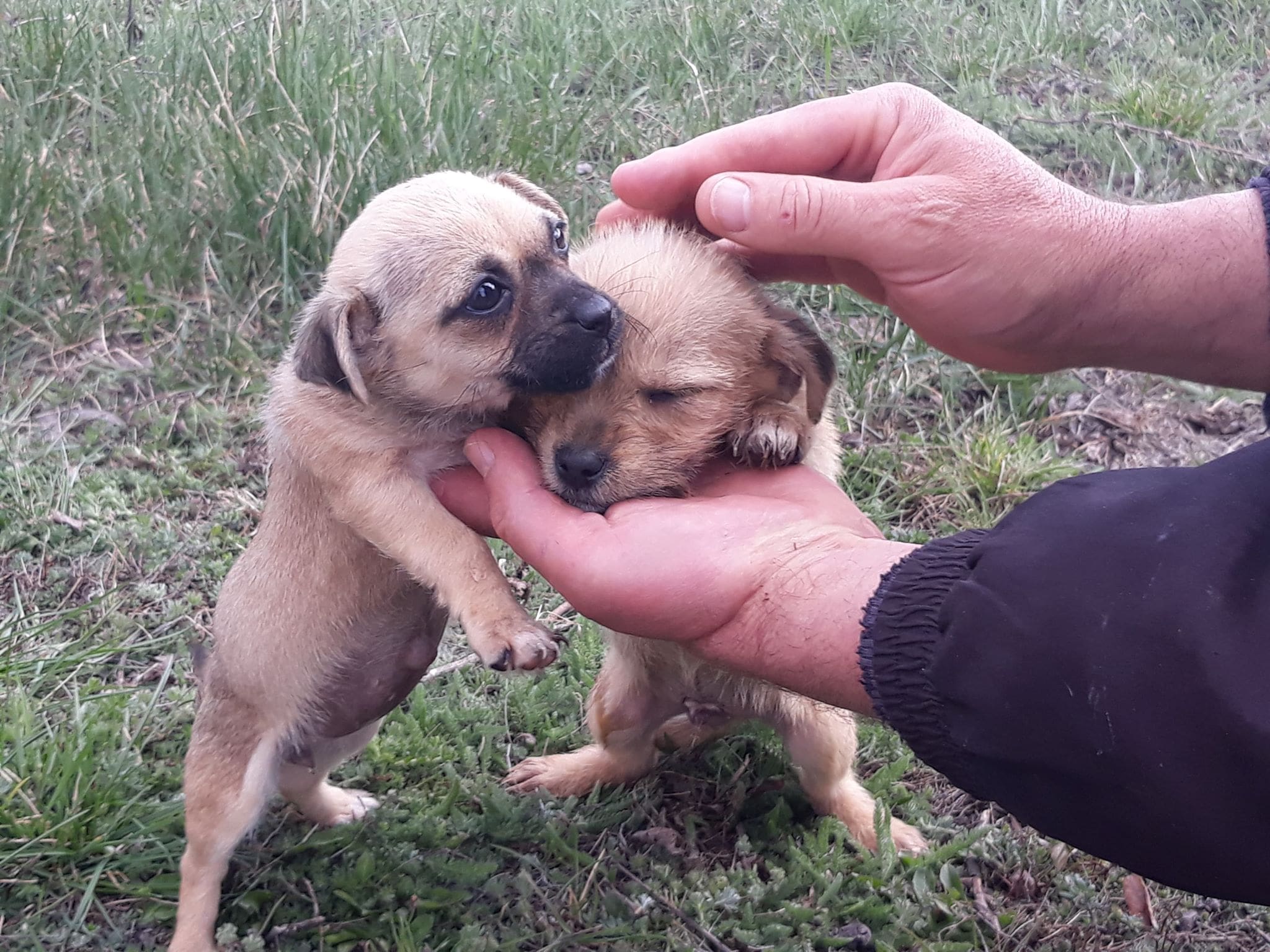
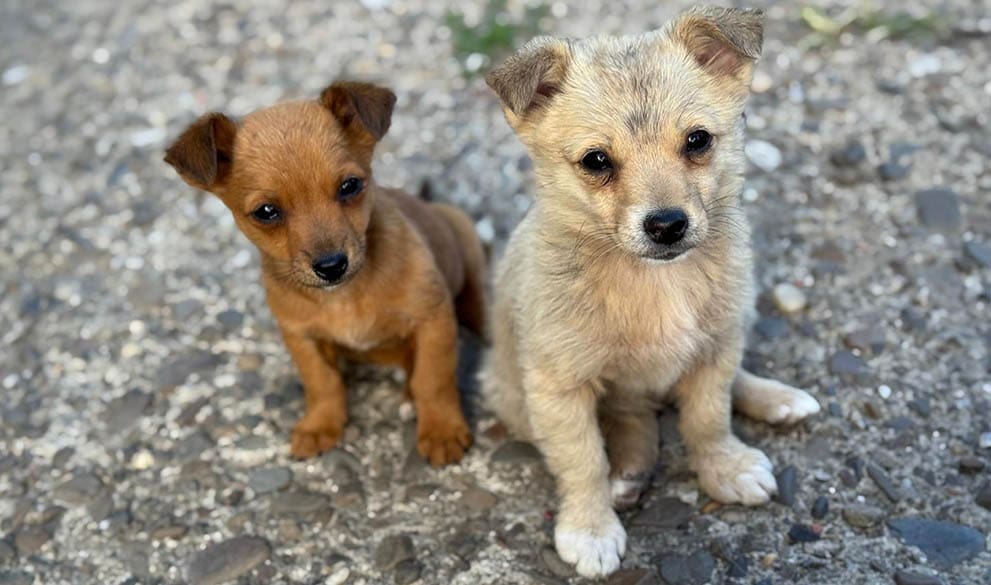
This is the best possible outcome for our dogs – to find their people, the ones who will connect with them and who cannot wait to build a new routine together with their new furry friend.
For this, we do photo shoots, promote each of our dogs, make sure that they are healthy and healed, and that they would be great companions. We also vet potential adopters to avoid the possibility of someone realizing that they cannot handle life with a dog only after the animal is in their care.
Long-Distance Adoptions
This is a good option for people who are not allowed to have pets where they live, but who still want to be involved with a little more than just through regular donations. With long-distance adoptions, people contribute specifically for the care of one dog, which helps us with its expenses for as long as it is in our care.
Another thing we love about long-distance adopters is that many of them keep in touch and often check in on their adopted dog. Even though they cannot share a home, a connection still exists and can be maintained if the person makes a minimal effort to visit the dog every now and then.
Permanent ROLDA Residence
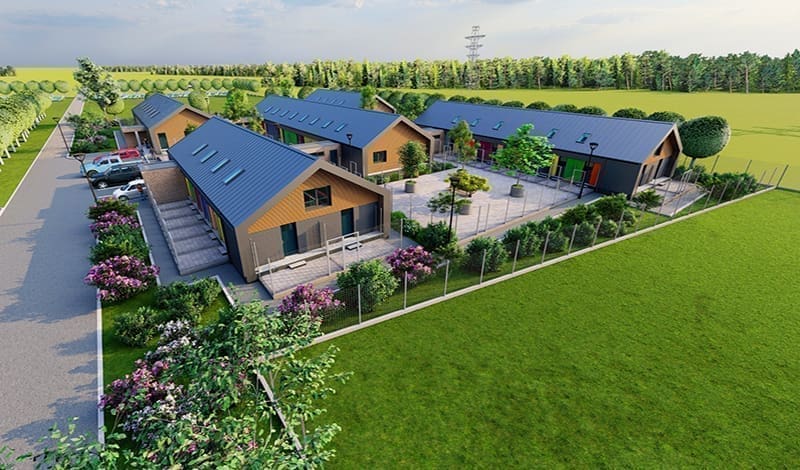
Being a no-kill shelter, we do not put an expiration date on the lives we save. We dislike this practice entirely because we know how long it realistically takes to get a dog adopted.
Shelters that practice euthanasia only to free up space and resources have a limited end goal, and that is very far off from the happiness of their rescues. How could you say you saved them, only to turn around and euthanize them if they don’t get magically adopted by a certain date?
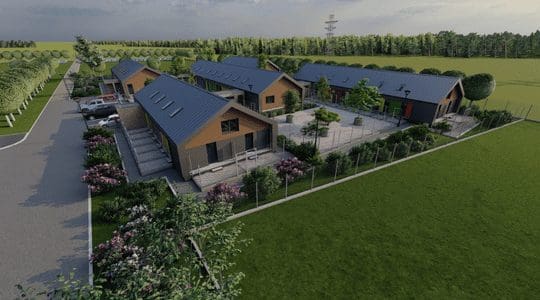
If a ROLDA dog never gets adopted, we will be its home for the rest of its days.
When we saved it, our promise was that it would never be alone, afraid, hungry, or in pain. And we make good on that promise with every dog, however we can.
Do you want to hear more news about our stories?
Related content
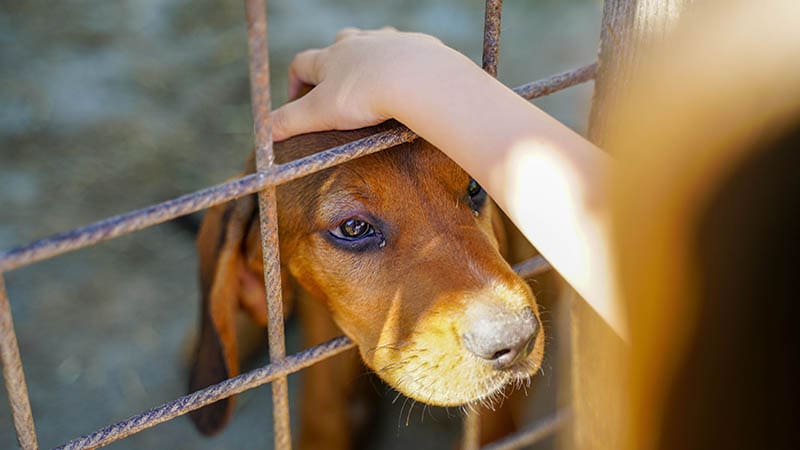
Why Legacy Donations Can Create a Brighter Future for Shelter Dogs
Every donation we receive is an act of compassion toward our dogs. We are grateful for each one and for every person who wants to help us change the story for thousands of dogs. And if donating makes you feel happy for having contributed and become part of the story, know that there is a ... The Untold Stories of Dogs Waiting for Their Forever Homes
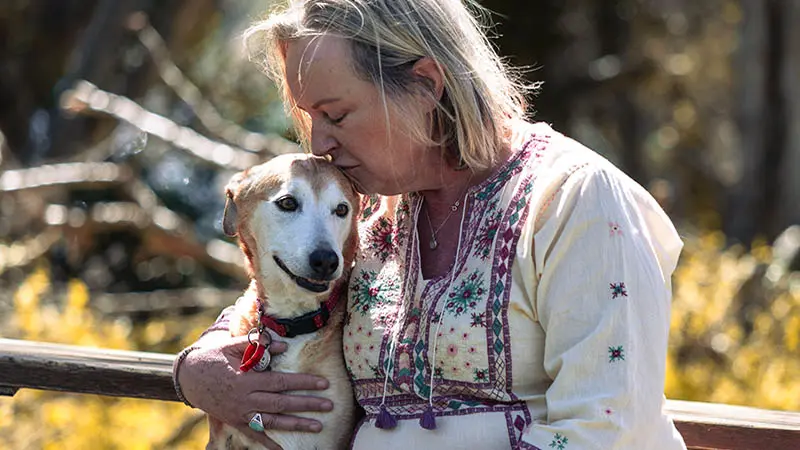
How Adoption Stories Inspire More People to Help Animals in Need
One of our favorite online trends is the posting of pictures with happy dogs and their new families, with those big ‘ADOPTED’ signs! And it’s hard not to share in the enthusiasm. The adoptive family took their time setting things up; they got the floof ready, bathed, brushed, and smelling like a million bucks. And ... The Untold Stories of Dogs Waiting for Their Forever Homes
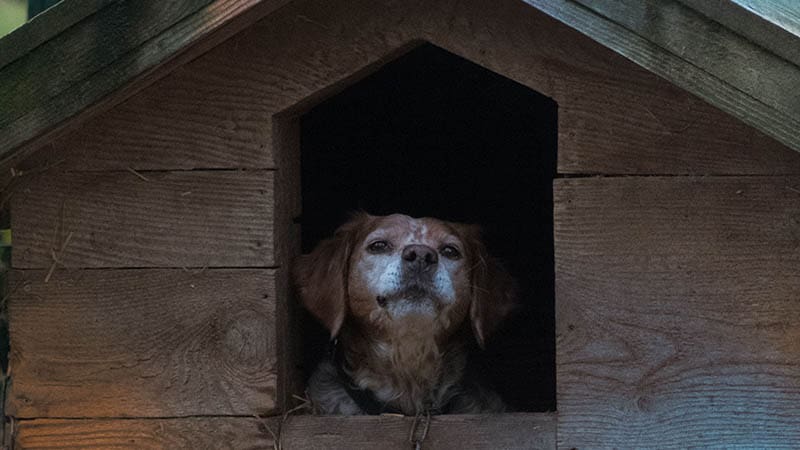
How Sponsoring a Shelter Dog Can Change a Life Before Adoption
Adopting a shelter dog is the most beautiful act of kindness people could ever do in their lives. It is a gesture in which they take in a soul that was once abandoned and give it a home and a purpose. And then, they get to watch it thrive, and their lives grow richer and ... The Untold Stories of Dogs Waiting for Their Forever Homes
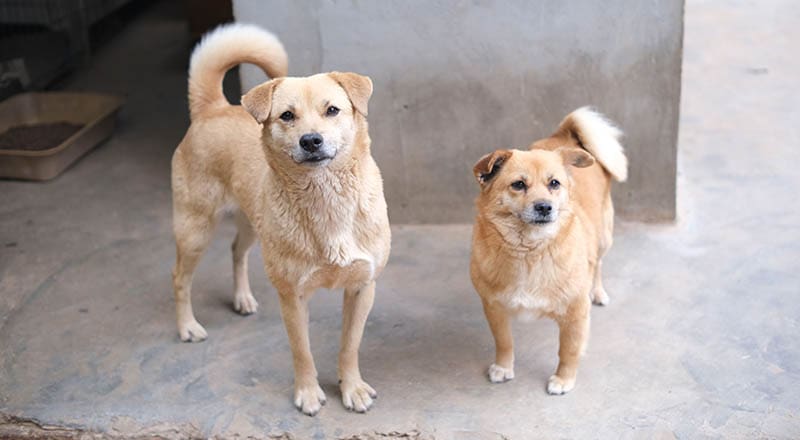
Supporting Rescue Dogs Through Donations When Adoption Is Not an Option
And as the rescue van took the suffering dog away, the people in town sighed with relief, thinking the poor soul was now safe and off to live a better life. The End Cute, but wrong! As an organization dedicated to bettering the lives of dogs and animals in general, ROLDA’s mission is to get ... The Untold Stories of Dogs Waiting for Their Forever Homes
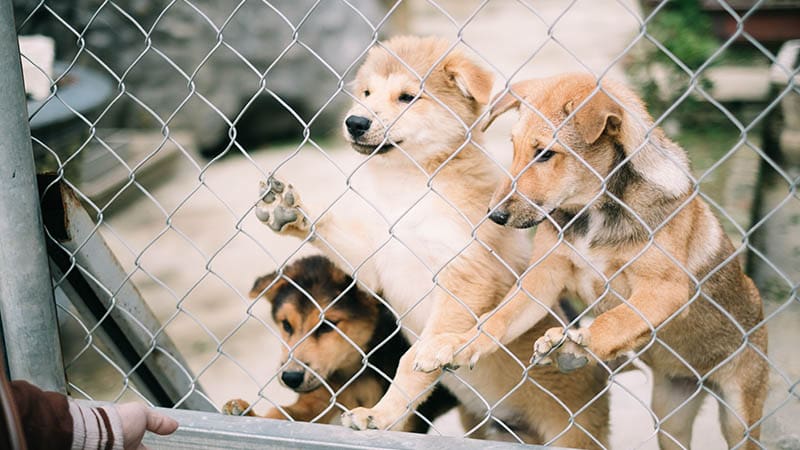
Why Regular Donations Are Essential for Keeping Rescue Shelters Running
What do you think is the most expensive part of running a dog shelter? Some people might think it’s the dramatic animal rescue missions. Others might say it’s the complicated medical procedures needed to put the poor animals back together or even the latest recovery and rehabilitation therapies. Both groups are wrong. The most expensive ... The Untold Stories of Dogs Waiting for Their Forever Homes