non-US support +44 (0)161 531 8801






















The Role of Veterinary Care in Helping Rescue Dogs Thrive
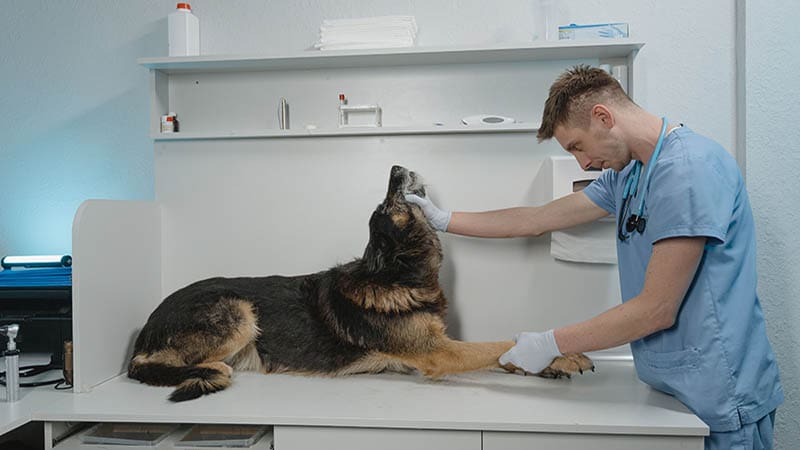
One of the most common misconceptions about animal rescue is that once an animal has been taken off the street, it is safe and the hardest part is over. The fact that some rescue missions are dramatic and demanding does a lot to contribute to this general opinion.
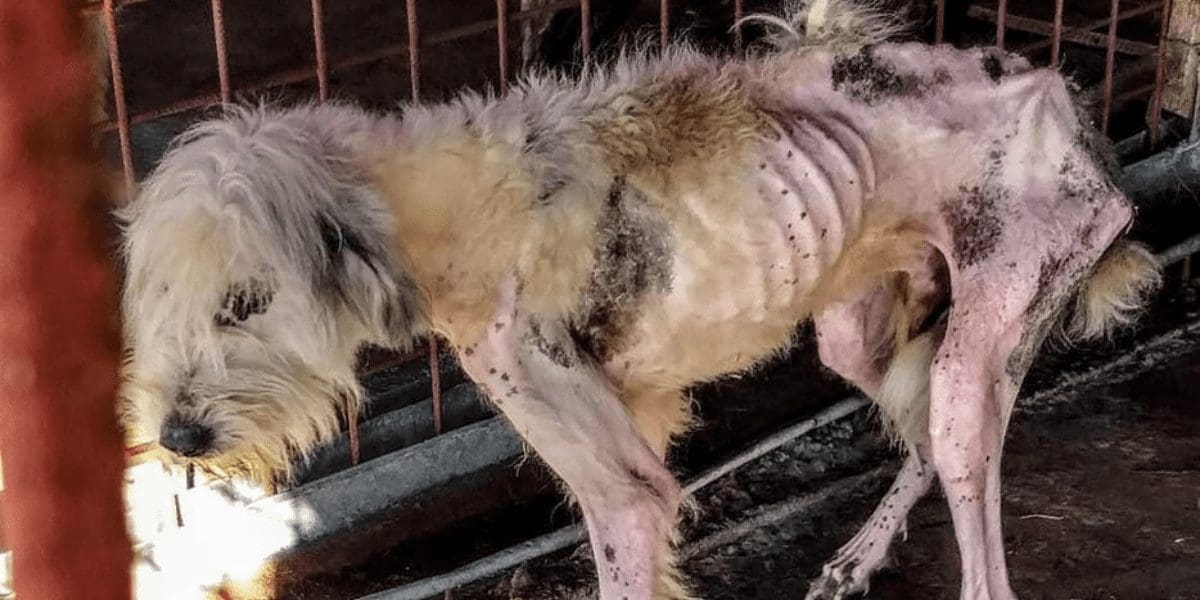
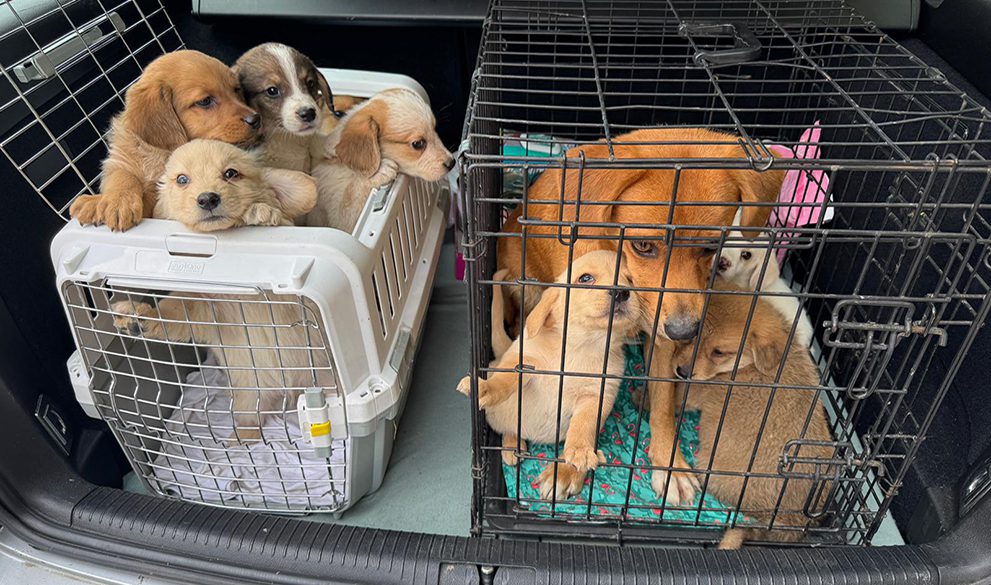
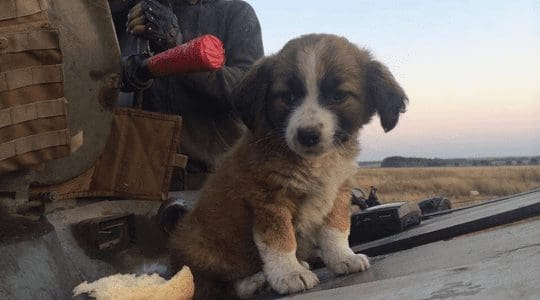
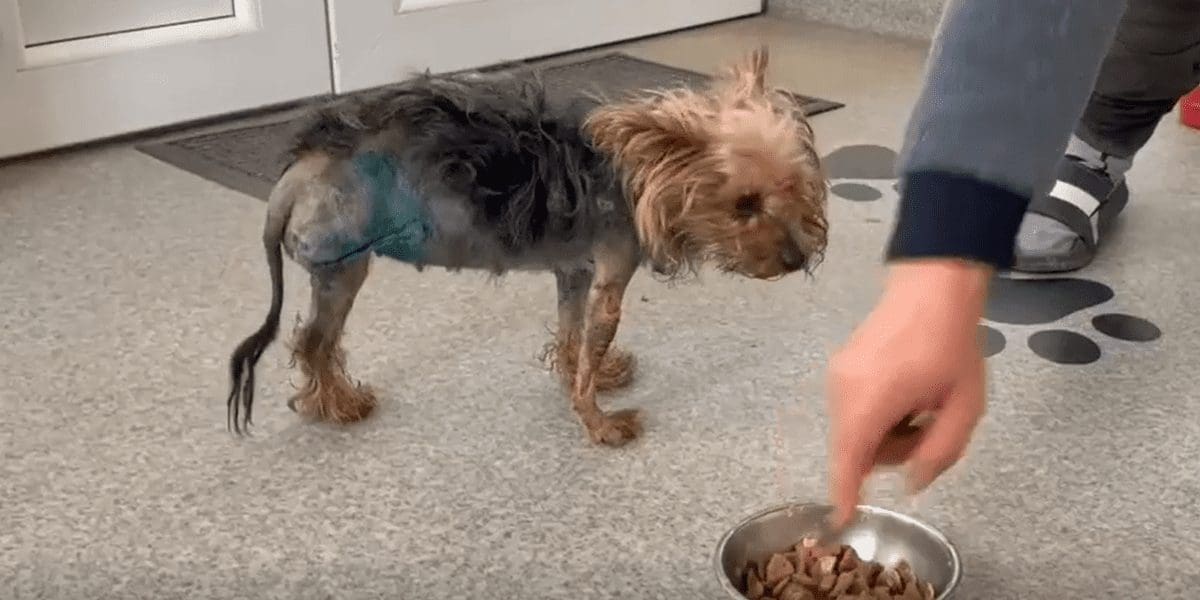
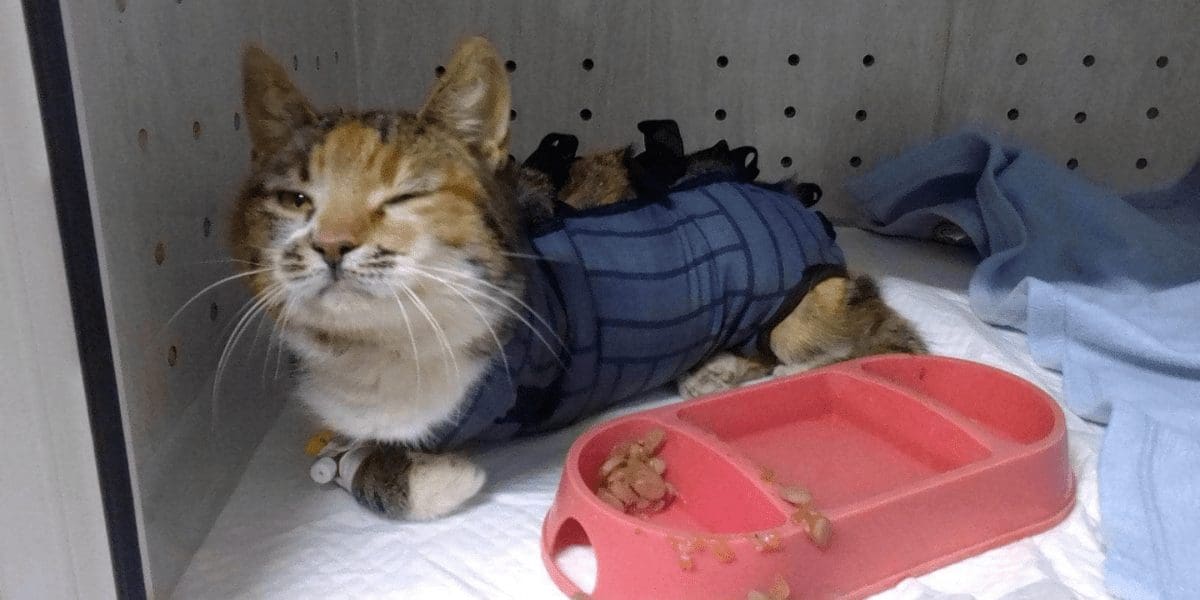
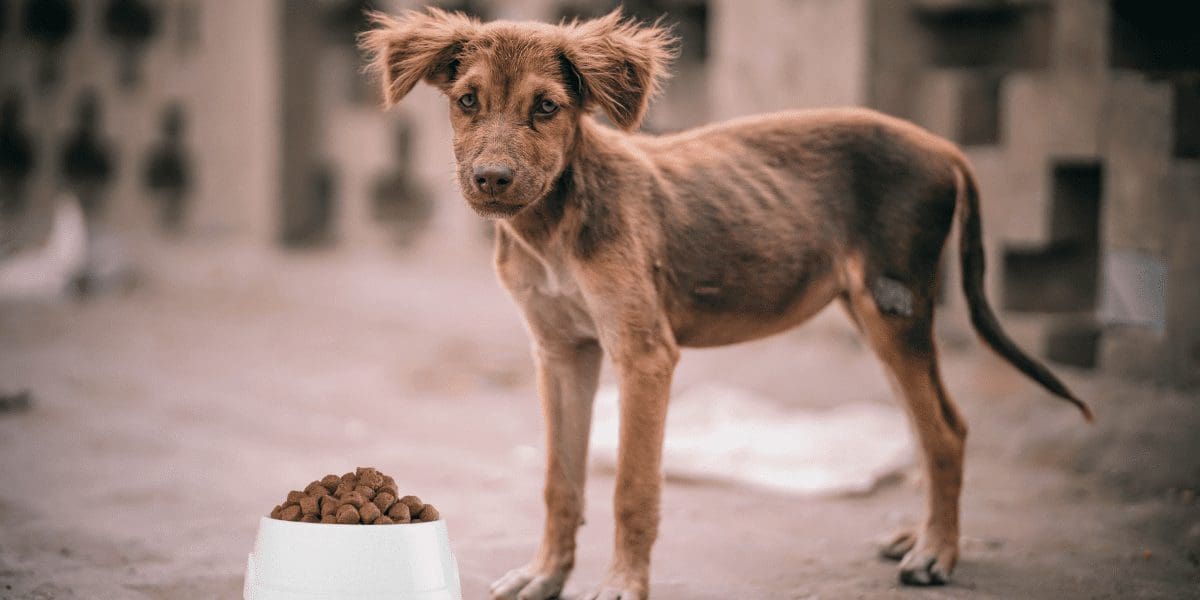
However, many rescue dogs are injured, have parasites, are malnourished, and carry infections and the consequences of long-term neglect. After bringing them to safety, which is what a rescue mission actually does, veterinary care is compulsory. Some dogs even go straight into the operating room, while others need extensive investigations so doctors can get to the root problem.
Ongoing medical care is required even after the crisis has passed, because it is the only thing that gives the dog a chance to recover and thrive.
The First Veterinary Assessment
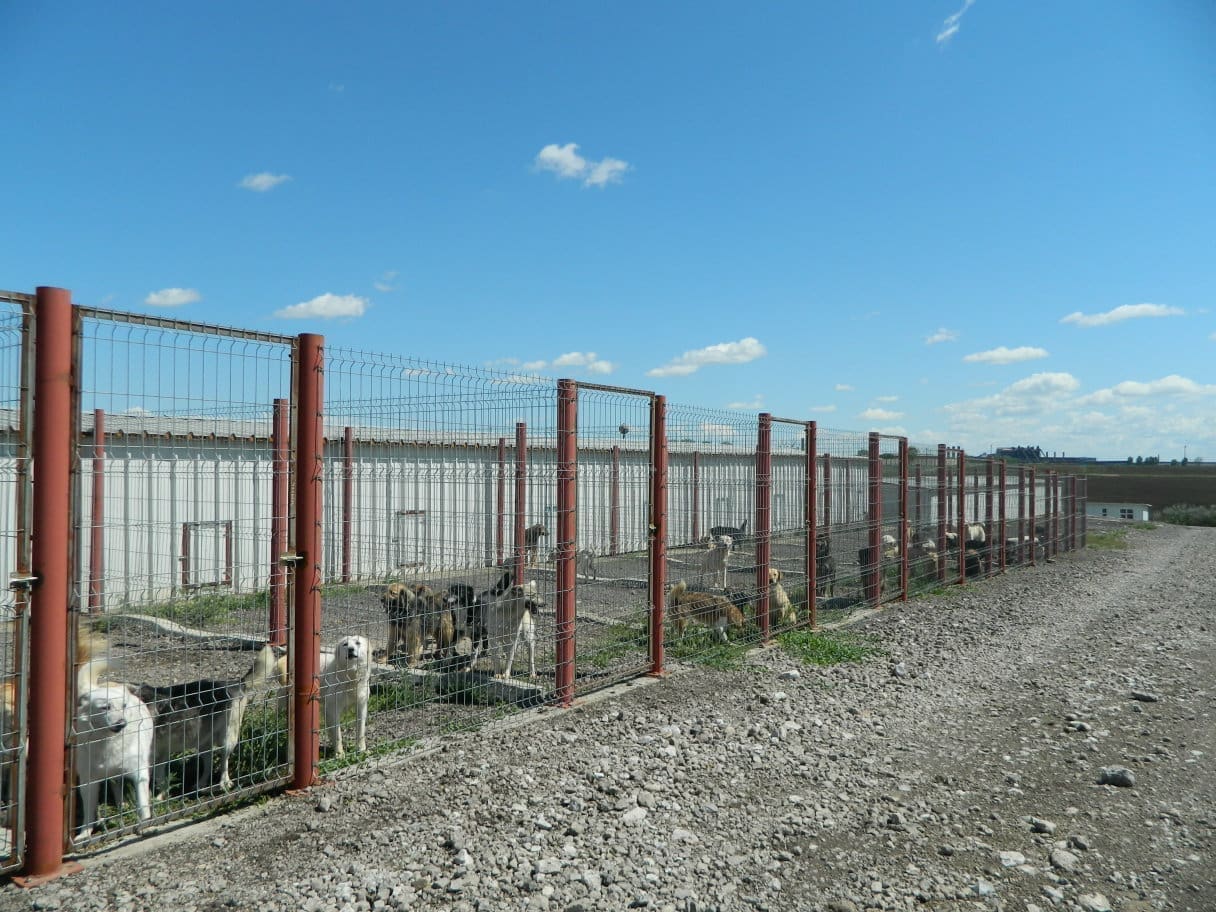
The ROLDA Rescue team can make a first assessment of the animal they have been called to rescue. They can assess the dog’s physical condition as soon as it is safely at our shelter and determine how urgently it needs to be seen by a veterinarian.
Therefore, this initial assessment will look for:
– Visible injuries
– Signs of illness
– Parasites
– Severe dehydration
– Malnourishment
– Difficulties walking
– Foreign objects stuck in the throat
– Difficulty breathing
– Digestive issues – vomiting, diarrhea
Some of these situations are visible and easy to spot even while the dog is being transported to the shelter. Others, on the other hand, may only be detected through testing or even a brief evaluation. This helps our colleagues decide whether they need to contact a veterinarian immediately or whether the dog can simply eat and rest.
If the situation demands it, the veterinarian is contacted, and the dog is taken in for investigations. If the dog looks healthy and needs no immediate medical care, it will be seen by a veterinarian during routine shelter checkups. Since some dogs may develop underlying medical conditions that are not visible without proper professional assessments, we schedule regular veterinary checkups and make sure the latest arrivals get seen with priority.
Emergency Interventions
People will most likely call us when they see an animal in obvious pain. This means that after the rescue, the most likely outcome is for that animal to be taken directly to a veterinary clinic instead of our shelter.
Some of the most common causes for this are accidents, abuse, severe illness that the dog can no longer cope with on its own, or prolonged neglect. The required treatment varies from one case to another. The dog might have:
– Infected wounds in need of cleaning and antibiotic treatment
– Fractures
– Severe infections of any kind
– Severe parasite infestation
– Conditions that require surgery
Even if the dog suffers from dehydration and starvation, a veterinarian would know best how to reintroduce water and food without causing further complications.
In most of these cases, speed matters, and giving a dog the proper treatment will end up saving its life. This is why an organization such as ROLDA, which has saved thousands of dogs over its years of activity, is already properly equipped to handle such a situation.
Our rescue team moves swiftly; they know how to make a correct first assessment, and we collaborate with many clinics so that we have various options to choose from when we need to make quick decisions.
There is no notion of ‘wait and see’ when it comes to our rescues, not when there is even the slightest doubt that the dog needs to see a veterinarian. This is what helps us save lives.
Recovery and Rehabilitation Are Also Done Under Medical Supervision
Once the danger has passed for the dogs rushed to the clinic, recovery starts. A poorly managed recovery is just as likely to cancel all the good work done so far. This is why this next phase is either done in foster care, at the clinic, or at the shelter under the careful supervision of a medical professional.
The dogs may still need medication administered, wound dressing changes, special diets, and follow-up examinations to monitor for complications. Foster volunteers and shelter staff need to work closely, follow instructions, and be available to check on the dog regularly.
In some cases, dogs will need physical rehabilitation to regain mobility after surgery or even to learn to live without one of their paws. This is always heartbreaking, but animals are resilient like that.
Ongoing Medical Care
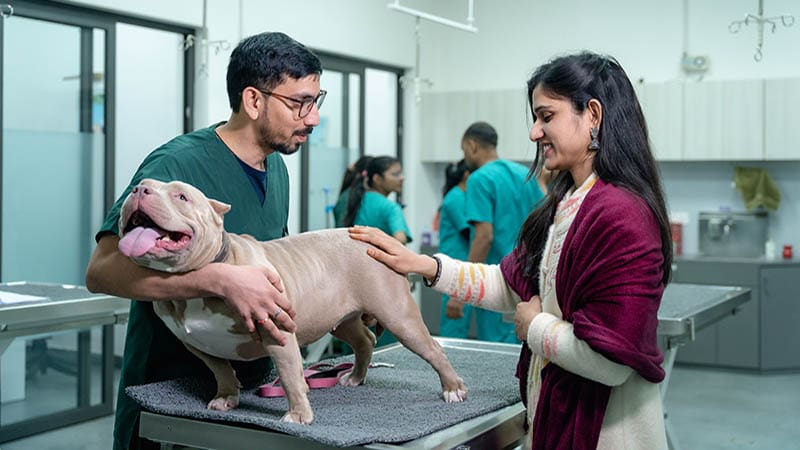
Another misconception is that only dogs that needed surgery or treatment will need ongoing medical care. When, in fact, all dogs need ongoing medical care. They don’t need it more than already-adopted dogs do, and there is nothing wrong with them. But we are playing catch-up on preventive measures while sometimes still finding small issues that still need fixing.
One thing to note is that stray dogs are very resilient, and you would not tell simply by looking at them that they might be experiencing slight discomfort. They are used to discomfort and to pushing through it. Preventive medical care ensures that small problems don’t become larger problems.
Once we make the shift from emergency treatment to long-term medical care, we need to cover specific things for every dog in the shelter. These include parasite prevention, vaccinations, sterilization, dental care, and routine medical examinations to check for other health conditions that might develop in time. Chronic conditions also need consistent monitoring.
A big part of our budget needs to be allocated to these preventive medical services because they are the ones that keep small medical problems from turning into full-blown emergencies. And while we know to have those covered when needed, it’s always better to stick to the boring, preventive stuff. Good for the dogs, and good for the budget.
Consistent Veterinarian Care Improves a Dog’s Chance at Adoption
Healthy dogs have the best chances of getting adopted. This is why having consistent medical records and being diligent with preventive care is important for all those involved.
While people are willing to take home a dog with particular health requirements, we cannot say the same for the vast majority of people. And we understand that it is a challenge. Pressuring someone into an adoption they cannot maintain is not a good thing for the dog.
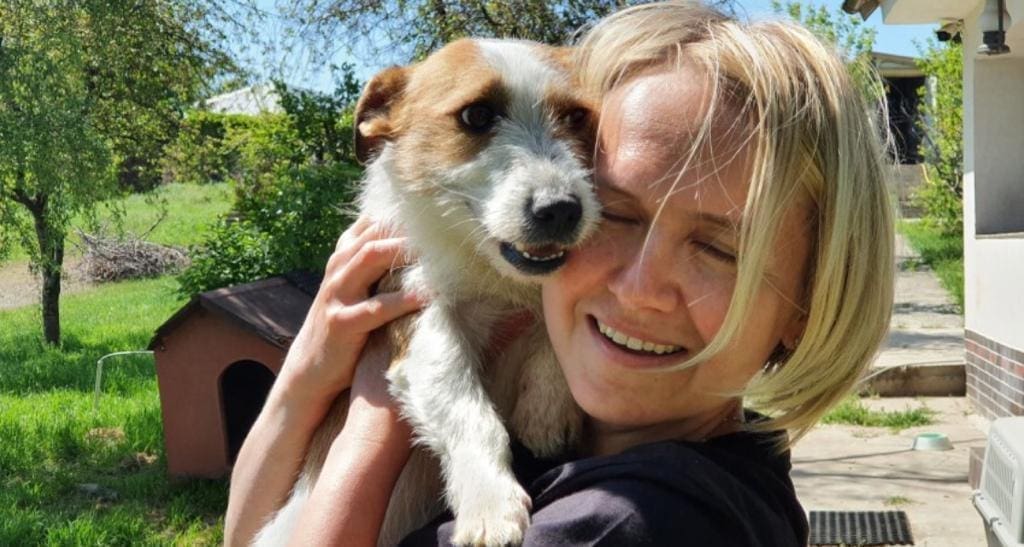
Another important aspect is that, even if they adopt a perfectly healthy dog, veterinary care must continue even after adoption with regular check-ups and preventive care. This is all part of what a responsible dog parent does.
Do you want to hear more news about our stories?
Related content
How Sponsoring a Shelter Dog Can Change a Life Before Adoption
Adopting a shelter dog is the most beautiful act of kindness people could ever do in their lives. It is a gesture in which they take in a soul that was once abandoned and give it a home and a purpose. And then, they get to watch it thrive, and their lives grow richer and ... The Role of Veterinary Care in Helping Rescue Dogs Thrive
Supporting Rescue Dogs Through Donations When Adoption Is Not an Option
And as the rescue van took the suffering dog away, the people in town sighed with relief, thinking the poor soul was now safe and off to live a better life. The End Cute, but wrong! As an organization dedicated to bettering the lives of dogs and animals in general, ROLDA’s mission is to get ... The Role of Veterinary Care in Helping Rescue Dogs Thrive
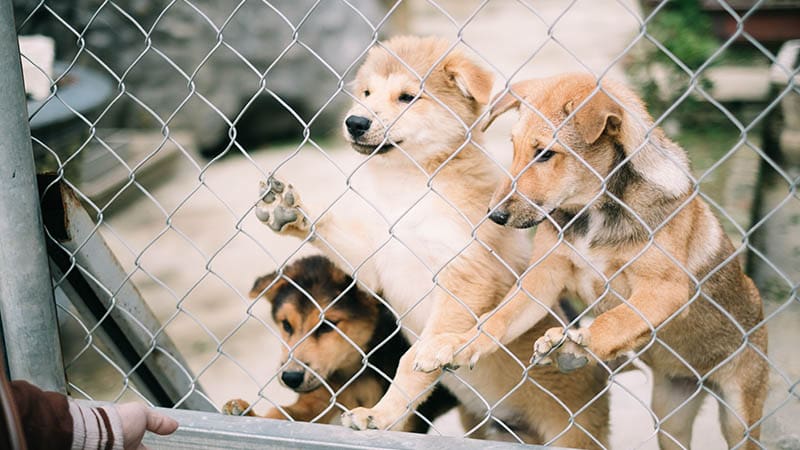
Why Regular Donations Are Essential for Keeping Rescue Shelters Running
What do you think is the most expensive part of running a dog shelter? Some people might think it’s the dramatic animal rescue missions. Others might say it’s the complicated medical procedures needed to put the poor animals back together or even the latest recovery and rehabilitation therapies. Both groups are wrong. The most expensive ... The Role of Veterinary Care in Helping Rescue Dogs Thrive
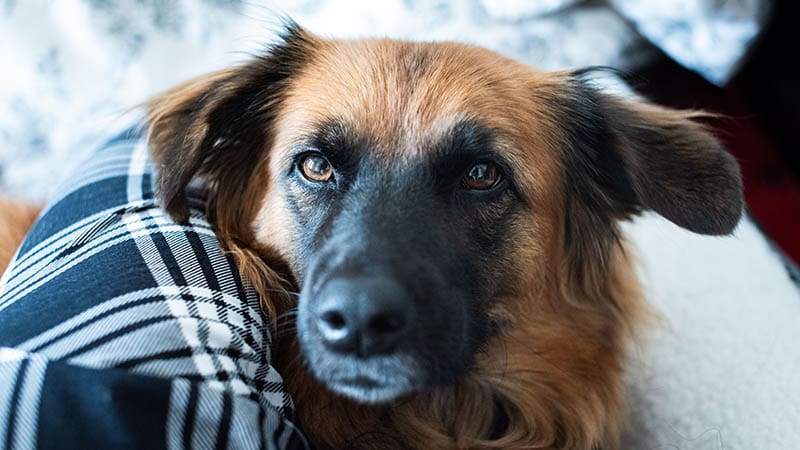
The Life-Changing Impact of Dog Adoption on Both Pets and Their New Families
Who benefits more from a shelter adoption? The dog that has just received a chance at the perfect life in a loving home with a caring family? Or the family that has just become whole with the addition of the cutest, most loyal, and most lovable member? Both sides will. It’s a win-win type of ... The Role of Veterinary Care in Helping Rescue Dogs Thrive
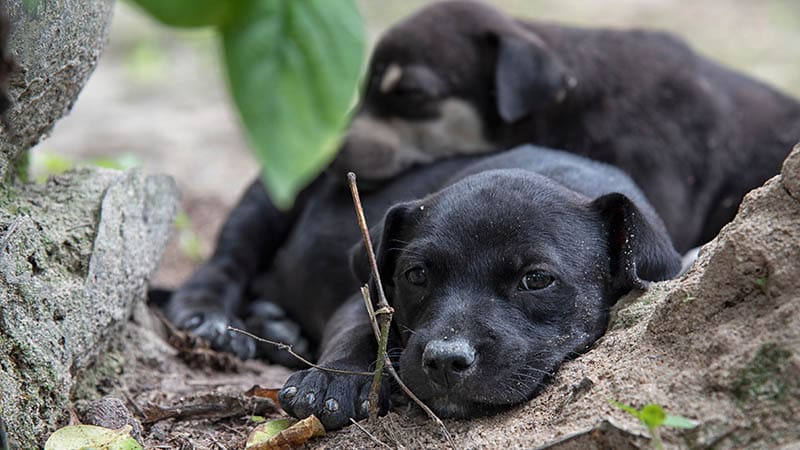
Creating Hope for Homeless Dogs: How Every Act of Kindness Makes a Difference
Overwhelmed. This is how animal lovers feel when they see so many struggling animals. Some people try to help, try to save the ones they come across. But once they start seeing the need, they cannot unsee it, and there are always so many animals in distress. Who could ever help them all? That is ... The Role of Veterinary Care in Helping Rescue Dogs Thrive