non-US support +44 (0)161 531 8801

















The Life-Changing Impact of Dog Adoption on Both Pets and Their New Families
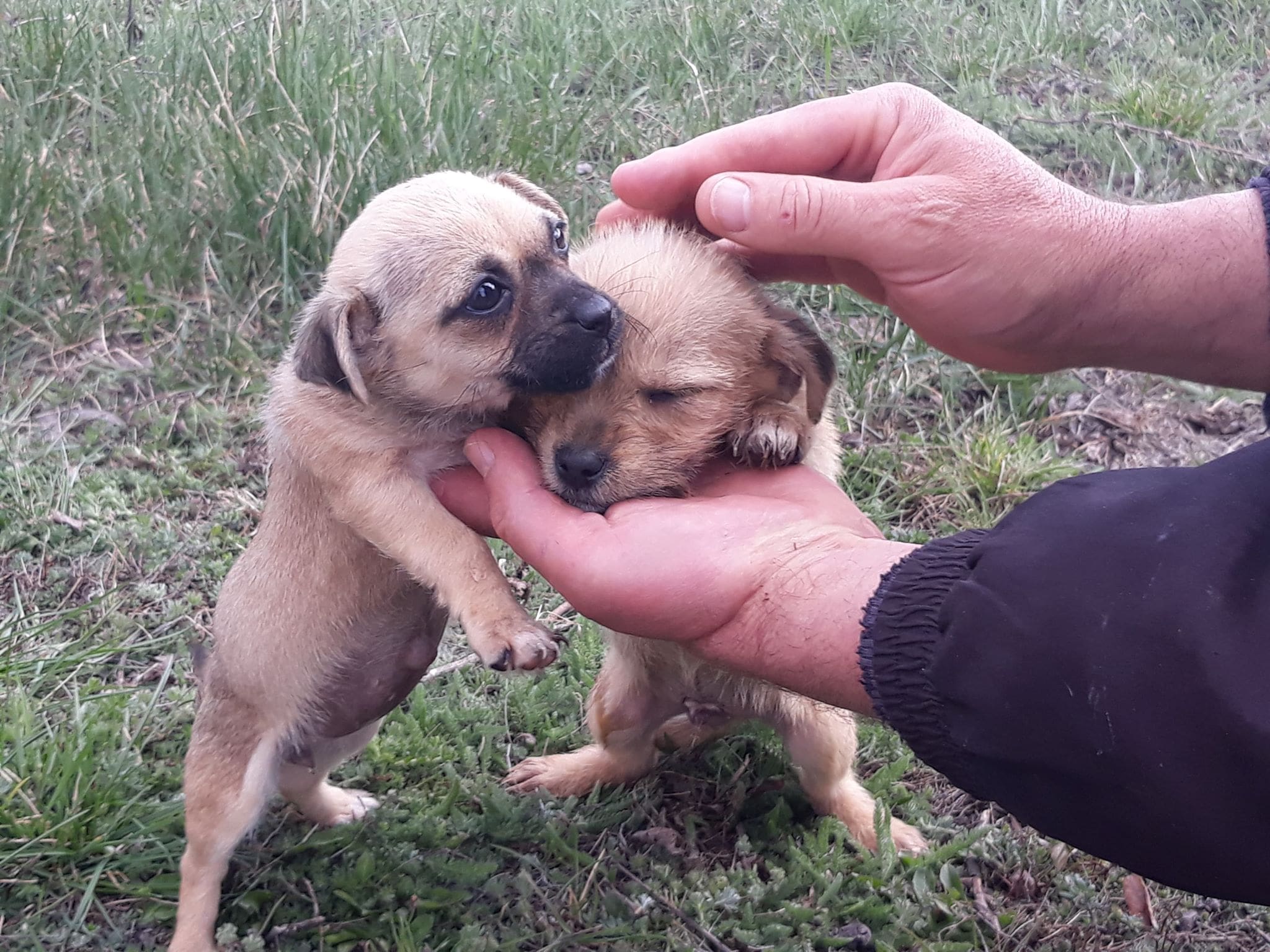
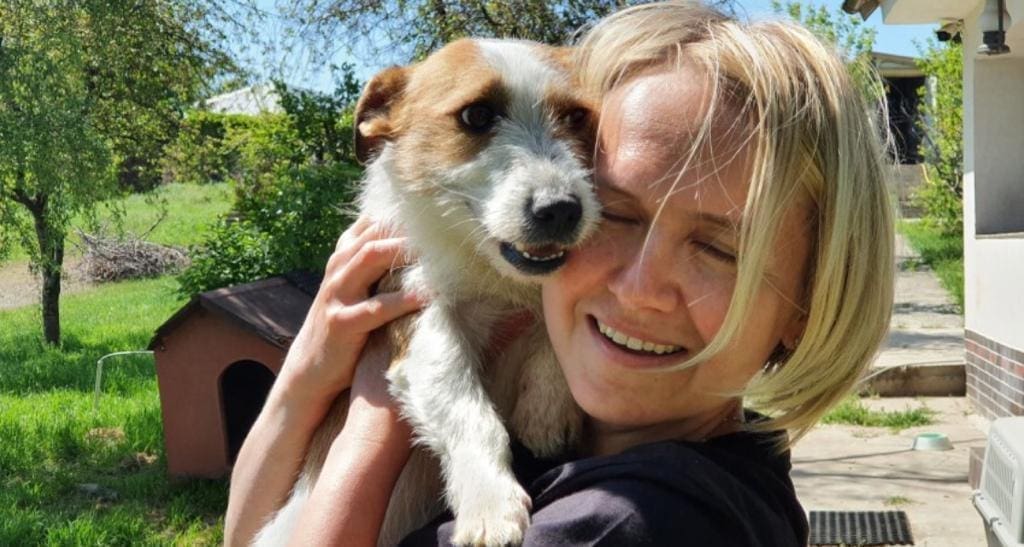
Who benefits more from a shelter adoption? The dog that has just received a chance at the perfect life in a loving home with a caring family? Or the family that has just become whole with the addition of the cutest, most loyal, and most lovable member?
Both sides will. It’s a win-win type of situation. But getting to that wonderful sweet spot where everything is settled, the routine is established, and everyone knows their place might take some time. And it’s this transition part that has people in doubt about whether to take the step or not.
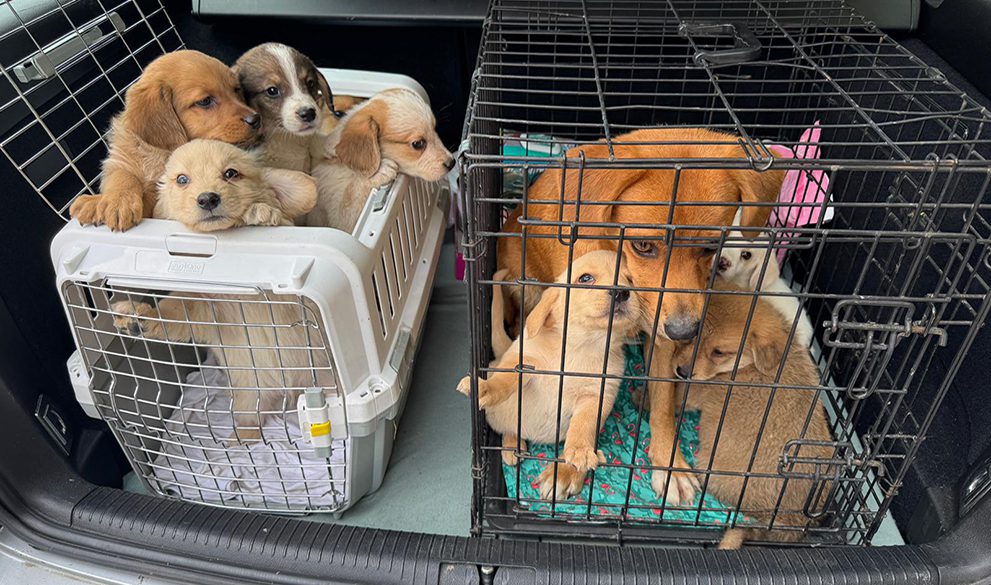
At ROLDA, we have made adoption the end goal of our efforts. Rescue work might be the most visible, but the real act of saving a dog consists of giving it a home and loving and caring for your new friend until it reaches old age, surrounded by its family.
Therefore, we might know a thing or two about adoption and how to make it work. Trust the process? Listen to the experts first, maybe.
What Adoption Means to a Shelter Dog
In brief? The world!
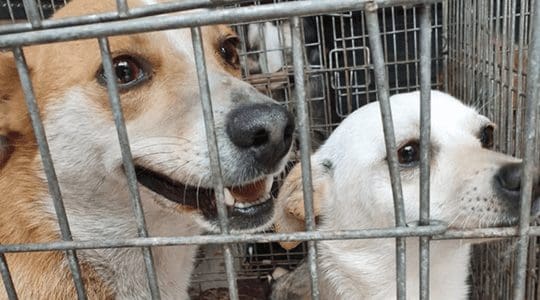
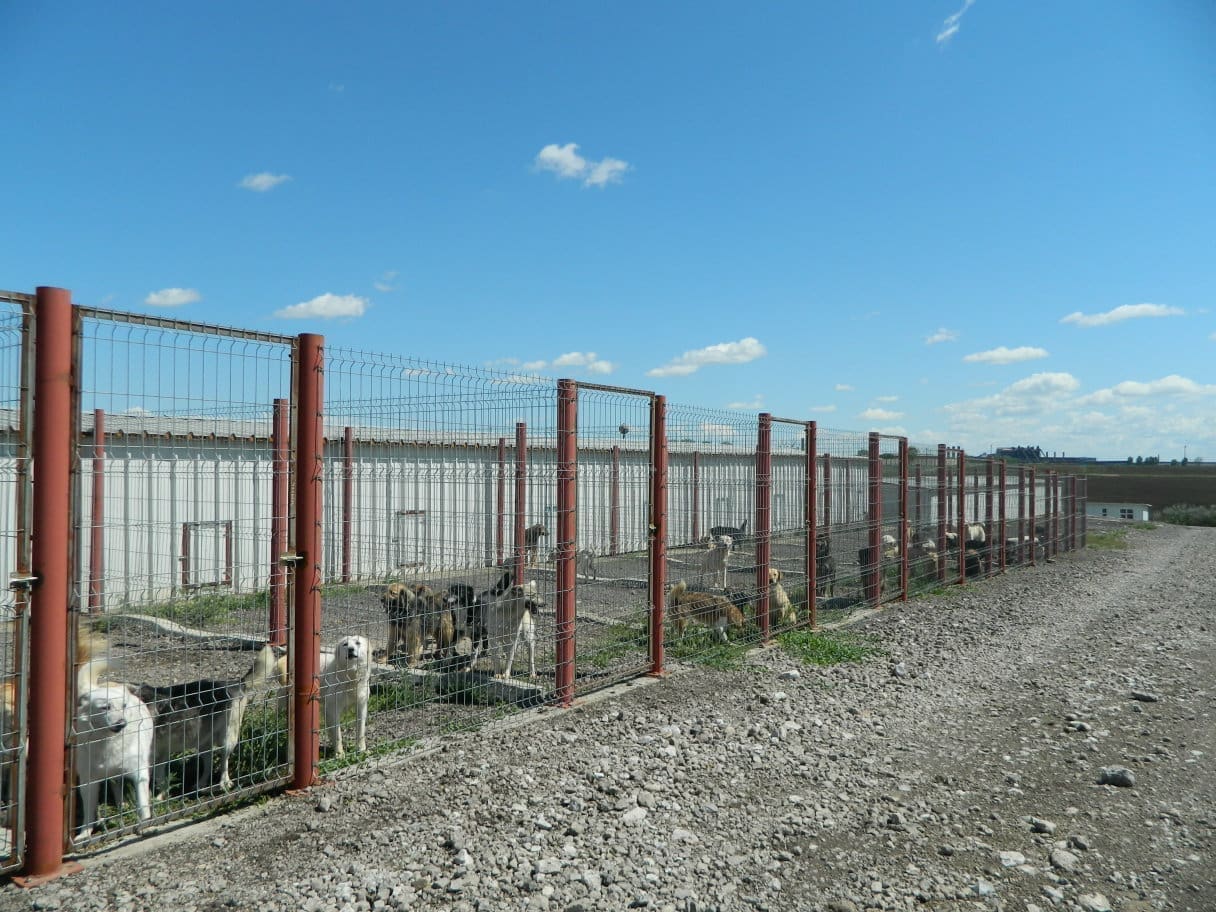
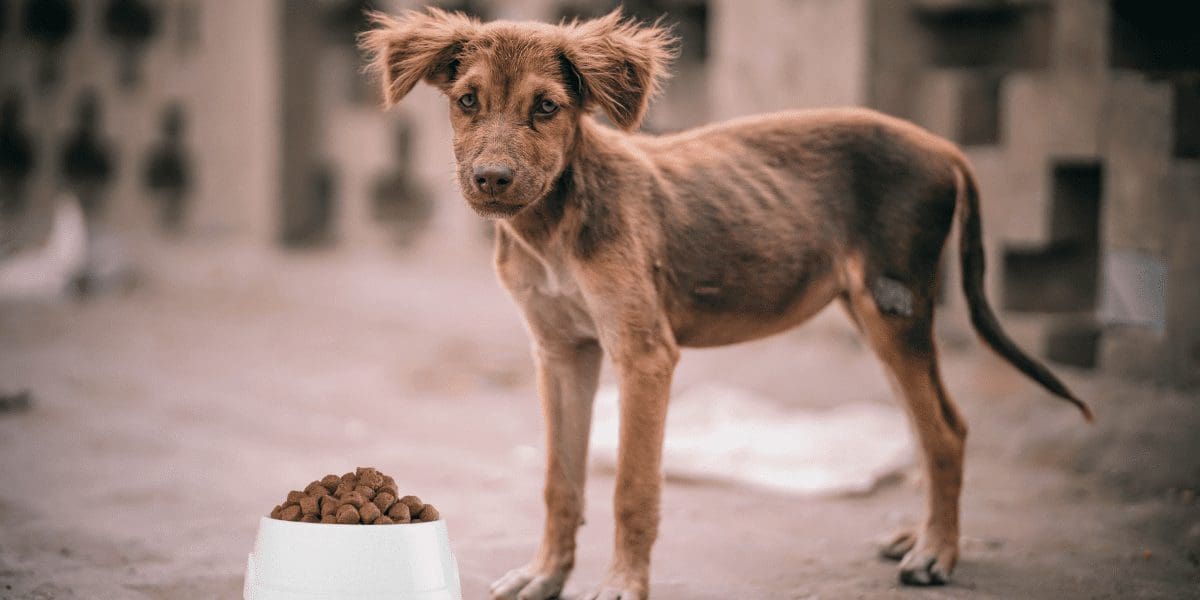
We do our best to offer our residents great living conditions. Especially since some of them never leave our care because they never get adopted. Therefore, if this is it for them, we do our best to make their lives with us comfortable.
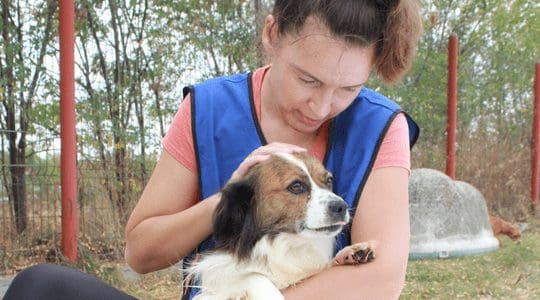
That being said, nothing feels better to a shelter dog than getting adopted. And this implies more than just leaving the kennel. It means having stability, having people they know, and being part of their lives. Adopters soon notice their new friend can hardly wait to be part of their daily routines.
It’s actually less about the things you, as an adopter, can offer. A shelter dog will not care whether your house is big or small, whether you have the comfortable couch or the newest things around the place. It will not care about the bowls, toys, and doggy bed you got for it. As long as they are clean and theirs, that’s all your new furry friend cares about.
Having a family means no longer having to share a volunteer’s time for walks, socializing, and cuddles. It means having more family members take it out for a walk around the block, at different times throughout the day.
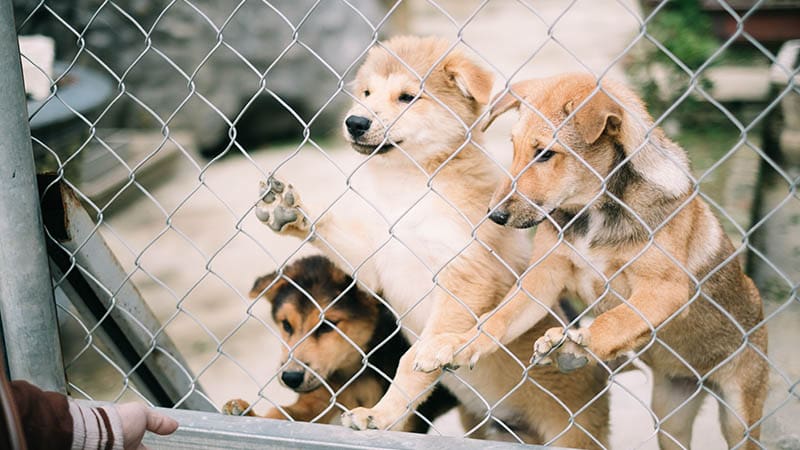
Most importantly, it means individual attention, which is something difficult to get in a shelter among 699 other dogs. We often see our dogs desperately try to connect with us, with the volunteers. And despite how wonderful, cute, present, and worthy they are, they still get put back in the kennels when our time with them is over. And it’s heartbreaking to see.
But they can finally connect with their families, and they will get to go home with them; their little bowls and their favorite toy are waiting in their own familiar spot.
It’s Still a Process
Shelter dogs might have a lot of love to give. And you will get to that point where everybody knows exactly where they belong. Even so, it’s still a process, and you cannot realistically expect your friend, who is new to the household, to settle right in.
For this, you need to provide a balanced living environment, be consistent in your activities together, and be calm and patient. The better you succeed in creating this safe space, the sooner your new friend will learn to relax and take its place in your family.
With some dogs, this might happen sooner, while others might need a bit more time. Stay calm and consistent, and your dog will soon get the message that you are reliable.
How Adoption Changes a Shelter Dog
Even the happiest of our shelter dogs go through this transformation as soon as the feeling of belonging somewhere really hits.
You might ask what the difference is, as long as they are sheltered and cared for in both cases, right?
Well, at the shelter they are safe, and they are cared for, yes. But it’s all functional to a point, since they have to share the efforts and attention of staff and volunteers all the time.
On the other hand, a dog will thrive in its own home. And this amazing transformation can mean that it will become more playful, more loving, more sociable, more curious, and less likely to avoid certain situations.
There are signs to watch for before this happens. Naps and nighttime sleep are more relaxed, interactions are smoother, and there is a lot more tail action.
But it doesn’t look the same for every dog. As a good pet parent who knows their dog well, you will surely know its specific changes, and you will be able to tell the difference.
How Adoption Changes a Family
Most adopters start with the idea that they are doing it mainly for the good of the dog. But, as soon as they stop bracing themselves for the challenges of settling in, they realize that the dog’s presence has already changed them all.
Your routine is healthier. The kids fall asleep faster because they played with the dog in the evening. You start your day with a brisk walk. And you also take a stroll around the neighborhood in the evening, after dinner. And every weekend, you play with the dog in the backyard or in the park. All in all, considerably more time is spent outdoors.
There is now a sense of emotional comfort that comes from having settled into a nice routine, and there are more times during the day when you reach out to a family member to ask about the dog. Who fed the dog, who walked it, who played with it the most.
The children may become more responsible now, and they would do anything to make sure their dog stays in the home. They also have a sense of purpose, and they learn what care means. Not to mention that they have the best teacher for patience and empathy.
You never know how you can grow as a human being before you’ve had to care for a dog. And you never know how much love there could be in your heart for a creature so different from you, until you’ve grown accustomed to being met at the door every day with the sincerest excitement.
Do you want to hear more news about our stories?
Related content
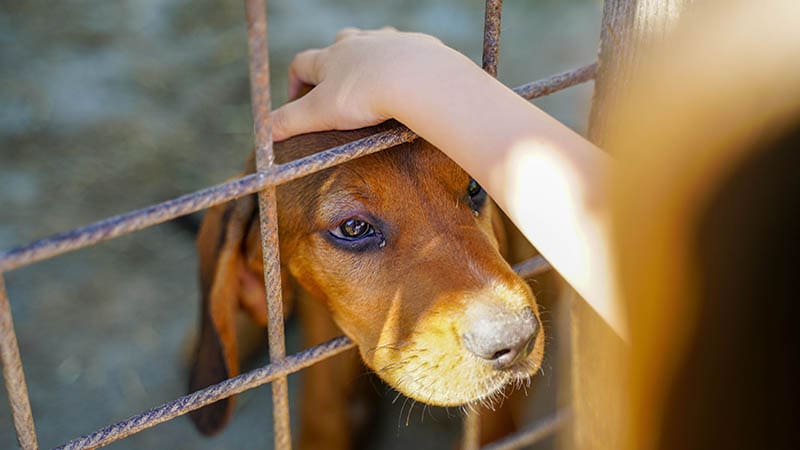
Why Legacy Donations Can Create a Brighter Future for Shelter Dogs
Every donation we receive is an act of compassion toward our dogs. We are grateful for each one and for every person who wants to help us change the story for thousands of dogs. And if donating makes you feel happy for having contributed and become part of the story, know that there is a ... The Life-Changing Impact of Dog Adoption on Both Pets and Their New Families
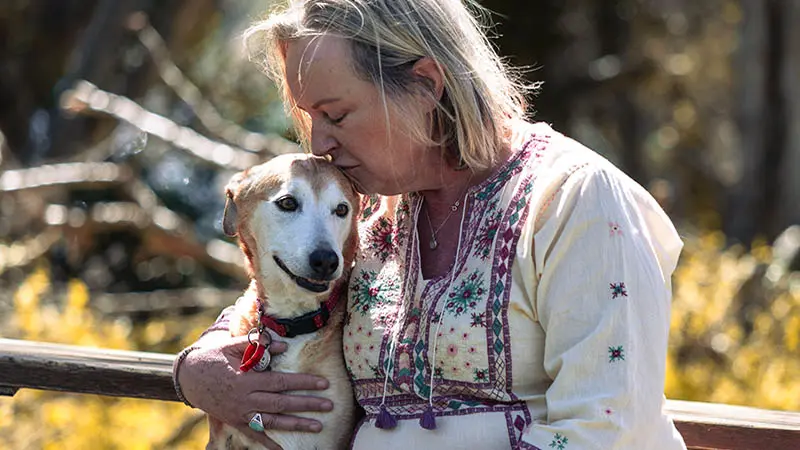
How Adoption Stories Inspire More People to Help Animals in Need
One of our favorite online trends is the posting of pictures with happy dogs and their new families, with those big ‘ADOPTED’ signs! And it’s hard not to share in the enthusiasm. The adoptive family took their time setting things up; they got the floof ready, bathed, brushed, and smelling like a million bucks. And ... The Life-Changing Impact of Dog Adoption on Both Pets and Their New Families
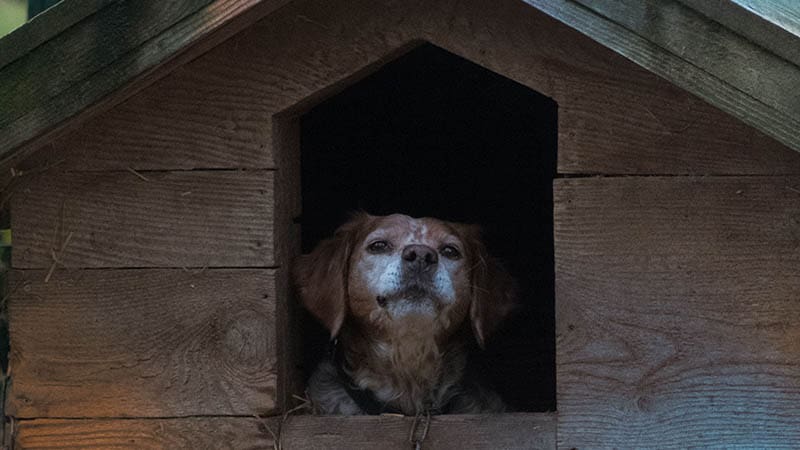
How Sponsoring a Shelter Dog Can Change a Life Before Adoption
Adopting a shelter dog is the most beautiful act of kindness people could ever do in their lives. It is a gesture in which they take in a soul that was once abandoned and give it a home and a purpose. And then, they get to watch it thrive, and their lives grow richer and ... The Life-Changing Impact of Dog Adoption on Both Pets and Their New Families
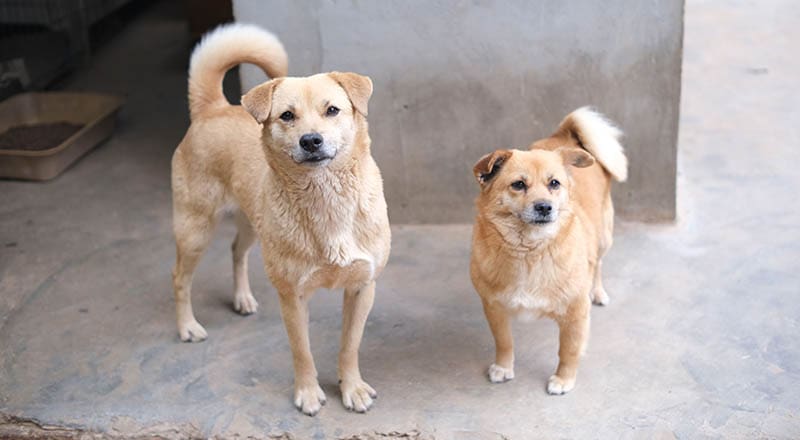
Supporting Rescue Dogs Through Donations When Adoption Is Not an Option
And as the rescue van took the suffering dog away, the people in town sighed with relief, thinking the poor soul was now safe and off to live a better life. The End Cute, but wrong! As an organization dedicated to bettering the lives of dogs and animals in general, ROLDA’s mission is to get ... The Life-Changing Impact of Dog Adoption on Both Pets and Their New Families
Why Regular Donations Are Essential for Keeping Rescue Shelters Running
What do you think is the most expensive part of running a dog shelter? Some people might think it’s the dramatic animal rescue missions. Others might say it’s the complicated medical procedures needed to put the poor animals back together or even the latest recovery and rehabilitation therapies. Both groups are wrong. The most expensive ... The Life-Changing Impact of Dog Adoption on Both Pets and Their New Families