non-US support +44 (0)161 531 8801























The Connection Between Responsible Pet Ownership and Fewer Homeless Dogs
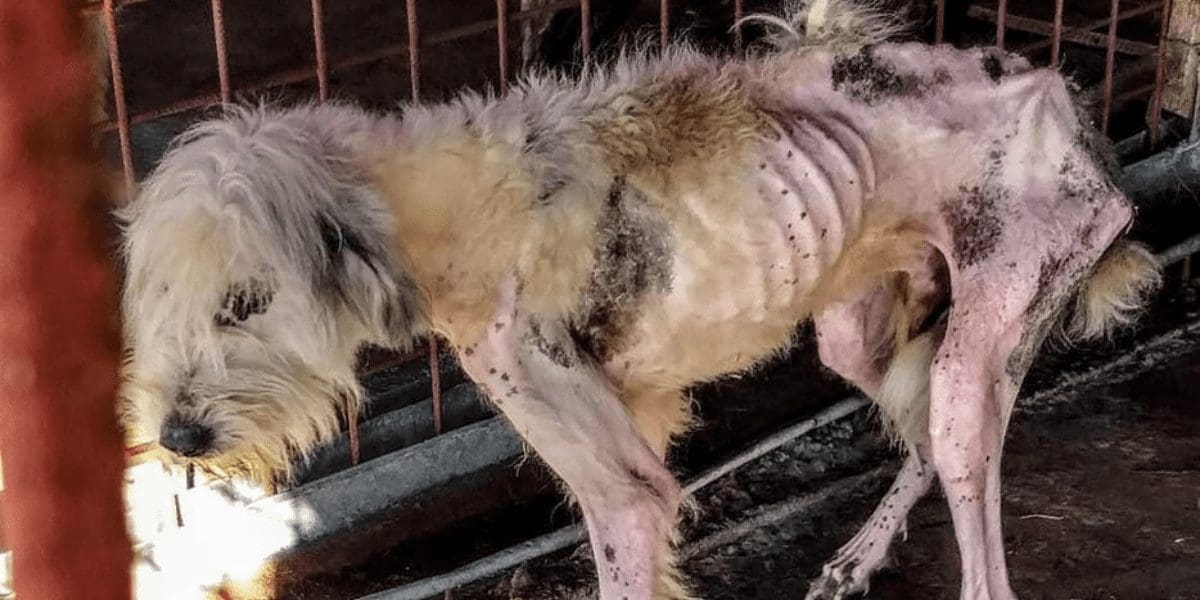
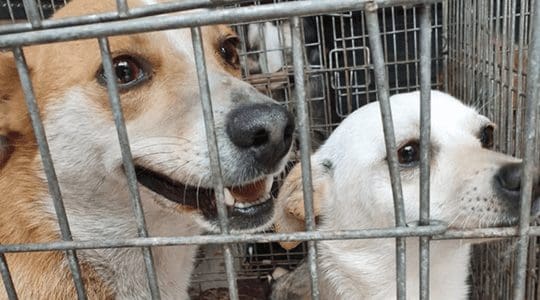
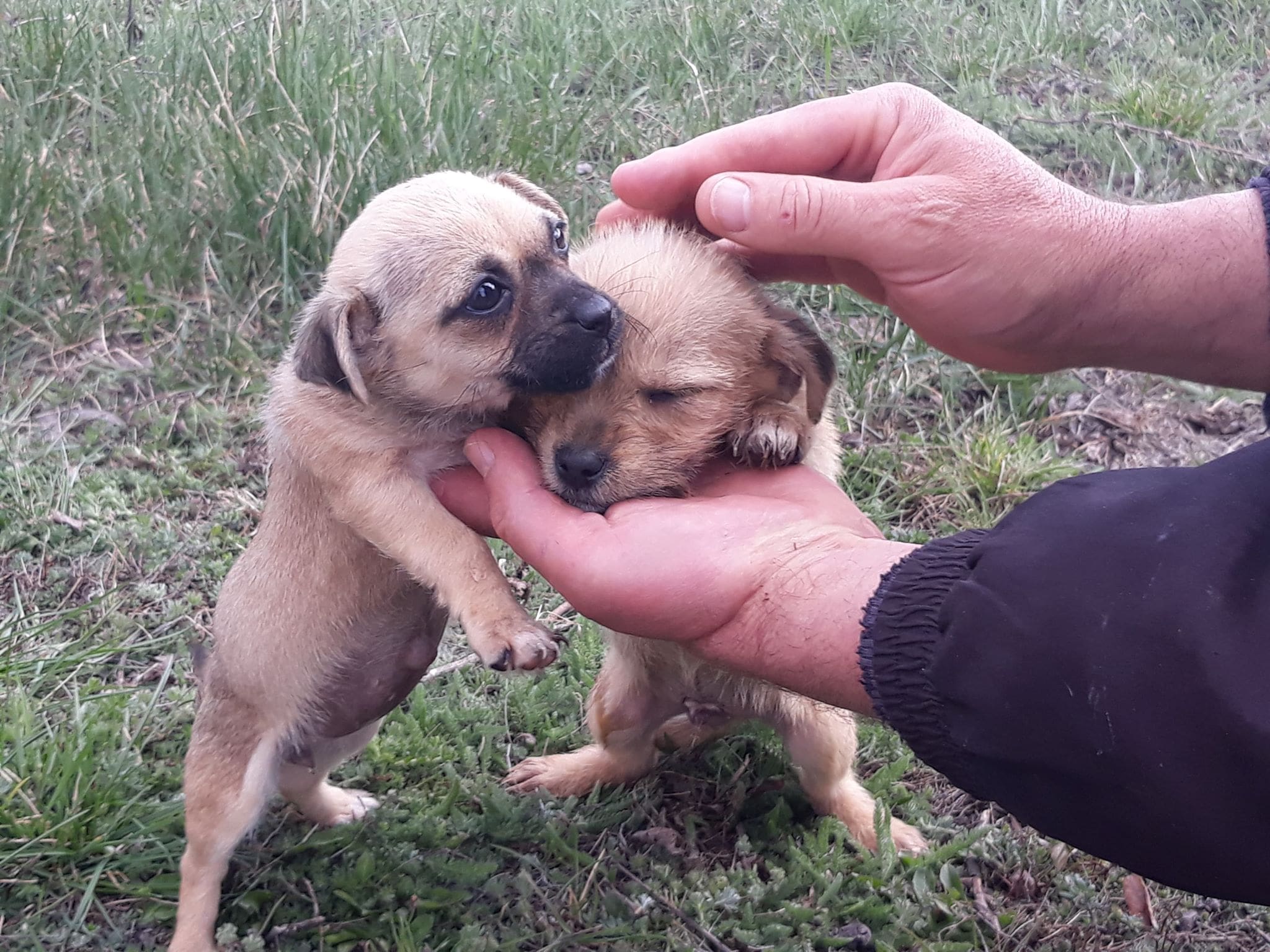
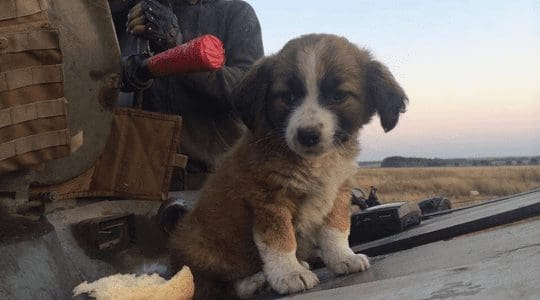
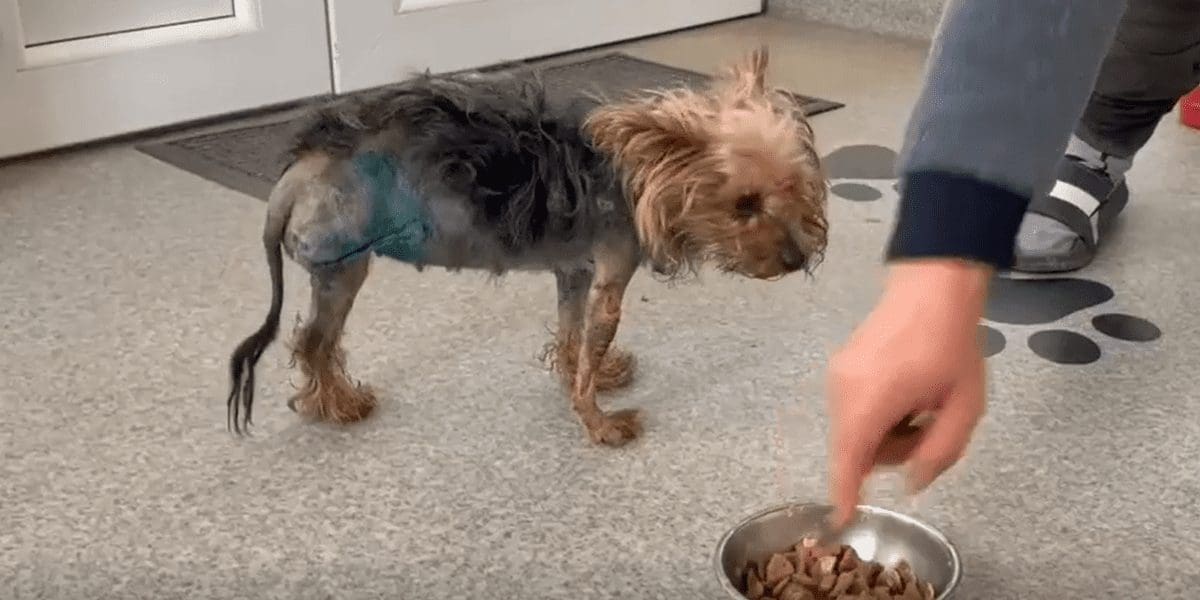
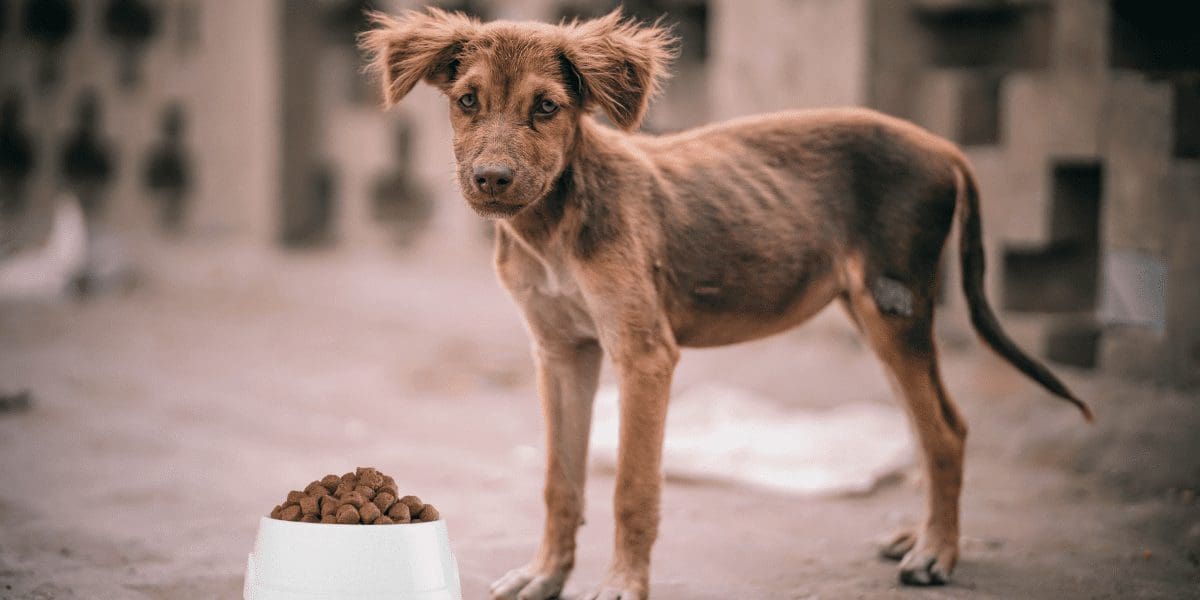
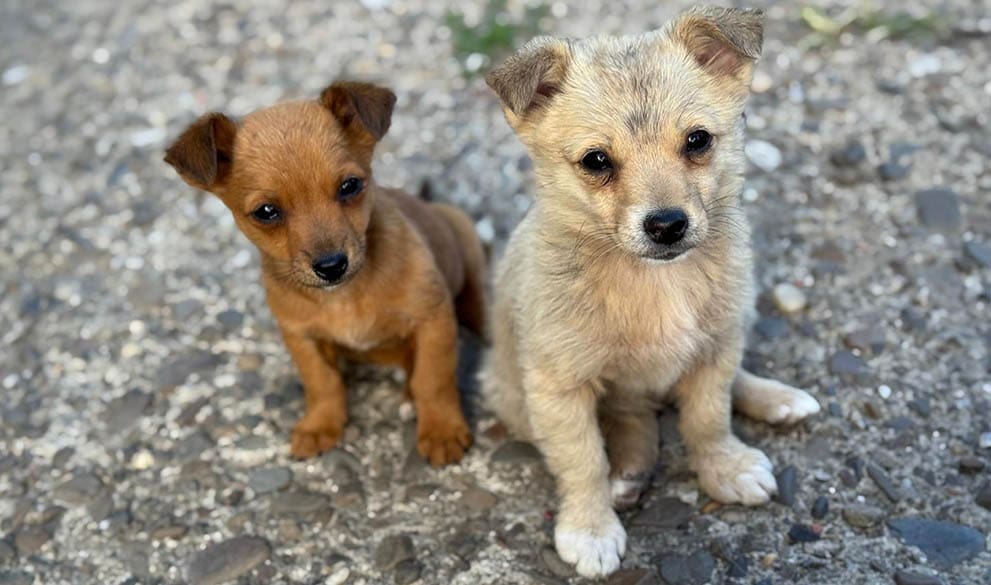
Every one of our residents has a story. And it either begins with them being abandoned by their owners or their parents being abandoned by their owners. So, every time we rescue a new stray dog from the streets, we try to figure out when it happened, how long the dog has been on its own, and what may have happened to it in the meantime.
But it all keeps coming back to the same abandonment issues and the fact that, to this day, people still have no problem in simply discarding the dogs they no longer want to take care of.
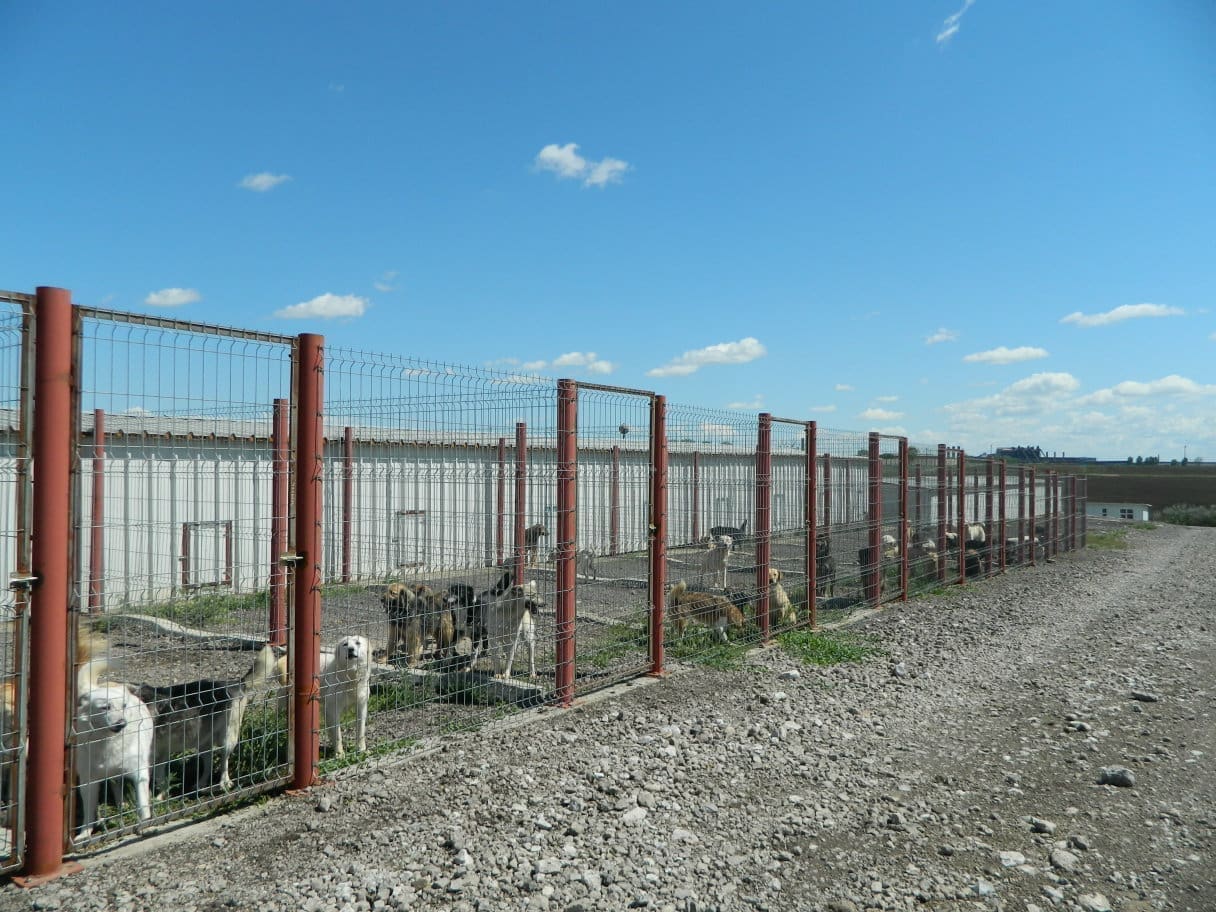
Sure, we now have laws sanctioning those caught abandoning animals. Still, even if just a few people do this and also skip out on sterilizing and neutering their dogs, we are in for a whole new generation of stray dogs we need to pick up from the street and rehome on our own.
Things may be different now than they were in the 1990s, for example, but we live with the acute knowledge that things can go back to how they used to be very quickly. What could stop this?
Responsible dog ownership.
Why Responsible Dog Ownership Is the Only True Solution
Even if we took in ten times more dogs and, by some miracle, found homes for them, we still could not fix the problem if some people still abandoned unsterilized dogs.
The answer is never the capacity of good people to fix what is broken, but building up against things breaking in the first place. This is why responsible dog ownership is so important. When it comes to stray dogs, owners are both the cause and the solution.
What It Means to Be a Responsible Dog Owner
When you make a list of all the things responsible dog owners need to do to provide for their pets, it looks like a lot of stuff. But not everything is a daily requirement; some are periodic, or even general. In other words, you might not have to do all these things every day, but you must do them. Period.
The reason we emphasize this aspect is that we usually meet three types of people:
1. Those who know exactly what dog ownership is about and are ready to take on the responsibility for as long as the dog remains in their lives – which means until the end of the dog’s life.
2. Those who panic about the list being too long and start having second thoughts.
3. Those who approach all these responsibilities enthusiastically for about two weeks. Then, things begin to tire them, bore them, feel too difficult, too different from what they were used to, and they would love for things to go back to how they were before.
While people in the first category are veteran dog owners, we usually like to address those in the second category and point out that we appreciate their willingness to go over the list of things needed to take good care of their canine companion.
So, let us be the bearers of good news and split a long list into categories.
General
– Shelter. This means that, just like you provide a home for yourself, you need to make room for a little dog by your side. It doesn’t sound so overwhelming when you find out you are already doing that, isn’t that right?
– Lifelong commitment. Dogs are a lifelong responsibility. (Well, their ‘forever’, because you will most likely outlive them.) This means that even if you get your dog as a cute little puppy, you are expected to take care of them when they are vulnerable and when they are old as well. It is a package deal.
One-Time Responsibilities
– Microchip your friend so they will be easily returned to you in case you get separated.
– Spay or neuter your dog.
Occasional Responsibilities
– In case of an accident or illness, responsible pet owners are expected to rush their dogs immediately to the vet.
– Provide care and follow the recommendations of the veterinarian, if needed.
– Periodic veterinary checkups for screenings, parasite prevention, and vaccinations.
– Make temporary care arrangements for the animal if you need to leave home or travel and you cannot take them.
Daily Responsibilities
– Providing fresh water and food
– Exercise and walks
– Playtime, cuddles, and mental stimulation.
Once you and your new friend settle into your routine – one that may take more than a few weeks to establish – life will feel easy once again. Only this time, it will have been enriched with a companion that cannot wait to be around you as much as possible.
Sounds like an incredible deal, if you ask us.
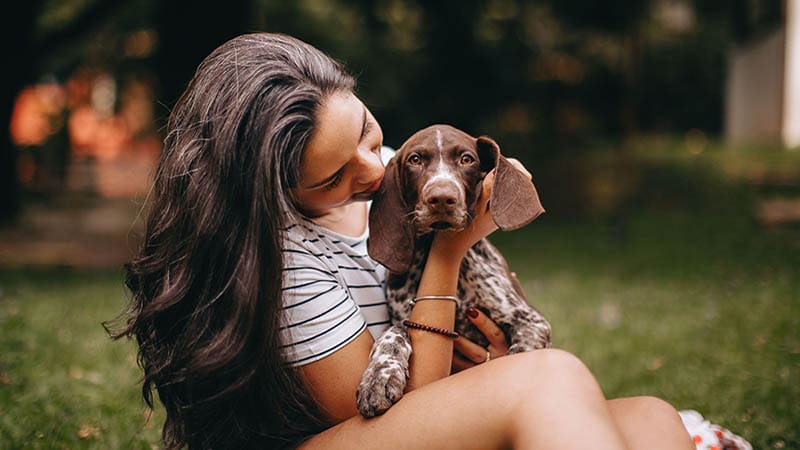
Why Do Dogs Become Homeless?
This is the part that makes us particularly angry. If we think of ourselves as being on the other end of the struggle, where we need to find solutions for every dog that comes into our care, abandonment is ridiculously easy. Not because it is emotionally easy to stop caring for an animal, but because the situations that can lead to abandonment are often easier to fall into than people realize.
Throughout the years, we have studied these cases extensively. Here are some of the most common causes for dog abandonment.
– Accidental litters from unneutered animals.
– Financial hardship
– Owners moving or losing the family home with relocation to a place that does not allow animals (like a shelter or a relative’s house)
– Illness or death of the owner
– Unrealistic expectations about dog ownership.
As unfortunate as they all are, not all scenarios are completely unpreventable. With careful planning and attention, owners could even overcome some of these situations. ROLDA is just one organization that intervenes to help struggling dog owners in an attempt to get ahead of the actual abandonment.
Preventing Abandonment Before It Happens
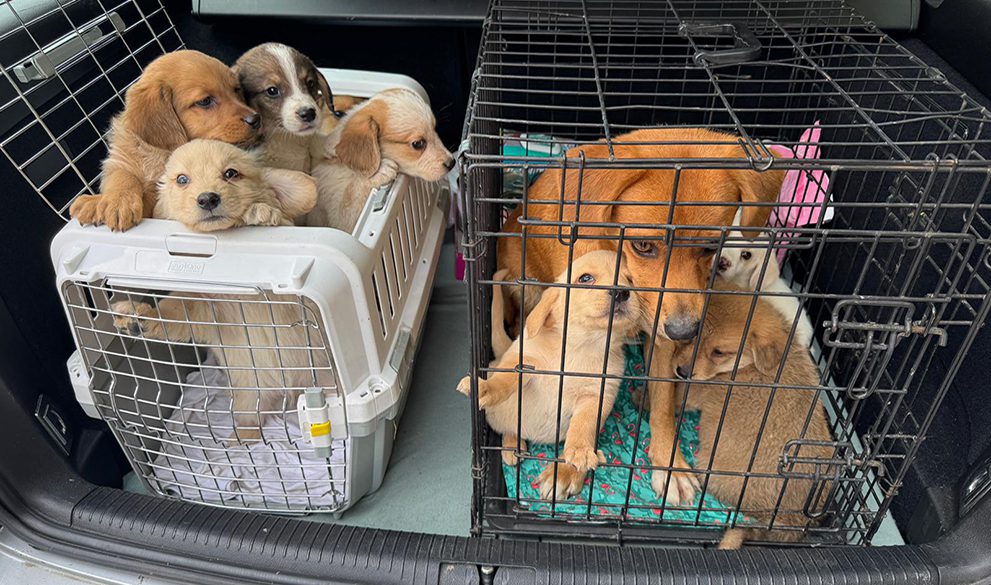
The main problem with abandonment is that it has a multiplying effect. As in, one unsterilized dog someone carelessly abandons will lead to a new litter of homeless pups. Meanwhile, we struggle to rescue and rehome our residents one at a time. This is why we are so invested in this issue.
Ways in Which We Try to Prevent Abandonment
Sterilization Campaigns
Unwanted litters are a problem for dog owners as well. Imagine struggling to feed one dog and suddenly ending up with five or seven more. Yet, despite how problematic this situation would be for many people, there are still owners who do not spay or neuter their dogs. Whatever their reasons, we organize free sterilization campaigns and help as much as we can.
Temporary Assistance During Financial Hardship
We are often asked why we would step in and financially help dog owners when we could be using the money to provide for the dogs in our shelters. However, how we see it, one abandonment prevented means one less dog to pick up from the streets, shelter, treat, and prepare for adoption. Why go through the entire process when we can help their current owners keep them?
Asking for Help in Difficult Situations
As mentioned before, some situations are out of the control of dog owners. And we understand. The death of the owner, of another family member, the loss of the home, or someone in the family being diagnosed with an illness – all of these are scenarios that require a drastic rethinking of the family resources. Nobody wants this, but it’s survival, not comfort. In these situations, we would much rather the dog be surrendered to us instead of having him go through the traumatic experience of being abandoned.
Thorough Vetting before Adoption
Don’t think that just because we are such experts in rescue and adoption, we did not have some of our dogs returned or, worse, abandoned. But we have grown a lot in our activity, and we have learned to ask the difficult questions to make sure future owners don’t have unrealistic expectations about life with a pet.
Education Campaigns
Things are different now than they were when we first set up ROLDA. They are still not ideal, but even we can notice a shift in owners’ attitudes toward their pets. We could even say that we feel like we are not talking to the same type of people.
But this did not change overnight. It was a process that took time, determination, and someone actually stepping in to assume the responsibility of teaching people about the proper ways to treat their pets.
Despite what we may have come to think at some point, homeless dogs are not an inevitable reality. And even situations that are close to abandonment can be avoided. If people chose to sterilize their pets, if they chose to provide proper veterinary care instead of letting health issues develop into situations they cannot handle, and if they reached out to organizations such as ours when things become difficult, there would be fewer dogs on the streets. But, most importantly, if people truly committed to caring for their pets for the rest of the animals’ lives, that would be the massive change we want to see.

Do you want to hear more news about our stories?
Related content
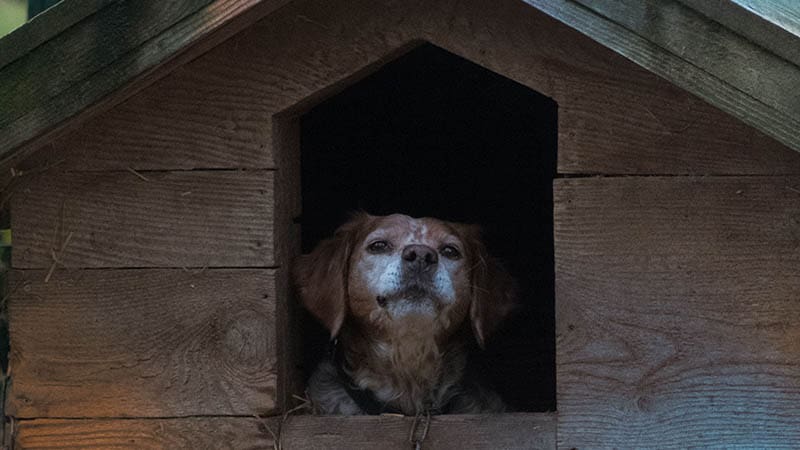
How Sponsoring a Shelter Dog Can Change a Life Before Adoption
Adopting a shelter dog is the most beautiful act of kindness people could ever do in their lives. It is a gesture in which they take in a soul that was once abandoned and give it a home and a purpose. And then, they get to watch it thrive, and their lives grow richer and ... The Connection Between Responsible Pet Ownership and Fewer Homeless Dogs
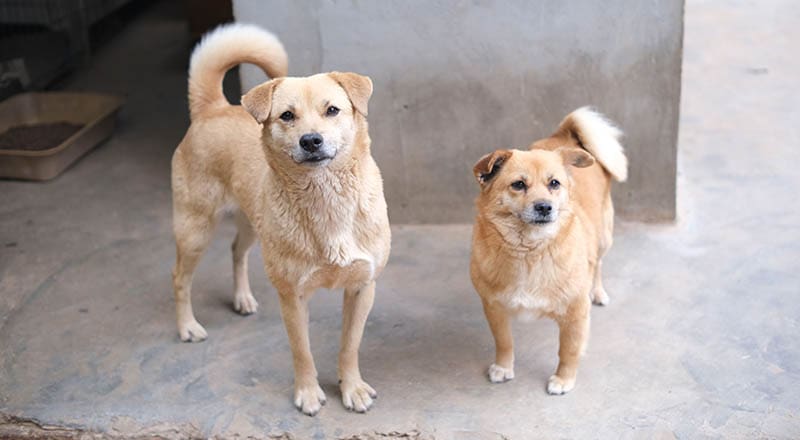
Supporting Rescue Dogs Through Donations When Adoption Is Not an Option
And as the rescue van took the suffering dog away, the people in town sighed with relief, thinking the poor soul was now safe and off to live a better life. The End Cute, but wrong! As an organization dedicated to bettering the lives of dogs and animals in general, ROLDA’s mission is to get ... The Connection Between Responsible Pet Ownership and Fewer Homeless Dogs
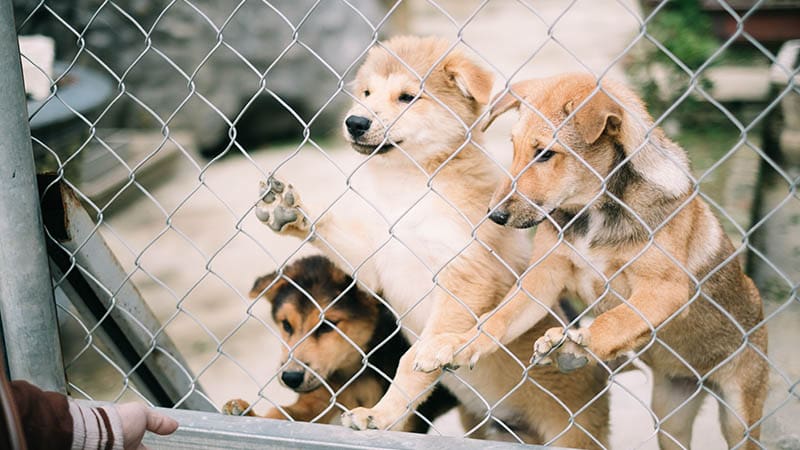
Why Regular Donations Are Essential for Keeping Rescue Shelters Running
What do you think is the most expensive part of running a dog shelter? Some people might think it’s the dramatic animal rescue missions. Others might say it’s the complicated medical procedures needed to put the poor animals back together or even the latest recovery and rehabilitation therapies. Both groups are wrong. The most expensive ... The Connection Between Responsible Pet Ownership and Fewer Homeless Dogs

The Life-Changing Impact of Dog Adoption on Both Pets and Their New Families
Who benefits more from a shelter adoption? The dog that has just received a chance at the perfect life in a loving home with a caring family? Or the family that has just become whole with the addition of the cutest, most loyal, and most lovable member? Both sides will. It’s a win-win type of ... The Connection Between Responsible Pet Ownership and Fewer Homeless Dogs
Creating Hope for Homeless Dogs: How Every Act of Kindness Makes a Difference
Overwhelmed. This is how animal lovers feel when they see so many struggling animals. Some people try to help, try to save the ones they come across. But once they start seeing the need, they cannot unsee it, and there are always so many animals in distress. Who could ever help them all? That is ... The Connection Between Responsible Pet Ownership and Fewer Homeless Dogs