non-US support +44 (0)161 531 8801
























Signs your dog might need a vet visit: don’t ignore these symptoms
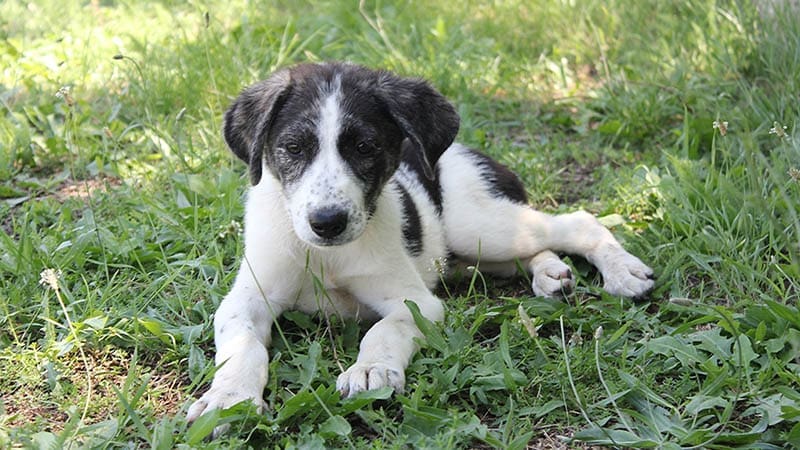
The great part about having a dog is that you get to come home to them every day, play with them, get doggy cuddles, and give them treats, hugs, and kisses.
A drawback of having a dog is they can’t inform you when something’s wrong. But don’t worry! That’s why you’re reading our blog. With nearly 20 years of experience working with dogs—including those with various medical issues, from serious injuries to undiagnosed conditions—we can guide you on what to watch for and which signs should never be overlooked.
Why is it best to keep an eye out for these early signs? Early diagnosis usually gives the best chances of recovery with the least amount of intervention, depending on the condition.
Also, knowing when to act will help you avoid jump scares from things that should be kept in check but do not necessarily require a trip to the vet.
Skin and coat problems
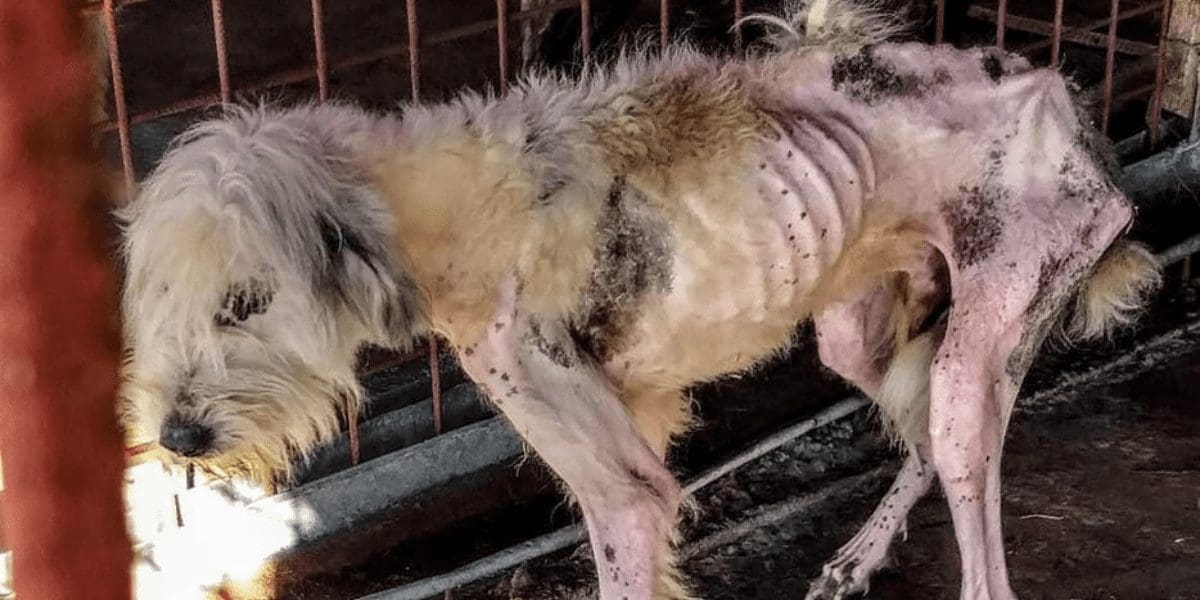
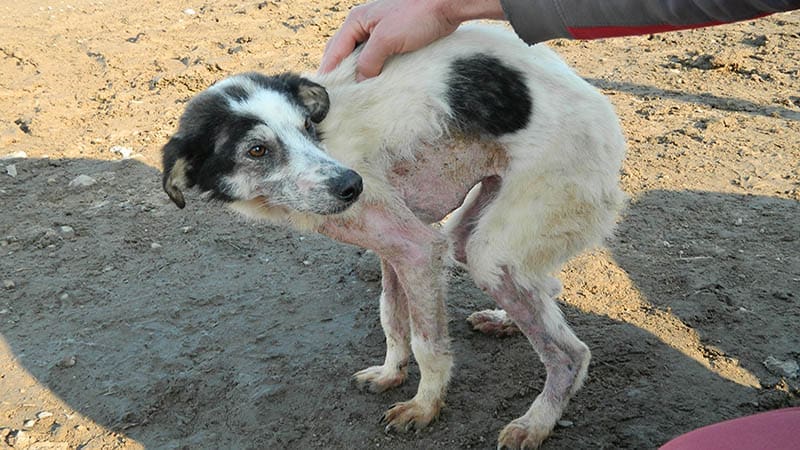
The upside of skin and coat issues is that they are visible. Therefore, if you notice persistent scratching, licking, or biting at the skin, or you see your dog insisting on gnawing on the same spot until it becomes a bald patch that looks sore and has a bad odor, it’s time to pick up the phone because your dog might have a skin infection.
You should also look at the fur. If you already feed your dog the right food, the coat should be shiny and thick. But if you notice excessive shedding, if it looks dull, brittle, and matted, then maybe you should see what could be causing these changes. Poor nutrition is usually at the root of this, followed by allergies and hypothyroidism.
Ears, eyes, and mouth concerns
Red, smelly, and painful ears usually mean an ear infection. It’s best to have that checked out and get a course of antibiotics prescribed.
Excessive drooling and bleeding gums—anything that looks different about the mouth might not be an emergency, but it should eventually be seen by a vet. Excessive tearing of the eyes is also an emergency. Discharge, swelling, redness, or bleeding of any kind from these organs is an emergency.
Look for changes in diet and habits
The first sign that something is wrong is a refusal to eat. If it’s been almost one day, contact the vet. If it’s just one skipped meal, wait a bit.
Excessive thirst and urination mean your dog should be seen by a vet immediately to check for kidney problems. How do you know what is excessive? Doubling the number of times your dog pees in a day or how much water he drinks should be a clear indicator.
Changes in weight are also suspicious, especially if they are very sudden. We are talking about both weight loss and weight gain.

Changes in energy leve
Not all dogs are just as perky and friendly. But you know exactly how your dog is. If he starts hiding and no longer shows interest in things he used to like, like treats, walks, playtime, or his favorite toys, this is a clear sign that something is wrong. Sudden lethargy is one of the main signs that a dog is unwell.
So are sudden aggression or anxiety. When physically ill, animals feel exposed and see everything as a threat. Remember that a hurt dog is a danger even to those trying to help him. This is why you should only let the professionals approach.
If you notice such strange changes, contact your veterinarian. Please do not insist on handling things yourself or being intrusive with the dog in his personal space. Wait for professional advice.
Digestive problems
Random episodes of diarrhea and vomiting might occur, and you should not worry too much, although you should remain alert. On the other hand, episodes lasting up to one day are a reason for concern, and your dog might need treatment.
Also, anything coming out of the digestive tract with blood in it warrants an urgent visit to the vet. Bloating, straining, and frequent attempts to vomit also warrant a visit. Dogs often swallow things that should not be swallowed and things that cannot be chewed. These can remain stuck anywhere from the throat to the colon and might cause serious problems. Call a vet for any of these, as your dog might need medical intervention to get them out.
And yes, these may be life-threatening conditions.
Breathing difficulties
You already know to look for these, as they are hard to miss. They include coughing, wheezing, or shortness of breath. If you hear your dog doing this, don’t force him to walk. Instead, allow him to rest while you contact the vet and get some pointers as to what to look for further.
Persistent nasal discharge or sneezing might mean your dog has caught a cold. Yes, dogs do that, too.
It’s best to keep an eye on him and make sure the stuffy nose does not prevent air from entering. Contact the veterinarian if the symptoms do not improve in a couple of days or worsen, such as if the nasal discharge changes color and texture.
But if you notice your dog is already open-mouth breathing while resting (different from its usual panting) and/or blue-tinged gums, you should seek emergency care immediately. The blue gums might mean already low oxygen levels in the blood. Paired with the difficult breathing, these are clear signs you should head for the vet clinic.
Joint and mobility issues
Other obvious signs that are hard to misinterpret relate to your dog’s mobility. These include sudden limping, joint stiffness, refusal to move, or difficulty going up and down stairs. While muscle strains or minor accidents can cause these symptoms, it’s important to ensure they don’t persist for too long and that your dog resumes normal movement quickly.
Whining when touched or refusal to move are concerning, while inability to move and stand are clear emergencies.
This article aims to highlight some minor details you might overlook. We trust you to rely on your instincts and respond appropriately when the threat is clear and serious.
Support the ROLDA Rescue Team and make every rescue possible!
Do you want to hear more news about our stories?
Related content
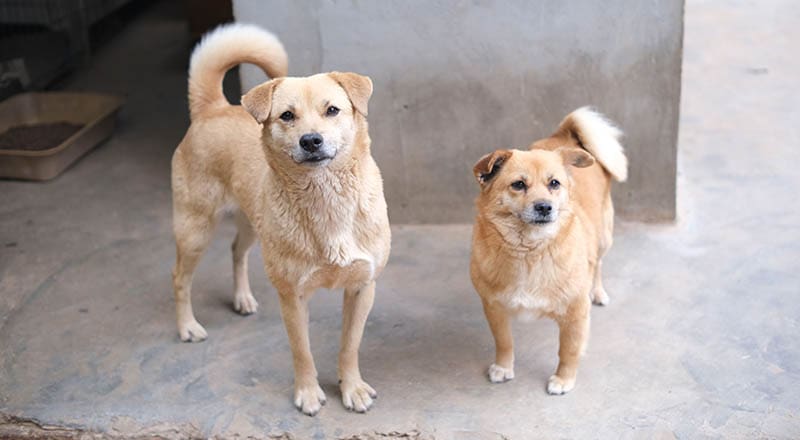
Supporting Rescue Dogs Through Donations When Adoption Is Not an Option
And as the rescue van took the suffering dog away, the people in town sighed with relief, thinking the poor soul was now safe and off to live a better life. The End Cute, but wrong! As an organization dedicated to bettering the lives of dogs and animals in general, ROLDA’s mission is to get ... Signs your dog might need a vet visit: don’t ignore these symptoms
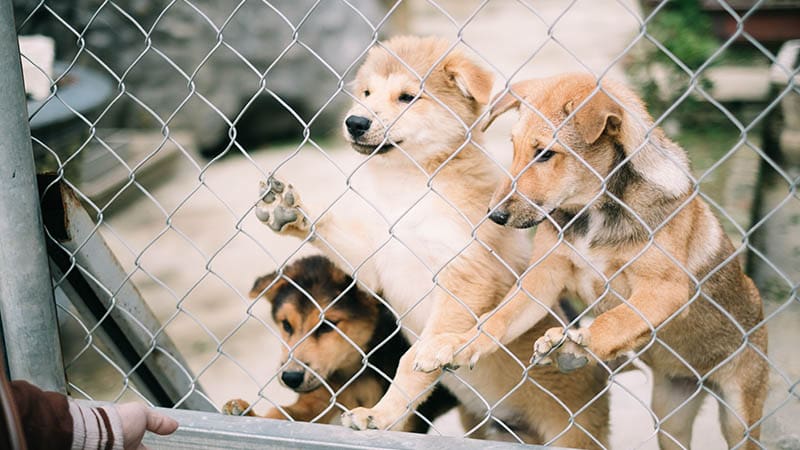
Why Regular Donations Are Essential for Keeping Rescue Shelters Running
What do you think is the most expensive part of running a dog shelter? Some people might think it’s the dramatic animal rescue missions. Others might say it’s the complicated medical procedures needed to put the poor animals back together or even the latest recovery and rehabilitation therapies. Both groups are wrong. The most expensive ... Signs your dog might need a vet visit: don’t ignore these symptoms
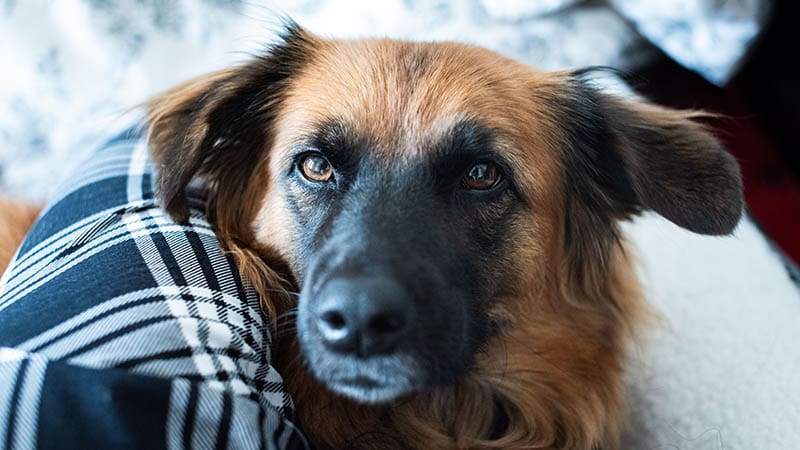
The Life-Changing Impact of Dog Adoption on Both Pets and Their New Families
Who benefits more from a shelter adoption? The dog that has just received a chance at the perfect life in a loving home with a caring family? Or the family that has just become whole with the addition of the cutest, most loyal, and most lovable member? Both sides will. It’s a win-win type of ... Signs your dog might need a vet visit: don’t ignore these symptoms
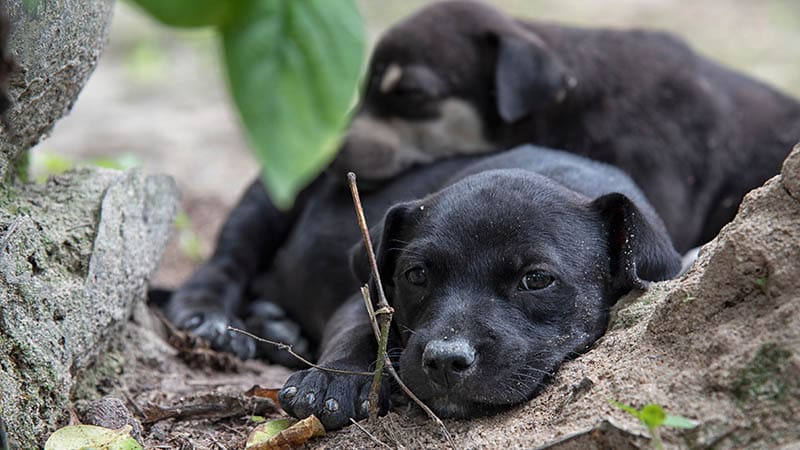
Creating Hope for Homeless Dogs: How Every Act of Kindness Makes a Difference
Overwhelmed. This is how animal lovers feel when they see so many struggling animals. Some people try to help, try to save the ones they come across. But once they start seeing the need, they cannot unsee it, and there are always so many animals in distress. Who could ever help them all? That is ... Signs your dog might need a vet visit: don’t ignore these symptoms
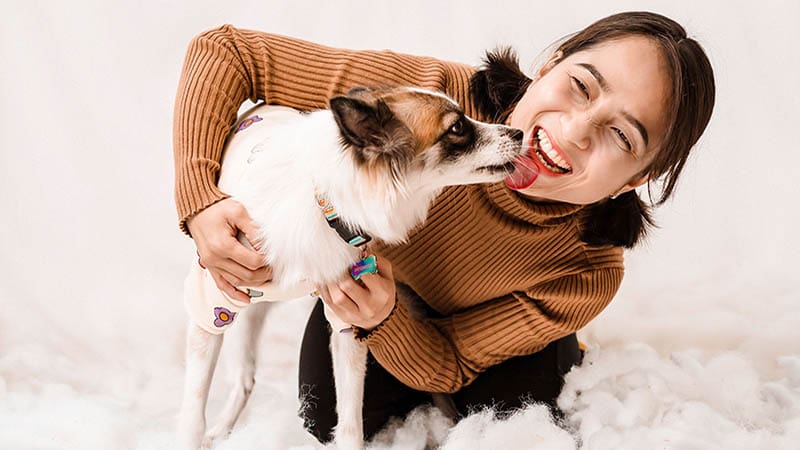
How Shelter Dogs Teach Us the True Meaning of Unconditional Love
Something that will never cease to amaze us in our line of work is how animals that end up in our shelter after having experienced neglect, malnourishment, cruelty, and abandonment at the hands of our fellow men can still wag their tails when they see people. Even we, the rescuers, are sometimes put off by ... Signs your dog might need a vet visit: don’t ignore these symptoms