non-US support +44 (0)161 531 8801






















Seasonal Dog Care: Keeping Your Pup Healthy Year-Round
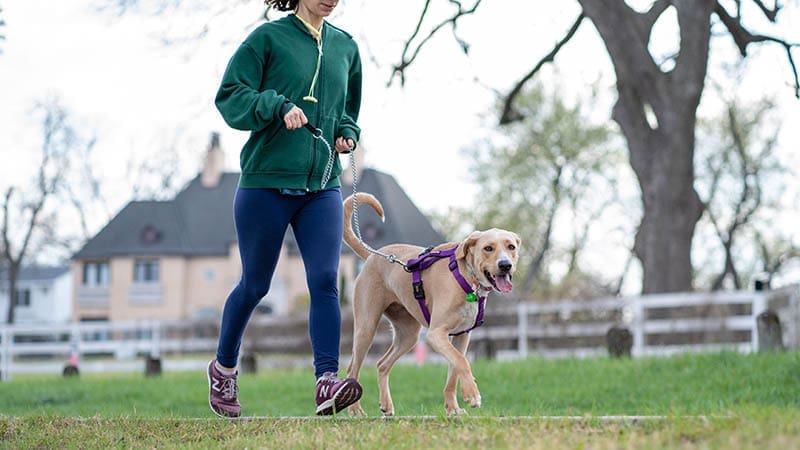
Experienced dog owners know that caring for a dog can look different in summer than in winter. And it should come as no surprise, given the fact that each season brings its own opportunities and challenges.
A first-time dog owner might get overwhelmed by the idea of having to do things differently in each season. But rest assured! This is nothing that a proactive attitude and a little bit of preparation cannot fix. Read the article, talk to your vet, and in no time, you will be handing out expert advice to other first-time dog owners, especially on how to provide seasonal care for a pet.
Protection, Prevention, Transition, and Comfort
Don’t worry! Although your routines may vary from season to season, your dog will not become a completely different animal with a new set of needs. You will just need to adapt what you usually do to the changing season.
It is all very intuitive and nothing too challenging to achieve with a bit of foresight and careful planning.
Here is what to prepare for in each season.
Spring – Routine Changes and Prevention Programs
After several months of hibernation, spring challenges all creatures to come out and reconnect with nature. It goes for animals and humans alike, and it goes for you and your dog.
Therefore, after spending so much time indoors in heated rooms, doing minimal exercise, and mostly moving only when necessary, you will want to be more active outdoors.
This could mean longer walks, more time in the park, planning doggy playdates, and spending time in the yard, all of which are wonderful if you prepare in advance.
The Best Time for Parasite Prevention
Once you step out of the comfort and safety of your home, your dog will become exposed. It’s best to start the preventive treatments to keep it safe throughout the warm season. This will cover fleas, ticks, and internal parasites alike.
Although spring and summer are peak seasons for ticks—the most dangerous parasites—using scheduled treatments is a safer way to protect your dog. Relying on the weather (since ticks tend to multiply in tall grass after rain) or avoiding overgrown grassy and damp wooded areas, which are common breeding sites, may not be enough.
Simply knowing that this is something you do every spring will lighten the mental load and be another thing to check off the list.
Watch out for Chemically Treated Areas
Spring is also the time of year when people do a lot of gardening and might use pesticides and fertilizers on their lawns and gardens. City administrators might choose to do so in public parks.
Make sure to watch out for signs and don’t let your dog wander off onto other people’s properties because you don’t know if they have used these chemicals on their lawns or gardens.
Watch for Seasonal Allergies and Toxic Plants.
Dogs could be affected by spring allergies just like people. Watch out for itching, watery eyes, sneezing, and excessive paw licking after your walks.
Some of the spring plants are dangerous to dogs. These include tulips, daffodils, azaleas, hyacinths, rhododendrons, and lilies of the valley. Keep your dog on a leash when walking past gardens with such plants. Also, if you receive a bouquet of spring flowers that contains any of the above-listed flowers, keep it out of the dog’s reach.
Spring Grooming
Spring grooming is different because it requires more frequent brushing to remove the winter coat your dog is shedding. You might want to brush daily, or at least every few days, because matted fur that is not removed can trap moisture near the skin, causing irritation and other skin problems.
Depending on your dog’s fur type, pick the right tools and the frequency. Some breeds may need a de-shedding tool or an undercoat rake, while short-haired dog owners can achieve good results with a rubber grooming mitt.
Make sure to do this before bathtime, because wet hair is more difficult to remove.
Summer – Hydration and Heat Safety
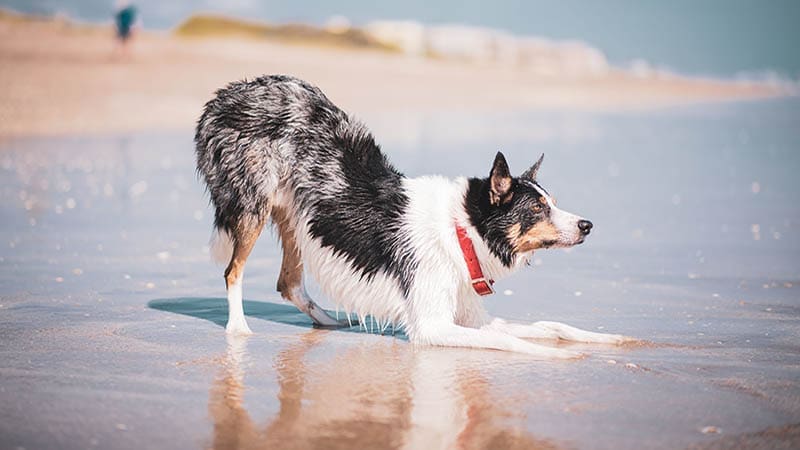
Regardless of whether you and your dog are adventurous, you will still have to go outside in the summer. While the heat is the main element you need to plan around, it can significantly alter your entire routine. And we are not necessarily talking about intense heat waves, but about the whole of summer, given how temperatures have risen worldwide.
Watch Out for Heatstroke.
There is no fixed timeframe for how long a human or a dog needs to be out in the sun or exposed to excessive heat before they get heatstroke. It mainly depends on the body’s reaction and the temperature.
So, if it is incredibly hot, even a few minutes outside in the sun can have adverse effects. The situation worsens if you have a senior dog, one with medical problems, or a puppy.
Moreover, heatstroke can progress quickly, so if you notice symptoms, take the necessary steps to help your dog cool down and get to a veterinarian for a check-up, even if you see your dog is coming around. Watch out for excessive panting, drooling thick and sticky saliva, lethargy, vomiting or diarrhea, disorientation, or bright red or dark gums.
Paw Protection
The scorching pavements are no fun to walk on. If you are wearing flip-flops and notice how hot the pavement is, even though your soles are still protected, imagine what it is like for your dog to walk on it with his paws. Always check the pavement temperature with your hand. If you can keep your hand pressed on it for several seconds without feeling it too hot, your dog can comfortably walk on it.
NEVER Leave Your Dog Unattended in a Locked Car.
There is no circumstance in which this could be safe. Even with a cracked window, the temperature inside a car will be twice as high as it is outside.
Every year, dogs die inside parked cars in summertime. In most cases, it happens in the first 10-20 minutes after their owners walk away. Don’t add to this number!

Autumn – Transitioning Back to the Cold Season
Autumn is not necessarily a challenging season. However, it is a time to make the switch from outdoor to more indoor activities. This means that while you and your dog have grown accustomed to long evening walks, you are now experiencing shorter, colder days. If your walks were early in the morning, these might be hindered as well.
Switching to Less Activity
It’s great to get a lot of exercise in summer, but it is natural that, as autumn rolls in, the body tends to want to rest more. It goes for humans and animals alike. The best thing to do is to let your bodies rest, but also adjust your food intake to match your level of activity. Obesity is problematic for all.
A Nuisance to Clean
Heavy rain and muddy streets mean you need to clean your dog more often after a walk or a sprint outside.
Health Issues for Senior Dogs
Younger dogs and pups might not be much affected by the seasonal change, but senior dogs might feel the dampness and cold in their joints. Mind your dog’s age, and if you notice any difficulty walking, running, or climbing onto the sofa, get them checked by their vet. This is precisely when joint pain is most unbearable, and it would help your furry friend a lot if you could provide the proper care and medication.
Fall Perils Hidden in the Leaves
With all the sidewalks covered in fallen leaves, your dog might step on something that might hurt his paws. Wearing doggy boots could provide protection and help keep warm.
Winter – Cold protection and mental stimulation
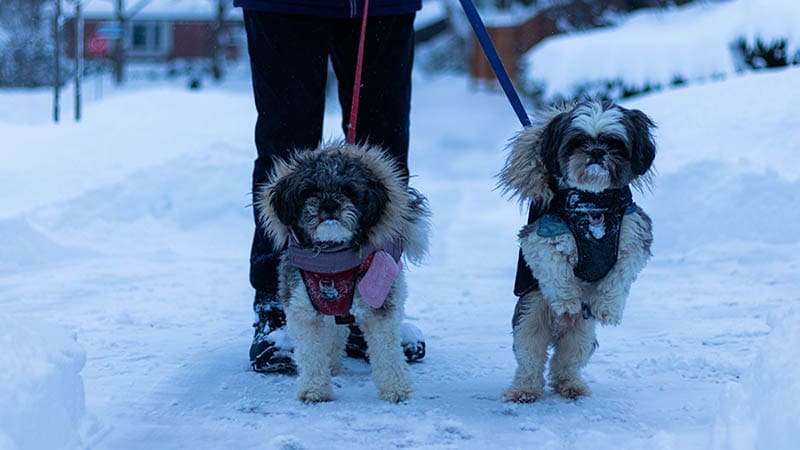
The main issue in winter is making sure everybody in your household keeps warm. Everything else is secondary, but it still implies watching out for a few things.
Not All High Temperatures in Winter are Good
Overheating your house is just as bad as not heating it at all. Also, some breeds handle temperatures differently from others. Find common ground with your dog and settle on the best temperature.
Watch Out for De-Icers
Even if your dog seems comfortable walking outside without doggy boots, consider that the cold might not be your only concern in winter. People use salt and other de-icing formulas that are aggressive when in direct contact with the skin.
Indoor Mental Stimulation
Because you can’t play and frolic outside as in the warmer seasons, your dog will need indoor games to keep up its mental stimulation. Even though the cold season is meant for physical rest and hibernation, 3-5 months of inactivity is a long time. Have some activities prepared before boredom sets in.
Holiday Safety
When tables overflow with festive food, you can expect your best friend to come sniffing around. But you need to remember his food restrictions because they have a purpose. Chocolate, grapes, xylitol, fatty foods, gravy, and dips are all bad for dogs.
No matter how much your dog begs, not giving in shows you care because you don’t want to see your best friend get sick.
Also, the winter holidays often mean firecrackers and fireworks. Many dogs are terrified of those. If you live in a neighborhood with lots of street parties and loud noises over the holiday, create a safe space where your dog can hide away from the sounds.
You might need some help in your first years as a dog owner, but after you go through the seasonal changes once or twice, you will notice that you instinctively know what to do. Remember to adapt and to pay attention to your dog’s real needs. These can also change from one year to another. You got this!
Do you want to hear more news about our stories?
Related content
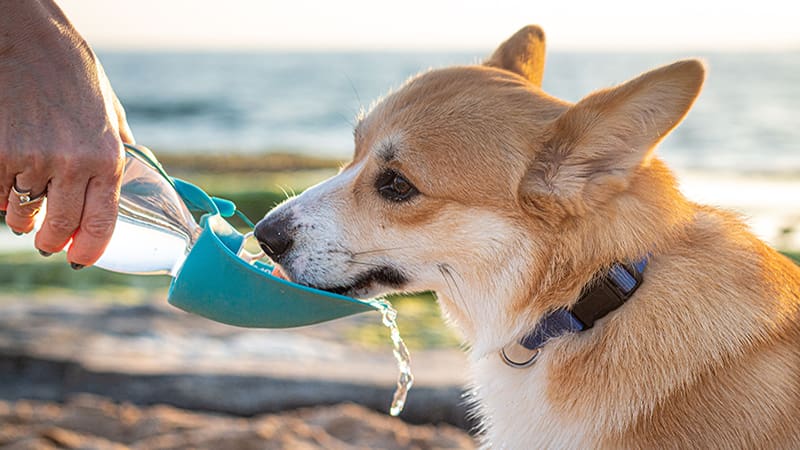
Why Is My Dog Drinking So Much Water? When Thirst Becomes a Warning Sign
‘Didn’t I just fill your water bowl?’ This is how it starts: you notice your dog’s water bowl is often empty. Like any responsible dog owner, you start to wonder whether your dog is drinking more water than usual and whether this should concern you. Before jumping to conclusions, know that there are many reasons ... Seasonal Dog Care: Keeping Your Pup Healthy Year-Round
Why Legacy Donations Can Create a Brighter Future for Shelter Dogs
Every donation we receive is an act of compassion toward our dogs. We are grateful for each one and for every person who wants to help us change the story for thousands of dogs. And if donating makes you feel happy for having contributed and become part of the story, know that there is a ... Seasonal Dog Care: Keeping Your Pup Healthy Year-Round
How Adoption Stories Inspire More People to Help Animals in Need
One of our favorite online trends is the posting of pictures with happy dogs and their new families, with those big ‘ADOPTED’ signs! And it’s hard not to share in the enthusiasm. The adoptive family took their time setting things up; they got the floof ready, bathed, brushed, and smelling like a million bucks. And ... Seasonal Dog Care: Keeping Your Pup Healthy Year-Round
How Sponsoring a Shelter Dog Can Change a Life Before Adoption
Adopting a shelter dog is the most beautiful act of kindness people could ever do in their lives. It is a gesture in which they take in a soul that was once abandoned and give it a home and a purpose. And then, they get to watch it thrive, and their lives grow richer and ... Seasonal Dog Care: Keeping Your Pup Healthy Year-Round
Supporting Rescue Dogs Through Donations When Adoption Is Not an Option
And as the rescue van took the suffering dog away, the people in town sighed with relief, thinking the poor soul was now safe and off to live a better life. The End Cute, but wrong! As an organization dedicated to bettering the lives of dogs and animals in general, ROLDA’s mission is to get ... Seasonal Dog Care: Keeping Your Pup Healthy Year-Round