non-US support +44 (0)161 531 8801




















Not the story people expect: inside a front line evacuation in Ukraine
By Dana Costin, founder of ROLDA
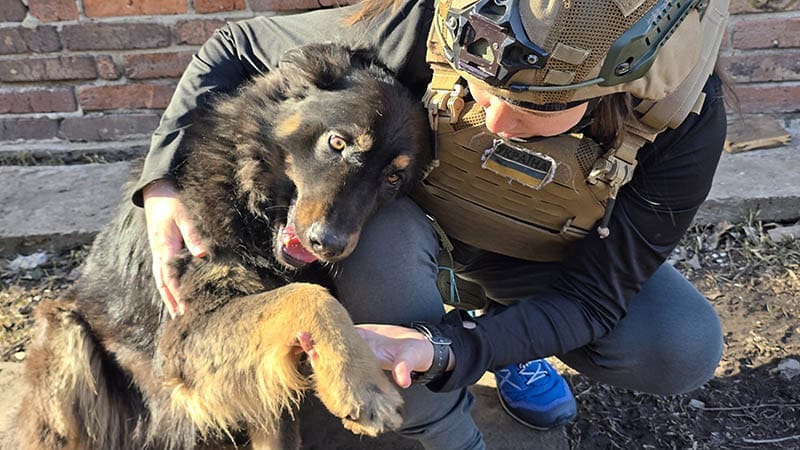
I’ve just returned from another journey into eastern Ukraine, near the Donbas front line, an area where the war never really recedes, it only pauses.
When people imagine animal evacuations in a war zone, they often picture urgency and spectacle: shattered buildings, animals pulled from debris, vans racing against time. That does happen.
But those are not the moments that stay with me.
What lingers are the quiet exchanges, the ones that take place in doorways, in silence, before the engine starts.
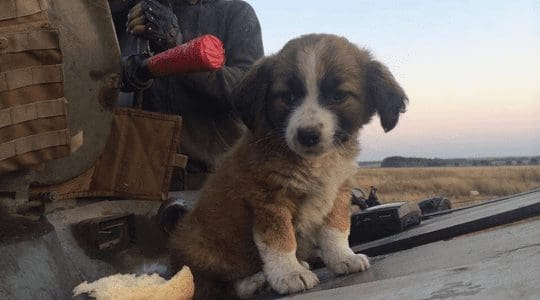
One woman, elderly and unsteady on her feet, met us at her threshold. Before letting go of her dog, she broke off a piece of bread from the small loaf she had left and pressed it into his mouth. Then she bent down, whispering something I couldn’t hear. It lasted only seconds. She handed us the lead, turned away, and walked back inside. I never learned her words. I already understood them.
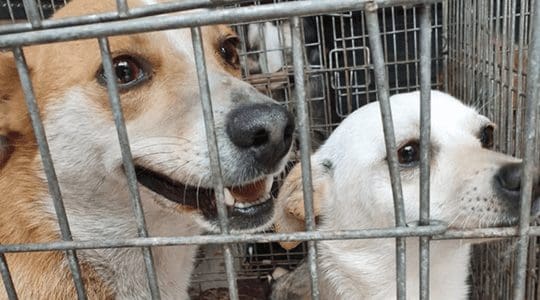
Another man, retired, stood waiting with his large female dog. She had been sedated to make the journey possible. She was heavy, and he was not young. When we offered to help, he shook his head. Carefully, slowly, he lifted her himself, carried her to the van, and placed her into the crate. He adjusted her position, smoothed her fur, and lingered there for a moment before stepping back. Then he left.
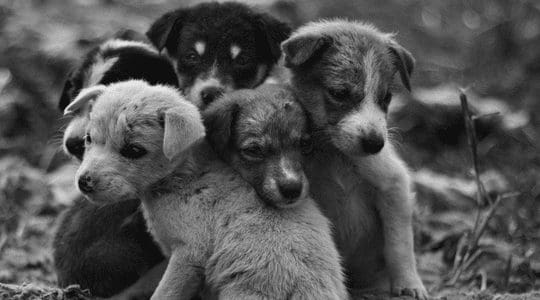
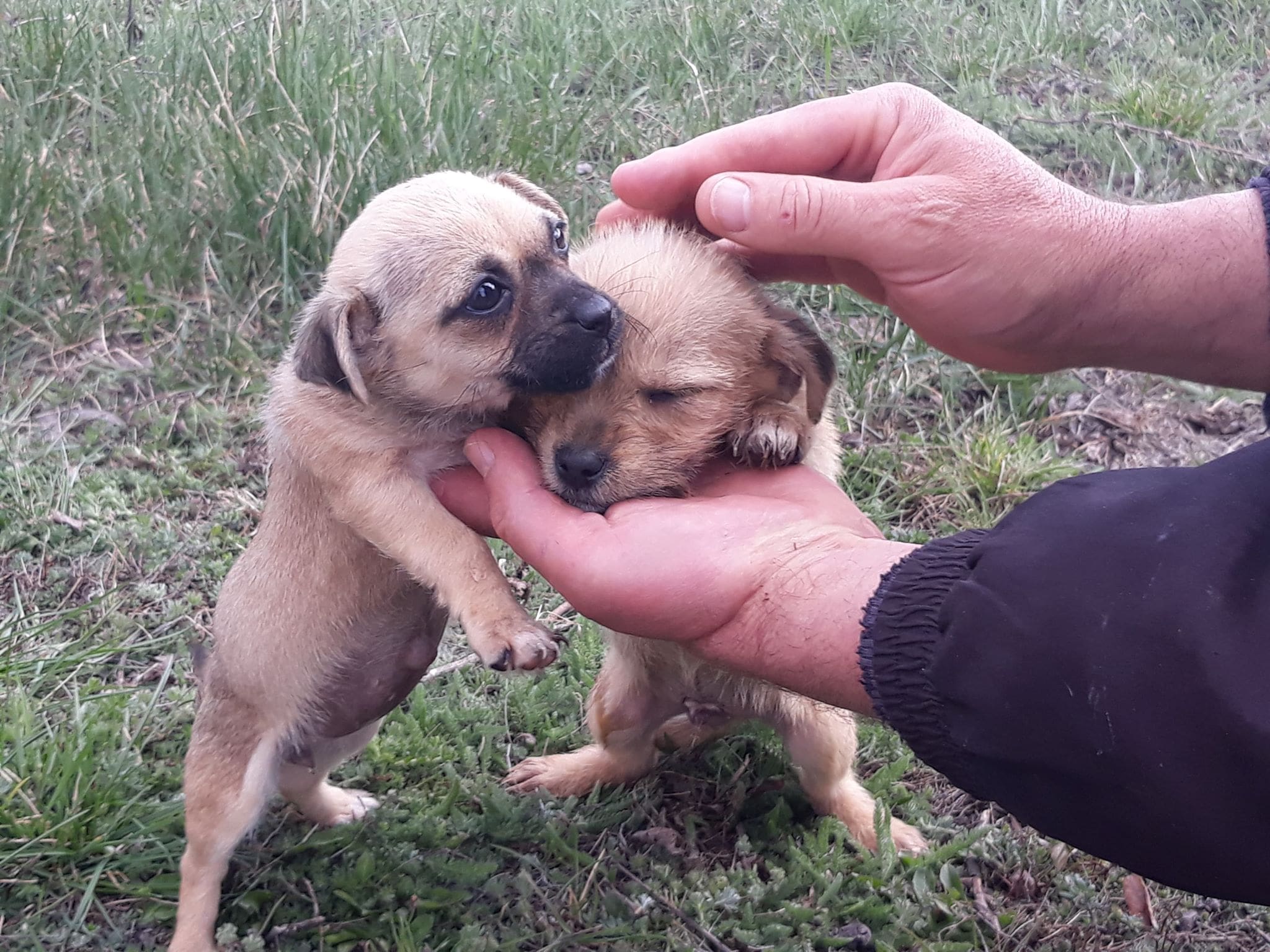
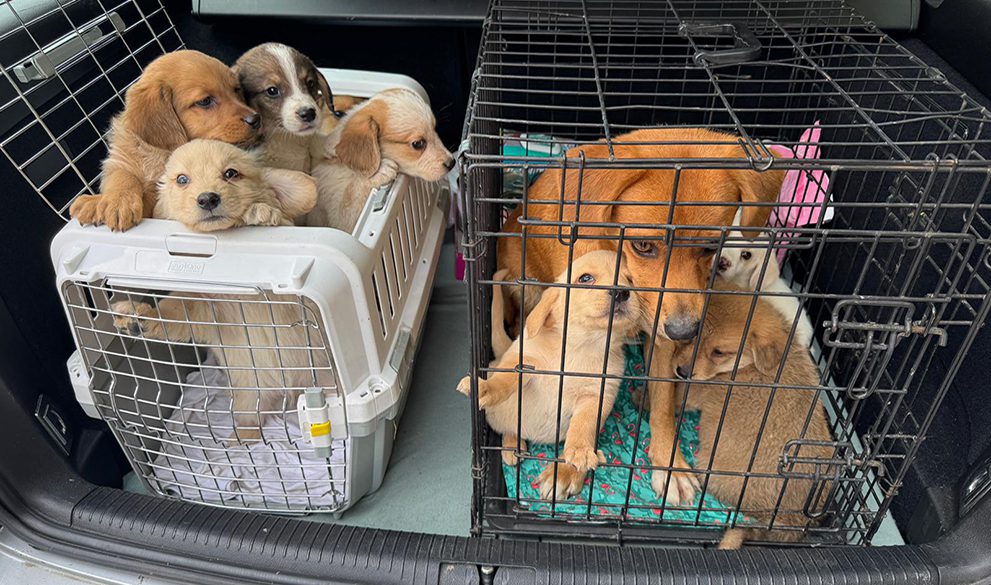
We also pulled a mother dog and her eleven newborn puppies from underneath an apartment building that was close to collapse. The puppies were unaware of the danger surrounding them. Their mother was not. Her body shook with every distant blast she heard.
This is what an evacuation really looks like.
It’s never only about animals
These missions don’t transport animals alone. Often, they are the last chance out for people too, civilians who waited until there was almost nothing left, then finally asked for help. If there’s room, we take them.
There’s much else that happens beyond what’s visible. We recover animals whose owners have died and who would otherwise be left behind. We act as the final link in a chain for other animal welfare groups that are not allowed so close to the front, moving animals they’ve secured to safer zones. And we reunite families with their pets after displacement, transporting animals to wherever their people have managed to relocate.
In the chaos of war, keeping that bond intact matters more than most realize. A family that has lost everything else should not also lose the last living connection to home if it can be prevented.
These evacuations do more than save individual lives. They preserve family units, human and animal, when war threatens to break them apart entirely.


What this work demands
People often say this kind of work requires heart. It does. But heart alone would not keep anyone alive out there.
What’s required is discipline, preparation, and the kind of judgment that only comes from experience. Each mission demands planning that resembles military logistics. Routes change constantly. Conditions shift without warning. There is no formal training that prepares you for being targeted by drones, yet the team I work with has survived three such attacks in recent months.
Skill is not optional. Neither is calm.
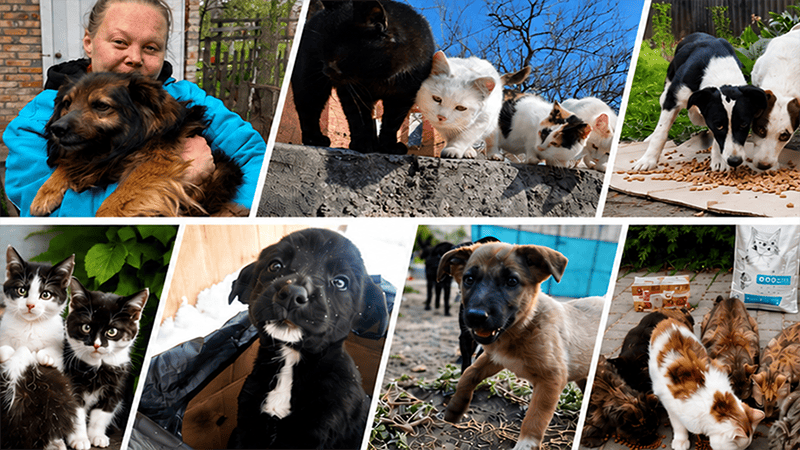
On this most recent mission, we evacuated 36 animals:
• 10 adult dogs
• 13 puppies
• 9 cats
• 4 kittens
There was one more, a large dog with eight puppies,who could not be taken that day because the vehicle was already full.
Ruslan will return for them.
He never leaves any animal behind.
Do you want to hear more news about our stories?
Related content
Why Is My Dog Drinking So Much Water? When Thirst Becomes a Warning Sign
‘Didn’t I just fill your water bowl?’ This is how it starts: you notice your dog’s water bowl is often empty. Like any responsible dog owner, you start to wonder whether your dog is drinking more water than usual and whether this should concern you. Before jumping to conclusions, know that there are many reasons ... Not the story people expect: inside a front line evacuation in Ukraine
Why Legacy Donations Can Create a Brighter Future for Shelter Dogs
Every donation we receive is an act of compassion toward our dogs. We are grateful for each one and for every person who wants to help us change the story for thousands of dogs. And if donating makes you feel happy for having contributed and become part of the story, know that there is a ... Not the story people expect: inside a front line evacuation in Ukraine
How Adoption Stories Inspire More People to Help Animals in Need
One of our favorite online trends is the posting of pictures with happy dogs and their new families, with those big ‘ADOPTED’ signs! And it’s hard not to share in the enthusiasm. The adoptive family took their time setting things up; they got the floof ready, bathed, brushed, and smelling like a million bucks. And ... Not the story people expect: inside a front line evacuation in Ukraine
How Sponsoring a Shelter Dog Can Change a Life Before Adoption
Adopting a shelter dog is the most beautiful act of kindness people could ever do in their lives. It is a gesture in which they take in a soul that was once abandoned and give it a home and a purpose. And then, they get to watch it thrive, and their lives grow richer and ... Not the story people expect: inside a front line evacuation in Ukraine
Supporting Rescue Dogs Through Donations When Adoption Is Not an Option
And as the rescue van took the suffering dog away, the people in town sighed with relief, thinking the poor soul was now safe and off to live a better life. The End Cute, but wrong! As an organization dedicated to bettering the lives of dogs and animals in general, ROLDA’s mission is to get ... Not the story people expect: inside a front line evacuation in Ukraine