non-US support +44 (0)161 531 8801






















How Much Sleep Does a Dog Need at Every Stage of Life?
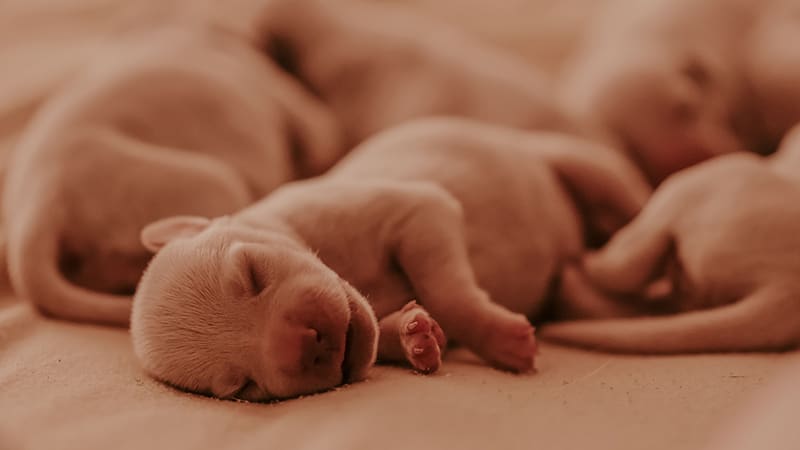
Nobody sighs deeper than a dog that has just plopped down on the couch for their second nap of the afternoon. And once the jealousy wears off, you might genuinely wonder whether your dog is sleeping too much.
You probably already know that dogs sleep more than humans. But how much is normal?
To answer this question, keep in mind that dogs’ sleep patterns vary throughout their lives. Nap length also depends on age, size, breed, daily activity level, and environmental factors.
There are general guidelines for what’s normal, but what matters most is what’s normal for your dog.
Why Do Dogs Sleep More Than Humans?
Dogs are polyphasic sleepers, meaning they sleep in several bouts throughout the day and night rather than concentrating most of their sleep in one long nighttime stretch, as humans typically do. This particular sleep pattern is an inherited trait from their canine ancestors. In the wild, short naps were safer because they let dogs recharge and wake quickly, alert within seconds.
Consequently, shorter sleep cycles mean less deep, restorative sleep. What we call REM (rapid eye movement), the deep phase of sleeping when you actually dream, is around 45 minutes for dogs compared to 90-120 minutes for humans. This explains why dogs need more naps throughout the day.
How Long Do Dogs Sleep in a Day?
There’s no single number that applies to every dog. Sleep needs vary by age and other factors, so your dog’s usual pattern matters more than any average. That said, many dogs sleep around 12–16 hours a day, considerably more than most adult humans.
Adult dogs could get 6-8 hours overnight and another 4-8 hours spread across several short naps throughout the day. The number varies widely depending on your dog’s age, breed, and activity level. Sleep needs shift throughout a dog’s life, so you will notice the biggest changes in puppies and senior dogs.
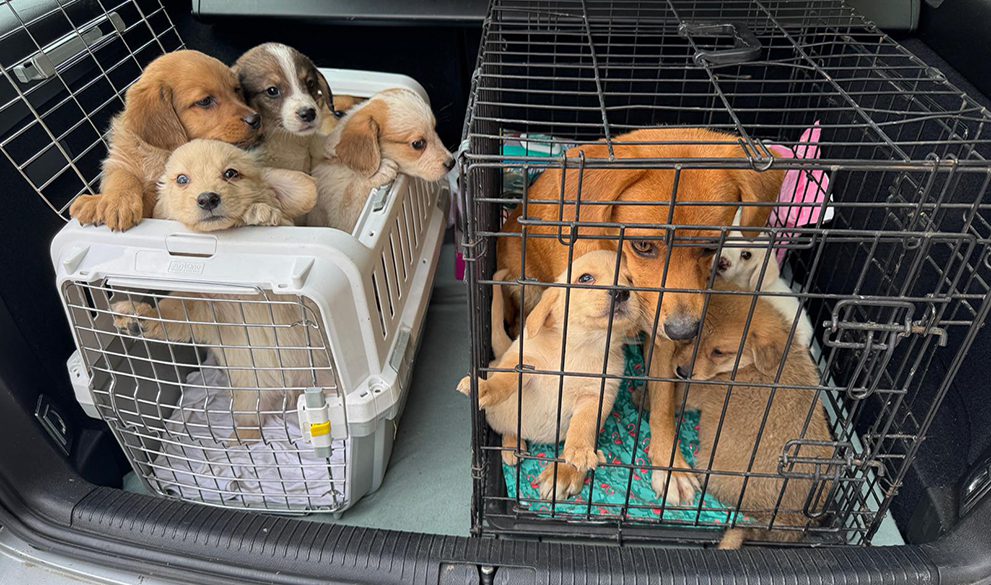
Puppies (young dogs aged 0 to nearly 18 months) need 13 to 20 hours of sleep every day. Rapid brain and body growth, along with short bursts of energetic play, means puppies need plenty of rest. Sleep also plays an important role in learning and memory.
A burst of frantic play followed by an almost instant crash into sleep, sometimes even mid-activity, is perfectly normal for puppies. It’s important to let them rest. Some people assume that exhausting a puppy during the day will help them sleep better at night. But too much stimulation and insufficient rest can leave a puppy overtired.
While adult dogs can sleep through the night—though potty breaks are still possible—puppies have the ‘month plus one’ rule for how long they can hold their bladder. This means they will wake up to pee often, making your first few weeks as a pet parent a bit challenging. Don’t take this as a strict rule, but as a possibility so you can know what to expect.
At five months, your puppy may still need overnight toilet breaks, though how often varies from puppy to puppy. They’ll need to get up, and you’ll probably have to, too. It’s a given, and they’ll grow out of it with time.
Whenever possible, let a sleeping puppy rest rather than waking them for play. They’ll need plenty of sleep between bouts of activity. They’ll need plenty of opportunities to nap throughout the day, so let them rest.
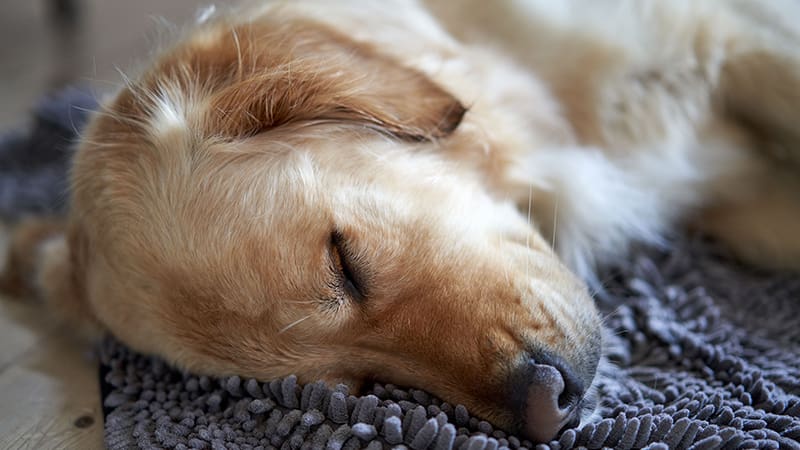
Adult dogs (1-7 years old) will still seem like they sleep a lot if you judge them by human standards. But 12–16 hours is pretty much standard, with personal baselines varying by activity level, size, and breed, all of which work together.
Dogs with demanding jobs or active lifestyles may spend less time resting while they’re working, but they still need enough sleep to recover. So, while their baseline might be on the lower side of the adult range, high-intensity workdays can send them into deep sleep faster.
Dogs with little to do during the day may spend more time sleeping or dozing, although excessive sleep can also have other causes.
Senior dogs (7+ years) often sleep more due to aging. Around 14-18 hours are required to support an organism undergoing changes such as a slower metabolism, less stamina, arthritis pain, or cognitive change. Some dogs will even sleep more.
One thing to watch for is a flipped schedule, where the senior dog sleeps more during the day and paces, whines, and gets restless at night. This could be a sign of canine cognitive dysfunction, a condition similar to dementia.
Other Factors That Influence How Long Dogs Sleep in a Day
Breed and size are both known to shift the numbers.
A dog’s daily activity level can influence how much rest they need. Dogs with demanding jobs or strenuous exercise routines may need additional recovery time.
Some breeds have been developed for work such as hunting, herding, or guarding, and may need more physical and mental activity than a leisurely household routine provides. While dogs will generally adapt to their home life and many will downshift and move at a slower pace, owners should not assume that all dogs can adapt to a nap-centered lifestyle.
Boredom is another reason for dogs to punch in more nap hours. While these dogs might sleep the day away, it isn’t necessarily a good thing. If they are still bright and alert when you call them, it’s all good. Exercise and playtime are vet-recommended parts of your furry friend’s balanced life. Dogs need appropriate exercise and mental stimulation, just as we do.
When Is It Too Much Sleep?
Now that you know what can influence your dog’s sleep, check how much sleep your dog actually gets. This is their baseline, their normal hours.
If your vet has confirmed that your dog’s usual sleep pattern is normal for them, you have a useful baseline to refer to. Pay attention to any noticeable or persistent change from that pattern, whether your dog starts sleeping more or less.
Several things can disrupt a dog’s sleep, from discomfort to changes in their environment. If your dog is sleeping less than usual, they may be uncomfortable, anxious, or reacting to a change in their environment. Pain or discomfort could make it difficult for them to settle into a comfortable sleeping position.
If your dog sleeps more than usual, seems lethargic, or loses interest in activities they normally enjoy, contact your vet. You should also do this if your dog’s sleep patterns change significantly or they seem unusually lethargic. If they’re difficult to wake, collapse, have trouble breathing, or develop sudden severe weakness, seek urgent veterinary care.
Dogs may spend a surprising amount of their lives asleep, and that’s usually nothing to worry about. Puppies need rest to grow, adult dogs need it to recharge, and senior dogs may need more of it as they age. What matters most is knowing what’s normal for your dog and noticing when something changes. If their sleep patterns shift significantly, or they seem unwell when awake, don’t brush it off as laziness or old age. Sometimes, paying attention to how your dog sleeps can help you spot a problem before other signs become obvious.

Do you want to hear more news about our stories?
You can unsubscribe from our newsletter at any time. See Privacy Policy
Subscribe footer org
Related content
Why Is My Dog Shedding So Much? Understanding Normal and Excessive Hair Loss
Life with a dog = dog hair on your clothes + dog hair on the couch + dog hair on your bed + dog hair in your car. By now, dog hair is probably stuck to your soul. So, if shedding is normal for dogs, why is it such a concern for so many owners? ... How Much Sleep Does a Dog Need at Every Stage of Life?
How to Trim Your Dog’s Nails Without Causing Stress or Injury
If you’ve never trimmed your dog’s nails before and you’re just starting this journey, congratulations! This is your chance to do things right from the start and avoid having a dog that gets traumatized and runs for cover every time those clippers come out. And if you’ve done your research, you’ve probably heard stories from ... How Much Sleep Does a Dog Need at Every Stage of Life?
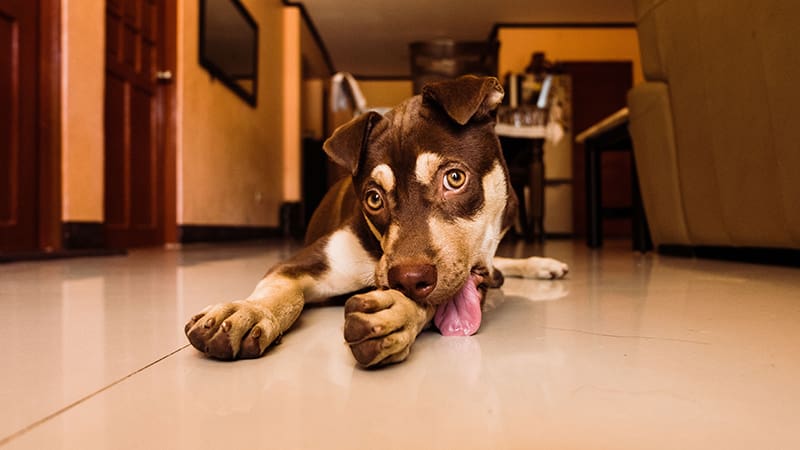
Why Does My Dog Lick Their Paws?
Common Causes Every Owner Should Know It’s a quiet evening at home, and everybody has found something to do before bedtime. Then you notice your dog focused on licking their paw. You know this is normal, and you’ve seen them do it a couple of times. But could it be happening a little too often? ... How Much Sleep Does a Dog Need at Every Stage of Life?
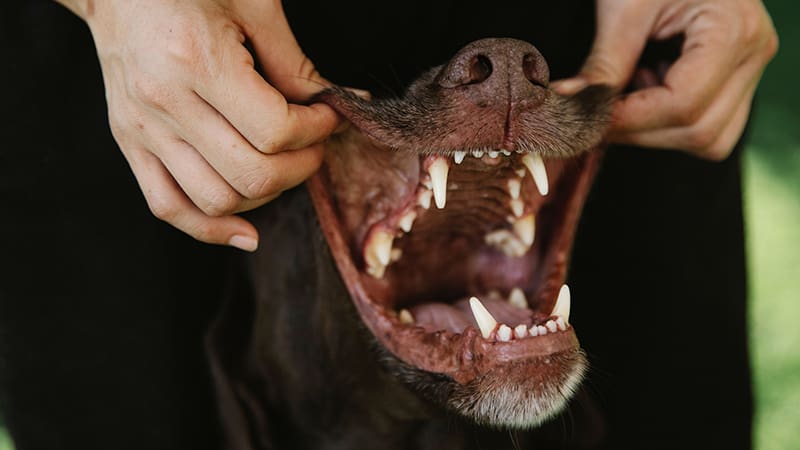
Dog Dental Care
How to Keep Your Dog’s Teeth and Gums Healthy Some new dog owners may be surprised to learn that they need to include dental care in their dog’s hygiene routine. It’s not that they are oblivious or careless, but more that they expect this to be a problem in their furry friend’s old age. Yet, ... How Much Sleep Does a Dog Need at Every Stage of Life?
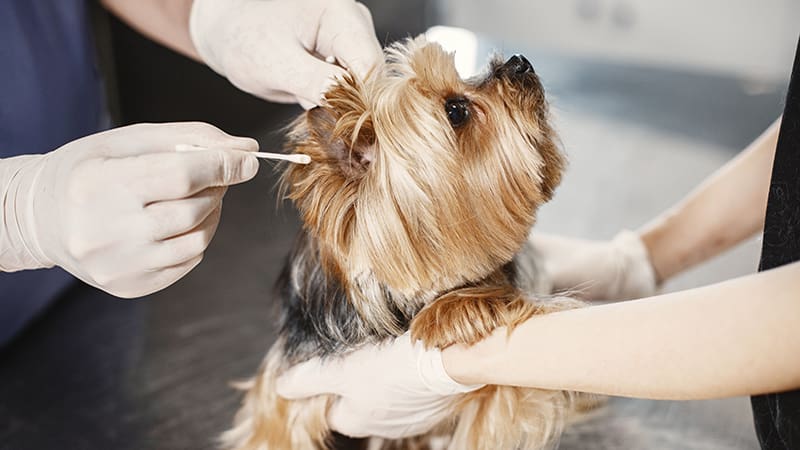
How to Clean Your Dog’s Ears Safely and Know When Something Is Wrong
Keeping your dog’s ears clean is part of the normal hygiene and grooming routine. You may need to do this occasionally to prevent buildup of wax, debris, and dirt. The frequency of these cleanings depends mainly on the dog’s breed and ear shape, as well as their routine and activity level. This means that some ... How Much Sleep Does a Dog Need at Every Stage of Life?