non-US support +44 (0)161 531 8801



























How consistent playtime enhances your dog’s physical and emotional health
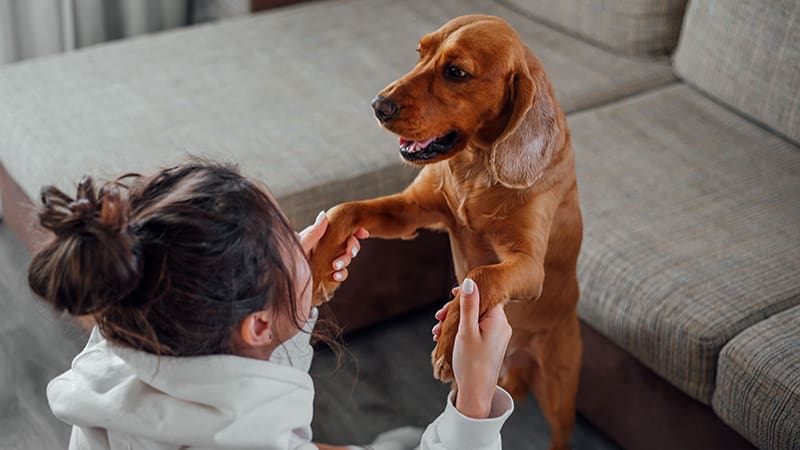
Whenever they imagine life with their future dog, most first-time owners think of cuddling, taking walks, enjoying a quiet night in, and playing with their dog. But few realize that playtime with pets is more than just a fun pastime or another type of activity—it’s a responsibility with numerous benefits.
So, when your dog brings you the ball, the pull rag, or the frisbee, think of it as a necessary workout and of your dog as being more aware of the importance of physical activity. It’s no wonder they say getting a dog increases the amount of exercise people get. Walks and active play mean you get more steps in along with general movement, and they’re a necessary workout for an animal that must otherwise spend all day inside the house.
But do you know which is the best benefit of all? The amazing bond you develop when you play with your dog. Let’s get into it, and we’ll tell you more about how much you can get out of this fun activity.
1. The Physical Benefits of Playtime with Your Dog
Exercise and Weight Management
Except for the dogs whose owners can take them out on the town wherever they go — running errands together, getting things done, shopping, anything, really — most pets spend their days inside, alone. They might play around with their favorite ball, move from the couch to the bed, and get up to get a sip of water before plopping down for nap no. 17. But they will generally be inactive throughout the day, alone at home.
So, when you get back from work and are ready to dig a deeper hole in the couch, don’t be surprised if your dog greets you at the door, jumping up and down, bringing you the ball, the throw toy, the squeaky thing. That poor animal has been saving its energy all day long and is ready to do something about it. And you should want to.
For most pets, walks and playtime are the only form of exercise they get, which makes it twice as important. Without it, pets get obese, leading to a multitude of health issues.
Supports Heart and Joint Health
Regular movement supports the heart’s function, which is essential for dogs as much as it is for humans. Another clear benefit is that it keeps the joints lubricated, particularly important for larger breeds as they age.
The movement does not have to be intense—only regular and moderate to get everything moving and put the body to use.
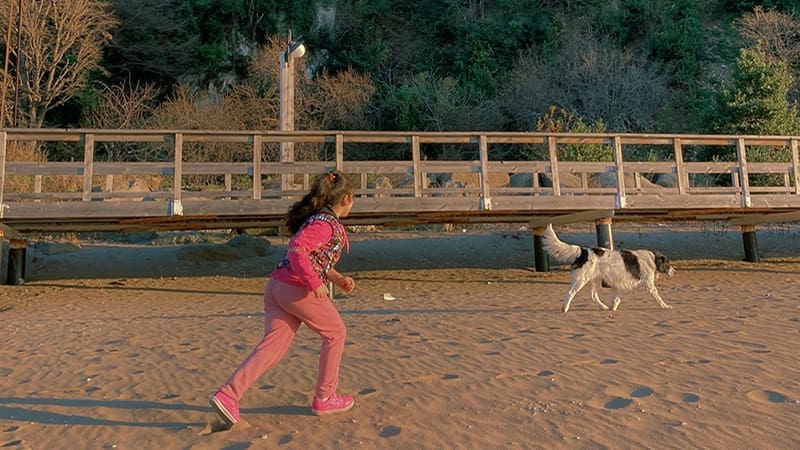
Better for Winding Down, Sleep, and Relaxation
We already stated that dogs spend most of their day napping, so how can playtime help them with that?
Because boredom naps and restful nighttime sleep are two different things. During the day, the dog is alone and has nothing to do, so she will sleep. Without walks and playtime, nighttime sleep will be agitated. You will see your dog moving around, changing positions consistently, pacing, and whining.
This happens because your dog has excess energy and no way to release it. If the first scenario in this article is true — meaning you can take your dog with you, accompanies you, and moves around all day — then that energy would be used up. But being at home all day long, with only a couple of walks in between, is not enough to use up the excess.
Improved Coordination and Agility
Walks are movement, relaxation, and bonding. But playtime, per se, has the added advantage of improving coordination and agility in your dog. Depending on the type of play, your dog can strengthen her reflexes, mobility, focus, and attention span, among other things.
Therefore, it pays to be creative with your playtime routine; it can also double as agility training, which most dogs love.
2. The Mental Benefits of Playtime with Your Dog
Prevents boredom and destructive behavior
Most dogs nap when they are bored. But if you consistently ignore your dog’s need for playtime to burn off pent-up energy, he will find other ways to deal with it. And you won’t like it.
From excessive digging to gnawing on things to messing up the bed or the sofa, everything dogs do can most likely be traced back to a lack of activity in the past period. Even barking in frustration can be caused by boredom.
Reduces stress and anxiety
When your dog understands that you will go for a walk and play with a stick in the evenings or right after you come home, she will have something to look forward to throughout the day. Even when you’re at work, if this routine is part of your day and your dog knows about it, the waiting period will be more manageable.
In addition to the predictability of the schedule, play releases endorphins, which naturally soothe nerves and help keep your dog generally calm.
Encourages socialization
When you teach your dog to play with you, she also learns how to play with others. She understands the concepts of play and fun, learns limits, and knows how to spend time with other humans and other dogs.
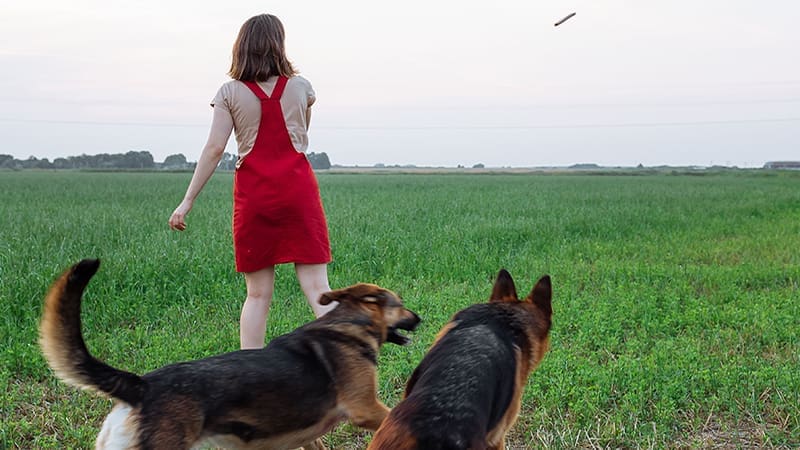
3. The Bonding Benefits of Playtime
Playing with your dog is one of the most amusing and rewarding activities. Hey, it’s practically in the adoption poster!
As with humans, joy shared in interactive activities is joy doubled, and it forms a strong bond between those involved. And keep in mind that there is no single way to play with your dog. You might notice that everyone in your family has different styles of play, but we can guarantee your dog will enjoy them all.
Females tend to be gentler during playtime, which eventually leads to scattered cuddles. Whereas males prefer chasing and roughhousing. The good news is that your dog will need both types of play.
4. How to Play with Your Dog
We don’t know whether this will come as a surprise to anyone (maybe for first-time owners), but dogs love to play hide-and-seek. And it is the perfect game to play indoors and in small spaces. They are just big babies, and they will absolutely love to look for you and chase you around the house. You can even hide an item or send your dog to find someone else in your family around the house.
Fetch is always an option, even indoors, if the space allows it. Tugging at something and roughhousing are also good alternatives, but do consider your dog’s strength. Don’t pull too hard when playing tug with a smaller dog, and don’t push too much with a larger breed. Safety precautions are still necessary.
Frisbee and obstacle courses are amazing games for open outdoor spaces. While puzzles, chew toys, and snuffle mats could keep them busy for independent play when you are not around.
5. How much playtime is needed?
This depends on the dog’s breed and age. Some breeds are more active and will require more playtime than others. If you have a mixed-breed dog, choose the amount of time based on its personality. Age must also be factored in, as puppies often need short playtime intervals, while adults need around 30 to 60 minutes daily. Older dogs will play if their bodies are still up for it. They will refuse if they don’t want to, but it’s recommended that you still offer to play with them to support their self-esteem and help them feel included.

Do you want to hear more news about our stories?
Related content
Why Is My Dog Drinking So Much Water? When Thirst Becomes a Warning Sign
‘Didn’t I just fill your water bowl?’ This is how it starts: you notice your dog’s water bowl is often empty. Like any responsible dog owner, you start to wonder whether your dog is drinking more water than usual and whether this should concern you. Before jumping to conclusions, know that there are many reasons ... How consistent playtime enhances your dog’s physical and emotional health
Why Legacy Donations Can Create a Brighter Future for Shelter Dogs
Every donation we receive is an act of compassion toward our dogs. We are grateful for each one and for every person who wants to help us change the story for thousands of dogs. And if donating makes you feel happy for having contributed and become part of the story, know that there is a ... How consistent playtime enhances your dog’s physical and emotional health
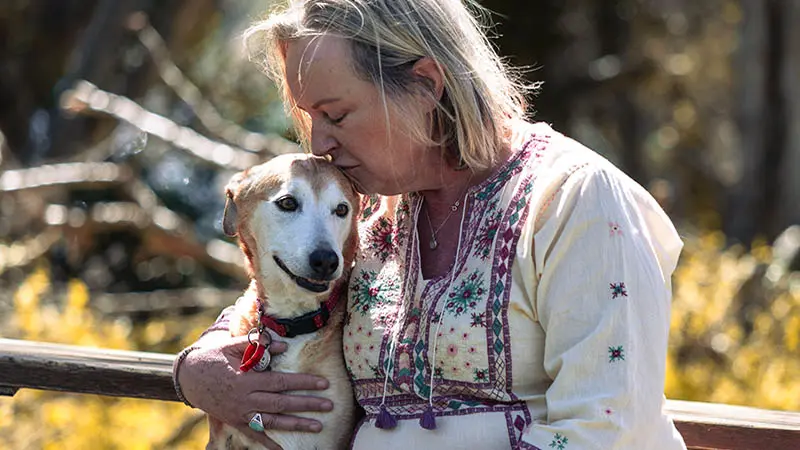
How Adoption Stories Inspire More People to Help Animals in Need
One of our favorite online trends is the posting of pictures with happy dogs and their new families, with those big ‘ADOPTED’ signs! And it’s hard not to share in the enthusiasm. The adoptive family took their time setting things up; they got the floof ready, bathed, brushed, and smelling like a million bucks. And ... How consistent playtime enhances your dog’s physical and emotional health
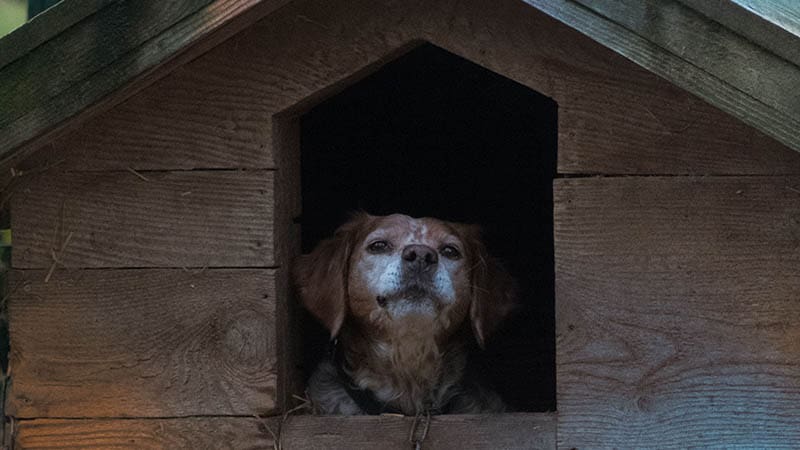
How Sponsoring a Shelter Dog Can Change a Life Before Adoption
Adopting a shelter dog is the most beautiful act of kindness people could ever do in their lives. It is a gesture in which they take in a soul that was once abandoned and give it a home and a purpose. And then, they get to watch it thrive, and their lives grow richer and ... How consistent playtime enhances your dog’s physical and emotional health
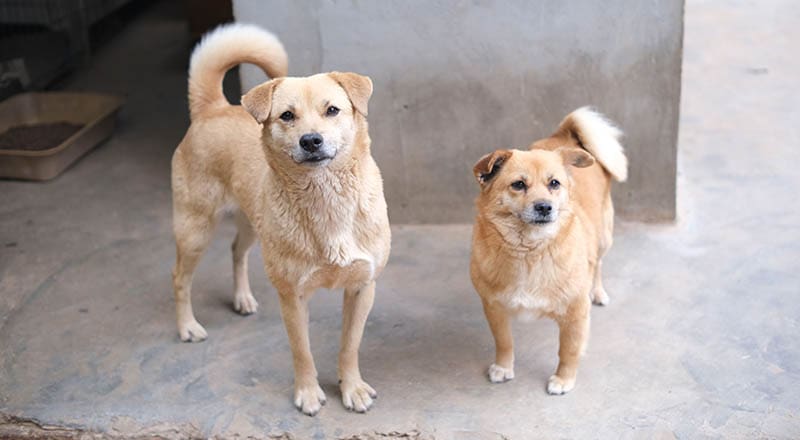
Supporting Rescue Dogs Through Donations When Adoption Is Not an Option
And as the rescue van took the suffering dog away, the people in town sighed with relief, thinking the poor soul was now safe and off to live a better life. The End Cute, but wrong! As an organization dedicated to bettering the lives of dogs and animals in general, ROLDA’s mission is to get ... How consistent playtime enhances your dog’s physical and emotional health