non-US support +44 (0)161 531 8801




















How Adopting a Rescue Dog Supports a Larger Mission of Animal Welfare
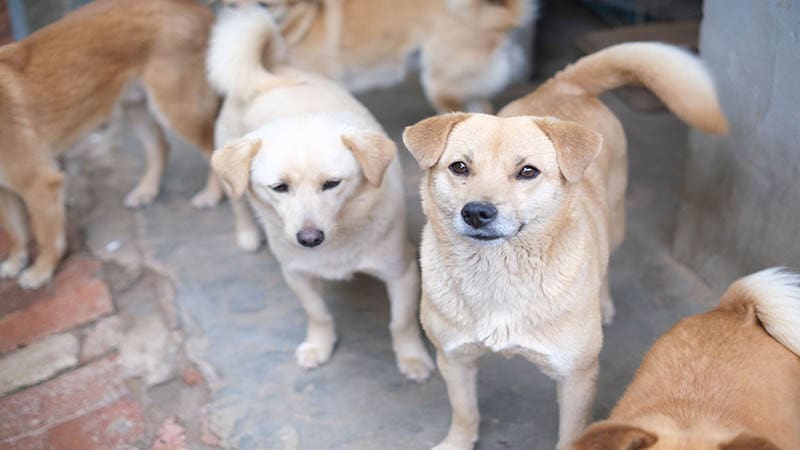
There are millions of ways in which people can say ‘We are in this together’ and just as many ways in which others can show they understood the assignment.
When it comes to animal rescue, we are aware that our activity carries a heavy emotional load – both for the people directly involved and for the people looking in from the outside. But the question is, when do bystanders become do-gooders? When do people who just verbally support our mission become part of it as well?
There are many ways in which animal lovers can contribute and make a real change in the lives of all animals – from working with pet owners to make cities more pet-friendly, to supporting animal welfare legislation, all the way to becoming a regular donor to an animal rescue organization. But the best way to show you are truly invested in helping animals live their best lives among people is by becoming a pet parent yourself.
Adoption Is for the Most Responsible Dog Owners
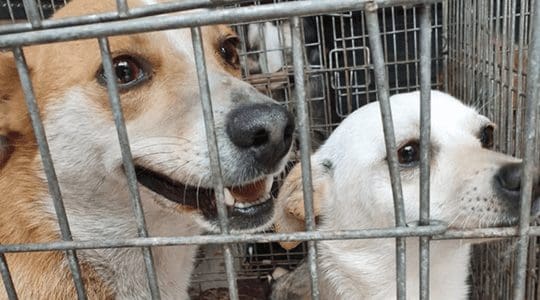
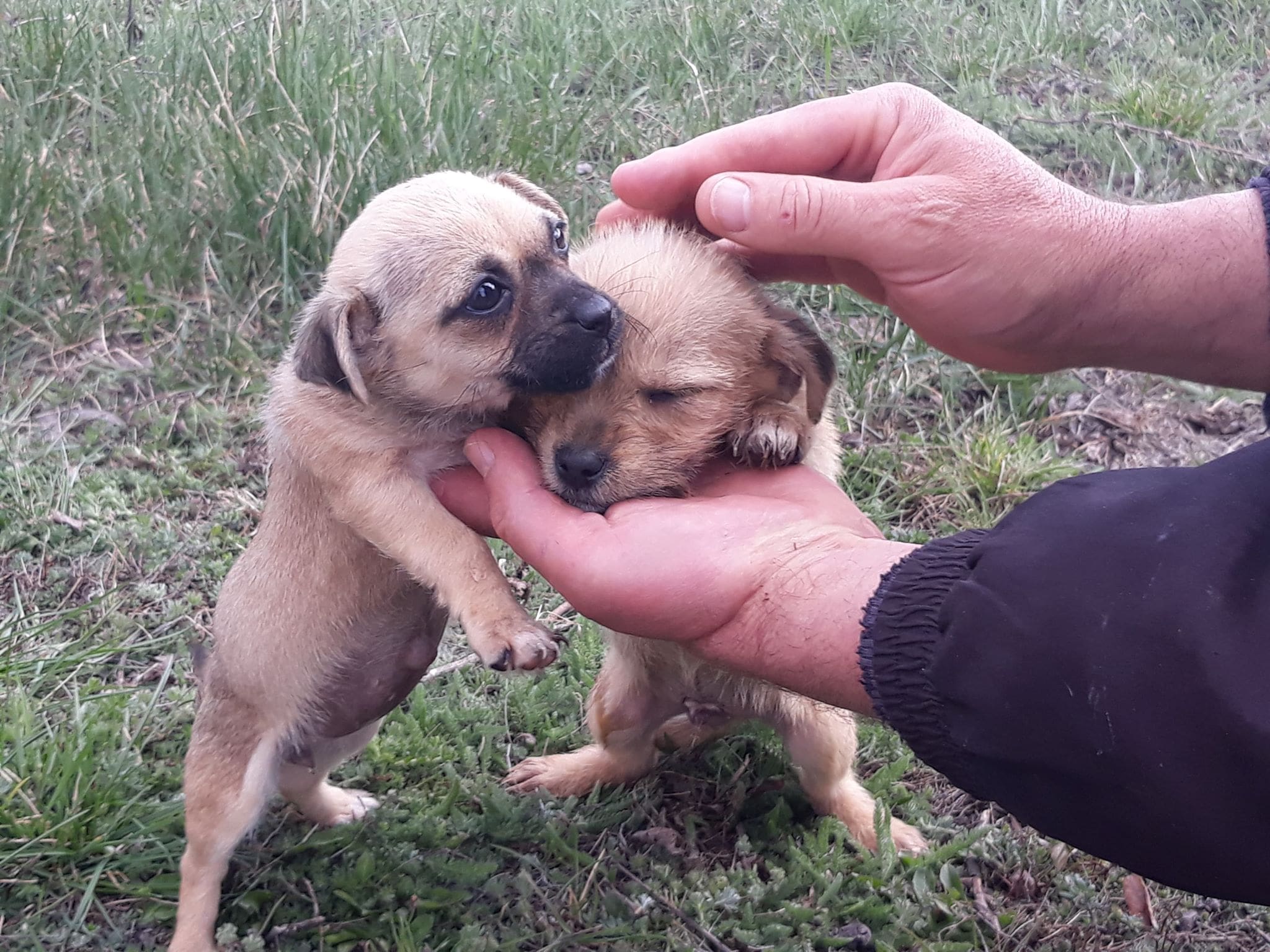
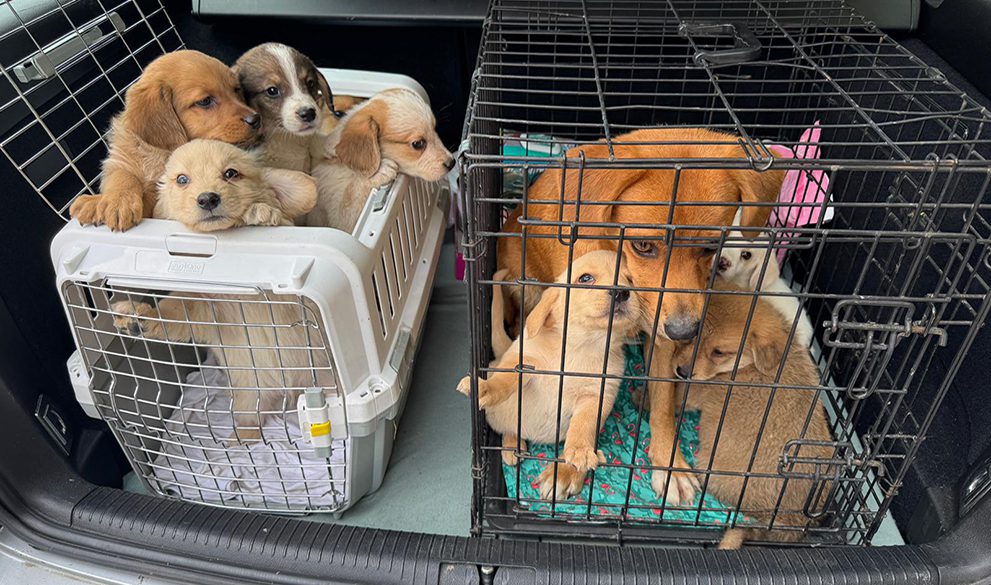
‘Adopt, don’t shop’ has become a mantra among animal lovers who understand that it is better for us, as a society, if we first took care of the needs of animals that are already here, in our cities, in our communities, rather than buying from breeders or pet shops. That is not to say that pedigree dogs should be abandoned – no dog deserves that. But that, at any moment, there are thousands of perfectly lovable dogs in shelters, waiting in crates or kennels for someone to take them out and take them home.
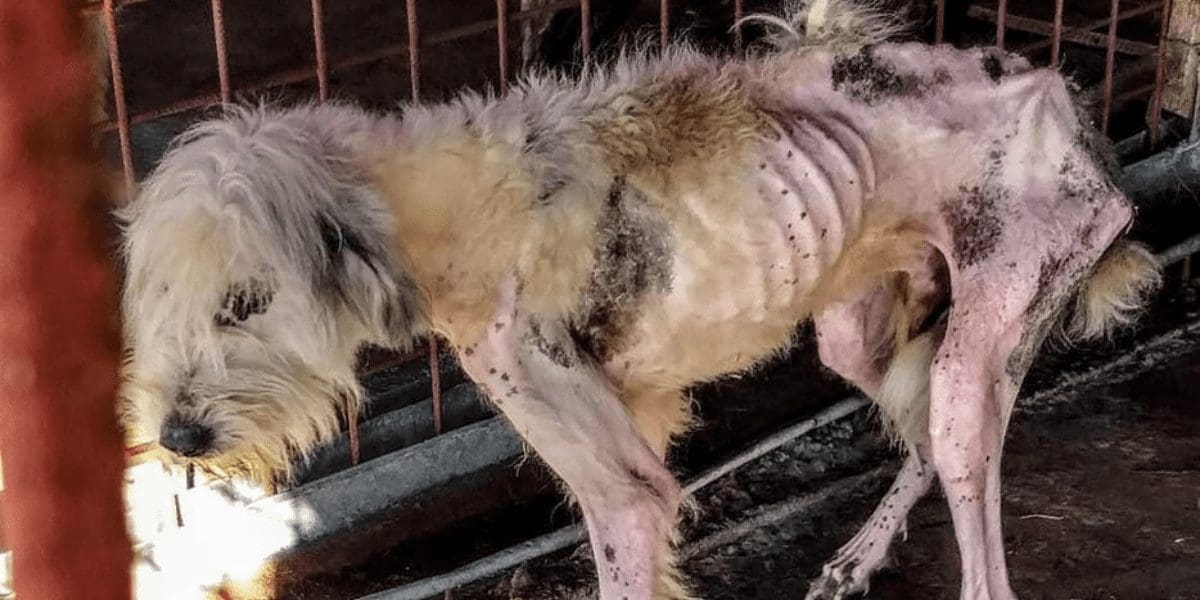
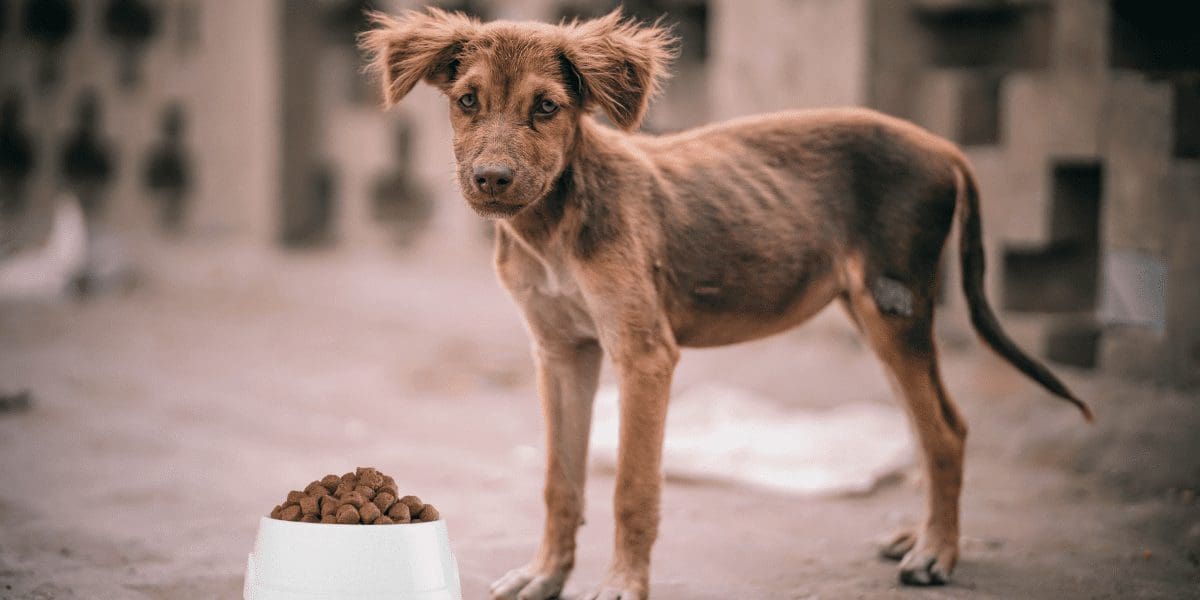
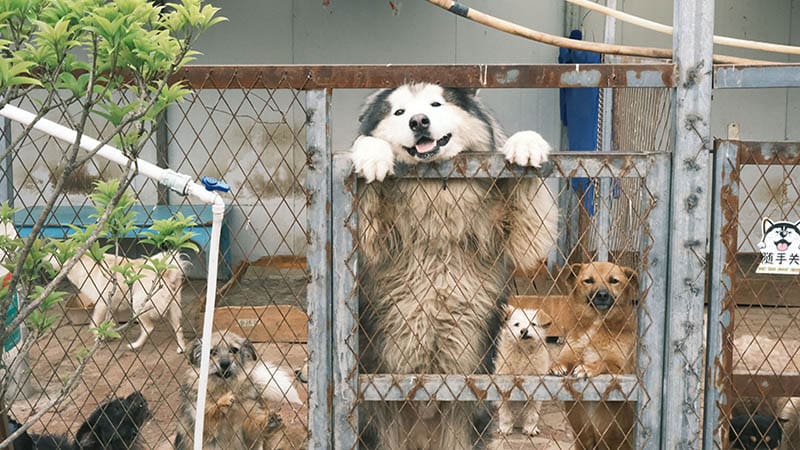
Sure, these dogs are no longer exposed to the threats of living alone and being abused on the city streets; they don’t need to fight for their meals, and they are no longer in danger of getting run over by speeding cars that wouldn’t even stop to pull them to the side of the road.
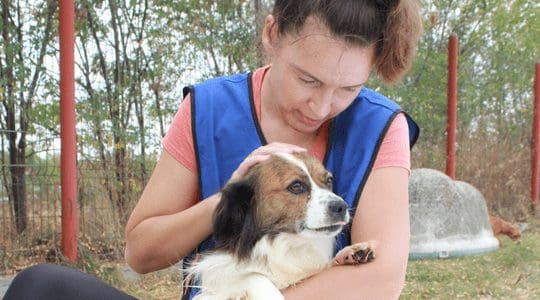
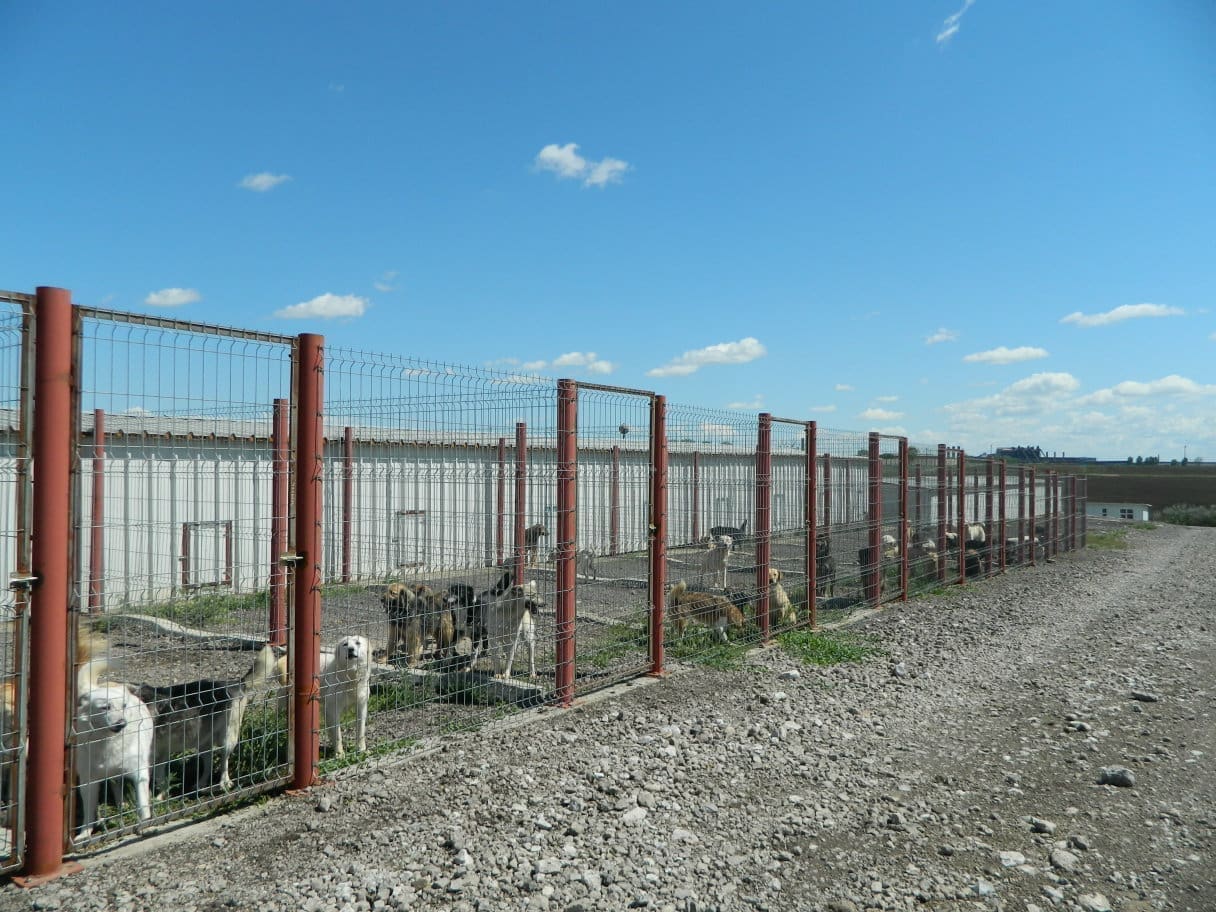
But, at ROLDA, we know that, no matter how much love we would pour into our residents, how much we would try to make our shelter safe and comfortable, how much time and energy our staff and volunteers would put into walking, petting, and playing with each dog individually, it still wouldn’t be the same as having their own home.
Adoption needs to remain the end goal. And sure, we won’t manage to find one for all residents, but we will do our best to get as many of them adopted as possible.
No-Kill Policy Shelters
Anyone who knows when ROLDA got started also knows of the stray dog situation in Romania in the 90s. With a changing and uncertain political climate, nobody bothered with many of the administrative problems that were not urgent. This is how the numbers grew and grew, until they went through the roof.
How do authorities usually handle such problems when the situation is dire and in need of a very quick fix? With horrible solutions, which, in the case of stray dogs, meant euthanasia and mass killings.
Those years were a nightmare for dog lovers, as such public authority interventions were sudden, unannounced, poorly coordinated, brutal, and often careless. People who tried to keep animals safe had to struggle not to see the animals they fed and looked after get killed off only for the numbers to look good at the end of the day.
That is when private shelters started to take shape, founded by people who just wanted to be left alone to take care of their animals without fear of swift and murderous interventions.
To this day, most of these shelters, ROLDA among them, have a strict no-kill policy, which means that, once they are at capacity, only adoptions can free up space for new dogs to be brought in.
Permanent Versus Temporary Residents
ROLDA is also such a shelter; however, due to the relentless support of our donors and volunteers, we consistently manage to find homes for our residents, and we always have some room for new rescues.
What’s more, we also have the notion of permanent residents, which are the dogs that have been so badly injured or whose diseases are so far along that potential adopters feel they don’t have the financial means to cover such heavy medical expenses.
But we do. Years and years of fundraising have taught us how to do it. And with so many dedicated volunteers to back us up, we are aware that we are such dogs’ only chance of getting the care they need.
So, those dogs never leave. They never end up on the streets either. Which is something.
Every now and again, a brave person will come up and adopt such a dog, but we make sure they have all the support they need, because the last thing that dog needs is to end up alone, back on the streets.
Permanent Residency in a Shelter Is Not the Solution
To make sure that our dogs never experience the traumatic life of a stray again, we have come up with this solution. However, while people rejoice in the fact that fewer animals are suffering and are being properly cared for, this is merely an act of kindness. Permanent residency in shelters has never been the end goal, and it is not the solution.
Preventing abandonment, sterilization, and adoption are the only real fixes to the problem of stray animals.
One Adoption Is Bigger Than One Dog
When people think about adoption versus making a donation to cover the expenses of several dogs in a shelter, they tend to think that the latter option would serve more animals than the former. This is because, while adoption would save one dog, a donation would help get more dogs off the streets and provide them with shelter and food.
Therefore, in many people’s eyes, the comparison is one dog saved versus several animals saved, sheltered, and fed for days.
In reality, things are different. One dog adopted and safely placed in the care of a loving family means another place opened in a shelter that treats its residents with respect. This matters because, while some public shelters stockpile animals with no consideration of the living conditions, we do care about the quality of life of our residents. This is but one link in a chain of events that trigger the reality of what we think of as animal welfare.
Do you want to hear more news about our stories?
Related content
Why Is My Dog Drinking So Much Water? When Thirst Becomes a Warning Sign
‘Didn’t I just fill your water bowl?’ This is how it starts: you notice your dog’s water bowl is often empty. Like any responsible dog owner, you start to wonder whether your dog is drinking more water than usual and whether this should concern you. Before jumping to conclusions, know that there are many reasons ... How Adopting a Rescue Dog Supports a Larger Mission of Animal Welfare
Why Legacy Donations Can Create a Brighter Future for Shelter Dogs
Every donation we receive is an act of compassion toward our dogs. We are grateful for each one and for every person who wants to help us change the story for thousands of dogs. And if donating makes you feel happy for having contributed and become part of the story, know that there is a ... How Adopting a Rescue Dog Supports a Larger Mission of Animal Welfare
How Adoption Stories Inspire More People to Help Animals in Need
One of our favorite online trends is the posting of pictures with happy dogs and their new families, with those big ‘ADOPTED’ signs! And it’s hard not to share in the enthusiasm. The adoptive family took their time setting things up; they got the floof ready, bathed, brushed, and smelling like a million bucks. And ... How Adopting a Rescue Dog Supports a Larger Mission of Animal Welfare
How Sponsoring a Shelter Dog Can Change a Life Before Adoption
Adopting a shelter dog is the most beautiful act of kindness people could ever do in their lives. It is a gesture in which they take in a soul that was once abandoned and give it a home and a purpose. And then, they get to watch it thrive, and their lives grow richer and ... How Adopting a Rescue Dog Supports a Larger Mission of Animal Welfare
Supporting Rescue Dogs Through Donations When Adoption Is Not an Option
And as the rescue van took the suffering dog away, the people in town sighed with relief, thinking the poor soul was now safe and off to live a better life. The End Cute, but wrong! As an organization dedicated to bettering the lives of dogs and animals in general, ROLDA’s mission is to get ... How Adopting a Rescue Dog Supports a Larger Mission of Animal Welfare