non-US support +44 (0)161 531 8801


































Dog Dental Care
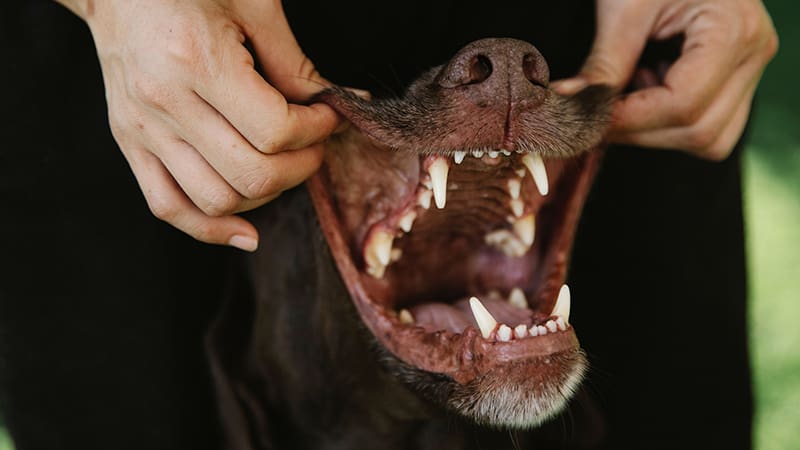
How to Keep Your Dog’s Teeth and Gums Healthy
Some new dog owners may be surprised to learn that they need to include dental care in their dog’s hygiene routine. It’s not that they are oblivious or careless, but more that they expect this to be a problem in their furry friend’s old age. Yet, plaque, tartar, abscesses (infections), or gum inflammation can develop at any age and, if left unchecked, they can all be quite painful and reduce your dog’s quality of life.
The tricky part is that dogs usually hide their pain and don’t show obvious signs that something is wrong. They may keep eating, playing, and acting normally despite the change, and you might not notice anything until it’s already pretty unbearable. Wouldn’t it be a shame to let your good friend go through that? Not to mention the risk of the situation worsening, which would mean more pain and a harder problem to fix.
Regular at-home dental care, backed by professional cleanings at the vet, can do wonders in preventing small problems and keeping them from becoming painful and expensive ones.
Why Is Dental Care So Important?
Oral health is connected to overall health and well-being. Dogs with toothaches, tooth loss, or bleeding gums will not eat as much of the good, nutritious food you give them. Lack of proper nutrition will open the door to a whole new set of health issues. Like a domino effect.
But why do we have to add this to the list of things we need to do for our dogs, when their ancestors in the wild had no dental care routine? This is a question many new owners ask. The answer lies in the difference between their food and their lifespan.
Unlike their wild cousins – whether we are talking about wolves or the dogs of ancient times – domesticated dogs have a diet made up of softer foods. They don’t hunt for their food or consume prey whole, using their teeth to chew through several textures and layers before reaching the softer tissues. Their food is already processed and soft.
Also, should anything get stuck in their teeth, the lack of chewing on rough textures – like wood or bones – means they have no other way of removing the debris. This leads to infections and bacterial buildup.
Moreover, they live longer. This means their teeth have time to build plaque, which, in turn, opens up a new set of problems. First-world problems, right?
Left unchecked, plaque builds into tartar, which irritates the gums and can lead to periodontal disease.
In short, you should regularly clean your dog’s teeth and check for other teeth-related problems when you do.

Dog Dental Problems and How to Spot Them
Like humans, dogs can experience painful dental issues. They range from broken teeth and abscesses to inflamed and bleeding gums that cause teeth to fall out. Periodontal disease is one of the most common dental conditions veterinarians see, and severe oral disease can have effects beyond the mouth and affect your dog’s overall health.
Early detection and regular cleanings are essential in preventing this and other serious conditions that could severely impact your dog’s quality of life.
Depending on the type of problem your dog is facing, here are some of the things you might notice:
• Bad breath. This is not the regular doggy breath you might be used to, but a persistent, foul smell that may indicate an infection or something stuck between the teeth.
• Pawing at the mouth. This usually signals pain or discomfort.
• Loose teeth. This can be a problem because missing teeth can make eating much more difficult. And you can only spot loose teeth if you regularly clean and check inside your dog’s mouth.
• Red or bleeding gums. Healthy gums are pale pink. Red or bleeding gums can be a sign of gum disease. Contact your vet and follow their advice.
• Excessive drooling. It can be caused by pain and inflammation.
• Difficulty chewing food. Any change in eating habits can be a sign of discomfort or pain.
How to Maintain Oral Health for Your Dog
Consistency is key when it comes to oral hygiene. Brushing is the most effective way to prevent plaque buildup, and you will notice that even small efforts can have a big impact on your dog’s overall health. Here’s how you do it right.
Choose the right products
Don’t use human toothpaste because it is harmful if dogs ingest it, and once it’s in their mouths, you cannot control it. Use dog-specific toothpaste, which is usually flavored to suit a dog’s taste buds, and it can taste like peanut butter, beef, or chicken. Since they are food-motivated, the process should be pleasant and not traumatic or painful.
For bigger dogs, you can use a human toothbrush. Smaller dogs can use baby toothbrushes or fingertip brushes.
Brush gently
Wet the toothbrush and apply a thin layer of toothpaste. Give your dog some of the paste so they know what it is and what it tastes like. If it’s in a flavor they like, they will be more open to the whole experience.
Brush gently, and if your dog isn’t comfortable letting you brush inside their mouth. You won’t need to have your dog rinse their mouth afterward, either.
Use alternative options for dental care
If you are afraid your dog might bite you, or if they really dislike the process, a few other options are available.
• Dental powder – it contains a probiotic that helps promote healthy bacteria in the dog’s mouth, freshens breath, and prevents tartar and plaque buildup.
• Water additive – these are tasteless oral solutions that work the same as the powder and can be added to the dog’s water bowl.
• Prescription dental food – can only be prescribed by the vet. These foods work while the dog chews, helping them clean the surface of the teeth.
• Dental treats – are a great and fun option most dogs accept.
Professional dental cleanings at the vet’s office
Veterinarians perform professional dental cleanings under anesthesia when recommended, often as part of a yearly dental assessment. The process allows the vet to thoroughly clean the teeth and assess the dog’s oral health. Even if you keep up with regular teeth cleanings at home, you can’t remove plaque the way a professional cleaning does.
This is also a great chance for the vet to check your dog’s overall oral health.
How Often Should You Clean Your Dog’s Teeth?
Ideally, brush your dog’s teeth daily. If that isn’t realistic, aim for several times a week and make it part of a consistent routine. Your veterinarian can also recommend the best dental-care schedule based on your dog’s age, oral health, diet, and individual needs.
Good dental care is one of those small routines that can make a big difference over your dog’s lifetime. You don’t have to turn it into a complicated ritual – consistency, the right products, and regular veterinary checks can go a long way toward keeping their mouth healthy and comfortable. If you notice bad breath, bleeding gums, loose teeth, or a change in how they eat, don’t wait for the problem to become painful. A quick veterinary check can save your dog a lot of discomfort later.

Do you want to hear more news about our stories?
You can unsubscribe from our newsletter at any time. See Privacy Policy
Subscribe footer
Related content
How to Trim Your Dog’s Nails Without Causing Stress or Injury
If you’ve never trimmed your dog’s nails before and you’re just starting this journey, congratulations! This is your chance to do things right from the start and avoid having a dog that gets traumatized and runs for cover every time those clippers come out. And if you’ve done your research, you’ve probably heard stories from ... Dog Dental Care
How to Clean Your Dog’s Ears Safely and Know When Something Is Wrong
Keeping your dog’s ears clean is part of the normal hygiene and grooming routine. You may need to do this occasionally to prevent buildup of wax, debris, and dirt. The frequency of these cleanings depends mainly on the dog’s breed and ear shape, as well as their routine and activity level. This means that some ... Dog Dental Care
Why Do Dogs Eat Grass? What Does This Common Behavior Really Mean
Is it a problem, a cry for help, a phase, or a curiosity? Every dog owner has wondered what grass-eating means. And, more importantly, whether they need to intervene or just let their dogs do it and move on. It may put your mind at ease to know this is perfectly normal behavior in healthy ... Dog Dental Care
How Often Should You Bathe Your Dog? A Practical Guide for Every Coat Type
Bath time! Probably one of the more stress-inducing moments for households with pets. Maybe it’s because some dogs feel more comfortable in an icy-cold, dirty puddle than in warm bath water in the safety of their own home, or because their pet parents bathe them too often. Don’t feel bad if you haven’t figured it ... Dog Dental Care
Why Is My Dog Drinking So Much Water? When Thirst Becomes a Warning Sign
‘Didn’t I just fill your water bowl?’ This is how it starts: you notice your dog’s water bowl is often empty. Like any responsible dog owner, you start to wonder whether your dog is drinking more water than usual and whether this should concern you. Before jumping to conclusions, know that there are many reasons ... Dog Dental Care