non-US support +44 (0)161 531 8801




















Creating a stress-free environment for your rescue dog
Congratulations! You have chosen to become a parent to a rescue dog and give a loving home to an animal that once had to fend for itself. Your good deed is much appreciated at ROLDA, where all our residents would make wonderful and loving companions.
And do you want to know who is even more excited about getting to its new home? Your newly adopted dog. Yet despite your friend being overjoyed, you might see signs of stress and a pullback from feeling overwhelmed. Not to mention that it is only when the body relaxes that the mind processes all it has been through.
So, it’s best to give your new companion time to settle in and to create a stress-free environment. Even if your dog doesn’t seem stressed at first, let us guide you through a checklist that will guarantee a happy ending for all of you. We will try to answer some questions that might help you assess your situation and determine how best to handle it.
Do all rescue dogs have trauma?
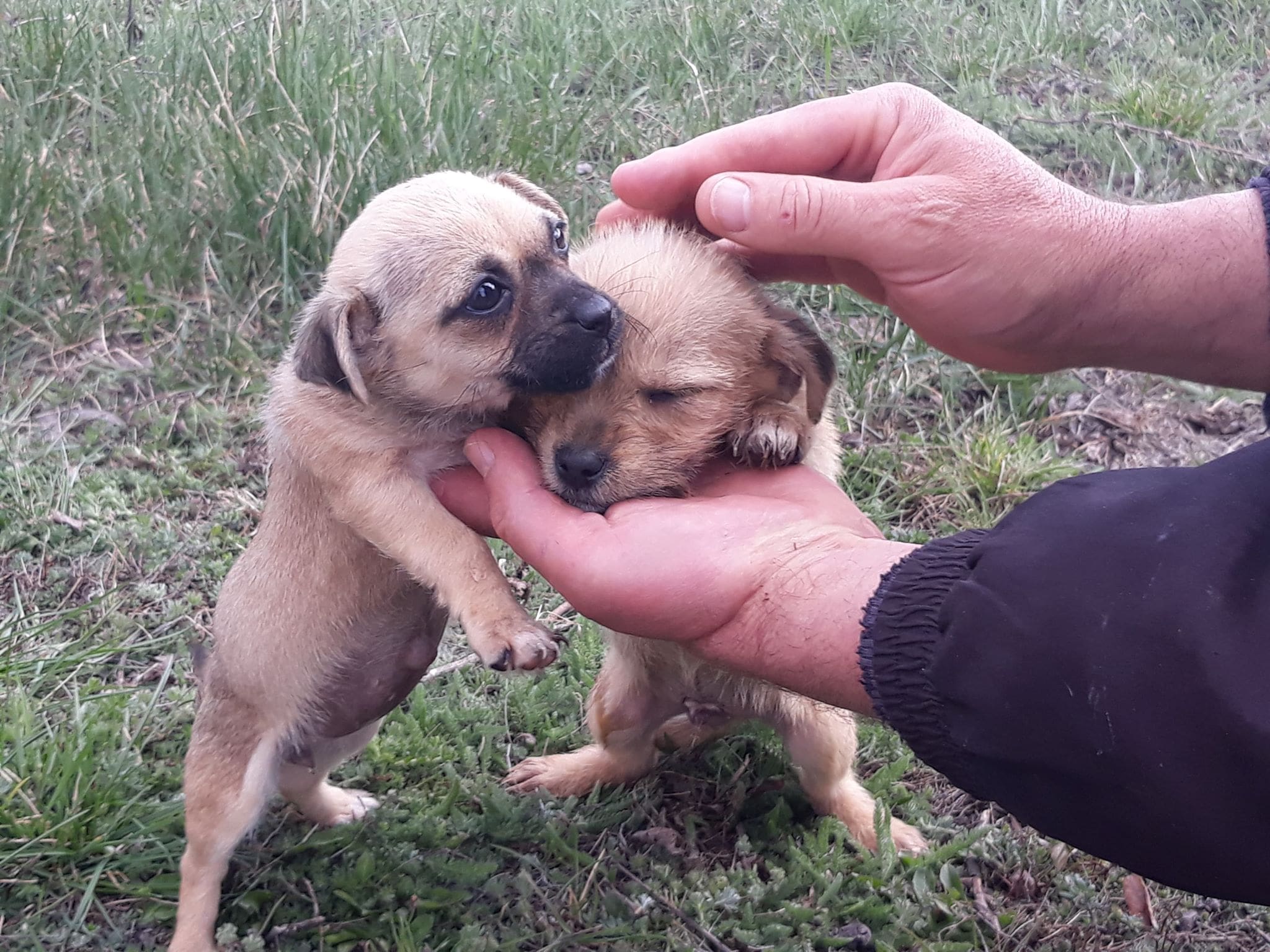
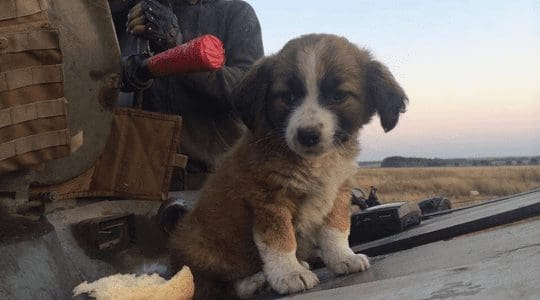
No. Some of them are lucky enough to have lived in areas with no other dogs competing for the scarce resources. There are even those fortunate enough to get rescued quickly after birth or after having just been abandoned, and those who were looked after by people who, although they could not take them in, still ensured their survival.
Could you compare them with dogs that have always been pets, have had a home, and have had a loving family? Probably not, but we were saying that some of our dogs could have very little to recover from, which would make their rehabilitation process quicker.
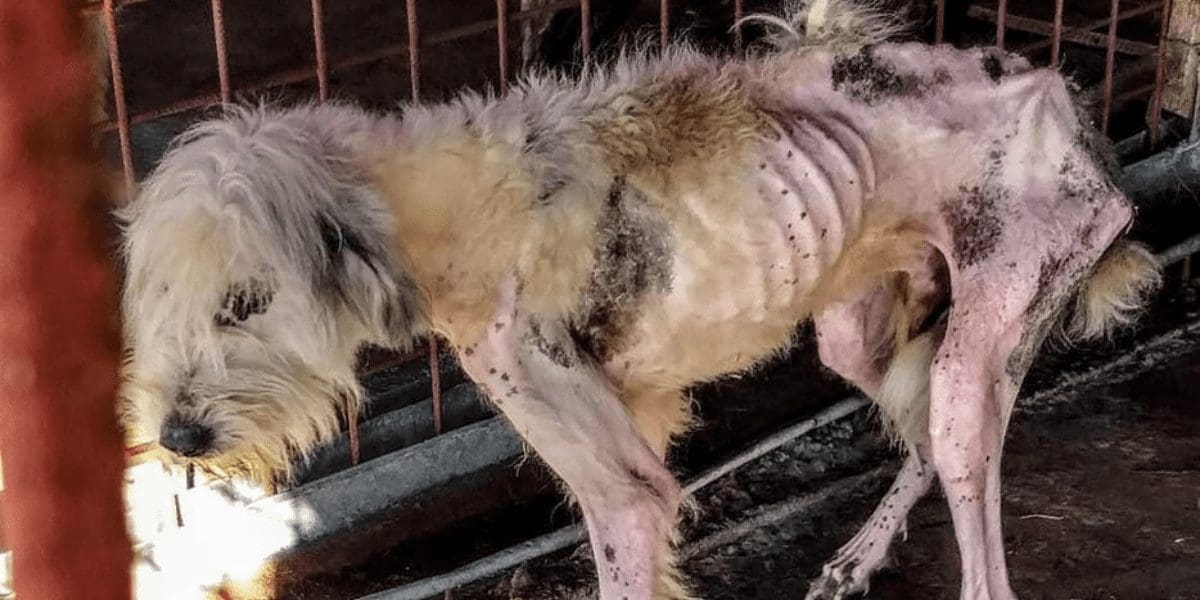
However, most of the dogs that end up in a shelter, the ones people mobilize to help, are usually in a distressing situation caused by things like malnourishment, illness, or severe trauma. These take a while to get over, but are not impossible to overcome.
Can you still adopt such a dog?
Absolutely. First, we start the rehabilitation process in the shelter; otherwise, the dog would not allow us to treat him. After the initial shock wears off and the dog becomes more accustomed to us, we introduce him to the general public and gradually begin the socialization process.
It’s important to recognize that adopting out an unadoptable dog is not in our best interest. If the owner cannot manage the responsibility, the dog may be returned or abandoned, despite our efforts to screen adopters thoroughly. This results in additional trauma for the animal and complicates his chances of finding a permanent home.
Therefore, we make our own assessment of how much a dog might need before full rehabilitation. In most cases, it’s just the comfort and stability of a home and the love of its own owners. In other cases, it might take some work, but nothing too challenging, according to our estimation.
What are the signs of trauma, and how much rehabilitation is needed?
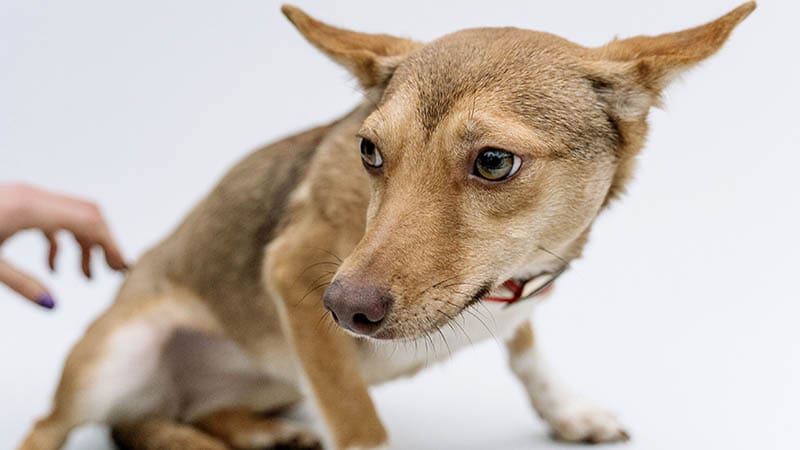
There can be many signs of trauma in shelter dogs, and it all depends on what that animal has been through. This is also the key to fixing them.
Unfortunately, we rarely know precisely what happened to dogs before we rescue them. We can tell some things from the situation we found them in, but not about things in their past and underlying trauma. When we do, we communicate them to owners so they can keep an eye out for specific situations.
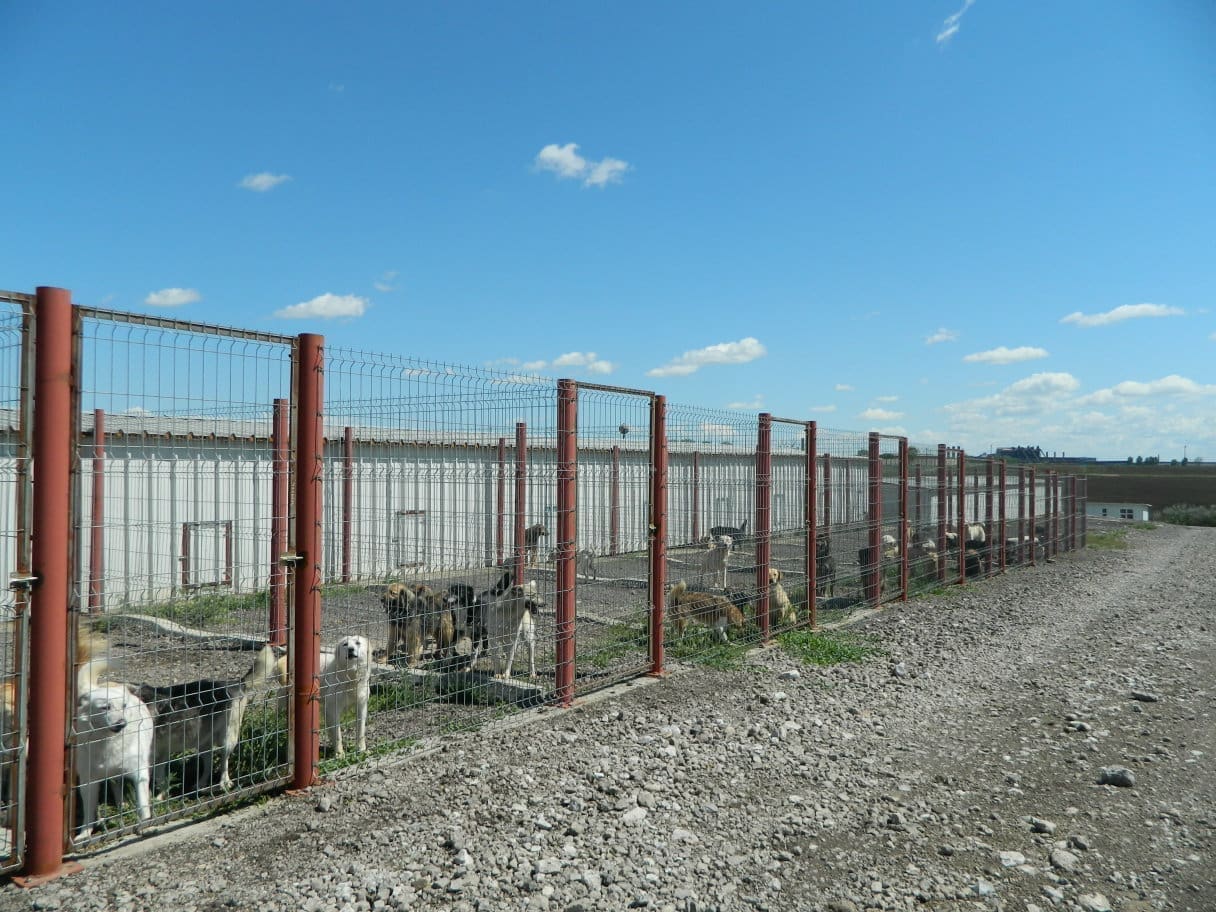
Let’s take, for example, a dog whose trauma stems from having been caught by the staff of a public shelter, and that has barely made it out alive. We make a point of rescuing dogs from public shelters before they get too ill or too injured.
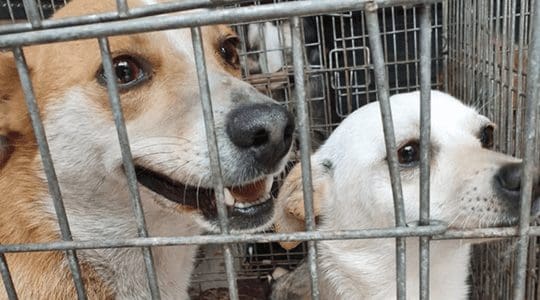
These places are overcrowded with dogs placed inside without regard for their size, aggression, or health. They are packed together with aggressive and sick dogs, forced to compete for resources—making it worse than being on the streets.
This type of trauma is specific and may arise in dogs that need to share their new homes with existing pets. It could make them territorial, aggressive in guarding resources, possessive of their owners, etc. If the trauma is more surface-level, it will manifest early on. If it’s deep and rooted, it might take some time, and you will have difficulty figuring out where it comes from.
Observe your dog’s reaction carefully and remember that no dog acts without a reason. Every behavior is motivated by past experiences, so it’s important to demonstrate that the current situation is safe.
What causes trauma to surface?
Stress.
Surface-level trauma, the kind that causes immediate problems, is usually dealt with by us in the shelter.
More profound trauma can lie dormant until triggered. And stress is the generic trigger for all.
How to create a stress-free environment for a rescue dog?
As mentioned before, in many cases, the final step toward permanent rehabilitation is best done in the forever home, where the dog finally feels at peace and ready to let go of the mechanisms it developed to keep it safe in dangerous environments. Simply being in his home can soothe frayed nerves and let the healing begin.
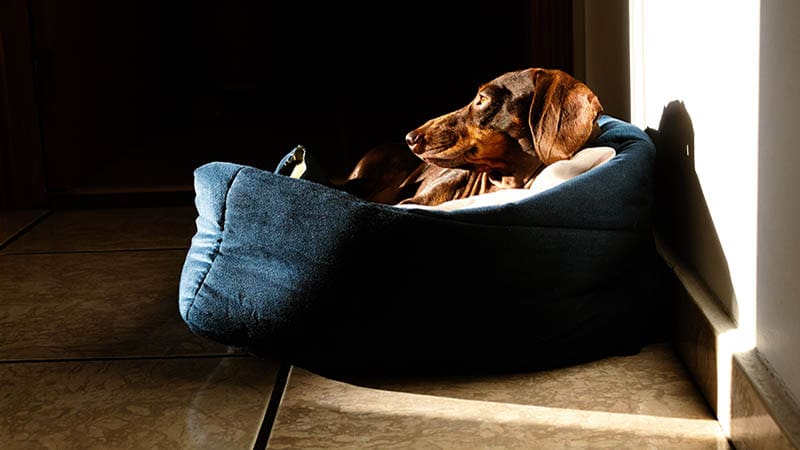
Create a safe and quiet space for your dog. Try to keep it separate from your other pets’ spaces in the home, even if they might seem friendly. It’s best, especially in the beginning, for each to have their own separate space to retreat to.
Deal with everyday stressors. These could be loud or sharp noises, crowded spaces, rowdy visitors, clutter, unpredictable situations (things that topple over, for example), and regular household noises. No matter how harmless you might perceive them, a stressed dog might act out on account of such things. A beeping boiler, constantly having people over (especially people your dog has never seen before), a house filled with too much stuff, too much to sniff and identify in the accommodation period— all these scenarios can overwhelm your furry friend.
Dog-proof your home. Clean the house, but don’t use toxic products. With some of them, you can even smell the residue afterwards. But that smell is several times more potent to a dog, and it will drive him crazy.
Remove items that are within your dog’s reach, and make sure he cannot bump into things and break them. Tie up loose cords, remove cables and extension cords, remove toxic plants, and make sure your dog has a clear path to walk around the house and to reach all the rooms it is allowed in easily.
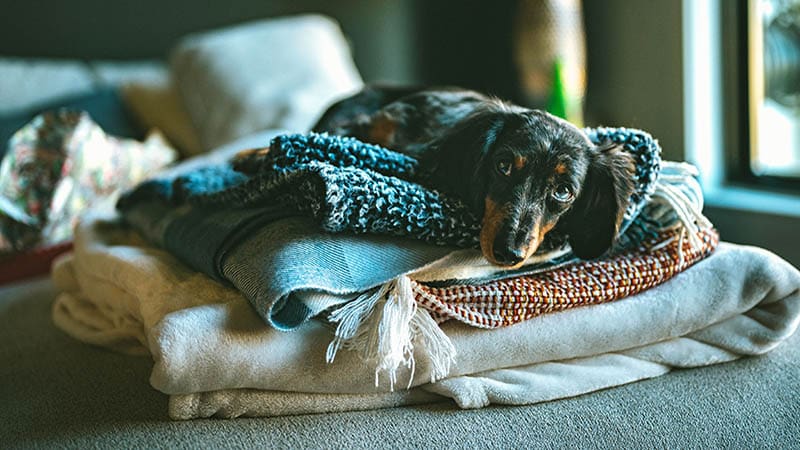
Minimize noise and stimulation. Bring your new dog into a quiet house and slowly reintroduce noise into your routine. We are not saying you have to keep your house quiet forever—just for your dog’s first few days, while all his senses are overwhelmed. This also goes for lights and smells. If you have air fresheners, remove them in the beginning and bring them back out one at a time once your dog has settled in. But it would be best to throw those out entirely because they are toxic.
Safe socialization at your dog’s pace. You might have a lot of family and friends, some of whom have their own pets that would love to play with your new dog. But bringing all this down on your dog all at once can be too much. Let your dog first get accustomed to you and your family, the house, the smell, and the sounds. Then gradually introduce the calmer friends and family.
Once your dog seems comfortable enough with more people around the house, create slightly more crowded settings. But make sure to keep an eye on his reactions every step of the way. If he starts shying away, getting anxious, pacing, barking, or becoming agitated, take him back to his safe, quiet place and hold off on inviting too many people over.
A dog will have stress-induced triggers for an extended period if he lives in a stressful environment. For his nervous system to catch up to the fact that the danger is gone and that he is now safe, he needs to really relax. The good news is that once this happens, you can gradually pick up the pace and enjoy a noisy, fun-filled life with your companion. Just make sure you give your furry friend enough time to adapt.

Do you want to hear more news about our stories?
Related content
How Sponsoring a Shelter Dog Can Change a Life Before Adoption
Adopting a shelter dog is the most beautiful act of kindness people could ever do in their lives. It is a gesture in which they take in a soul that was once abandoned and give it a home and a purpose. And then, they get to watch it thrive, and their lives grow richer and ... Creating a stress-free environment for your rescue dog
Supporting Rescue Dogs Through Donations When Adoption Is Not an Option
And as the rescue van took the suffering dog away, the people in town sighed with relief, thinking the poor soul was now safe and off to live a better life. The End Cute, but wrong! As an organization dedicated to bettering the lives of dogs and animals in general, ROLDA’s mission is to get ... Creating a stress-free environment for your rescue dog
Why Regular Donations Are Essential for Keeping Rescue Shelters Running
What do you think is the most expensive part of running a dog shelter? Some people might think it’s the dramatic animal rescue missions. Others might say it’s the complicated medical procedures needed to put the poor animals back together or even the latest recovery and rehabilitation therapies. Both groups are wrong. The most expensive ... Creating a stress-free environment for your rescue dog
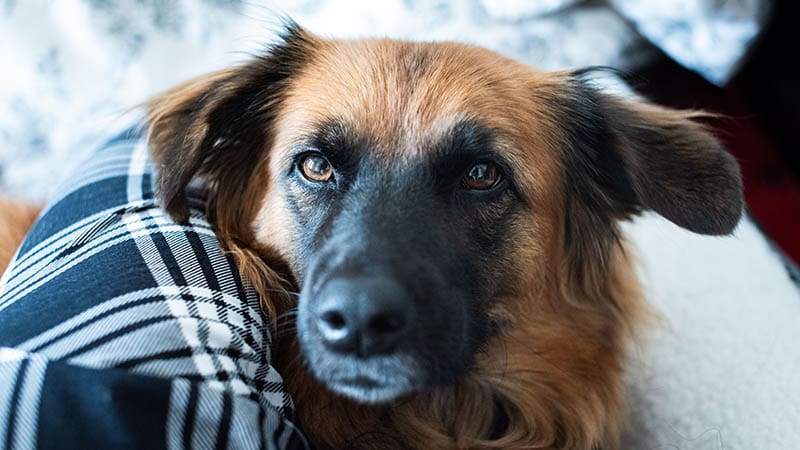
The Life-Changing Impact of Dog Adoption on Both Pets and Their New Families
Who benefits more from a shelter adoption? The dog that has just received a chance at the perfect life in a loving home with a caring family? Or the family that has just become whole with the addition of the cutest, most loyal, and most lovable member? Both sides will. It’s a win-win type of ... Creating a stress-free environment for your rescue dog
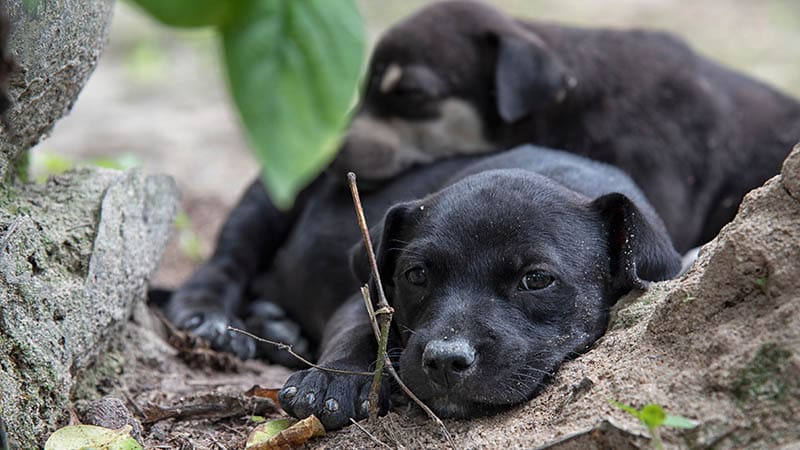
Creating Hope for Homeless Dogs: How Every Act of Kindness Makes a Difference
Overwhelmed. This is how animal lovers feel when they see so many struggling animals. Some people try to help, try to save the ones they come across. But once they start seeing the need, they cannot unsee it, and there are always so many animals in distress. Who could ever help them all? That is ... Creating a stress-free environment for your rescue dog