 non-US support +44 (0)161 531 8801

















Building a Better Future for Stray Dogs Through Rescue, Care, and Compassion
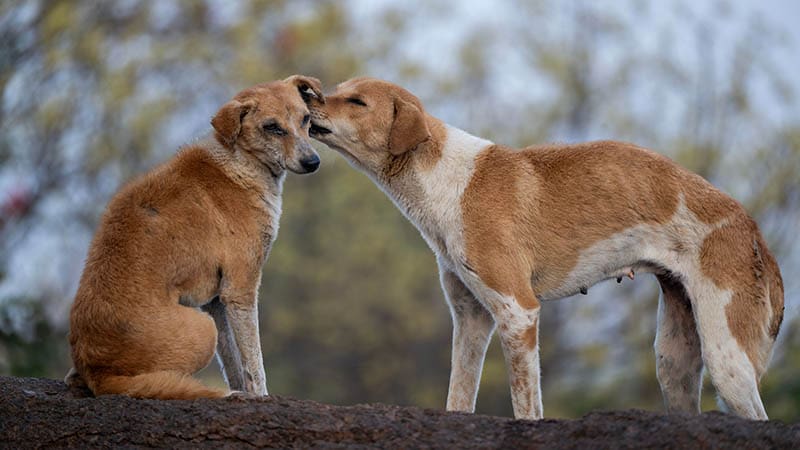
What separates ROLDA from the rest of the animal rescue organizations doing really good work for the stray dogs? The solid community of donors, sponsors, adopters, and volunteers who have rallied around us and who have taken on our mission. With such resources, we have managed to exit the survival mode most rescue organizations operate in, and to look to the future, to shape a different kind of world for the animals we love.
Thus, we get to think of things on a bigger scale, which means more than just taking in more dogs. It means doing more, offering more complex treatments, helping our residents to an even greater extent, and also looking at the problem of animal welfare as a whole. Looking at what comes before – abandonment – and what happens after rescue – adoption.
It’s great to contribute with whatever you can to help animals – every little bit helps. But unless we can get a bigger picture, we will only be mending instead of finding permanent solutions.
Rescue Is Just One Part
As important as it is, animal rescue is just one part of the whole when thinking of animal welfare. It happens to be the most visible part and the one that people perceive as producing immediate results. People can no longer see a lot of stray dogs, which must mean that the situation has been fixed.
And while this is not completely wrong, it is still a very limited way of looking at things. Yes, rescue teams pick up stray dogs. But then again, so do public shelter teams, in which case those animals are far from being rescued.
At ROLDA, we have turned our rescue mission into examples of efficiency, so much so that we have come to see whatever comes after as being the main challenge.
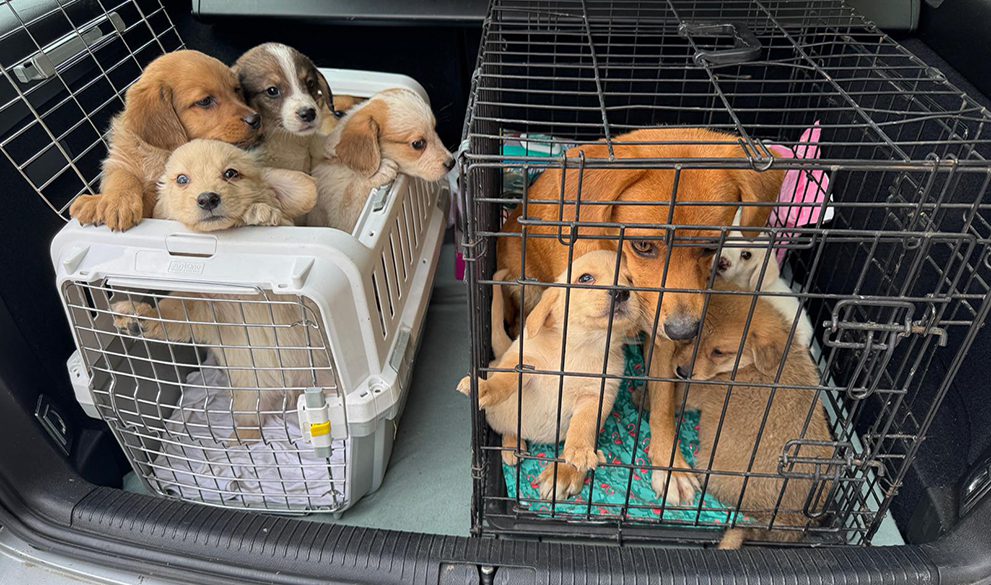
For the mission itself, we have specially trained permanent staff, adequately trained and equipped with what they need to extract an animal from potentially harmful situations. They can also make a quick assessment of a dog’s physical condition before deciding whether to bring the dog to the shelter or go straight to a veterinarian’s clinic for emergency intervention. The van is ready to go, and the shelter staff is already prepared and waiting for their return with the new resident.
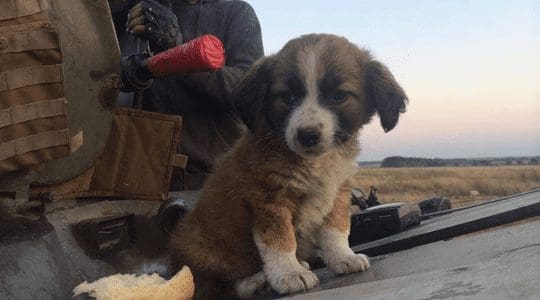
By comparison, before we had experience, before we learned how to make things increasingly efficient, our rescue missions were dramatic and filled with unknown elements. We still got the job done, but the new way is better.
Care Is Essential
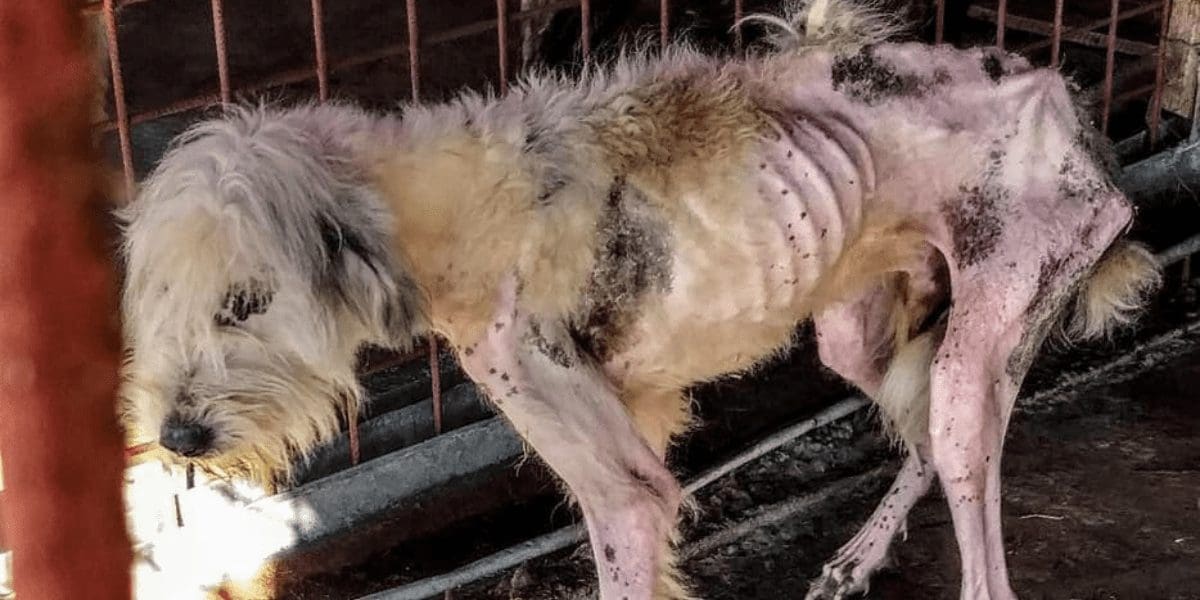
Once a rescue team has taken an animal into custody, it is time to offer that animal the care it so desperately needs.
In some cases, this will just mean the protection of a shelter, food, and water. In other cases, it could mean serious medical interventions, treatment, recovery periods, foster care, and rehabilitation. In other words, care can range from providing for the basic needs of a living being to an extensive and complex process that involves medical and recovery professionals.
This is but the second step of the mission, and the place where many small rescue organizations already get stuck. Care, with all that it entails for every possible rescue case, can be difficult to offer when the organization is constantly stuck in survival mode.
What does ROLDA do differently? We have had our fair share of survival mode experiences in the beginning. But our dedication to never give up on an animal got us through. Knowing that we are its only chance kept us going. Thus, one case after another, we found ourselves a little bit wiser, better equipped for the next one, able to look to the future and say: ‘Next time, we’ll do things this way and we will move faster and make it better for the dog.’
We learned and corrected, we planned, and we applied. But, most importantly, we pushed forward.
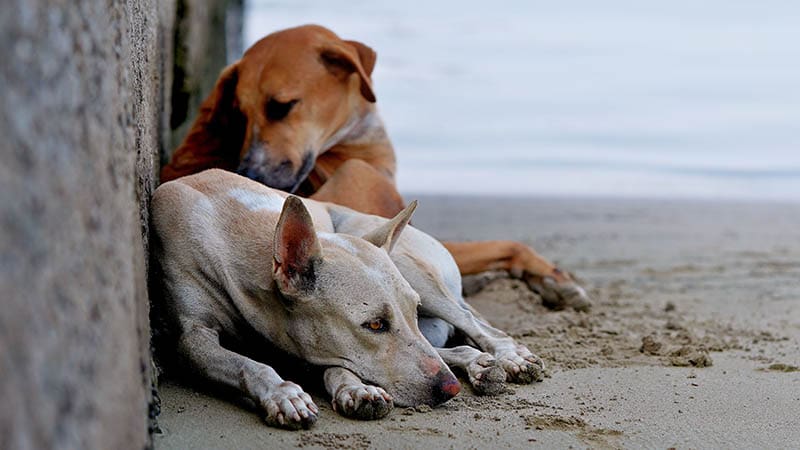
Compassion – The Most Misunderstood Part
Some people think that compassion comes first. Because without compassion, we could not see and tend to our animals the way that we do. And it is correct.
But we believe that compassion must be an all-around thing. It must drive you to reach out and help that first time, and to keep helping when that animal remains in your care because nobody has come to adopt it.
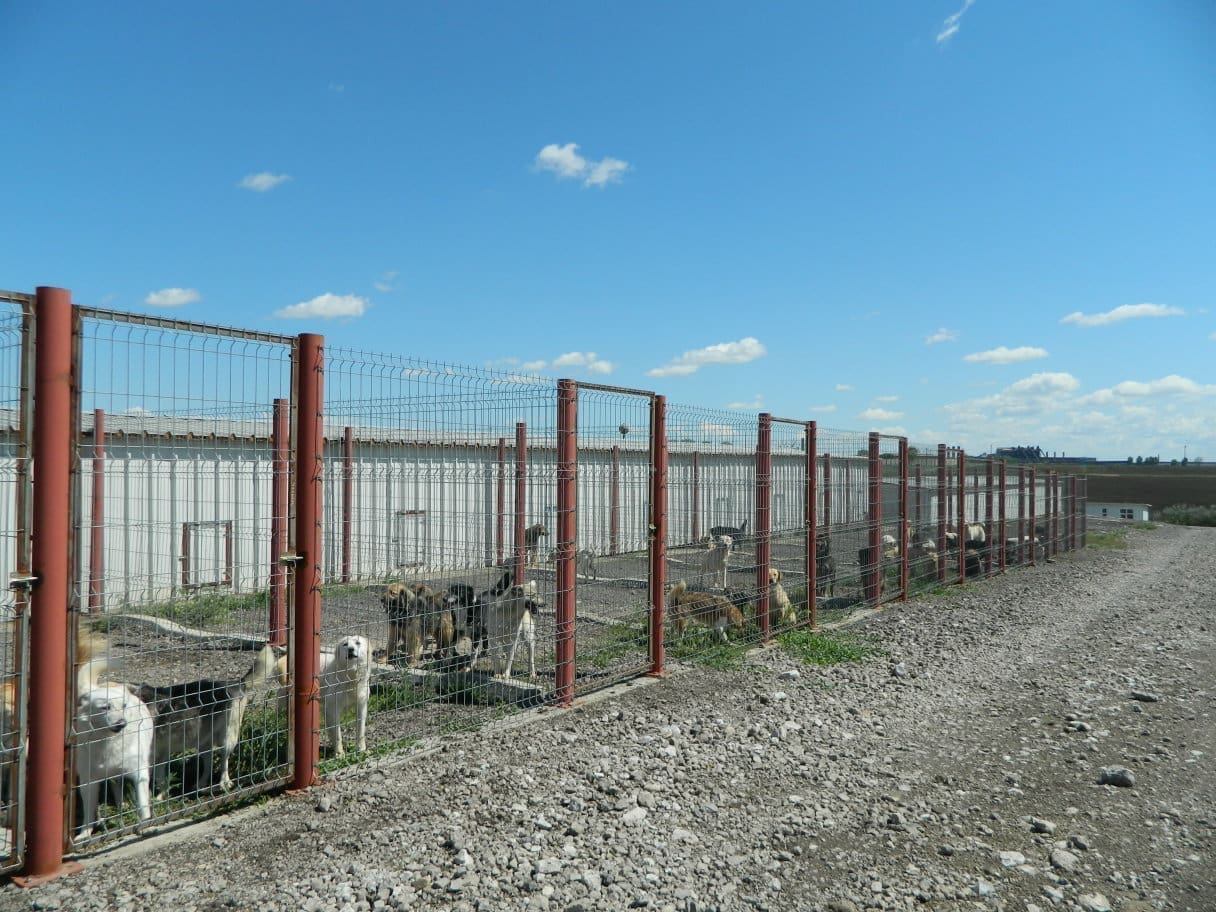
Because we have compassion for all our residents, we make sure that the ones who cannot find responsible adopters will still have a forever home in our shelter. And for the same reason, we insist on looking at the big picture.
Compassion also gives us patience and teaches us to give dogs the time they need, not the time we set in our heads. Recovery and rehabilitation are lengthy processes. If done right, that dog will be good for the rest of its life. If we lose patience and want to speed things along, the dog will have to heal on the go, in less-than-optimal environments.
Compassion makes us understand that it can take a lot of time for the right person to come along. Some dogs are naturally clingy, and they stick to people. They have the best chances of being picked right away. Others have amazing personalities, which they choose to reveal in time, slowly, after you’ve earned their trust. This could make for an even more impressive connection between dog and adopter. But we never know if we don’t give it real time.
Prevention – Taking Care and Compassion One Step Further
Being able to look at the big picture is something we see as a flex. We have the perspective and the vision to make it happen, and we can stand up and look beyond the current problem – that there are stray dogs in need of rescue and adoption.
The root of this problem remains the same: irresponsible dog owners who don’t sterilize their pets and who abandon them when they become an inconvenience.
So, we look at causes, at ways to get ahead of the problem. We organize sterilization campaigns for people in need of financial assistance; we help those who say they can no longer afford the animal’s food; we help older people keep their pets; and we offer financial and physical support, only to keep the animals in their homes.
Education and social programs are next on the list, and they are something only bigger organizations have the luxury of investing in. For us, it is an honor to reach out to people in our community and beyond, teaching them how to properly care for their pets and what it means to be responsible pet owners. We also distribute coloring books so that children can learn from an early age how to treat animals, from people who love and respect them.
Showing love to an animal can start with a rescue mission, be it dramatic or just efficient. But consistently showing up with care, compassion, and the will to change the world for the better, to make it a safer and better place for animals, will make a real change.
Do you want to hear more news about our stories?
Related content
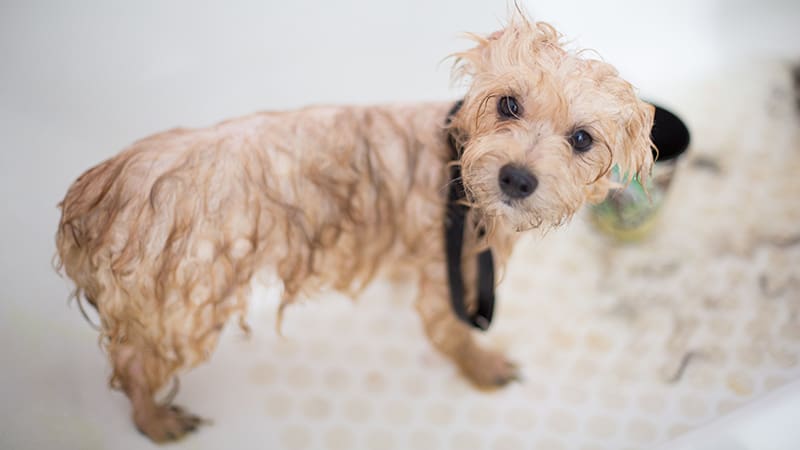
How Often Should You Bathe Your Dog? A Practical Guide for Every Coat Type
Bath time! Probably one of the more stress-inducing moments for households with pets. Maybe it’s because some dogs feel more comfortable in an icy-cold, dirty puddle than in warm bath water in the safety of their own home, or because their pet parents bathe them too often. Don’t feel bad if you haven’t figured it ... Building a Better Future for Stray Dogs Through Rescue, Care, and Compassion
Why Is My Dog Drinking So Much Water? When Thirst Becomes a Warning Sign
‘Didn’t I just fill your water bowl?’ This is how it starts: you notice your dog’s water bowl is often empty. Like any responsible dog owner, you start to wonder whether your dog is drinking more water than usual and whether this should concern you. Before jumping to conclusions, know that there are many reasons ... Building a Better Future for Stray Dogs Through Rescue, Care, and Compassion
Why Legacy Donations Can Create a Brighter Future for Shelter Dogs
Every donation we receive is an act of compassion toward our dogs. We are grateful for each one and for every person who wants to help us change the story for thousands of dogs. And if donating makes you feel happy for having contributed and become part of the story, know that there is a ... Building a Better Future for Stray Dogs Through Rescue, Care, and Compassion
How Adoption Stories Inspire More People to Help Animals in Need
One of our favorite online trends is the posting of pictures with happy dogs and their new families, with those big ‘ADOPTED’ signs! And it’s hard not to share in the enthusiasm. The adoptive family took their time setting things up; they got the floof ready, bathed, brushed, and smelling like a million bucks. And ... Building a Better Future for Stray Dogs Through Rescue, Care, and Compassion
How Sponsoring a Shelter Dog Can Change a Life Before Adoption
Adopting a shelter dog is the most beautiful act of kindness people could ever do in their lives. It is a gesture in which they take in a soul that was once abandoned and give it a home and a purpose. And then, they get to watch it thrive, and their lives grow richer and ... Building a Better Future for Stray Dogs Through Rescue, Care, and Compassion