non-US support +44 (0)161 531 8801




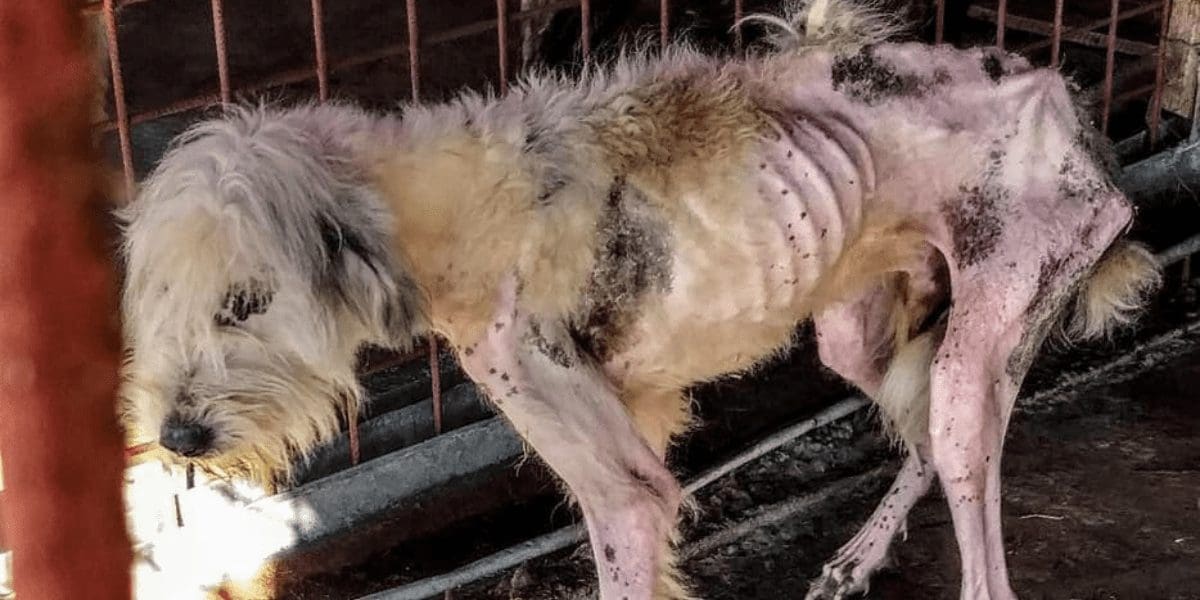
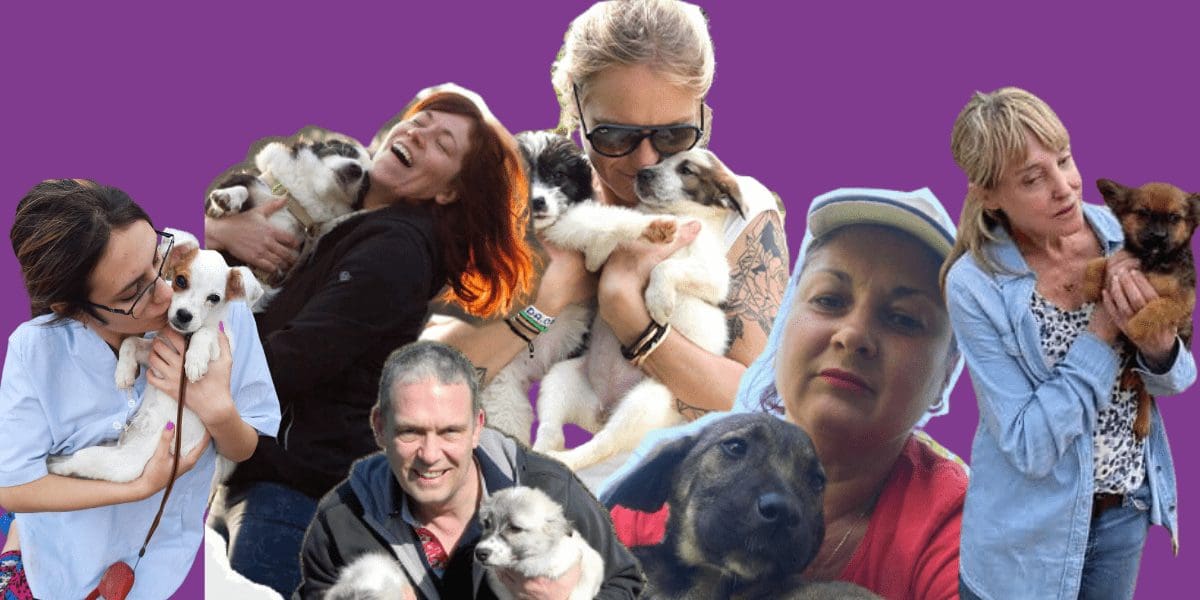
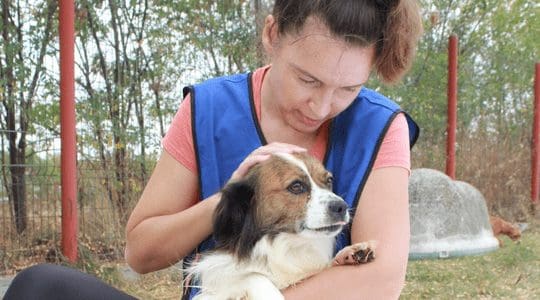
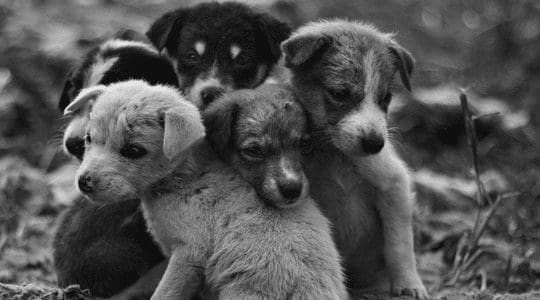

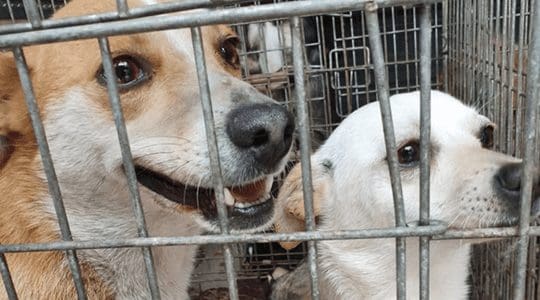



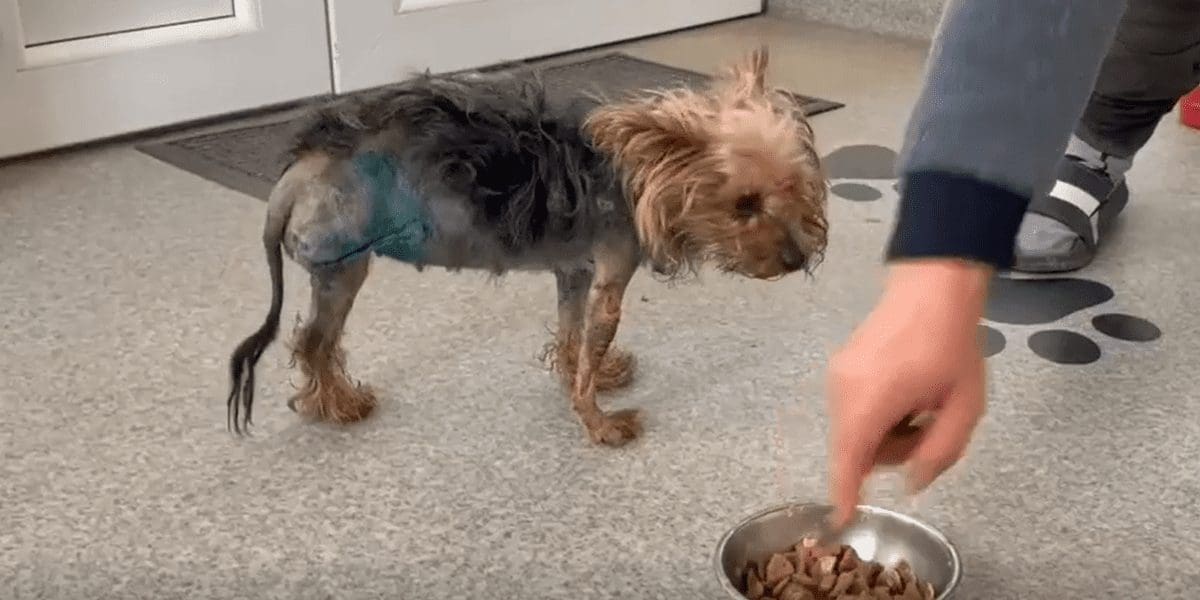
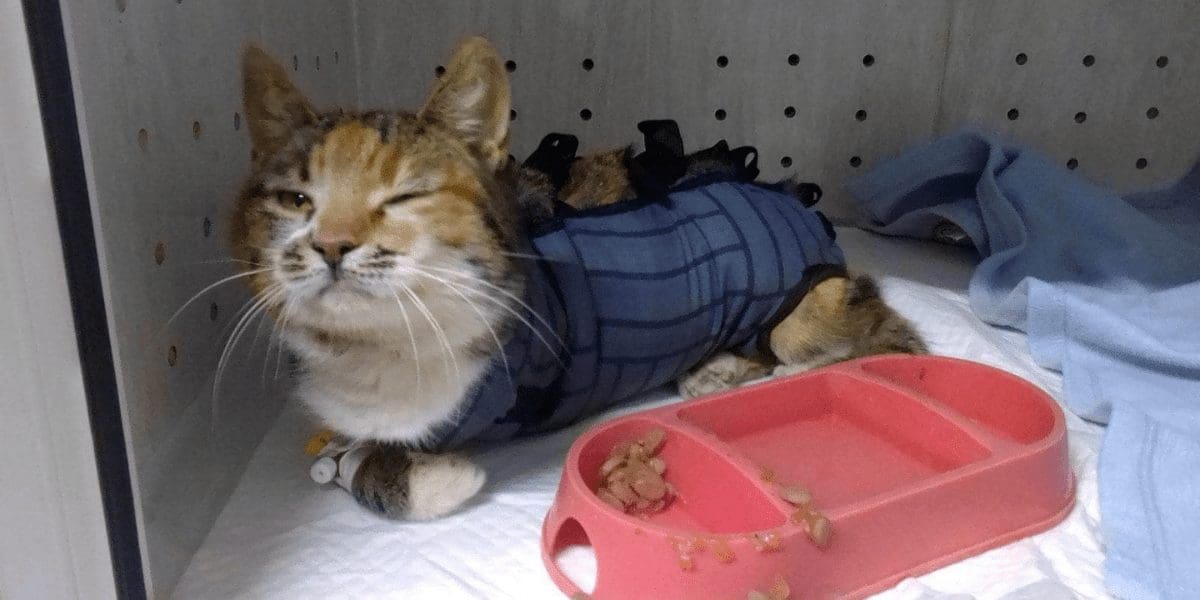



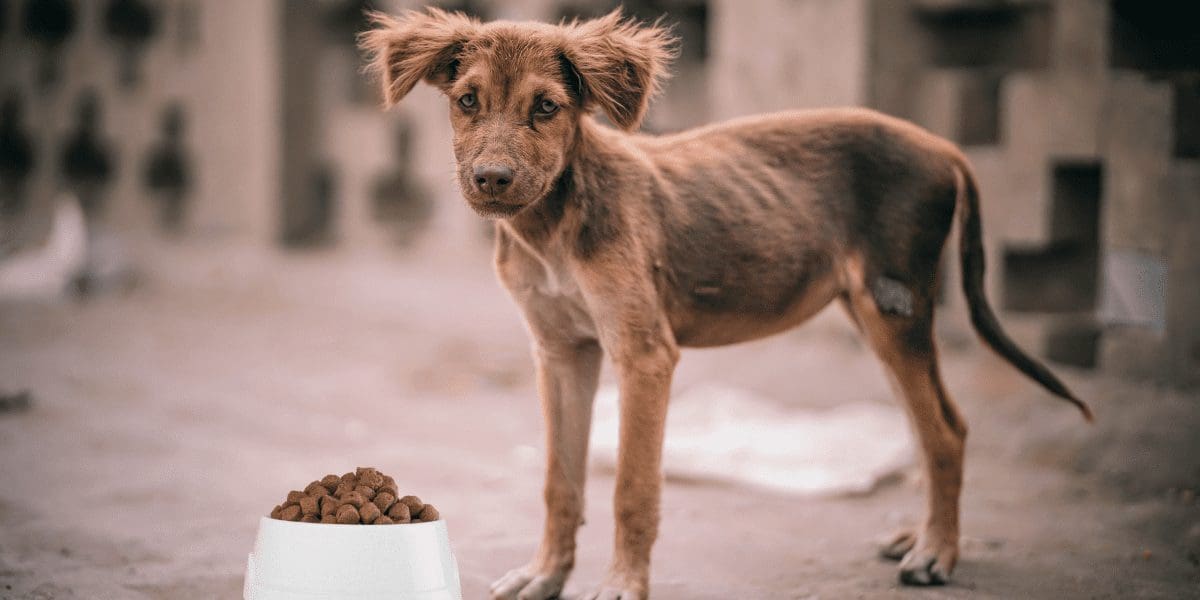
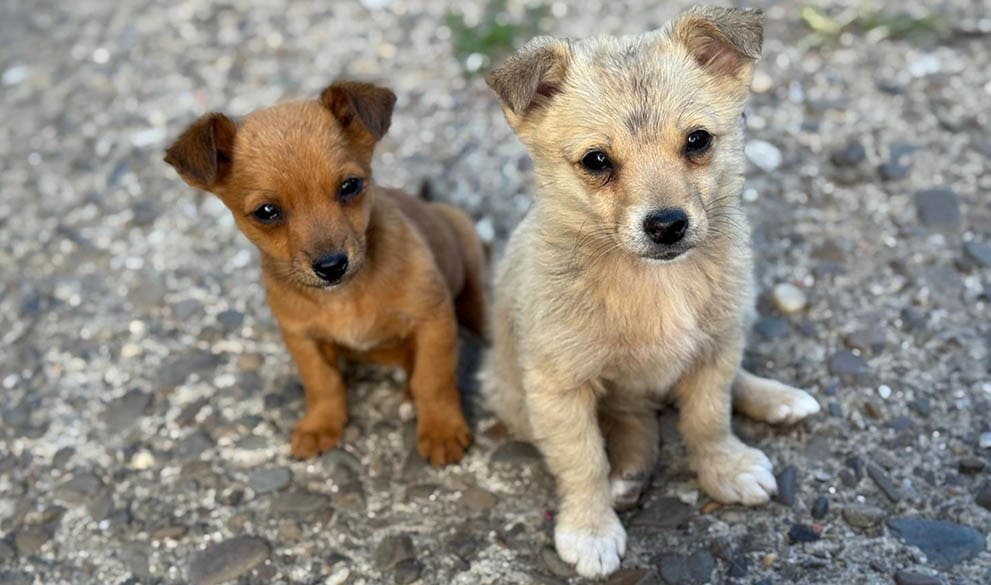


Long ago, in a past we would prefer to forget, abandoned animals in Romania only had two options: endure a bleak life of abuse and starvation on the streets or face certain death in public shelters. Some may think we are being too harsh by highlighting just these two categories, but we are actually omitting many of the grim realities faced by stray animals in Romania after the communist era.
Fast-forward, and stray animals in Romania now benefit from numerous charity organizations advocating for their rights. Thank goodness! These are all private initiatives funded through donations and sponsorships, sustained by awareness campaigns and emotionally touching efforts.
Their use of the received funds is truly remarkable. We are confident that the beneficiaries feel the same: the dogs in their care lived, and they were able to enjoy their days.
Public shelters only worsened the problem
Despite bearing the name ‘shelter,’ these publicly funded spaces do not resemble a haven for animals. While NGOs primarily see stray dogs as a challenge, the government often makes only superficial efforts. A single visit to these places quickly reveals why they fail to produce positive outcomes.
These places are often unsanitary, showing little concern for the animals’ health. The kennels are old and rarely cleaned, and the dogs are packed together without proper consideration—mixing strong males with pups or elderly dogs, sick animals with healthy ones, and gentle animals with aggressive ones.
In this context, each animal “saved” from the street is simply a statistic for public shelter operators to secure more public funding. However, none of this money genuinely benefits the animals, explaining why public shelters have largely failed to improve the situation and have often made it worse.


Private refuges – the saving miracle for thousands of dogs
No true animal lover could stand by and watch dogs being ‘slaughtered’ in these areas, abused, starving on the streets, or constantly in danger of being hit by vehicles. This is how all animal charity organizations in Romania began.
Gradually, those who had spoken out enough gathered, opened their hearts and homes, used their own funds, and began rescuing as many dogs as they could. For organizations like ROLDA, once they saw that helping abandoned animals was more achievable when someone actively invested effort, their initiatives naturally expanded from the comfort of their homes to building actual shelters.
What was even more impressive—and we can only speak for ourselves because we know our situation best—was how rewarding it was to take action to address a problem the community had been struggling with, and finally find some workable solutions.
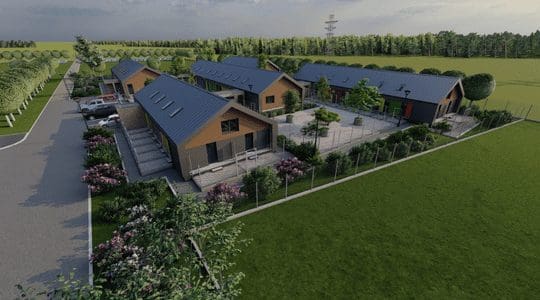
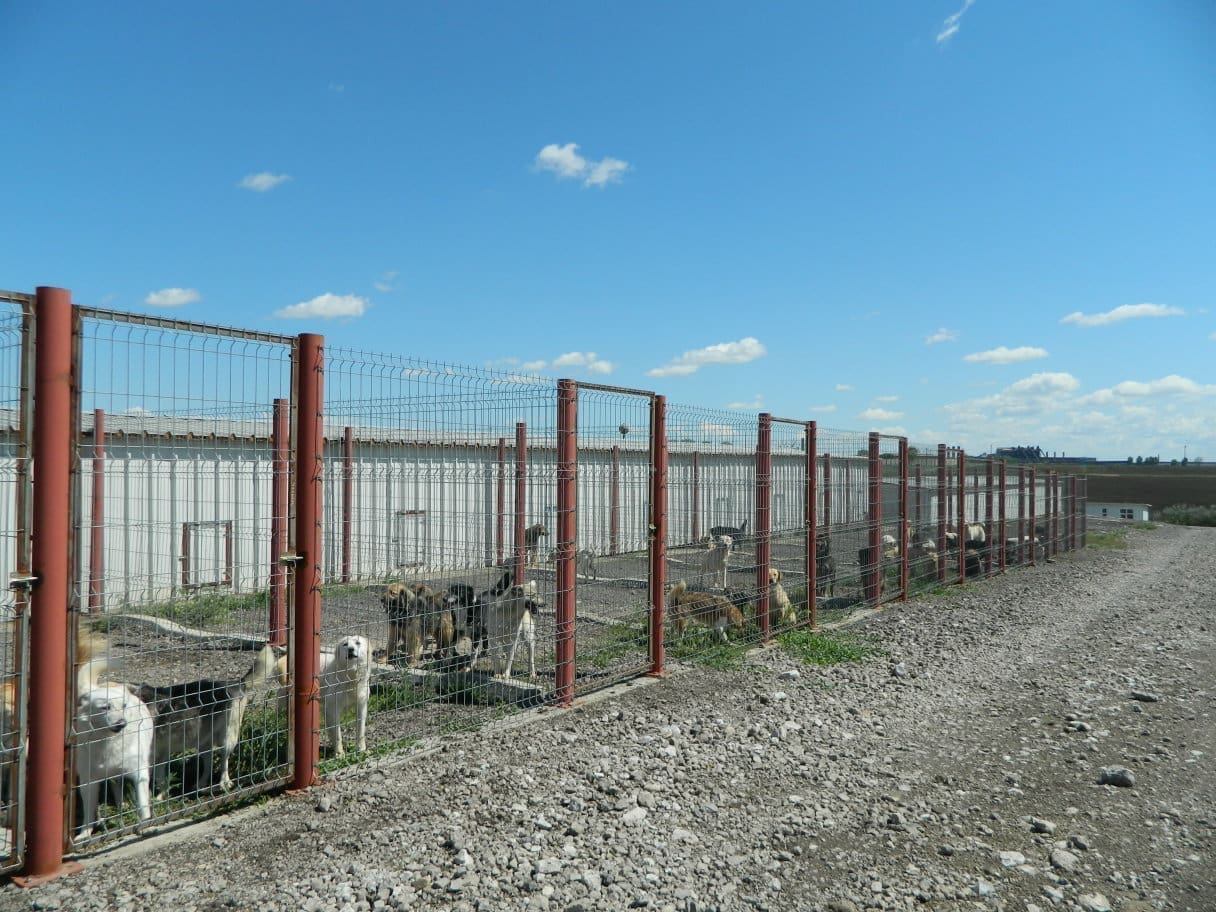
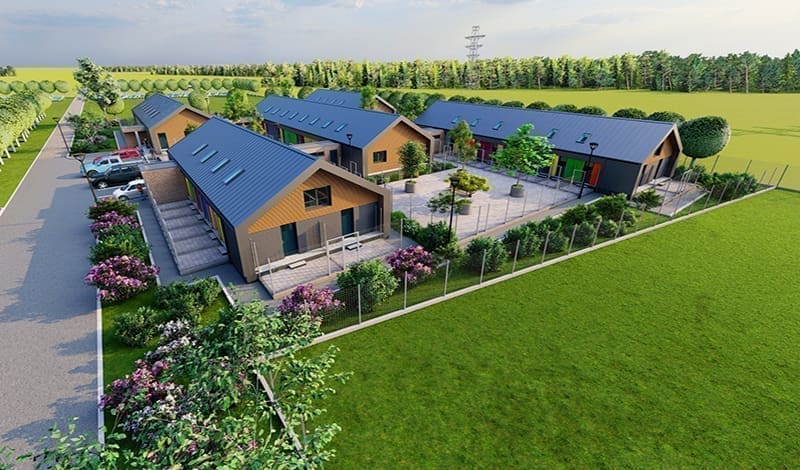
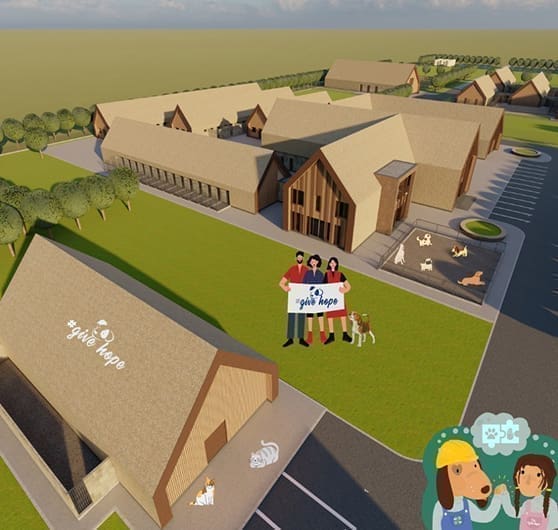
When constructing our shelters, we carefully considered all current modern needs. They were not only a significant improvement over typical public shelters but also comparable to well-funded Western animal refuges. This effort was not driven by pride or a desire to prove ourselves but was motivated by a genuine compassion for these animals, who deserve proper care at last.

Living off donations and sponsorships
Relying solely on donations and sponsorships from supporters to do our work makes us accountable to everyone who contributes. We see ourselves as one large team because, although we handle the hands-on tasks like rescuing street dogs, providing medical care, food, shelter, and caring for them until adoption or until they pass, we are one giant team united in purpose.
Since our ability to do any of the above depends on the financial support from everyone contributing, we view the effort of housing stray animals and combating abandonment as a shared responsibility in every sense. If donations were to cease, it would mean the work would come to a halt.
Accountability and financial wonders
We highlighted the remarkable results NGOs achieve in saving stray animals, often considered miraculous. One of their most incredible feats is managing donated funds with care, stretching them beyond limits, covering expenses, paying utilities and staff, and sometimes sharing resources with other struggling rescuers, such as ROLDA.
Why do publicly funded shelters receive money that seemingly never impacts their work? We’re not here to debate that, but you can use your imagination.
How do privately funded shelters manage to make the most of every dollar and get creative with their resources to care for hundreds or even thousands of animals? The most truthful answer is sheer determination.
Financial creativity and openness to any new stream of income and resources
Strictly speaking on behalf of ROLDA, we are open to any idea that makes it easier for people to support animals. This includes high-tech NFT options, micro-donations, will donations, bartering, or any method that helps us acquire the essential resources for our shelter residents.
If there is something we don’t know how to do or manage, it simply means we haven’t learned how to do or manage it yet.
These funds support various needs, including shelter operations like utilities and staff salaries, daily essentials for the staff, food, medical bills, and residents’ clinic stays if their medical needs exceed shelter capabilities. They also cover rehabilitation, ensuring proper recovery for healthy dogs, socialization, vaccinations, and preventive care to maintain long-term health. Additionally, the funds assist with adoption costs such as transportation, documentation, and other related expenses.
And we accomplish all of this through donations? In fact, it’s thanks to compassionate individuals who, even if they can’t personally rescue, feed, bathe, or play with the dogs, still make a financial contribution to ensure that someone else can care for the animals on their behalf.
We are truly honored to have the chance to be the glue that unites a community of do-gooders and to create real change together. Please support us in continuing this work and be part of the ongoing change in the years ahead.
Support the ROLDA Rescue Team and make every rescue possible!
You have selected your rescue dog, and your rescue dog has selected you! Congratulations! You’re about to begin a wonderful journey that should go smoothly, allowing you to enjoy your new life together from the start.
The key to a successful transition for your dog—and, by extension, for your new life together—is to carefully plan his first days at home. This ensures they are completely stress-free and comfortable. The goal is to help an overwhelmed dog feel at ease and relaxed in a new environment.
The good news is that you’re providing a deserving soul with the loving home and family they need. You may need to prepare a few things in advance, but it’s manageable. Once you handle the initial steps, everything will come together, and your exciting new life can start.
Before bringing your dog home
1. Complete documents in advance
It would be helpful if you could complete the adoption papers and similar documents beforehand, or at least come prepared to finish this part of the process. Once the dog is out, your attention should be entirely on him, rather than dealing with paperwork.
If there are still some issues to address on adoption day, keep everything organized and stay well-informed. The documents are important, so do not neglect them. However, try to resolve any outstanding matters before you pick up your excited dog.
2. Dog-proof your house
Before bringing home your new four-legged companion, ensure your house is dog-proofed. While some friends’ pets might ignore items on shelves or decorative objects on the floor because they’re used to them, this tolerance often develops over time—or maybe not at all, depending on the pet.
When introducing a new animal into your home, ensure all breakable items are removed from its way.
This includes vases on the floor, sculptures, paintings—items that could be knocked off coffee tables or lower shelves—plus toxic plants, room sprays with artificial or overly strong natural scents, wires, extension cords, drape cords, and heavy objects that could fall and injure the dog if displaced.
Although it might seem silly, the most effective way to identify potential threats in a room for your dog is to get down on all fours and inspect at eye level, seeing the space from your dog’s perspective. This approach can provide better insight and reveal problem areas.
3. Choose some of the potential spots
Your dog will have a dedicated spot in the house, whether it’s a cozy corner, at the foot of the bed, in front of the TV, or right under your desk if space allows. It would be helpful to create these spaces in every room, so your dog can stay with you while you go about your chores and tasks.
Eventually, one will become his favorite, but it’s helpful to identify a comfortable resting spot for him where he can relax and sigh while you go about your chores. This way, you won’t keep tripping over him as you move around the house.
4. Get the doggy stuff in advance
Some adopters might assume that all dog supplies should already be purchased and ready at home. However, we’ve also had instances where people come to pick up the dog and then drive with him to the store.
We understand the excitement and appeal! The idea that your dog can choose his own belongings and you can share a cute first moment is very tempting. However, considering your dog’s excitement about leaving the shelter with you, visiting a pet store might be overwhelming on the very first day.
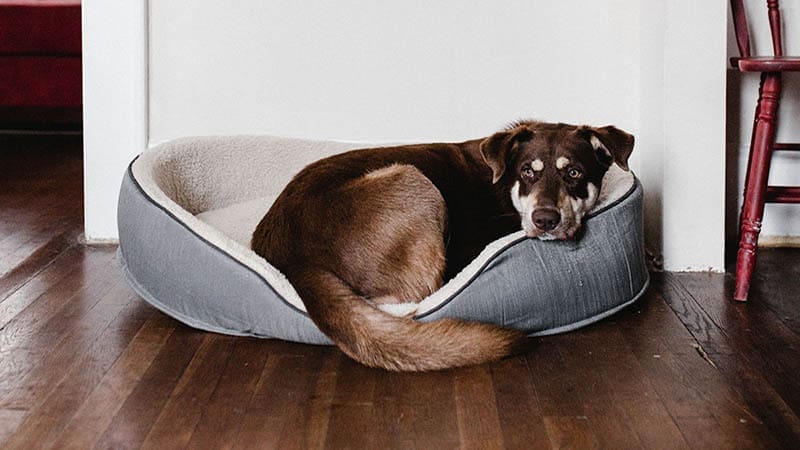
When your dog arrives, ensure your home has the essentials: a doggy bed, water and food bowls, a crate, a lead and collar, a secure way to keep the dog in the car—either a crate or a harness based on the dog’s size—and some toys. You can acquire additional items later.
5. First aid kit
Like any responsible parent, pet parents should keep a first aid kit for emergencies. Even if your veterinarian’s office is nearby or the doctor and team are easily accessible, there are still essential skills and knowledge you need to have to act promptly until professional medical help for your dog is available.
This kit should contain gauze pads and rolls to control bleeding, medical adhesive tape, sterile non-stick pads, cotton balls, scissors (preferably a separate, blunt pair suitable for cutting fur around the wound if necessary), tweezers, a digital thermometer, cold packs, disposable gloves, and a soft muzzle or a towel/blanket to immobilize the dog, as dogs may bite when in pain.
6. Medicine
Never give your dog human medicine, as it can be toxic to animals! Instead, keep antiseptic wipes, saline solution, styptic powder for minor bleeding, and dog-safe antihistamines on hand, following your vet’s recommended dosages.
7. Learn the 3-3-3 rule and prepare
As a new pet owner, patience during the settling-in process is essential, but it won’t last forever if you follow the right steps initially. The 3-3-3 rule can guide you through this period, representing the stages your dog needs to adapt to living with you.
3 days to decompress
Don’t expect immediate results in the first three days. The environment—your new place, yard, neighborhood—and the rules are all unfamiliar, as are the living conditions. Even with your effort and good intentions, your dog needs time to adjust and should be left alone during this period.
3 weeks to start settling in
Once he understands the house layout, your identities, the schedule, and the family’s routine, he will begin searching for his role within the house and the family. This is just the beginning—his initial step—to feel comfortable.
3 months to truly feel at home
In three months, you can expect to have the life you envisioned with your new dog. Provide him with this time within these guidelines, and you’ll be on the right track. Rushing these steps will likely cause you to continually reset his inner compass.
8. Clear the house for when he arrives
Nothing will excite an already anxious dog more than a house full of new people. If possible, send everyone away so your dog can have his first experience in the new home without distractions. He will already pick up on your scents there, but give him a chance to explore each room calmly first.
9. Make plans to pick up your dog
You might all be excited about picking up your new friend. But you might risk overwhelming him if all the family shows up, kids screeching, jumping, spouse all excited, everybody talking loudly at the same time. Have one parent do the pickup. And one more person can accompany you if you need help in the car.
10. Clear your calendar (No house parties, long vacations, and loud get-togethers)
As your dog gets used to his new environment, family, and house routine, it’s best to avoid overwhelming him with loud, crowded gatherings during the initial days, weeks, or even the first three months. Keep this in mind when planning your social events.
Support the ROLDA Rescue Team and make every rescue possible!
Aria appeared as a stray in Câmpulung Moldovenesc, a town in northeastern Romania, in very poor physical condition.
She was first noticed by a young local woman, who, having no means to take her in, walked from gate to gate carrying her and asking neighbours whether anyone could offer temporary shelter. The case was escalated to the ROLDA Rescue Team via an associate of Nas Rece, Inima Calda.
Aria presented in severely poor condition consistent with prolonged nutritional deprivation. The most notable visual finding was a marked deformity of the front limbs, with a “bear paw” appearance characteristic of advanced rickets. Skin condition was also poor, with patchy fur loss and signs of dermatological inflammation.
Advanced rickets: a metabolic bone disease occurring in young, developing canines and caused by a deficiency of calcium, phosphorus, or vitamin D. The disease produces softening and deformation of the skeleton, with clinical signs ranging from mild lameness in early presentation through bowed limbs, structural skeletal damage, folding fractures, and chronic pain as it progresses.
Concurrent skin inflammation, likely secondary to malnutrition and prolonged exposure during the period prior to rescue.


Treatment Plan
• Calcium and phosphorus supplementation to address the underlying nutritional deficiency
• Appropriate, nutritious feeding to support recovery and continued healthy bone development
• Treatment of concurrent skin inflammation
• Foster placement with ongoing monitoring
• Further veterinary review as treatment progresses
Response to treatment has been excellent. Aria’s front limbs have straightened, her coat has regrown, and her general condition has normalised. The foster placement converted to a permanent adoption (a “failed foster”). Aria now lives with her adoptive family alongside a canine companion, Benny.
This case illustrates the scale of nutritional illness seen in stray populations across rural and semi-urban Romania. Rickets, when caught early enough, is both preventable and treatable; the determining factor is identification and escalation, which depend on community members willing to act. With consistent supplementation and proper nutrition, prognosis for meaningful recovery is hopeful, as Aria’s outcome demonstrates.
They stopped the car, opened the door, and drove away. Pusha stood on the road watching them go, quizzical. He had been a household pet. He had known warmth, familiar smells, the sound of people he trusted. In a single moment, all of that was taken away.
He was most likely left behind because caring for a dog with weak front legs had become inconvenient. Because Pusha, who needed medical attention, had become a burden they no longer wanted to carry. So they put him out on the road and drove away.
Ukraine is home to hundreds of thousands of stray animals. Many were born into that life. Pusha was not. He arrived on the streets already struggling, with no idea how to survive out there. A kind local woman named Katya noticed him. She began bringing food each day, doing what little she could to help him survive. It wasn’t much, but it kept him going. Then she heard it happen.
The sound of a car. The impact. Pusha had been hit. Katya ran to him. He was heavily injured and stressed, unable to move properly. She refused to leave him there suffering, and she reached out to her local rescue shelter for help.
The shelter rushed Pusha to the clinic. The damage to his spine was severe. He will probably never walk without some form of assistance. It is a devastating thing to consider for a dog not yet old, not yet given a real chance at life.
But during the examination, the vets discovered something else.
Pusha had heartworms.
Spread by mosquitoes, heartworms attack the heart and lungs and can stay hidden for months before any symptoms appear.
For Pusha, the infection makes anaesthesia far too dangerous right now. Surgery on his spine and weakened legs will have to wait. First, he must complete a long course of heartworm treatment. Until his heart is strong enough, Pusha will rely on a wheelchair just to move.

This is the reality for abandoned animals. Even when help finally arrives, recovery is rarely simple. It takes time, specialist care, and the kind of quiet, ongoing commitment that doesn’t make headlines but makes all the difference.
Look at the photos of Pusha, and you will see something that surprises most people. Despite everything, despite the abandonment, the accident, the spinal damage, the hidden infection, he is still a dog with his tongue out and warmth in his eyes. He still wants to connect. He still looks, tentatively, like he might be willing to trust again.
Dog-loving ROLDA supporters ensure that dogs like Pusha receive the treatment they need without delay or compromise and get a chance at a fair life again.
Teddy’s story began on the streets of Romania, where he and his brother Toby were found trying to survive alone. They were still puppies, vulnerable and all alone, struggling to learn how to navigate the world with very little protection.
When they arrived in our care, it quickly became clear that Teddy needed urgent medical intervention. A severe injury to his tail left us with only one option if we wanted to save his life: we had to amputate a part of his tail.
At the time, our focus was on getting him through surgery and ensuring he recovered safely. What we did not anticipate was that this emergency procedure could later place his future at risk.
The Uncertainty Around UK Legislation
In late 2025, there was widespread uncertainty surrounding UK legislation regarding dogs with docked tails. The guidance was unclear, and there was concern about how potential changes might affect rescue dogs travelling to the UK for adoption. For dogs like Teddy, whose tail had been amputated for medical reasons, this ambiguity created genuine worry.
We were faced with a difficult decision. Waiting for full clarification could have meant missing the opportunity to bring him to the UK altogether. Acting quickly carried its own risks, yet it also gave Teddy a chance to move forward without delay.


Our team chose to act.
Rescue work often involves complex decisions made behind the scenes, balancing legal frameworks, animal welfare, and long-term outcomes. Moving Teddy to the UK while we still could was one of those decisions that required both urgency and faith.
In January, Teddy arrived in the UK and went into an emergency foster placement. Shortly afterwards, he moved into foster care with one of our ROLDA team members.
At just eight months old, Teddy had already experienced a tumultuous start to life. He had survived on the streets, undergone surgery, travelled across borders, and adjusted to entirely new surroundings. Despite everything he had been through, he remained remarkably gentle and open-hearted.
He is the sweetest boy, endlessly eager to learn and deeply people-focused. Training sessions quickly became a favourite for him, and his enthusiasm for life, kept his foster family endlessly enamoured with him.
This brave boy approaches the world with curiosity rather than fear, which is a testament to both his resilience and the care he received from our shelter team in Romania.
It was clear from the beginning that this was a dog ready to love wholeheartedly.
Our team worked tirelessly behind the scenes to find him the best possible match. Through our UK adoptions programme, Teddy was matched with a couple whose lifestyle fits him beautifully.
From the moment they saw him, they saw beyond his shortened tail and recognised the joyful, intelligent, affectionate dog he really is.
The UK legislation regarding docked tails and ears has been clarified, easing the uncertainty that surrounded dogs like Teddy. Even so, we remain deeply grateful that we made the decision to move him when we did. Acting during that period of uncertainty ensured he was here, visible, and able to connect with his future family.
Timing can change everything in rescue. In Teddy’s case, it meant the difference between waiting in limbo and beginning his second chance.
So many people connected with Teddy’s story and helped amplify his journey. Supporters shared his posts, engaged with his updates, and kept his story circulating. That collective effort played a vital real role in helping him find his family.
Today, Teddy is thriving in a home filled with love, adventure, and stability. His past no longer defines him. The amazing future that lies ahead of him does.
There are still many other dogs waiting for their second chance. Fostering creates space for more rescues, and adopting transforms a life forever. Teddy’s story is proof of what is possible when compassion meets action, and it reminds us that every open home can become the start of someone’s second chance.
Abandoned, drowned or left to starve. Too often, this is the fate of old dogs who are no longer wanted.
The man who brought these two elderly girls to us believed he was doing the right thing by trekking four kilometres with them to our shelter.
They are now in our care. Vaccinated first and soon to be sterilised, their tired little bodies tell us much of their troubled history. Years spent at the end of a chain have left their marks: a badly torn ear, an eye clouded blind. Both are at least 8–9 years old.
But even after everything, their eyes still search gently for kindness. There is a softness in them that suffering could not take away.
When our first social media post about them went online, it sparked anger. Many people reacted. Many cursed the man who surrendered them. But just two people donated.
The reality is this: he did not abandon them in the woods. He did not drown them. He walked over four kilometres, believing he was giving them a safer future. It doesn’t erase the years they lost. It doesn’t undo the neglect. But it gave them a chance.
Now they have a roof. Food and water every day. A clean kennel. A kind voice. They are not active or demanding. They sit quietly, side by side, waiting for a caress. After years on chains, they walk beautifully on a leash. They are gentle. Calm. Grateful for the smallest kindness.

Old dogs are often overlooked. People rush past them in favour of puppies. Applications rarely come. For these girls, the chances of adoption are slim.
But old dogs are not “too late.”
They deserve peace. They deserve dignity. They deserve a soft ending after a hard life. They may not have many years ahead of them, but the years they have left should be warm, safe, and filled with care. That is the future we want for them.
If you’re a ROLDA supporter, this is what you are giving them: food in their bowls, medical care when they need it, warm bedding in winter, and the quiet reassurance that they will never be chained again.
For these sweet girls, love may not come in the form of adoption. But it can still come, and I can see now in their eyes that they feel it. Thank you for making this happen.
Each day brings new challenges, and each day, hope rises as another innocent life is given a second chance. Some stories, though, touch our hearts more deeply than others.
When one of our ROLDA Rescue Heroes received an urgent call, it was about a tiny soul fighting to survive in the shadows of Bethlehem, unnoticed by the small, uncaring world around him. The only world he had known until then.
Alone and silent on the side of the road, this puppy was wracked with pain from a terrible injury that left his paw severely swollen and infected. It was a situation no creature, let alone a puppy, should ever have to endure. We may never know what cruelty or accident led him here, but we do know his suffering was immense, and his spirit was unbroken.
With hope as his companion, he was rushed to the veterinary clinic, where every second counted.
The compassionate vets fought valiantly to save his tiny paw, refusing to give up on this brave little one. But sometimes, love means making the hardest decisions.
The damage was too severe. Infection threatened his life, and there was only one way to give him a future. His paw had to be amputated—a heartbreaking choice, but one that offered hope instead of despair.
That day, heartbreak and hope walked hand in hand. The choice that broke our hearts also opened the door to his future. A brighter future.
Today, this little hero is recovering, wrapped in warmth, care, and love. The pain of his past is behind him, replaced by the promise of new beginnings.
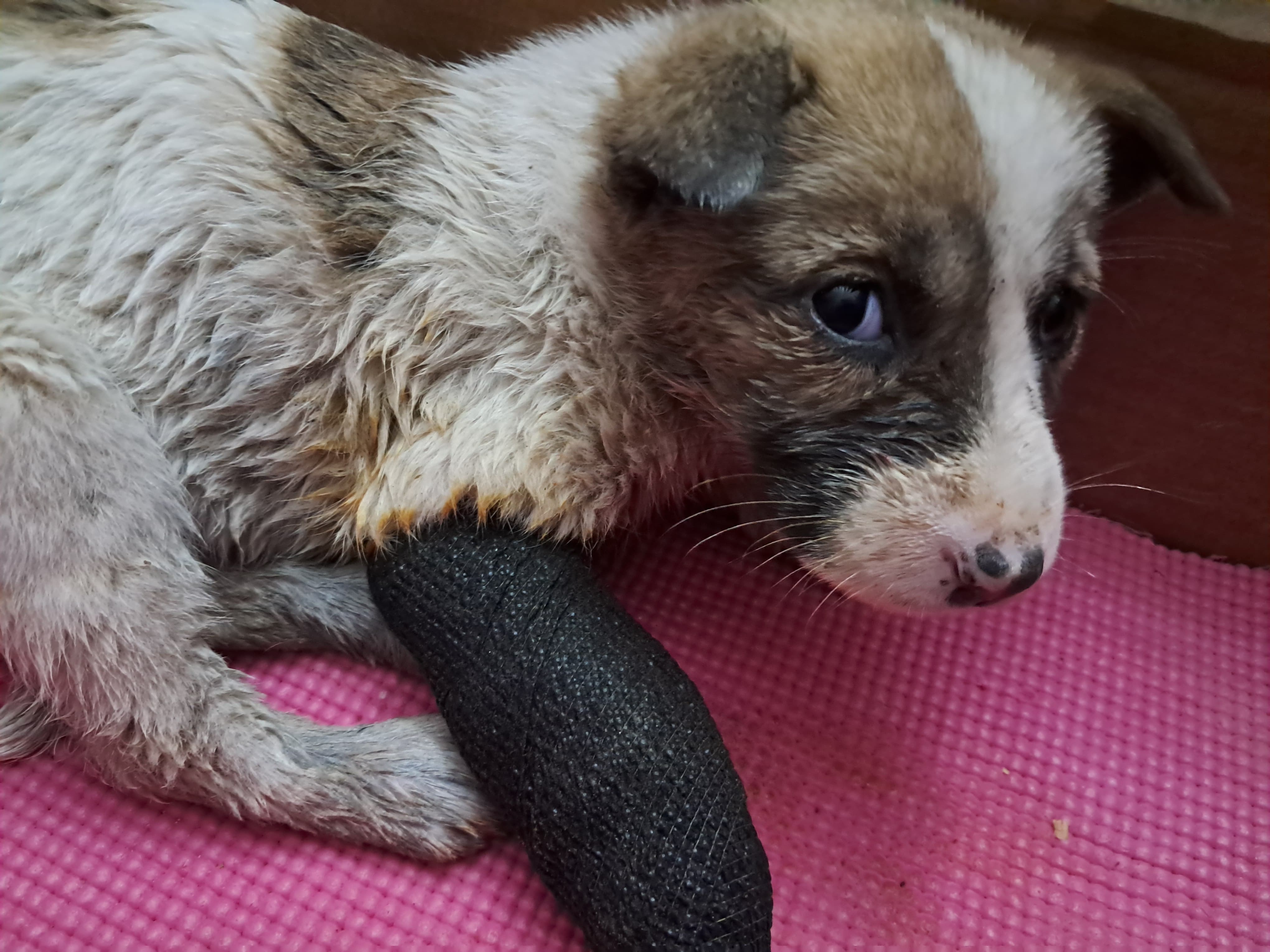
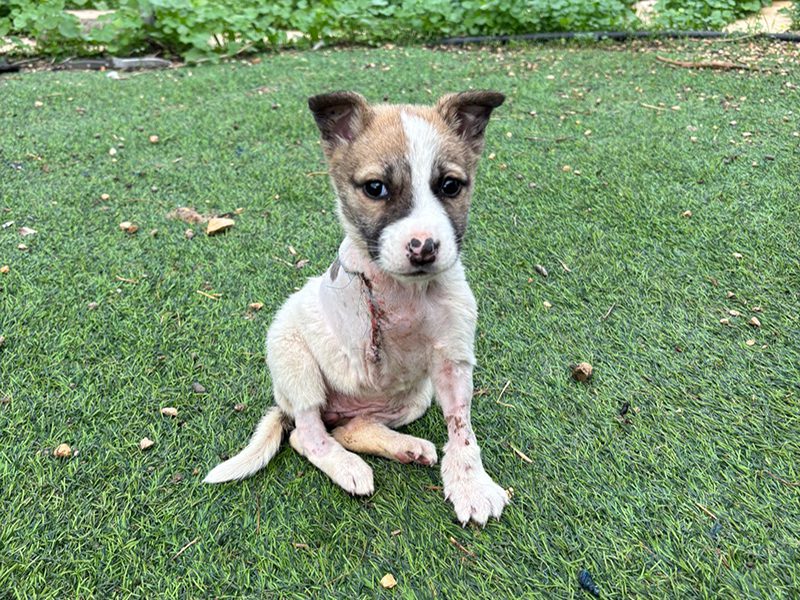
He is finally free from pain, and despite all he’s endured, he inspires everyone he meets with his strength and gentle spirit. His resilience reminds us that even in our darkest moments, hope can shine through. He teaches us the power of never giving up, no matter the odds. He may walk on three legs, but his heart is whole—and every step he takes is a testament to the healing power of love.
There are so many more souls waiting for a second chance. With your kindness and support, we can keep writing stories of hope—one precious life at a time.
ROLDA Rescue Heroes in Bethlehem
ROLDA’s work has always been primarily rooted in Romania, but over the years, we’ve learned an important truth. We cannot be everywhere, and there is a lot of power in collaboration. That is why, when animals are suffering in conflict-affected areas, we choose collaboration over borders and competition. By partnering with trusted local rescuers, we are able to support animals who would otherwise be left without food, medical care, or a chance to survive.
Right now, in and around Bethlehem, dogs and cats are being abandoned, injured, and left hungry as the ongoing conflict continues. Local rescuers are doing everything they can, but clinics and shelters are overwhelmed, resources are limited, and emergencies are arriving every single day. Through our Global Emergency Program, ROLDA is working alongside a local rescue team in Bethlehem to help provide urgent food, veterinary care, life-saving medicines, and transport so animals can reach safety and treatment in time.
Please help us continue rescuing puppies like him.
Donate to support emergency surgeries and recovery care. Every rescue begins with compassion — and continues with you.
This is Alfie. This is what it looks like to be born into life as an unwanted stray.
From birth, this small black kitten sat on the streets of Tulcea, cold, hurting, and unnoticed. His eyes had, at some point, been so badly damaged that he could no longer see. So, this kitten, blind to the world, hoped for someone to notice him and show him kindness.
For days, no one did. But one of our partner animal rescue teams, The Great Catsby, sees its mission as intervening to change stories like poor Alfie’s. So, when someone called and told them about Alfie, they immediately went looking.
For three days, the team searched, fearing the worst each time the sun set without any sign of the vulnerable kitten. Were they too late?
On the fourth day, when hope was almost gone, he was finally spotted. Fragile and starving, it was clear Alfie had already endured more than any baby should. He was so malnourished that it was hard to believe the tiny kitten was already three months old. Most disturbingly, the severe damage to his eyes showed signs of prolonged suffering without care, something no animal should ever have to experience.
Upon finding him, Alfie was rushed to the vet. We refused to allow his suffering to continue any longer. The vet confirmed our fears. Neither of Alfie’s eyes could be saved, and he would face the world forever blind.
What followed was a long, difficult month of recovery, setbacks, and more pain than any kitten should know. Still, Alfie fought. Quietly. Bravely.
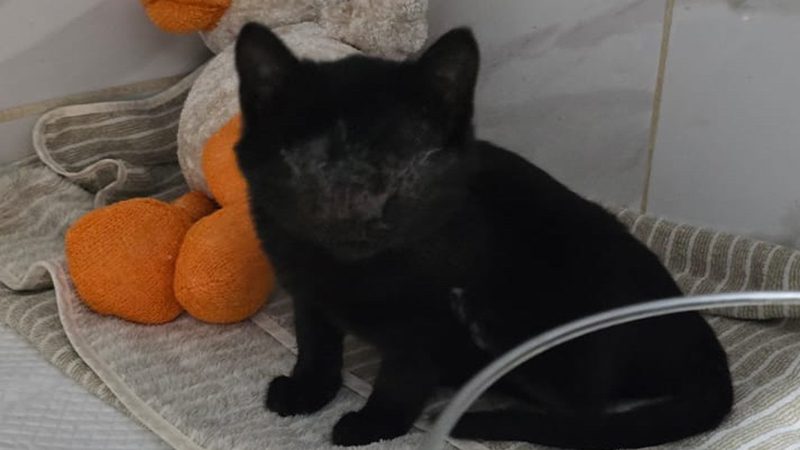
Today, Alfie is a resilient young cat who is finally friendly, calm and trusting after surviving terrible odds. Despite losing his sight, he now knows warmth, comfort, and kindness. But Alfie’s story is only one of many. Across Romania and Ukraine, there are thousands of kittens just like him. They are born on the streets, their only memories consisting of illness, hunger, cold, and cruelty. Most live unseen until it is too late.
This is why we ask for your support.
Because without care, injuries become fatal.
Without treatment, pain becomes the norm.
Without compassion, these lives simply disappear.
If Alfie’s story touched you, please consider supporting our work so that you help the next kitten in need. Your donation won’t just change one life, it gives hope to all the unseen strays still waiting for kindness.
The small terrier sat where her family had left her, waiting for them to come back. She didn’t understand why they’d walked away. She couldn’t comprehend that at ten years old, with tumors growing on her belly, she was now considered disposable.
How long did Alya wait before she realized they weren’t returning?
In Ukraine, where the ongoing war has displaced millions and shattered countless lives, abandoned pets have become an all-too-common tragedy. Some families flee and cannot take their animals. Others, facing impossible choices between survival and sentiment, leave their pets behind. But Alya’s story is different, and perhaps more heartbreaking; her owners didn’t flee danger. They simply decided an aging dog with health problems was no longer worth keeping.
When Inessa, who runs a ROLDA-sponsored shelter in Ukraine, found Alya, the physical evidence of neglect was unmistakable. The tumors on her mammary glands had grown large and painful. Her body showed the telltale signs of a dog who had spent years breeding, producing litter after litter, only to be discarded when she was no longer useful. At ten years old, Alya should have been enjoying her senior years in the comfort of the home she’d known. She deserved some gratitude and loyalty in her old age. Instead, she was alone, sick, and abandoned.
For older dogs with serious health conditions, time is not a luxury. Mammary tumors in dogs can be malignant, and without intervention, they grow, spread, and cause immeasurable suffering. Alya needed help immediately.
Thanks to supporters who make ROLDA’s work in Ukraine possible, Inessa was able to rush Alya into surgery. The procedure was extensive: removing the tumors from one side of her mammary chain and spaying her to prevent future health complications. The surgery went well, and Alya is now recovering safely at the shelter.
But her journey isn’t over yet. In one month, when her body has healed sufficiently, she’ll need to return to the clinic for a second surgery to remove the tumors from her other side. It’s a lot to ask of a ten-year-old dog who has already been through so much.
Yet despite everything she’s endured (the abandonment, the pain, the confusion of finding herself in unfamiliar surroundings), Alya’s eyes still hold a gentle sweetness. She still wags her tail when someone approaches. She still believes that people can be kind.
Dogs like Alya represent a crisis that extends far beyond individual heartbreak. Senior dogs are the most likely to be abandoned when families face hardship or simply decide that caring for an aging pet is too inconvenient. In war-torn Ukraine, where resources are stretched impossibly thin and survival itself is uncertain, these vulnerable animals face even bleaker prospects.
Without shelters like the one Inessa runs, and without the international support that ROLDA supporters offer, dogs like Alya would have nowhere to turn. The surgery she received, the careful post-operative care she’s receiving now, and the second surgery she’ll need next month all require funding that local resources simply cannot provide.
This is where you, as part of the ROLDA community, make the difference between life and death.
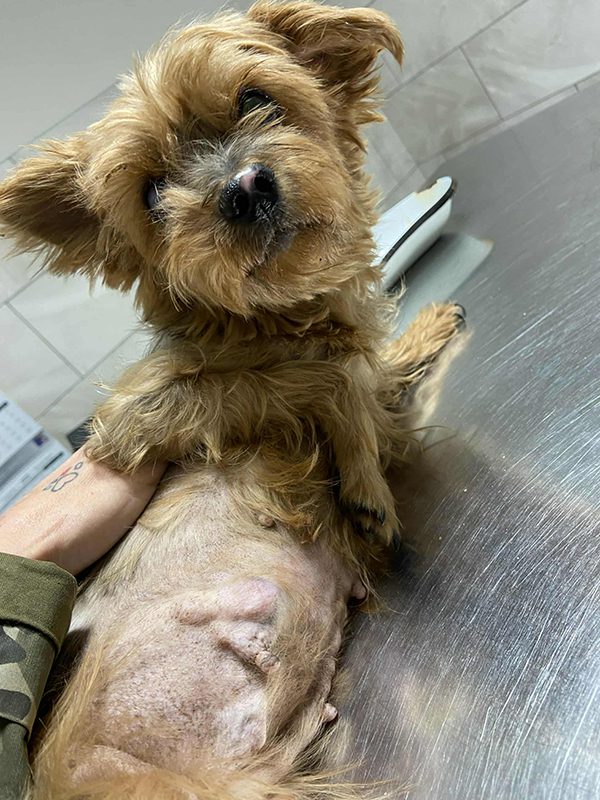
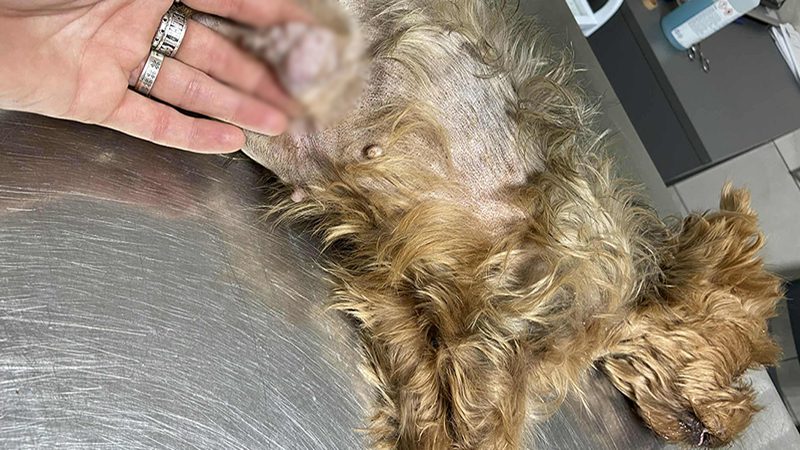
Alya will spend her recovery time surrounded by people who see her value, who understand that ten years of loyalty and love deserves better than abandonment. She’ll receive the medical attention she needs, the gentle care that eases her pain, and the dignity that every living being deserves.
When she’s fully healed, Alya will have the chance at something her previous owners denied her: a peaceful, comfortable senior life where she is wanted, valued, and loved.
Your support makes stories like Alya’s possible. In a country where war has created so much suffering, where abandoned animals face impossible odds, and where every act of rescue requires courage and resources, your donations become lifelines. They transform abandonment into hope, neglect into healing, and despair into second chances.
Alya waited where her family had left her, not understanding why they had gone. But she’s not waiting anymore. She’s recovering, healing, and discovering that while some people abandon, others choose to save.