non-US support +44 (0)161 531 8801



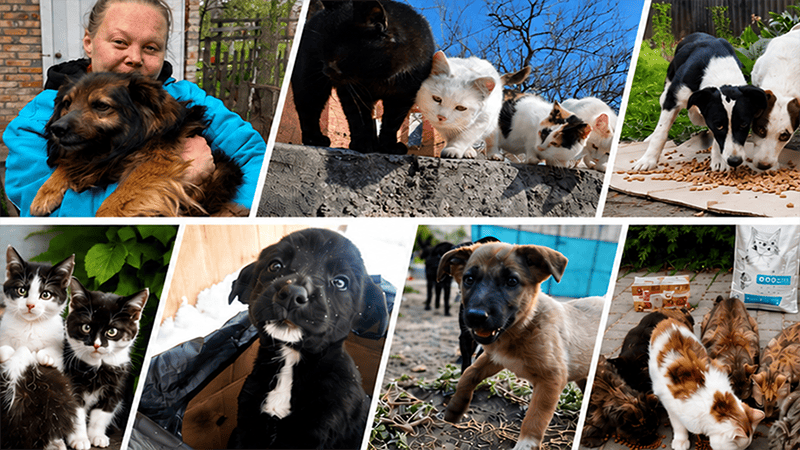

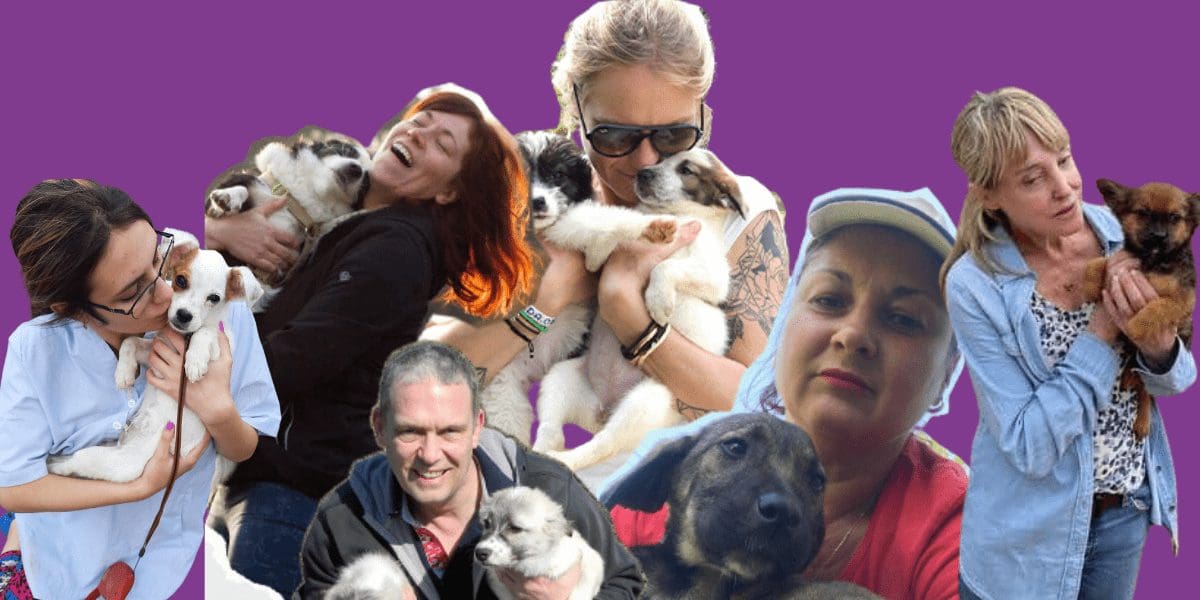
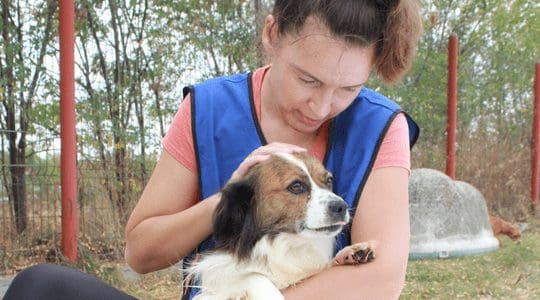
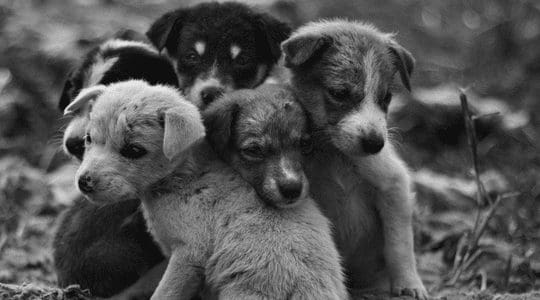

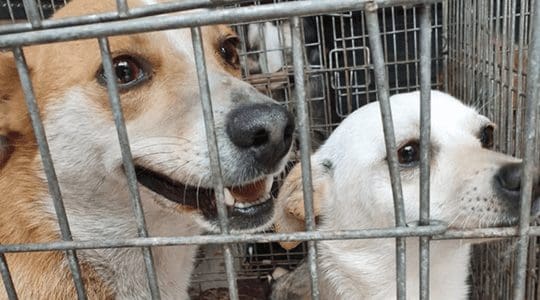

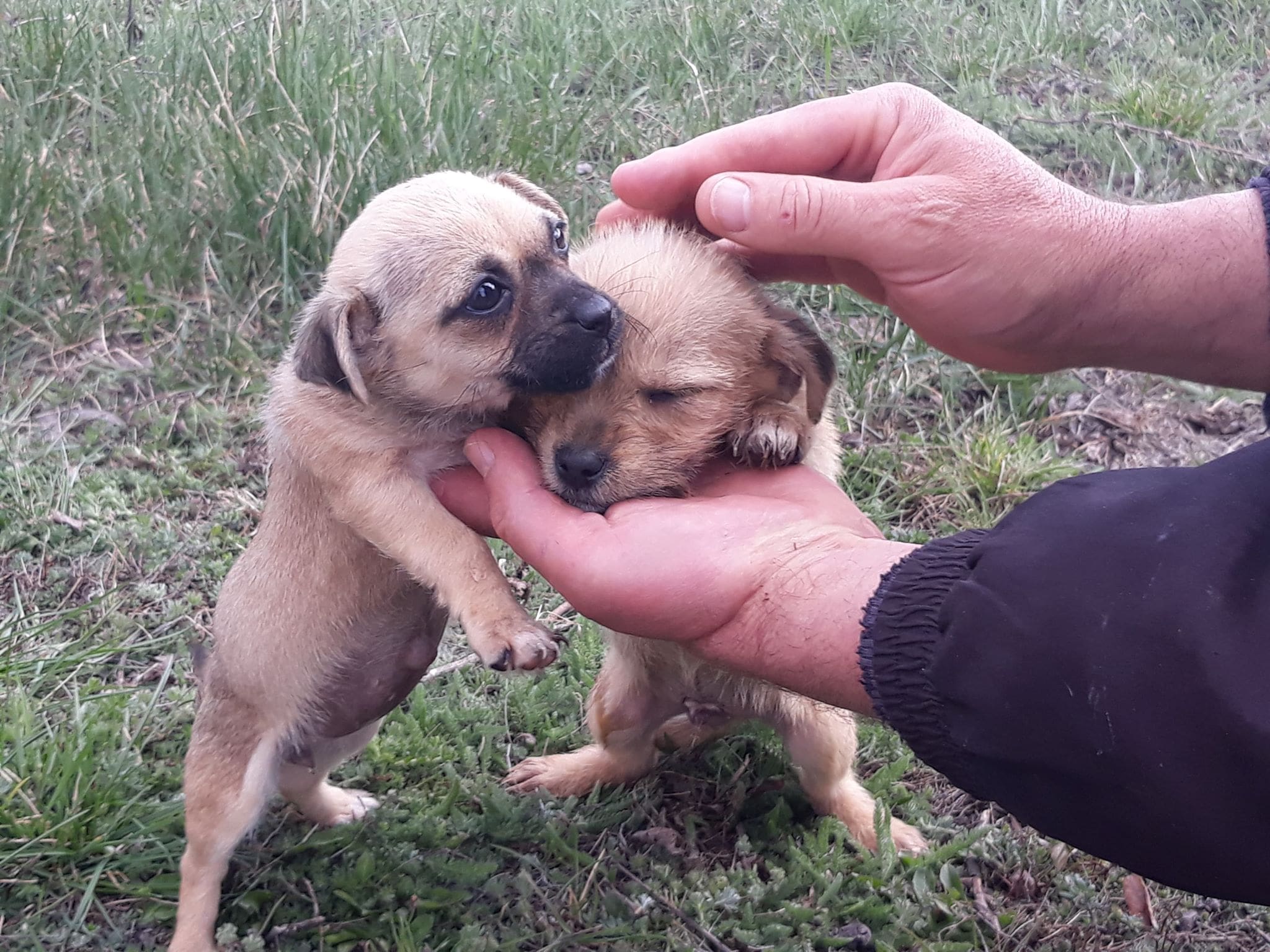
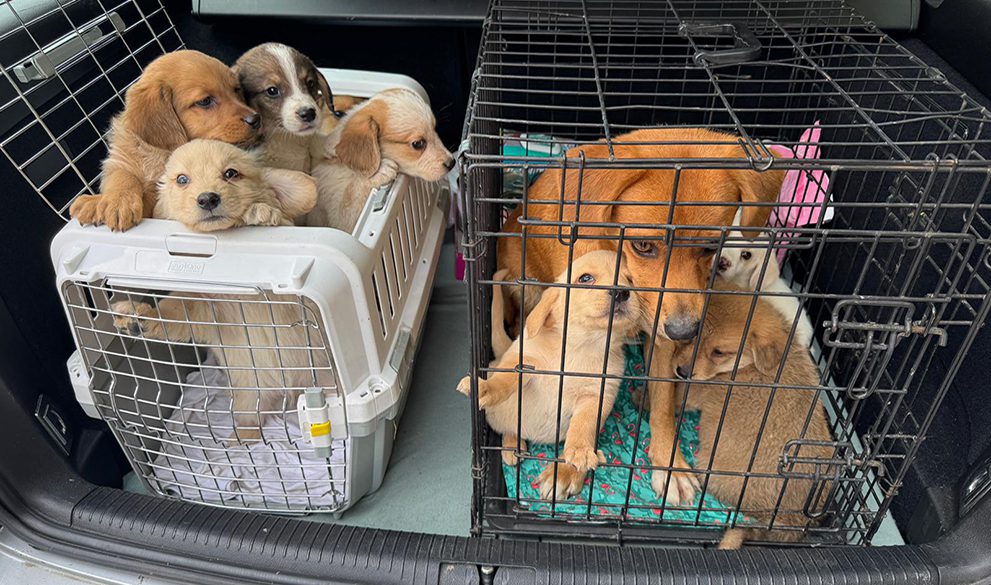
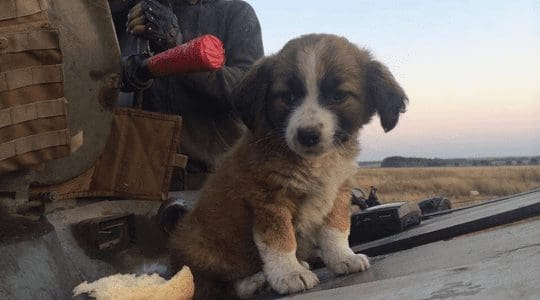




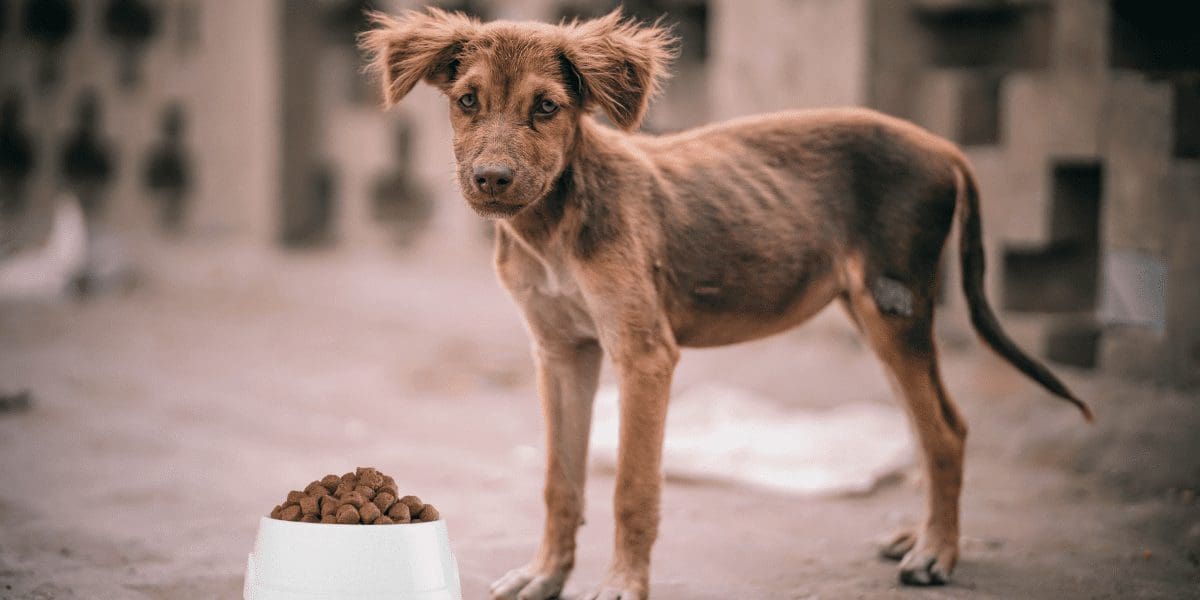
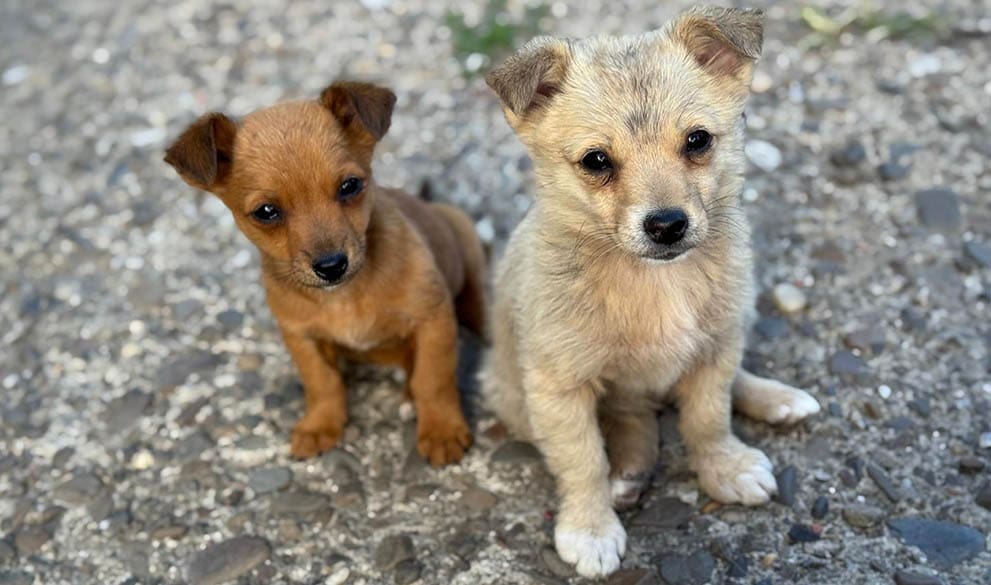

Overwhelmed. This is how animal lovers feel when they see so many struggling animals. Some people try to help, try to save the ones they come across. But once they start seeing the need, they cannot unsee it, and there are always so many animals in distress. Who could ever help them all?
That is when people start to feel helpless. The idea that they won’t manage to save all of them seeps in; they stop getting involved as much, stop thinking that one simple act of kindness might be just what that animal needs to survive.
And we understand. We’ve been there. ROLDA started off with one person taking strays to her apartment and giving them the life those animals never dreamed about. And things just grew from there when Dana Costin, the founder of the organization, knew that you could not put a cap on kindness and that all dogs deserve it.
But aren’t you happy that we pushed through our overwhelm and managed to save tens of thousands of dogs? We’ve rescued them, fed them, given them clean water and medicine, taken them to the vet, vaccinated them, and gotten them adopted.
It is important to note, however, that one person alone did not manage to do this. Nor did it happen overnight. But tens of thousands of homeless dogs got the help they needed, one simple act of kindness at a time.
It Always Starts with One Person
One person sees the struggling dog and decides to feed it. Another person gives it some water. Someone lets the dog rest in their yard and does not chase it away. While another does the ultimate gesture of actually giving the dog a home, or calls us for help.
Maybe that dog would not have survived without those small and random acts of kindness from all those people. Everybody does whatever it is they feel comfortable doing. And as long as the intention is to help, anything that buys the dog some time before someone can come to its aid still makes a difference.
Every Little Thing That Helps Them Survive
That little biscuit, half of your sandwich, or some water on a scorching hot or freezing cold day could make the difference between death and survival for a poor little dog. Some people feel pressured when the same dog keeps coming back because they fed it once.
You might never know that the morsel of food you just gave them was the only thing they managed to eat for several days. Would that put things in a different perspective? Would you be inclined to help out more?
Kindness Could Mean Taking a Dog Home or Finding It a Home
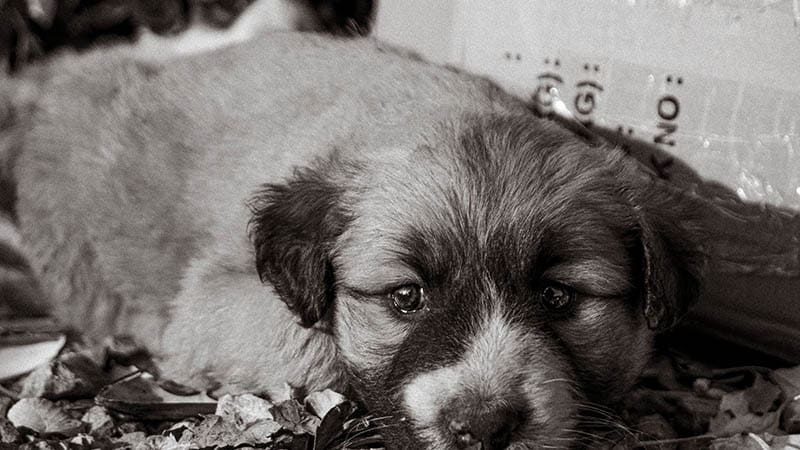
Some people do this. They take stray animals and give them a home. But we are very much aware that not everyone can do this. Not everyone has the space and the resources. At the other extreme, as much as we appreciate the sentiment, animal hoarding (when someone keeps an excessive number of animals in a small space) is not good for anyone.
So, while we appreciate the people who can just take stray animals home, know that we don’t expect everybody to do this.
If you really want to help, call us, and we will take them in and find the people who can give them the home they deserve.
Other Acts of Kindness to Homeless Dogs
You can help stray dogs in your community by doing a multitude of things. You can be the person who always makes the call and makes sure animals are out of harm’s way. You can donate to help organizations dedicated to rescue, such as ROLDA.
Foster care is just as important to animal rescue organizations. People who take in animals that have just had surgery and need a clean, safe, and quiet place to recover are very important in the rehabilitation process. Moreover, they are among the first people a traumatized animal learns to trust again.
Volunteering at a shelter can give you the chance to do some good and interact with the animals you are helping. And animal shelters are always in need of help. Your contribution will be more than appreciated.
You can help with fundraising campaigns. There are never too many people reaching out and looking for resources for animals in need. Think of the poor dog hit by a car, in desperate need of an operation, and imagine having contributed to covering the cost of the operation. You will have made it possible, just like the vet and the rescue team who got the dog there in time.
Help raise awareness about campaigns. For instance, at ROLDA, we have numerous social campaigns directed at the people in the neighboring communities. Raising awareness could help such a movement gain traction, and maybe more organizations will start to focus on the big picture when it comes to animal rescue – such as preventing abandonment, promoting sterilization, developing social strategies to help at-risk owners keep their pets, and so on.
Become an adoption ambassador. There is always more that can be done to promote dogs in shelters. They are the ones that have been to hell and back. An entire team of people has worked tirelessly to make that dog better. And now, they all wait. What if you are the person who shares that cute dog’s picture until the right person sees it?
The idea is for more and more people to perform more acts of kindness. Not for a few to feel pressured to perform them all. There are millions of dogs on the streets, and it would be unrealistic to expect one person to solve the problem for them all.
Overwhelm and fatigue are justified. We’ve felt them. But then we got back to doing what we know is right and what actually creates positive outcomes. One kind gesture at a time.
Something that will never cease to amaze us in our line of work is how animals that end up in our shelter after having experienced neglect, malnourishment, cruelty, and abandonment at the hands of our fellow men can still wag their tails when they see people.
Even we, the rescuers, are sometimes put off by what people can do to defenseless animals, but they hold no grudges and are ready to start living and loving all over again. They would happily go to a new family and give people a chance all over again.
Despite the horrible abuse they have been through, as soon as they feel safe, they start looking for affection, companionship, and connection. And it melts our hearts to see them so eager to get back to life and how they know how to do it the right way – through unconditional love.
We could learn a few things from our four-legged friends on the topic.
Lesson 1: No Resentment
You would expect an animal that has been so traumatized by people to be forever afraid of them and to want to keep away. Unfortunately, some of our residents carry lifelong scars. But this is fear and self-preservation, not resentment. As we have seen, in due time, even these dogs can find comfort in the presence of people they feel they can trust.
The vast majority of our dogs have had bad encounters with abusive people, and yet, there they are, wagging their tails, ready to trust again.
It is not about forgetting the abuse. We can see deep trauma in dogs that have been beaten with long objects like umbrellas and sticks, as they will always be more guarded if they see a person they perceive as being aggressive carrying a stick-like object in their hand.
But they learn to distinguish between safe and not safe individuals. The more we manage to create a safe and relaxed environment, the sooner they let their guard down and get back to their trusting and loving selves.
And this is just the shelter version of love and care. A forever family in a loving home is even better.
Lesson 2: Trusting Again
We don’t mean to say that dogs have an on-and-off switch and can easily go from scared and guarded to trusting with a simple flip. What we are saying is that they have a very deep desire to have a long and lasting bond with good people, and for that, they are willing to overcome their fear and trust again.
After 20 years of looking after dogs that have ended up in our care in the worst moment of their lives, we expect them to take their time. We want them to fully heal, and, most importantly, we give them the space they need.
Even though we come toward them with our best intentions, we know that love and tenderness must also be received, not only given. So, we patiently wait for them to be ready, for that first crack in the armor, when a dog that used to keep its back turned begins to show subtle signs that it wants to reconnect.
These might be subtle signs: a discreet wag of the tail upon seeing the person who interacts with the dog most often, finally accepting a very gentle touch, moving toward someone voluntarily, seeking the attention of their favorite volunteer, finally sleeping more relaxed, and playing for the first time.
It starts small, but we know with certainty that it builds from there.
Lesson 3: Connection Over Perfection
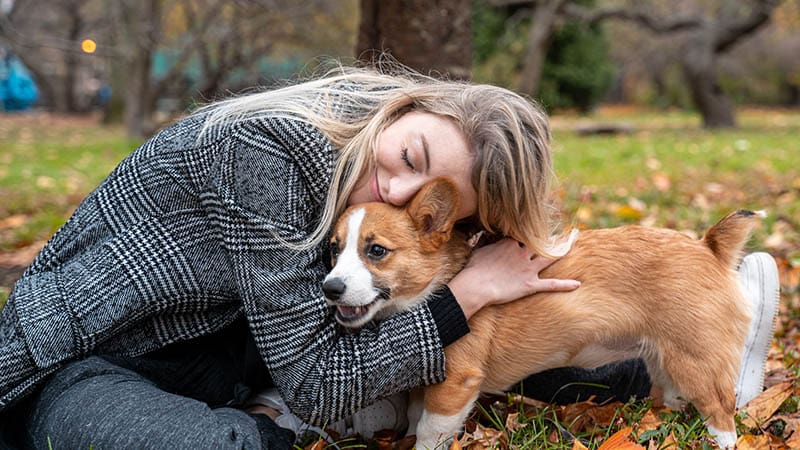
The funniest thing about human understanding of unconditional love is that we think it has to be earned. But shelter dogs are the best ones to teach us that all they need is the possibility of a real connection. Once that begins to form, trust can follow, then loyalty and love.
When you meet your new friend at the ROLDA dog shelter, you are not asked about social status; you are not judged for what you are wearing, how much money you make in a year, or how many trophies you have.
Connection can begin in an instant. And while you might still be too overwhelmed by the demands of modern life to tell for yourself, your dog will know for both of you.
Lesson 4: Trust Is Earned
But don’t be misled into thinking that it is all as easy as pie and that you can walk away happily ever after; know that there is a part where you must commit to your new friend for the long term, to care for it even in old age, in sickness, and when things get scary again.
Most importantly, your dog must learn that you will do all those things. It must trust you to do all those things. To earn that trust, you need to be kind and calm, show up, be present, and be patient.
The connection is strong, but it might not mean immediate trust if you react impatiently when your dog does not accept your affection right away, for example. Repeated positive experiences, combined with giving your friend space to relax and time to come to you, create the safe environment they need to relax and eventually give and receive all the love between you.
Lesson 5: Love Is in the Little Things
Actually, love is in the little things you do consistently. In other words, love is in the routine.
Every walk, every meal, every game you play together, literally every cuddle and belly scratch, strengthens your relationship. Your shelter dog doesn’t need grand gestures or custom-made toys or costumes. It just needs you to show up like that every day.
The twist: yes, you are expected to show up like this even on the day you don’t feel like it. But you will quickly notice that the routine you two have is also meant to help you feel better. This is how unconditional love works both ways.
The Dogs That Still Wait
There is so much love in our shelter. So much love to give to the people who adopt ROLDA dogs.
Unfortunately, not all dogs that love and wait will end up in a home. Senior dogs, dogs with medical conditions, dogs with behavioral challenges we have yet to overcome through rehabilitation, large dogs, and dogs that simply never met the right person to take them home – they are all still waiting, and they still have so much love to give. How do we know that? Because we become their permanent families and we get all of it. Unconditionally.
One of the most common misconceptions about animal rescue is that once an animal has been taken off the street, it is safe and the hardest part is over. The fact that some rescue missions are dramatic and demanding does a lot to contribute to this general opinion.
However, many rescue dogs are injured, have parasites, are malnourished, and carry infections and the consequences of long-term neglect. After bringing them to safety, which is what a rescue mission actually does, veterinary care is compulsory. Some dogs even go straight into the operating room, while others need extensive investigations so doctors can get to the root problem.
Ongoing medical care is required even after the crisis has passed, because it is the only thing that gives the dog a chance to recover and thrive.
The First Veterinary Assessment
The ROLDA Rescue team can make a first assessment of the animal they have been called to rescue. They can assess the dog’s physical condition as soon as it is safely at our shelter and determine how urgently it needs to be seen by a veterinarian.
Therefore, this initial assessment will look for:
– Visible injuries
– Signs of illness
– Parasites
– Severe dehydration
– Malnourishment
– Difficulties walking
– Foreign objects stuck in the throat
– Difficulty breathing
– Digestive issues – vomiting, diarrhea
Some of these situations are visible and easy to spot even while the dog is being transported to the shelter. Others, on the other hand, may only be detected through testing or even a brief evaluation. This helps our colleagues decide whether they need to contact a veterinarian immediately or whether the dog can simply eat and rest.
If the situation demands it, the veterinarian is contacted, and the dog is taken in for investigations. If the dog looks healthy and needs no immediate medical care, it will be seen by a veterinarian during routine shelter checkups. Since some dogs may develop underlying medical conditions that are not visible without proper professional assessments, we schedule regular veterinary checkups and make sure the latest arrivals get seen with priority.
Emergency Interventions
People will most likely call us when they see an animal in obvious pain. This means that after the rescue, the most likely outcome is for that animal to be taken directly to a veterinary clinic instead of our shelter.
Some of the most common causes for this are accidents, abuse, severe illness that the dog can no longer cope with on its own, or prolonged neglect. The required treatment varies from one case to another. The dog might have:
– Infected wounds in need of cleaning and antibiotic treatment
– Fractures
– Severe infections of any kind
– Severe parasite infestation
– Conditions that require surgery
Even if the dog suffers from dehydration and starvation, a veterinarian would know best how to reintroduce water and food without causing further complications.
In most of these cases, speed matters, and giving a dog the proper treatment will end up saving its life. This is why an organization such as ROLDA, which has saved thousands of dogs over its years of activity, is already properly equipped to handle such a situation.
Our rescue team moves swiftly; they know how to make a correct first assessment, and we collaborate with many clinics so that we have various options to choose from when we need to make quick decisions.
There is no notion of ‘wait and see’ when it comes to our rescues, not when there is even the slightest doubt that the dog needs to see a veterinarian. This is what helps us save lives.
Recovery and Rehabilitation Are Also Done Under Medical Supervision
Once the danger has passed for the dogs rushed to the clinic, recovery starts. A poorly managed recovery is just as likely to cancel all the good work done so far. This is why this next phase is either done in foster care, at the clinic, or at the shelter under the careful supervision of a medical professional.
The dogs may still need medication administered, wound dressing changes, special diets, and follow-up examinations to monitor for complications. Foster volunteers and shelter staff need to work closely, follow instructions, and be available to check on the dog regularly.
In some cases, dogs will need physical rehabilitation to regain mobility after surgery or even to learn to live without one of their paws. This is always heartbreaking, but animals are resilient like that.
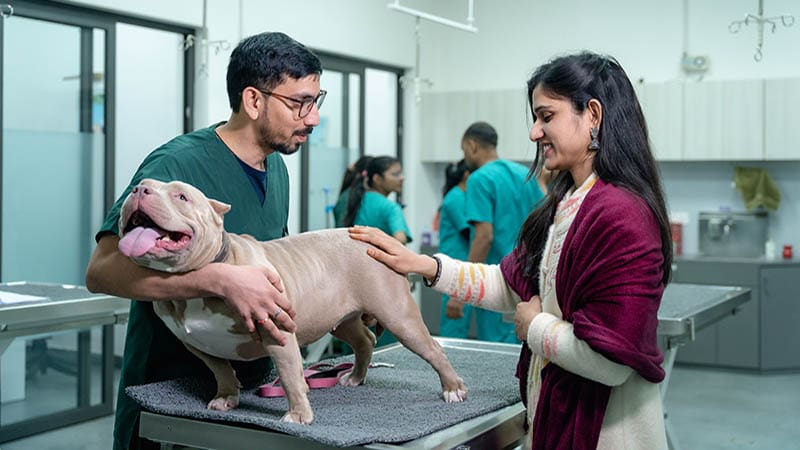
Ongoing Medical Care
Another misconception is that only dogs that needed surgery or treatment will need ongoing medical care. When, in fact, all dogs need ongoing medical care. They don’t need it more than already-adopted dogs do, and there is nothing wrong with them. But we are playing catch-up on preventive measures while sometimes still finding small issues that still need fixing.
One thing to note is that stray dogs are very resilient, and you would not tell simply by looking at them that they might be experiencing slight discomfort. They are used to discomfort and to pushing through it. Preventive medical care ensures that small problems don’t become larger problems.
Once we make the shift from emergency treatment to long-term medical care, we need to cover specific things for every dog in the shelter. These include parasite prevention, vaccinations, sterilization, dental care, and routine medical examinations to check for other health conditions that might develop in time. Chronic conditions also need consistent monitoring.
A big part of our budget needs to be allocated to these preventive medical services because they are the ones that keep small medical problems from turning into full-blown emergencies. And while we know to have those covered when needed, it’s always better to stick to the boring, preventive stuff. Good for the dogs, and good for the budget.
Consistent Veterinarian Care Improves a Dog’s Chance at Adoption
Healthy dogs have the best chances of getting adopted. This is why having consistent medical records and being diligent with preventive care is important for all those involved.
While people are willing to take home a dog with particular health requirements, we cannot say the same for the vast majority of people. And we understand that it is a challenge. Pressuring someone into an adoption they cannot maintain is not a good thing for the dog.
Another important aspect is that, even if they adopt a perfectly healthy dog, veterinary care must continue even after adoption with regular check-ups and preventive care. This is all part of what a responsible dog parent does.
What separates ROLDA from the rest of the animal rescue organizations doing really good work for the stray dogs? The solid community of donors, sponsors, adopters, and volunteers who have rallied around us and who have taken on our mission. With such resources, we have managed to exit the survival mode most rescue organizations operate in, and to look to the future, to shape a different kind of world for the animals we love.
Thus, we get to think of things on a bigger scale, which means more than just taking in more dogs. It means doing more, offering more complex treatments, helping our residents to an even greater extent, and also looking at the problem of animal welfare as a whole. Looking at what comes before – abandonment – and what happens after rescue – adoption.
It’s great to contribute with whatever you can to help animals – every little bit helps. But unless we can get a bigger picture, we will only be mending instead of finding permanent solutions.
Rescue Is Just One Part
As important as it is, animal rescue is just one part of the whole when thinking of animal welfare. It happens to be the most visible part and the one that people perceive as producing immediate results. People can no longer see a lot of stray dogs, which must mean that the situation has been fixed.
And while this is not completely wrong, it is still a very limited way of looking at things. Yes, rescue teams pick up stray dogs. But then again, so do public shelter teams, in which case those animals are far from being rescued.
At ROLDA, we have turned our rescue mission into examples of efficiency, so much so that we have come to see whatever comes after as being the main challenge.
For the mission itself, we have specially trained permanent staff, adequately trained and equipped with what they need to extract an animal from potentially harmful situations. They can also make a quick assessment of a dog’s physical condition before deciding whether to bring the dog to the shelter or go straight to a veterinarian’s clinic for emergency intervention. The van is ready to go, and the shelter staff is already prepared and waiting for their return with the new resident.
By comparison, before we had experience, before we learned how to make things increasingly efficient, our rescue missions were dramatic and filled with unknown elements. We still got the job done, but the new way is better.
Care Is Essential
Once a rescue team has taken an animal into custody, it is time to offer that animal the care it so desperately needs.
In some cases, this will just mean the protection of a shelter, food, and water. In other cases, it could mean serious medical interventions, treatment, recovery periods, foster care, and rehabilitation. In other words, care can range from providing for the basic needs of a living being to an extensive and complex process that involves medical and recovery professionals.
This is but the second step of the mission, and the place where many small rescue organizations already get stuck. Care, with all that it entails for every possible rescue case, can be difficult to offer when the organization is constantly stuck in survival mode.
What does ROLDA do differently? We have had our fair share of survival mode experiences in the beginning. But our dedication to never give up on an animal got us through. Knowing that we are its only chance kept us going. Thus, one case after another, we found ourselves a little bit wiser, better equipped for the next one, able to look to the future and say: ‘Next time, we’ll do things this way and we will move faster and make it better for the dog.’
We learned and corrected, we planned, and we applied. But, most importantly, we pushed forward.
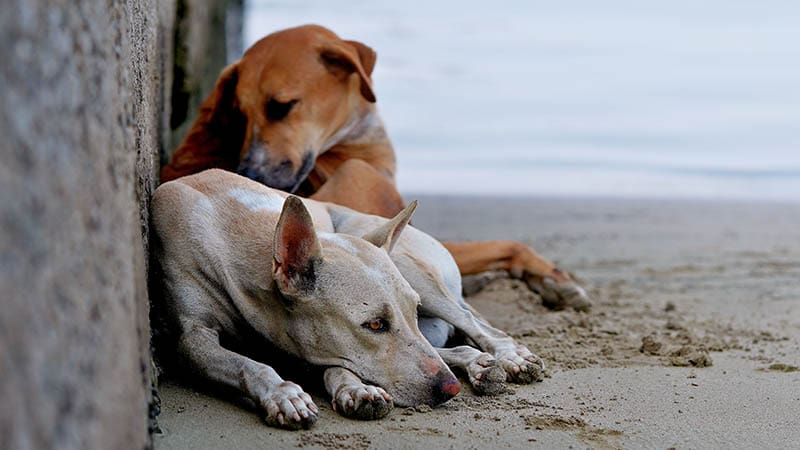
Compassion – The Most Misunderstood Part
Some people think that compassion comes first. Because without compassion, we could not see and tend to our animals the way that we do. And it is correct.
But we believe that compassion must be an all-around thing. It must drive you to reach out and help that first time, and to keep helping when that animal remains in your care because nobody has come to adopt it.
Because we have compassion for all our residents, we make sure that the ones who cannot find responsible adopters will still have a forever home in our shelter. And for the same reason, we insist on looking at the big picture.
Compassion also gives us patience and teaches us to give dogs the time they need, not the time we set in our heads. Recovery and rehabilitation are lengthy processes. If done right, that dog will be good for the rest of its life. If we lose patience and want to speed things along, the dog will have to heal on the go, in less-than-optimal environments.
Compassion makes us understand that it can take a lot of time for the right person to come along. Some dogs are naturally clingy, and they stick to people. They have the best chances of being picked right away. Others have amazing personalities, which they choose to reveal in time, slowly, after you’ve earned their trust. This could make for an even more impressive connection between dog and adopter. But we never know if we don’t give it real time.
Prevention – Taking Care and Compassion One Step Further
Being able to look at the big picture is something we see as a flex. We have the perspective and the vision to make it happen, and we can stand up and look beyond the current problem – that there are stray dogs in need of rescue and adoption.
The root of this problem remains the same: irresponsible dog owners who don’t sterilize their pets and who abandon them when they become an inconvenience.
So, we look at causes, at ways to get ahead of the problem. We organize sterilization campaigns for people in need of financial assistance; we help those who say they can no longer afford the animal’s food; we help older people keep their pets; and we offer financial and physical support, only to keep the animals in their homes.
Education and social programs are next on the list, and they are something only bigger organizations have the luxury of investing in. For us, it is an honor to reach out to people in our community and beyond, teaching them how to properly care for their pets and what it means to be responsible pet owners. We also distribute coloring books so that children can learn from an early age how to treat animals, from people who love and respect them.
Showing love to an animal can start with a rescue mission, be it dramatic or just efficient. But consistently showing up with care, compassion, and the will to change the world for the better, to make it a safer and better place for animals, will make a real change.
There are millions of ways in which people can say ‘We are in this together’ and just as many ways in which others can show they understood the assignment.
When it comes to animal rescue, we are aware that our activity carries a heavy emotional load – both for the people directly involved and for the people looking in from the outside. But the question is, when do bystanders become do-gooders? When do people who just verbally support our mission become part of it as well?
There are many ways in which animal lovers can contribute and make a real change in the lives of all animals – from working with pet owners to make cities more pet-friendly, to supporting animal welfare legislation, all the way to becoming a regular donor to an animal rescue organization. But the best way to show you are truly invested in helping animals live their best lives among people is by becoming a pet parent yourself.
Adoption Is for the Most Responsible Dog Owners
‘Adopt, don’t shop’ has become a mantra among animal lovers who understand that it is better for us, as a society, if we first took care of the needs of animals that are already here, in our cities, in our communities, rather than buying from breeders or pet shops. That is not to say that pedigree dogs should be abandoned – no dog deserves that. But that, at any moment, there are thousands of perfectly lovable dogs in shelters, waiting in crates or kennels for someone to take them out and take them home.
Sure, these dogs are no longer exposed to the threats of living alone and being abused on the city streets; they don’t need to fight for their meals, and they are no longer in danger of getting run over by speeding cars that wouldn’t even stop to pull them to the side of the road.
But, at ROLDA, we know that, no matter how much love we would pour into our residents, how much we would try to make our shelter safe and comfortable, how much time and energy our staff and volunteers would put into walking, petting, and playing with each dog individually, it still wouldn’t be the same as having their own home.
Adoption needs to remain the end goal. And sure, we won’t manage to find one for all residents, but we will do our best to get as many of them adopted as possible.
No-Kill Policy Shelters
Anyone who knows when ROLDA got started also knows of the stray dog situation in Romania in the 90s. With a changing and uncertain political climate, nobody bothered with many of the administrative problems that were not urgent. This is how the numbers grew and grew, until they went through the roof.
How do authorities usually handle such problems when the situation is dire and in need of a very quick fix? With horrible solutions, which, in the case of stray dogs, meant euthanasia and mass killings.
Those years were a nightmare for dog lovers, as such public authority interventions were sudden, unannounced, poorly coordinated, brutal, and often careless. People who tried to keep animals safe had to struggle not to see the animals they fed and looked after get killed off only for the numbers to look good at the end of the day.
That is when private shelters started to take shape, founded by people who just wanted to be left alone to take care of their animals without fear of swift and murderous interventions.
To this day, most of these shelters, ROLDA among them, have a strict no-kill policy, which means that, once they are at capacity, only adoptions can free up space for new dogs to be brought in.
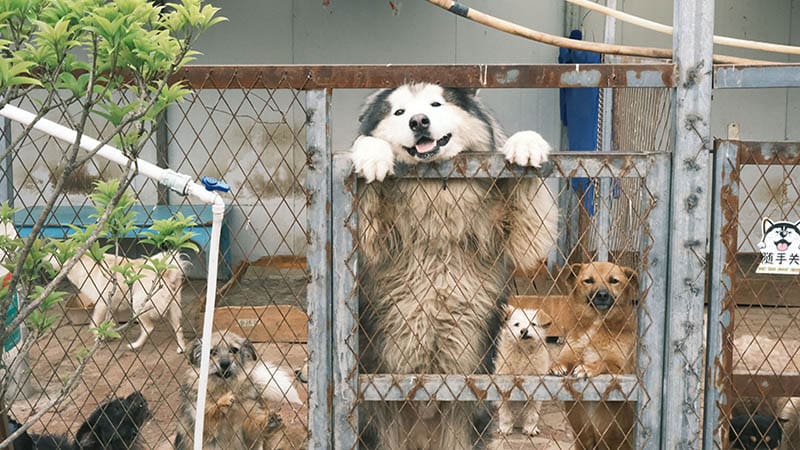
Permanent Versus Temporary Residents
ROLDA is also such a shelter; however, due to the relentless support of our donors and volunteers, we consistently manage to find homes for our residents, and we always have some room for new rescues.
What’s more, we also have the notion of permanent residents, which are the dogs that have been so badly injured or whose diseases are so far along that potential adopters feel they don’t have the financial means to cover such heavy medical expenses.
But we do. Years and years of fundraising have taught us how to do it. And with so many dedicated volunteers to back us up, we are aware that we are such dogs’ only chance of getting the care they need.
So, those dogs never leave. They never end up on the streets either. Which is something.
Every now and again, a brave person will come up and adopt such a dog, but we make sure they have all the support they need, because the last thing that dog needs is to end up alone, back on the streets.
Permanent Residency in a Shelter Is Not the Solution
To make sure that our dogs never experience the traumatic life of a stray again, we have come up with this solution. However, while people rejoice in the fact that fewer animals are suffering and are being properly cared for, this is merely an act of kindness. Permanent residency in shelters has never been the end goal, and it is not the solution.
Preventing abandonment, sterilization, and adoption are the only real fixes to the problem of stray animals.
One Adoption Is Bigger Than One Dog
When people think about adoption versus making a donation to cover the expenses of several dogs in a shelter, they tend to think that the latter option would serve more animals than the former. This is because, while adoption would save one dog, a donation would help get more dogs off the streets and provide them with shelter and food.
Therefore, in many people’s eyes, the comparison is one dog saved versus several animals saved, sheltered, and fed for days.
In reality, things are different. One dog adopted and safely placed in the care of a loving family means another place opened in a shelter that treats its residents with respect. This matters because, while some public shelters stockpile animals with no consideration of the living conditions, we do care about the quality of life of our residents. This is but one link in a chain of events that trigger the reality of what we think of as animal welfare.
When ROLDA first started as a Romanian animal rescue organization, its mission was to save as many dogs as it could. In doing so, they also managed to change the perspective on what animal rescue truly was, and how it could be done to the best of people’s ability and toward the best possible outcome for the rescued animals.
Before long, people started talking about the great work being done and what it meant to animals and people alike. That was when a discrepancy became apparent. There was a huge difference in perception about what the purpose of this activity was.
Digging deeper into conversations with people in the community, ROLDA employees and volunteers noticed where the difference was coming from. And they learned to ask an important question:
‘A dog saved from the street’ or ‘A dog in its forever home’ – which do you think is the end goal for organizations such as ours?
Why Asking the Question Is Important
When people come together for a shared purpose, there is a sense of belonging which creates momentum. People want to do good things, to help animals, to be part of something bigger, and to build a better world. And doing it with others gives it a boost, like a vote of confidence we all give each other by choosing to be there.
The only thing about this is that, as with everything else, when you want to have good results, you need to plan, execute, and think ahead. When good intentions and resources become available, you cannot risk getting stuck riding the wave of excitement.
To us, that would be a missed opportunity to turn those things into higher numbers of dogs saved, but, most importantly, securely placed into successful adoptions.
So, yes! Asking this question is very important, because it addresses the other half of our activity, one people rarely see. And if our very community doesn’t think about that part, how could we continue to help our residents?
Rescues Are Visible and Dramatic
The rescue team is seen as the heroes of the story. And for good reason. It is not easy to pick up animals that are ill or injured, that could even be aggressive and scared, and that could act out of instinct. Their job is dangerous.
There is also a lot of emotional involvement from the public when they are the ones who call us to an intervention, which also makes this part of the work a lot more visible. Removing a suffering animal from a public space is also impactful for the community.
So, while they watch teary-eyed as our colleagues drive away with the rescued dog into the sunset, they probably think that everybody’s job is done. But that drive over to the shelter is nothing but the beginning of a very long journey of healing for our new resident.
Raising Funds for Difficult Surgeries and Treatments Is Heart-Breaking
Once the dog is in our care, we make an assessment. Its needs could range from life-saving medical interventions and treatments to rehabilitation, or simply a steady diet and a safe environment; we offer all of the above.
When resources are thin and medical bills are high, we reach out to our community, which is quick to respond to our pleas in the name of each resident in distress.
This part of the process is not visible in itself, but we know how to make it visible to get the help we need. Therefore, people remain involved.
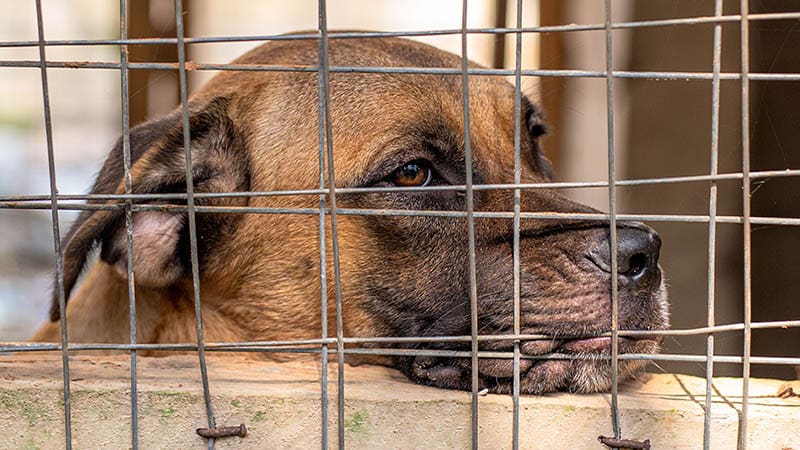
Adoptions Are Less of a Community Investment
But what happens to these dogs once they are well enough? What happens when the animal has been saved, when the funds have been raised, and the crisis is over?
Then we have a lot of happy and healthy dogs who are looking for loving homes and responsible owners. And this is where the narrative shifts from what we do together, as a community, to what one person can do by coming forward and taking responsibility for another living being. This part is daunting, but this is the real deal.
What Happens to the Dogs That Are Still Waiting?
At ROLDA, we have pledged that dogs who come into our care will never, under any circumstance, end up back on the street. Because if we let that happen, for whatever reason, we would have failed that animal.
Our promise and our end goal are to make sure every animal we save is taken care of for the rest of its life. How do we do that?
Adoptions
This is the best possible outcome for our dogs – to find their people, the ones who will connect with them and who cannot wait to build a new routine together with their new furry friend.
For this, we do photo shoots, promote each of our dogs, make sure that they are healthy and healed, and that they would be great companions. We also vet potential adopters to avoid the possibility of someone realizing that they cannot handle life with a dog only after the animal is in their care.
Long-Distance Adoptions
This is a good option for people who are not allowed to have pets where they live, but who still want to be involved with a little more than just through regular donations. With long-distance adoptions, people contribute specifically for the care of one dog, which helps us with its expenses for as long as it is in our care.
Another thing we love about long-distance adopters is that many of them keep in touch and often check in on their adopted dog. Even though they cannot share a home, a connection still exists and can be maintained if the person makes a minimal effort to visit the dog every now and then.
Permanent ROLDA Residence
Being a no-kill shelter, we do not put an expiration date on the lives we save. We dislike this practice entirely because we know how long it realistically takes to get a dog adopted.
Shelters that practice euthanasia only to free up space and resources have a limited end goal, and that is very far off from the happiness of their rescues. How could you say you saved them, only to turn around and euthanize them if they don’t get magically adopted by a certain date?
If a ROLDA dog never gets adopted, we will be its home for the rest of its days.
When we saved it, our promise was that it would never be alone, afraid, hungry, or in pain. And we make good on that promise with every dog, however we can.
As a rescue organization that has managed to take thousands of dogs from dangerous living conditions, help heal and rehabilitate them, and find them homes with responsible owners, both in Romania and abroad, we can say the most important thing we have learned from our experience is this: we are only as strong as the community supporting us.
For years, we have worked incessantly to save dogs. But, then again, so do many other rescue organizations all over the country. What makes our effort so fruitful? The people backing us. And we can say this with full certainty.
Real Rescue Starts with the People Who Care
ROLDA was founded 20 years ago. But even before we had a moment in time to point to and say, “This is where it all began,” there was Dana Costin.
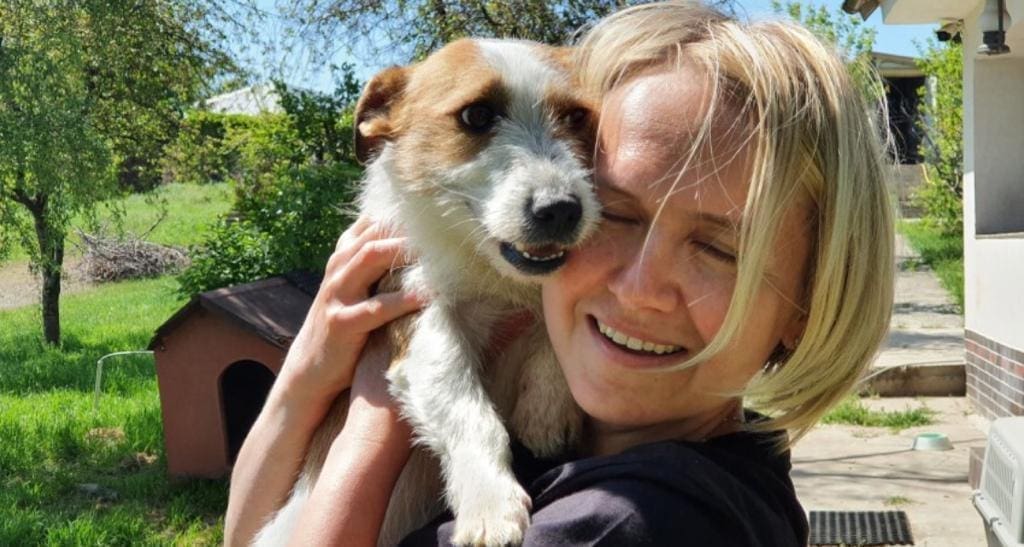
Before ROLDA was a shelter, it started as the care in her heart that led her to save and adopt her first dog. One person saved one dog and offered it a home for the rest of its life. Then came the second dog, and so on.
As the number of dogs increased, so did their needs, far beyond the mere food and shelter, which were already difficult for one person alone to cover. Some dogs needed surgery; others needed treatment for severe illnesses; and people needed to actively monitor them and provide around-the-clock care.
So, other people joined Dana in her effort to save the dogs.
Because once you start to see how many poor souls need your help, you cannot unsee it. You must rescue them! The argument that your resources are limited simply does not stand. Get more resources! Do more! At least, this has always been the way we did things at ROLDA. And it stands to this day.
Which brings us to the most important resource we run on at ROLDA: people who care.
Allowing People Who Have Found Their Calling to Live Off It
Like every good animal rescue organization, ROLDA has a permanent staff. These are people who are available at a moment’s notice and who are compensated for their involvement and expertise. Having a salaried permanent staff ensures that there are people we know we can count on and, in turn, these people can grow in their positions, becoming better and better at what they do.
This is one of the things that has set us apart. Caring is an essential part of doing this type of work. But having professional animal rescuers changes the way we do it and allows us to help a lot more animals.
Volunteers Multiply What Rescue Teams Can Do
Our volunteers consistently support the amazing work our permanent staff does. Their presence at the shelter assures us that our professional rescuers can delegate the smaller tasks and focus on what they have become so good at: saving animals from dangerous situations.
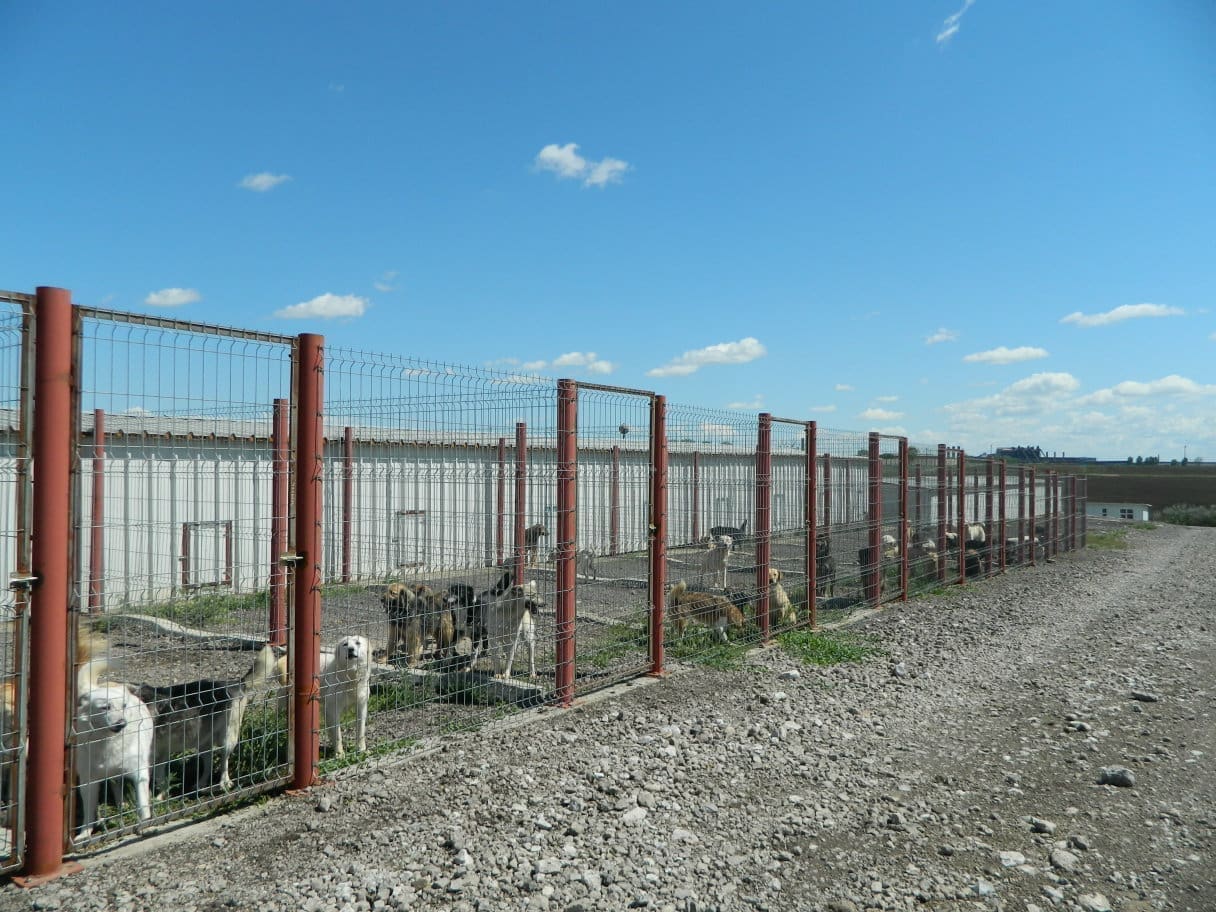
There are no small tasks when it comes to running a 700-dog shelter. What would happen if we all just ran around rescuing dogs and bringing them back to a place that was not clean, did not have running water, heating, or electricity, had no food, and had no medical assistance?
The rescue part is difficult and demands the skills of people who have been trained for it. Some of the administrative, maintenance, and care tasks can be taken on by anyone wishing to lend a hand. And we are happy to say that we are never without love and support at ROLDA.
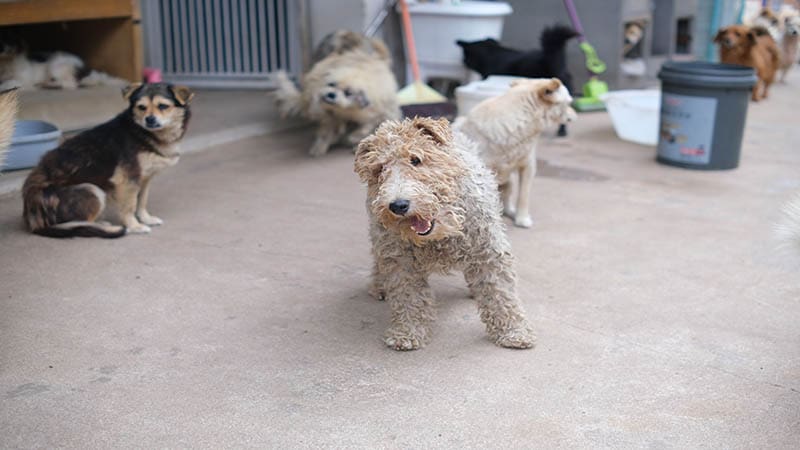
We have had volunteers from Romania and from other countries join our efforts. And we have appreciated the contributions of each of them.
– They feed the dogs and change the water in the dogs’ bowls, something that needs to be done consistently throughout the day, every day.
– They play with our residents, give them belly rubs and cuddles, walk them, and spend time with them to heal the wounds our fellow human beings have left on their little hearts and to prepare them to receive this type of love again in their lives.
– They help with fundraising campaigns and with adoption promotional materials. They do so brilliantly after spending time with our rescues and seeing how deserving they are of real happiness.
– Our volunteers never shy away from maintenance and keeping the kennels clean for the dogs. Because a clean, happy, and healthy dog has the best chance of getting adopted.
Foster Families Offer the Extra Attention Some Dogs Need
It’s not to say that we couldn’t do that at the shelter, but now and then we come across a dog who needs some space to recover. Since our shelter was first built to accommodate a larger number of dogs, it does not have spaces that allow for the quiet recovery of dogs who have just undergone difficult medical interventions or are under heavy medication, need constant care, and cannot stay in a kennel alongside other dogs.
In these delicate times, there are people who have stepped up and answered the call to become foster carers. They act like temporary adopters for animals who need a little more space and attention, until they get well enough to be around other dogs. Then, those animals return to the shelter while other dogs in need get to take their place.
Even if it’s temporary, their involvement is priceless, and our residents get exactly what they need to pull through.
Regular Donors, Long-Distance Adopters, and Ambassadors
Apart from the people who carry the load physically, who are hands-on saving dogs and getting them adopted into loving families, there are the people who show up financially and raise awareness about our work.
Regular donors are part of our supporting community and the ones who make sure we have everything we need to keep things running, not just today and next month, but for a few months as well. And they don’t even need to make large donations, just be consistent in showing their compassion.
Long-distance adopters take on the financial responsibility for a dog they cannot physically take home. Some don’t have the space or permission to have a pet; others might not have the ability to care for an animal. But they still wish to help, and this solution is just as good. The dog remains in our care, but we have a guaranteed regular donation made specifically for it.
ROLDA ambassadors act like PR agents. They get the word out on our great work, and they help us reach other people with the same vision for rescuing dogs.
A dog does not choose to be born into a world where it is forced to struggle. But many people can choose to come together and help us make life better for this poor soul. And the next. And the next.
What would it take for you to think that a stray dog was safe? You would probably expect someone to take that poor dog, feed it, give it a place to live, away from other dangerous dogs and away from abuse and speeding cars. And that’s about it, right?
Is that all there is to rescuing animals, though? Would these animals ever find real homes and their own families? Or would they permanently be in the care of their rescuers?
Without deliberate planning, it could happen for a very lucky few, while the rest of the dogs would waste away in their kennels. How do we know this? Because this is the case for most of the dogs rescued by public shelters or organizations with very limited funds.
We do not wish to minimize the impact that even these organizations have on reducing the number of stray animals on the streets. Even a struggling organization can manage to keep a few dogs safe and fed, and they are still better off than living on the streets.
However, as an animal rescue organization that has been around for more than 20 years, we know to look at the bigger picture and change the end goal from one dog rescued to one dog in its forever home.
Rescue vs. Recovery
As with everything else in life, everything boils down to intent. What is your intention when you decide that a dog should no longer suffer on the street? Is it to simply end the suffering of that poor animal and make sure that it is out of harm’s way, fed, and protected? Or is it to have the animal thrive, lead its best life alongside people who will make it part of their family?
The first part feels like the bare minimum, while the second one feels like a beautiful dream.
When ROLDA was founded, the first few dogs received all that founder Dana Costin could offer them – the shelter of her own home and heaps of love and care. What did it take to turn that into a successful shelter that has seen thousands of dogs through the process of rescue and rehabilitation all the way into their own homes? The determination to give all her rescued dogs just that — everything.
This is why our residents’ chances of finding a home increase considerably simply because they are in our shelter. Because we intend to see them in their own homes. And while we do accept that some of our rescues might not have the chance to find their own families, this is a concession we are willing to make in only a few cases.
What Makes a Dog Adoptable or Unadoptable?
There should be no difference between the two if it were up to us. But, on the other hand, not everybody has our extensive experience in rescuing and rehabilitating homeless dogs.
Adoptable dogs are all those animals that can be made healthy enough and sociable enough for a new family to handle. And while some people do not shy away from the challenge of getting a dog who is still in the process of getting better – people we appreciate immensely – we do not ask this of everyone wishing to adopt.
Pet ownership is something you embark on knowing the full extent of your new responsibilities, and it is supposed to be for the entire duration of that dog’s life. The last thing we would want is to have our dogs returned to the shelter or, worse, abandoned again, back on the street, because their new owners were overwhelmed by their needs or by how much their lives had changed.
To make sure this never happens, we do three things:
1. Make sure potential adopters really understand what pet ownership is and that it is for the entirety of their lifetime.
2. Help the dogs we rescue recover from their fear of people following traumatic abuse and heal from wounds or severe illnesses.
3. Provide permanent shelter to the dogs whose medical bills are too high for any family to take on or who cannot shake the effects of their traumatic experiences, making them less sociable or too anxious.
We would love to think that no dog is unadoptable. But we have seen adoptive families struggle in the past. Some dogs’ medical bills are very high, and the monthly budget of a family on an average income would be too strained.
Ours is too, but we are pros at fundraising, and we have the ‘luxury’ of directing all our human resources toward finding the money we need.
Then there is the trauma of physical abuse and severe injuries they mostly had to live through with no help from anyone. This makes many dogs distrustful and guarded.
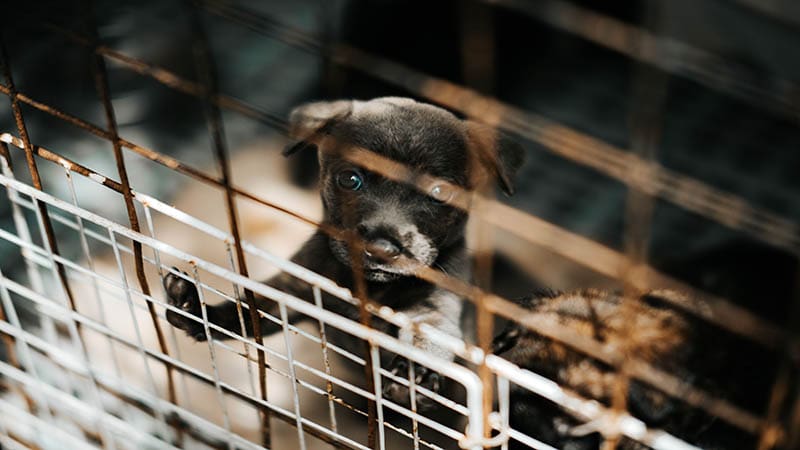
A Complete Rehabilitation Process Can Work Wonders
One thing public shelters and small organizations with very limited resources cannot provide is a proper rehabilitation process. It involves assessing the dog’s condition, giving the body time to heal, and providing any long-term treatments the dog might require.
Once the dog is healthy and thriving, shelter staff may begin a different type of assessment – one of behavior, meant to test reactions to various triggers. We want to make sure that the dogs are friendly and calm and that they have no triggers to set off the memory of past traumatic events.
For example, a dog that men have frequently and severely kicked might react violently in their presence. Or dogs that have been beaten with long objects such as sticks, walking canes, or umbrellas might have a sudden reaction whenever someone walks by carrying any such object, even without the intention of using it for harm.
If fear is embedded, animals will react instinctively. This could result in some dangerous and unpleasant situations we wish to avoid with the right rehabilitation processes.
These processes consist of desensitizing sessions, meant to make the dog less and less afraid of something. It can only work in a controlled environment that the dog knows to be safe. Getting along with other dogs can also be taught, even at a later stage in the animal’s life. Otherwise, future adopters might have a dog they cannot walk past their neighbor’s house when the neighbor’s dogs are there.
Rescue dogs deserve the world. Luckily for us, a safe home and a loving family are what they see as their whole world. So, why not aim for that?
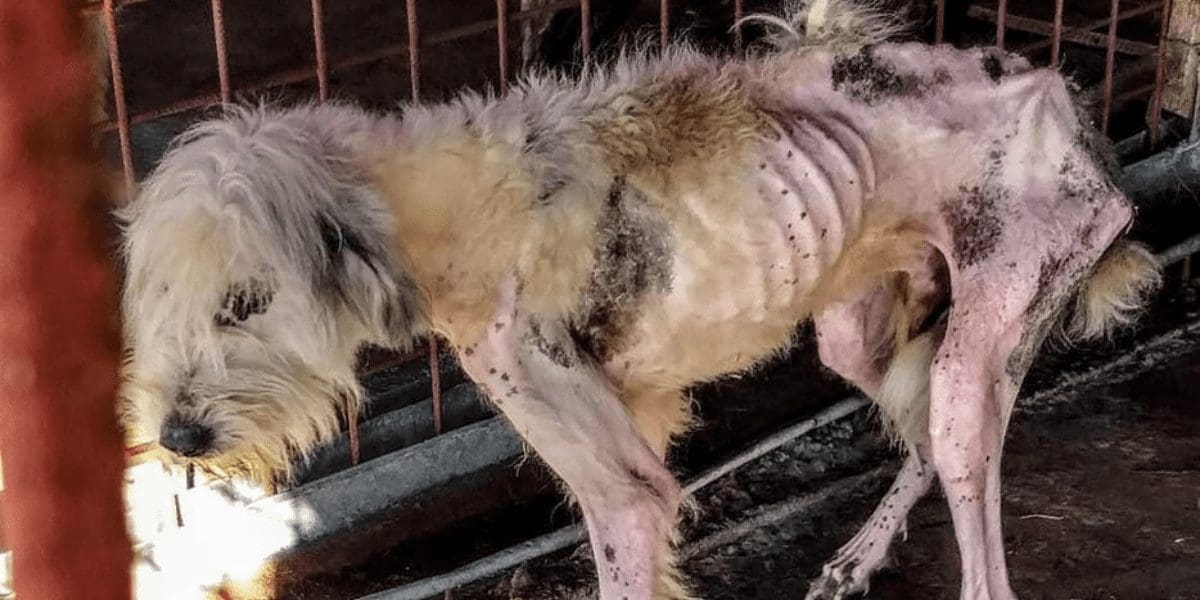
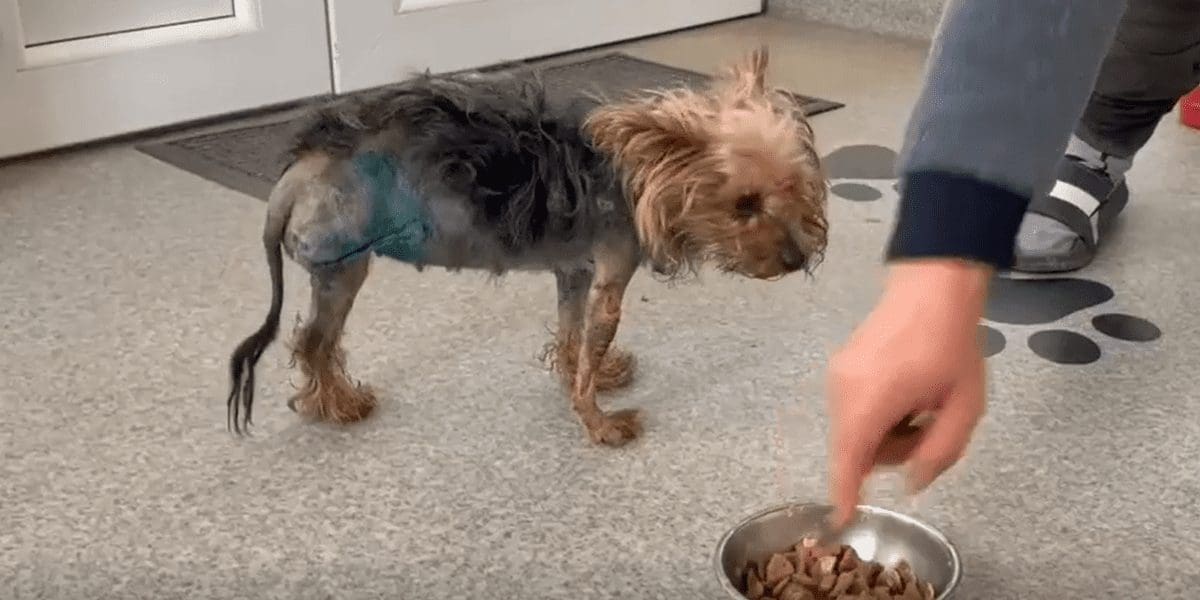
Alma was living on the streets with an open wound in her abdomen.
Not a fresh injury. Not something that happened yesterday. The veterinarians who examined her believe she most likely became trapped in wire or fencing at some point, and that the wound had been there for a long time.
Which means Alma had been surviving out there, day after day, carrying a deep, open injury and pain that is hard to imagine.
Here is the part that is hardest to write. People knew about her. She had been seen. It was known that she was hurt. And still, nobody stepped in.
Not out of malice, most likely. It is easier than we like to admit to see a suffering animal and assume someone else will deal with it, or that a stray’s pain is simply the way of things. But while everyone waited for someone else to help her, Alma’s wound stayed open, and Alma kept hurting. Until one of our volunteers found her.
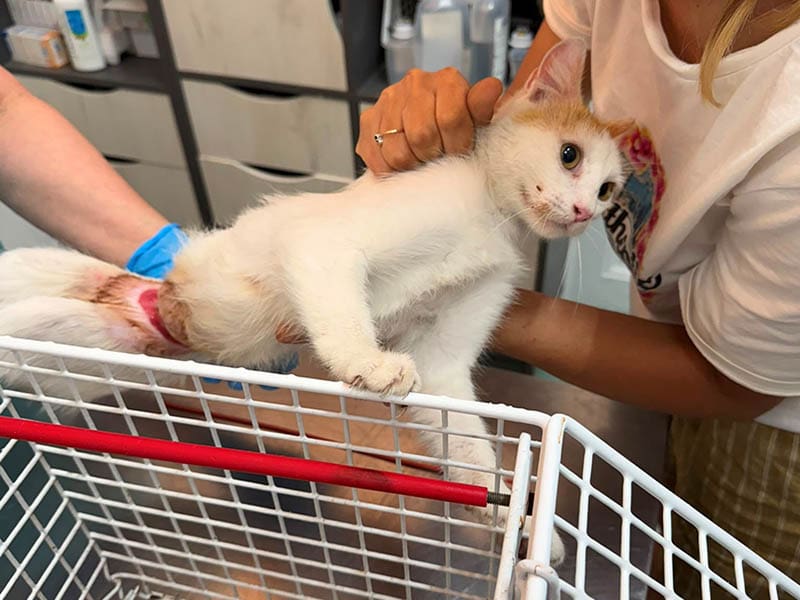
She was taken straight for X-rays, and there was one piece of good news in all of this: no internal injuries. Her body had held out.
But the wound itself needed serious attention. It was too deep and too long-neglected to heal on its own, and Alma underwent surgery to clean and close it properly.
Since then it has been careful, patient work. Wound management, monitoring, medication and time. Alma’s recovery was never going to be quick, and it is not finished yet.
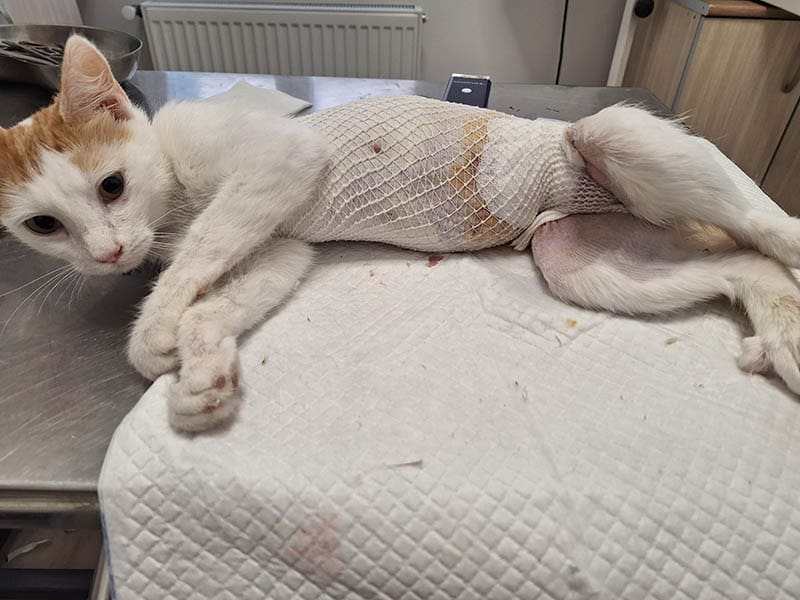
She is receiving the care she needs. She is warm, she is safe, and for the first time in a very long while, she is not in pain alone.
The road ahead is still long. But she is on it now, and she is not walking it by herself.
Alma’s story is a reminder that the difference between an animal who suffers and an animal who heals is often just one person deciding not to look away. Thank you for being the reason our volunteers can be that person, and for making sure that when they find the next Alma, help is already waiting.