non-US support +44 (0)161 531 8801






















Here is something that sounds difficult to do before you have a dog: understanding them and being able to have a “conversation.” You might think that only professional trainers and seasoned dog owners will know the significance behind every sniff and growl. Still, the experience will soon teach you that any dog owner with a connection to the dog and a genuine desire to learn to speak its language will know.
Studies show that dogs understand over 100 words. Let’s see how many of your dog’s cues and signals you can be “trained” to understand.
How do dogs communicate?
It may surprise some, but dogs are very ‘talkative.’ They bark, use facial expressions, make a specific type of eye contact, and posture. Dog owners need to know their dog’s personality and be able to understand what they’re trying to say through their actions.
Dogs will tell you exactly how they are feeling. All you need to do is look at them, figure out why they act that way, and act accordingly.
The most common ways in which dogs communicate
Tail wagging
A wagging tail signifies a happy, playful dog, right? Well, sometimes.
When a dog wags its tail, it is usually a sign of high excitement. Yes, it may mean it is happy to see you, but it can also signify frustration. According to some studies, you need to look at the position of the tail, the speed at which it is wagging, and even the direction of the wag.
The faster the tail wags, the happier and more relaxed the dog is. Everyone can recognize the helicopter movement of the tail, which you can see when a dog greets a loved one. A slow, twitching movement of the tail, combined with other body cues, may mean stress and frustration—like a guard dog being alert.
Recent studies have also shown that wagging their tails more to the right has a positive meaning while wagging them more to the left has a negative one. Therefore, people discuss the direction of the wagging tail.
Another sign is the position of the tail. A dog will hold its tail higher to appear more assertive, making itself look bigger. The lower the tail, even wagging from between the legs, the more submissive it tries to look.
The best way to interpret tail wagging for yourself is first to understand the neutral position of the dog’s tail, given its breed and constitution. Then, put movements in the proper context. A helicopter tail wag may be reserved for you, and a slow-paced wag may be reserved for a stranger at your dog. Always consider the context when you are still studying your dog’s cues.
Raised hackles
A slow-wagging tail and raised hackles mean your dog is on high alert? The fur on our dog’s back, from the back of the neck to the tail, will fluff up whenever the dog is upset, stressed, excited, or simply highly interested in something. You will notice it is accompanied by barking or intense sniffing of something or someone. This reaction is like when people get goosebumps.
It might not mean something wrong, but it’s best to be alert when you notice this, just in case their interest peaks with something they might perceive as threatening.
Ear positions
Reading into this might depend significantly on a dog’s breed and ear shape. Flappy ears are the norm for a relaxed pup. Ears pinned to the head and a submissive demeanor means your dog is looking for petting and cuddles and is warming up to you. However, ears pinned to the head, raised hackles, a slow-wagging tail, and showing teeth are bad. It means the dog is on high alert and even getting ready to be aggressive.
Ears sticking up (provided that the dog’s constitution allows it) and a playful look means the dog wants to play and spend quality time with you. Ears sticking up, raised hackles, and a fixed posture mean the dog is alert and intensely analyzing a situation.
Breeds with long and floppy ears may be more challenging to read because they do not control the muscles that allow such movements. So, their owners must watch for other signs of playfulness or high alertness.
Eyes
When a dog looks lovingly into your eyes, sighing occasionally, it says, “I love you.” People will only accept this level of intense eye contact the dog feels comfortable around.
Strangers making intense eye contact with any dog will frustrate it, and you will see it try to look away. This is a clear sign that the animal is uncomfortable and that insisting on and keeping it in that situation will have some risks.
Whale eyes are when you can see a lot of the white of the eyes as the dog has a fixed stare with widening lids. This is a sign of frustration and anxiety. Dogs will look like that when they are afraid and uncomfortable.
Mouth
Some of the dog’s facial expressions may seem similar to what humans do, but they say something else.
Yawning is a way to release stress. Yes, dogs will also yawn just after waking up or when tired, but a yawn outside this context usually shows that they are stressed. Some dog training professionals even use yawning as a technique to de-stress dogs. You can use it when heading with your dog toward a stressful situation, like a vet visit. Try yawning, and you will see your dog doing the same. This will help relieve tension.
Lip-licking is tricky, especially when a dog is too fast for you to see the flick of the tongue. It is a sign of growing anxiety and discomfort.
Smiling is something people do. It can be one of two things when you see it in dogs. A smile with a relaxed face and a wriggly posture usually means a submissive grin. However, a smile with the front teeth fully displayed and the corners of the mouth shaped like a C would be a snarl and a sign of aggression.
Posture
Body language is essential when understanding what your dog is trying to say. There are two postures with opposing meanings. The cowering posture, where the dog is hunched toward the ground, with its back curled up and its tail tucked between its legs, to make itself appear small and not threatening. This is the posture of a scared dog.
Its opposite posture is one in which the dog’s body weight is shifted forward as if ready to lunge. The dog is trying to make itself appear larger and could have aggressive intentions.
The play bow is when the dog’s chest is placed on the ground while the rump is up. A wagging tail, ears held upright, and a cheerful disposition show that this posture is an invitation to play.
Two postures often misinterpreted are the paw raise and laying on the back. The paw raise can usually signal insecurity, so check the overall look of the dog and the context. Lying on the back can also be misinterpreted, and people may think the dog only asks for a belly rub. If this posture is accompanied by urination, the dog is highly stressed and anxious.
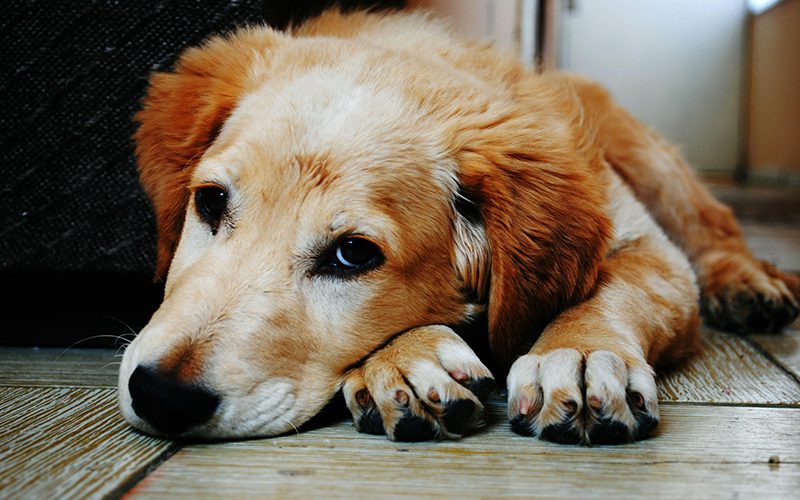
Why is knowing how to interpret your dog’s body language so important?
The Internet has videos of people giving dogs hugs and kisses and getting almost bit in the face. Dog trainers watching these clips have noticed some big mistakes in people misreading the signals sent by the dogs.
First, dog noses are a lot more sensitive to smells than human noses. This means that getting so close to a dog as to give it an unsolicited hug or a kiss is ill-advised. Second, to anyone who has learned to read a dog’s body language, it is obvious from the hard stare, the whale eye, the lip-licking, and the ‘smiling’ that the dog is not comfortable and that it might express this dissatisfaction.
While most dogs are docile and will come in for hugs and kisses themselves, this type of affection showing is not natural to them, but something they need to adapt to and understand that this is how you express love.
Therefore, knowing the basics is more than just the beginning of fruitful communication; it is also the basis of a more solid relationship in which you truly understand your dog’s needs and know how to make its life more comfortable.
Compassionate Impact Report: capturing the sights, sounds, and stories of resilience.
With a heart full of dedication and compassion, Dana Costin, CEO of ROLDA, embarked on a five-day mission to Ukraine in October 2024 travelling to the Kharkiv region, where she provided crucial support for animal rescue operations near the front lines. With a van packed with food and other necessities, she spent two days driving the war-torn path from Galați, Romania, to Odessa and Mykolaiv, the unsettling drone of distant air raid sirens and the delays at customs serving as a constant reminder of the precarious peace in the region. Undeterred, Dana pressed on to Kharkiv, where she found the ARK team, their faces etched with exhaustion but their spirits unbroken, tirelessly working to save animals caught in the conflict’s crossfire.


The constant exposure to suffering and death near the front lines takes a heavy emotional toll on rescue workers. In Kharkiv, Dana witnessed the heart-wrenching scene of locals, their faces etched with anguish, reluctantly parting with their cherished pets, their lives turned upside down by the devastating war. Rescue teams like ARK and ROLDA, with the help of their partner Ruslan, brave perilous environments, retrieving animals from destroyed homes, deserted farms, and even war-torn battlefields. “The animals seem to understand,” Dana noted, observing their silence during high-speed escapes from dangerous areas—where they drive without stopping, even with lights off to avoid detection.
Each animal saved in war shows their resilience and the compassion of their rescuers.
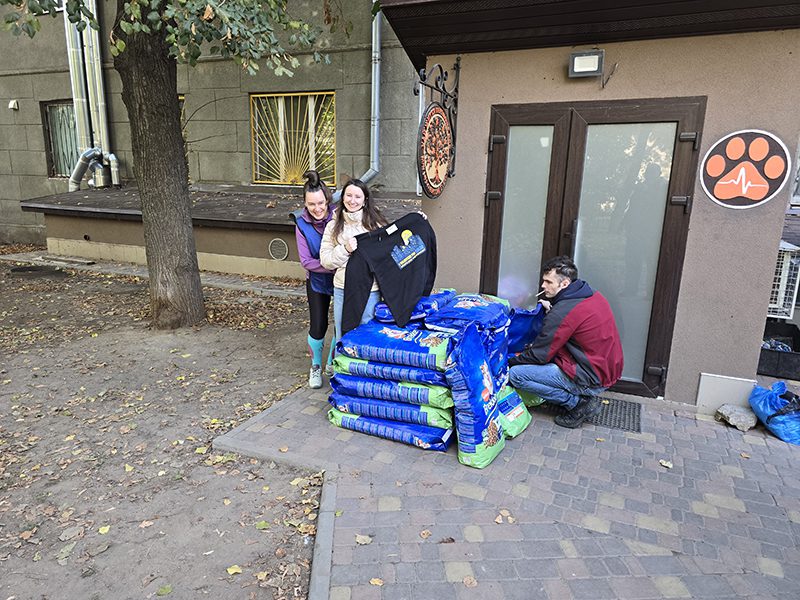
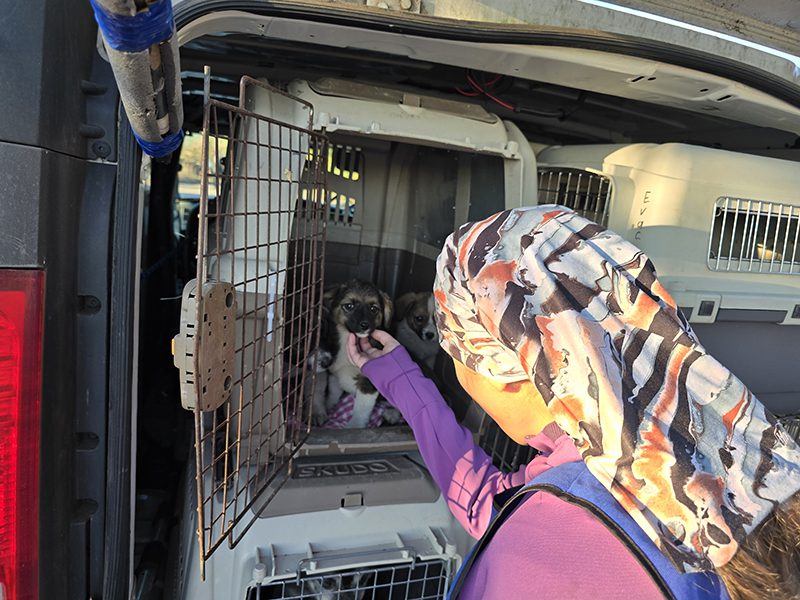
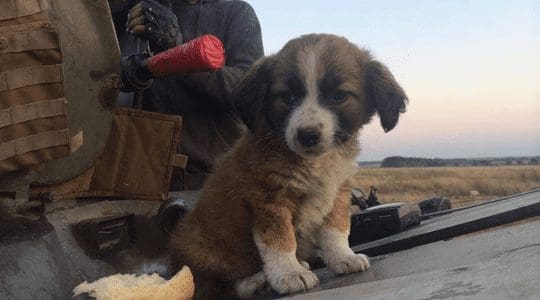
Ruslan, a skilled driver and rescuer, brought Dana to Borova and nearby villages. He rescues animals, comforts victims, and collects food donations while navigating dangerous terrain. The bond between humans and animals was clear when soldiers gave their food to rescued puppies.
Each step of the journey underscored the immense financial weight these life-saving missions carry. The van’s engine roars constantly, fuelled by a steady stream of gasoline, as it battles the relentless bumps and potholes on the unforgiving roads. The chance to rescue and care for animals in need, providing them with the comfort and treatment they desperately need, is truly invaluable. Dana remembers the day she saved 22 animals, including 10 dogs, 9 cats, and 3 goats. She can still feel the warmth of their tiny bodies and hear the grateful meows and barks.
Dana and her team not only rescued animals from active conflict zones, but they also bravely risked their safety to rescue animals from locations under military control, where access was strictly limited. Accompanied by the Deputy Chief of Police in Kharkiv, Dana and three officers ventured into a heavily militarised zone, the distant rumble of shelling a chilling reminder of the constant danger they faced. In one forested area, they rescued puppies near an abandoned horse shelter, whose former Ukrainian owner had fled, leaving behind the scent of hay and the faint echo of horses. They safely transported these puppies, along with other animals, away from the dangerous area, replacing their tiny whimpers with the sound of reassuring human voices.
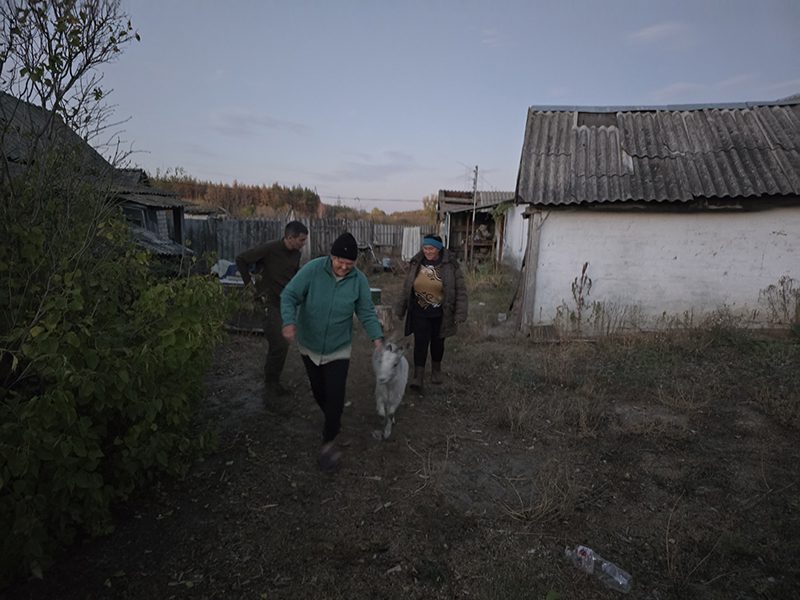
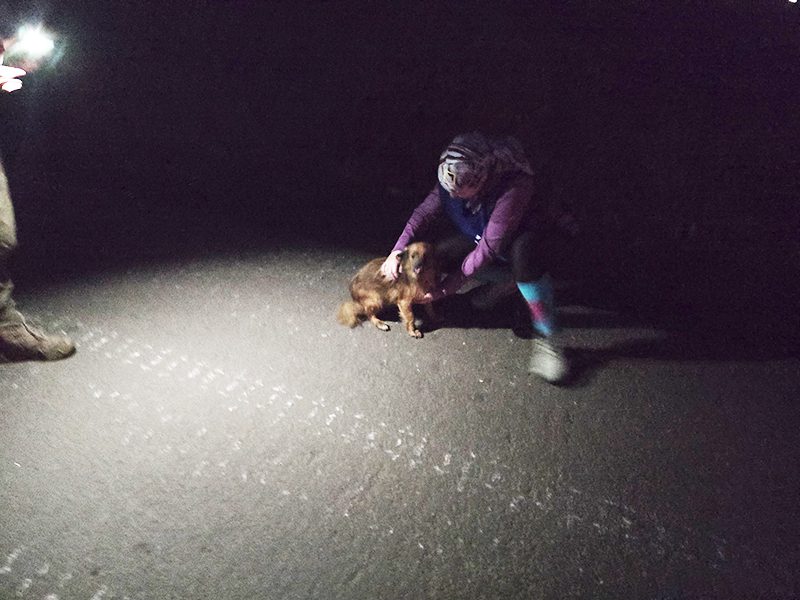
For Dana, each rescue was a profound experience, revealing the resilience and kindness of people in the face of hardship. Ukrainian flags dotted a vast cemetery outside Kharkiv, each representing a soldier’s ultimate sacrifice. The sight made her admire those who support their country and animals despite the loss they witnessed.
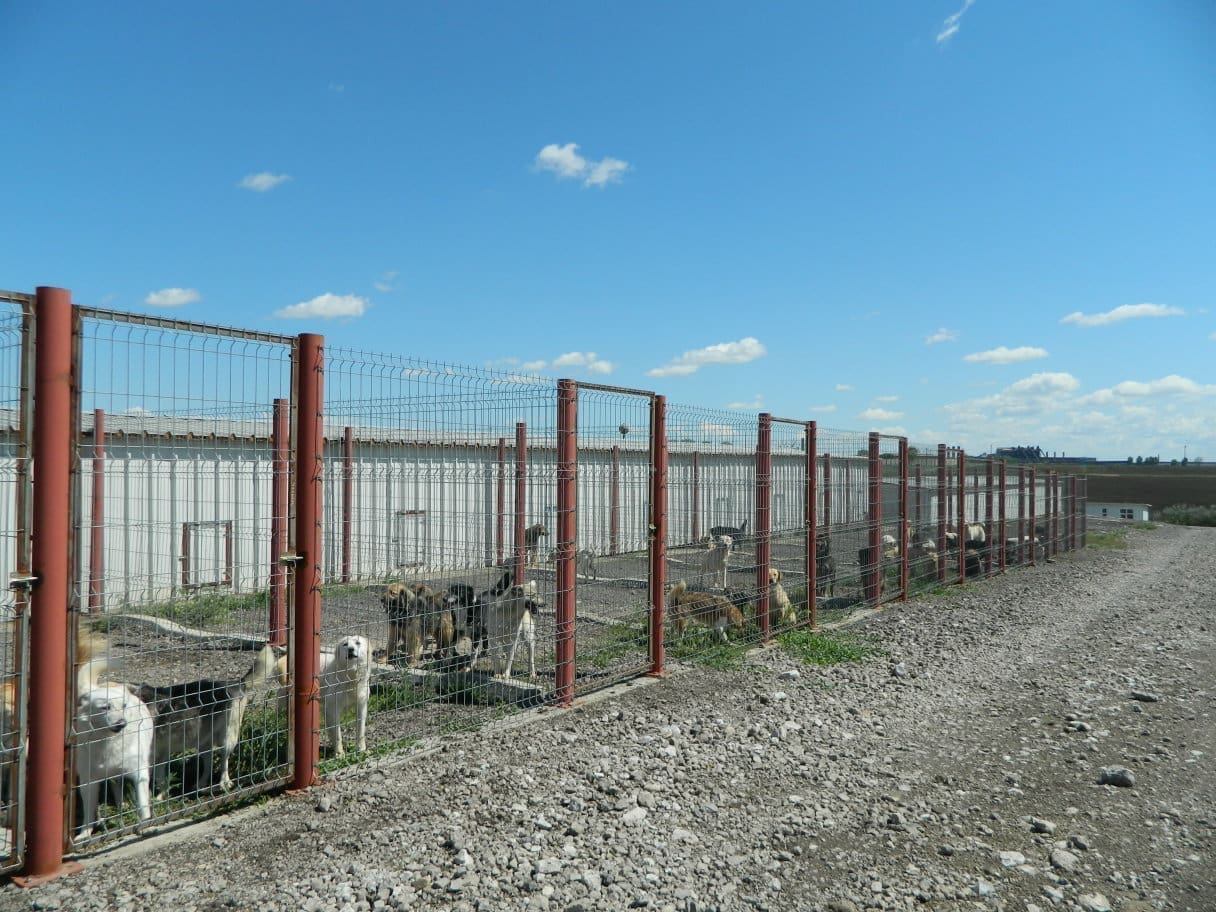
Dana met Robert, whose shelter houses over 600 dogs, including many rescued from war zones. ROLDA provided vital food aid to Robert’s shelter, helping hundreds of animals. Dana saw the rescuers’ teamwork and sacrifice, realizing how important collaboration, dedication, and resilience are to these missions.
Dana’s trip to Ukraine emphasizes the vital role ROLDA plays and the importance of ongoing help. Every animal saved embodies hope and overcoming adversity. ROLDA continues to rescue animals, support communities, and celebrate those who resist during the conflict.
BOOM.
A terrified dog huddles in the shadows, watching and hearing Russian missiles explode around him.
BOOM.
Our terrified dog hears people shouting and screaming as flames fill his surroundings and dark shadows flee for safety all around.
BOOM.
Our terrified dog turns to run as the foundation of his home, just meters away, is blown apart in one deafening explosion.
Our dog, now named Bridge, runs and runs. Full of fear and adrenalin, he is too scared to stop. He does not look behind him or think about the sharp and broken objects under his paws. He runs towards darkness, away from the fire-filled sky and the sound of explosions.
Bridge runs until his legs are stiff and buckling, and his mouth is dry from dehydration. He collapses on the ground. Bridge can still see the air attacks faintly in the distance, and he falls asleep to the disturbing but fainter sound of explosions and screaming.
When Bridge wakes, the sun is high in the sky, and the world around is eerily still. He looks around in horror to see that the safety he sought last night in the dark is a small, muddy island now surrounded entirely by water.
Bridge attempts to stand, but as he rises, his head spins, and his shaky legs give out, forcing him back onto the muddy floor below. His barks for help come out as strained, quiet whispers. He remains like this for several more sleeps, not knowing what to do. If it’s hours or days or weeks, he cannot tell. He feels his body slowly deteriorating, the energy he once felt always pumping through his veins is only a memory.
As Bridge lies covered by mud, leaves and sticks, he feels two hands slide under him. To his surprise, he is lifted into someone’s arms and hears some softly spoken tones. He is carried safely across the water.

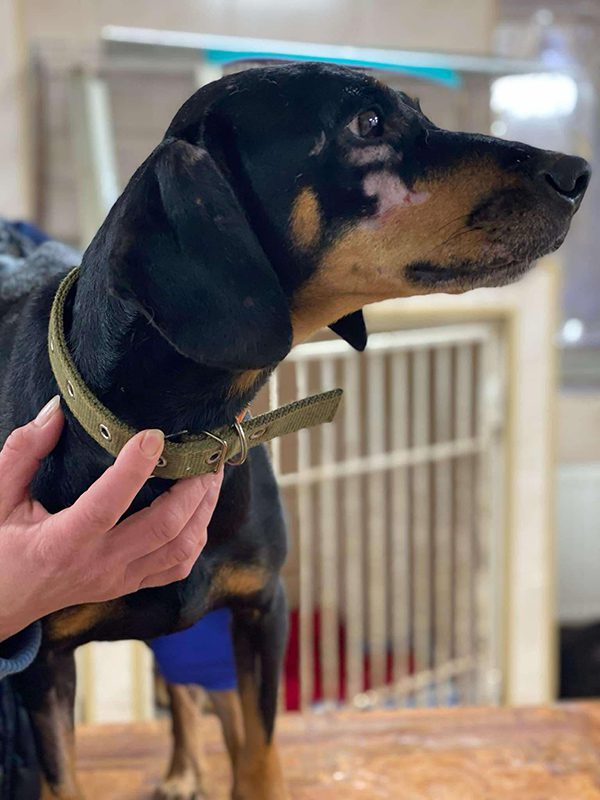
Bridge wakes again to a bright room. A veterinary nurse puts him immediately on an IV treatment. Hours later, he is taken into surgery for a severe fracture of his leg.
After, Bridge is put back on the IV treatment. As the week passes, he feels life warmly returning to his broken body. His leg still aches even after surgery, but slowly, he can feel it becoming strong once again.
After weeks of dedicated attention from rescue shelter volunteers, Bridge is well on the road to recovery. He gains weight and builds energy with every day that passes.
Animals in Ukraine flee every day from the constant, devastating attacks on their homes. Many are injured or even killed in their hunt for safety. Bridge was only rescued because of heroes like you, who are part of the ROLDA Rescue Team. Thank you for making this magic happen for Bridge and others.
Thousands of stray cats live on the streets of Romania. No love or joy for them. Survival is all they can afford to think about. Street dogs chase them for the tiniest scrap of food found in the gutter. Toxic, bacteria-filled environments and harsh weather conditions cause disease and sickness to threaten their fragile bodies.
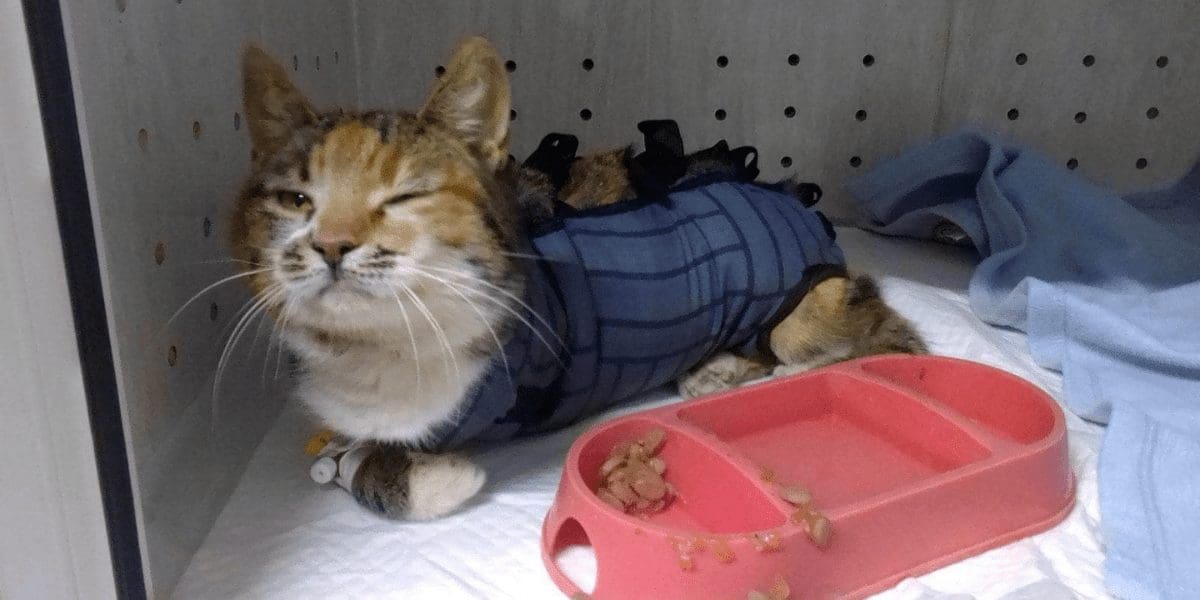
Cecilia, one little white kitten, was homeless at just a few months old. She was fighting for her life on the streets of Tulcea, Romania. Fate had not been kind to Cecilia; sadly, her challenges were only beginning.
Disease and infections are almost impossible for stray cats to avoid due to their already weakened immune systems. Toxoplasmosis, rabies, ringworm and intestinal parasites are some of the most common and lethal diseases that stray cats contract. For Cecilia, it was a herpes virus infection that got her first. The infection burrowed mercilessly until her eyes were completely destroyed.
So, at just six months old, Cecilia wandered the streets with no eyes. She was highly disorientated and incredibly fearful. Left like this, it was likely only a matter of time before death would find her, perhaps under the wheels of a speeding car.


But no. One day, a ROLDA Rescue Team volunteer spotted Cecilia and immediately knew she needed help. After a whole week of gentle coaxing and offering food, the volunteer finally got close to terrified, timid Cecilia. She was then taken to a ROLDA-supported shelter – The Great Catsby.
Cecilia’s weak body was covered with fleas and ticks. She also fought against ringworm and intestinal parasites. Her immune system was dangerously deficient, making her more susceptible to infections. This also meant it was tough for her fragile body to fight off attacks on its own.
There was one final test conducted that revealed an even bigger surprise; not only was Cecilia completely blind, but she was also completely deaf. It is a miracle that this baby kitten had already made it six months living blind, deaf and alone on the streets. What a special, brave girl she must be.
Cecilia is now receiving immune supplements to boost her health and prepare her for surgery. The operation is going to help prevent the constant infections Cecilia fights by cleaning and removing the dead tissue of what is left of her eyes.
Despite Cecilia’s terrible luck, she is one of the sweetest, friendliest, and most loving beings. Where others might retreat into fear, Cecilia chooses to embrace the care offered to her. Cecilia’s resilience and recovery is an inspiration.
Families, especially those with children, can find immense satisfaction and happiness by deciding to adopt a dog from a shelter. By bringing home a shelter dog, families not only provide a loving home but also give children a special chance to learn compassion, responsibility, and more. Families with children can experience many benefits by adopting a shelter dog.
Building Compassion and Empathy
Bringing a shelter dog into a home can create a valuable lesson for children in the importance of showing kindness and empathy. Families can foster a sense of compassion and empathy in children by opening their homes to pets that have experienced hardship or abandonment. By providing a home, children gain a deeper understanding of the needs and well-being of both humans and animals.
Learning Responsibility Together
From ensuring their meals are prepared to taking them on daily walks, caring for a dog involves a range of responsibilities. By actively taking part in these tasks, children develop an appreciation for the dedication and attentiveness necessary to care for a living being. It’s a powerful way to teach children that their actions have a direct impact on the well-being and joy of their beloved pet.
Encouraging Physical Activity
Play and exercise come naturally to dogs, as they instinctively seek opportunities to be active and have fun. With their surplus of energy, shelter dogs can inspire the whole family to engage in outdoor walks, trips to the park, and playful moments in the garden. Children will have fewer screen hours and a more solid groundwork for leading an active and healthy life.
Providing Emotional Support
Through life’s difficulties, dogs stand by children, offering unwavering support and solace in times of need. In times of bullying, school pressures, or other difficulties, a dog can be a reliable and soothing companion for children. Animals offer children a safe space to openly express their emotions and find solace, thanks to their non-judgmental companionship.
Developing Social Skills
Playing with a dog can enhance children’s ability to recognise and respond to social cues. Understanding a dog’s body language helps children develop a heightened awareness of non-verbal cues, which can enhance their ability to communicate with others. In addition, dogs are excellent at making introductions easier and reducing feelings of social unease.
Boosting Immune Health
Studies suggest that children who grow up with dogs have a lower likelihood of developing allergies and asthma. Introducing children to pet dander and the various outdoor microbes that dogs track into the house at an early age can bolster their immune systems, resulting in a healthier start.
Making a Difference and Saving a Life
Families that adopt from shelters not only give dogs a second chance but also contribute to reducing overcrowding, enabling more animals to receive help. Engaging in acts of kindness can elicit a strong sense of pride and accomplishment in children, as they realise, they are actively contributing to making the world a better place.
Finding the Right Fit
While shelter dogs can bring immense joy, it’s important to take the time to evaluate which dog would be the most suitable fit for your family. Shelter staff are available to support families in finding a dog that aligns with their preferred size, energy level, and temperament, ensuring a seamless transition and a happy, lifelong relationship.
By adopting a dog from ROLDA, families with children can learn important lessons in empathy and experience a substantial improvement in their overall well-being and happiness. By choosing adoption, families not only enrich their own lives but also make a positive impact on the life of a deserving pet, creating a legacy of compassion that will inspire future generations.
When we imagine happy dogs at play, we often picture them outdoors feeling the softness of the grass beneath their paws, their noses twitching as they take in the scent of every flower. It’s a heartwarming sight, observing them in their blissful state—until their attention turns to devouring a plant or exhibiting an excessive fascination with a patch of greenery. Any dog owner would worry about this, fearing for the safety and well-being of their furry friend.
Dogs may have a habit of nibbling on grass, but it’s important to be cautious, as not all plants are safe for them. Be cautious of common plants as they can pose serious health risks to your dog. Depending on the plant, the quantity consumed, and your dog’s size, the specific toxic elements can differ, resulting in varying symptoms. While some plants may only result in minor digestive issues, others can be so dangerous that they cause urgent medical intervention.
Being aware of the hazardous plants, their habitats, and the symptoms they may trigger is essential for ensuring your dog’s survival. If ingestion occurs, acting quickly is crucial. Keep your vet’s contact details easily accessible and be ready to provide detailed information about the substance and the quantity consumed. Here’s a guide to plants that dog owners should know to ensure their pets’ safety.
Here are some types of toxic plants for dogs and where you can find them.
To simplify things, we’ve compiled a list of plants that dogs should steer clear of, along with their typical locations. This includes a variety of plants, such as potted plants commonly found indoors or in office buildings, garden plants, and those you might come across during outdoor adventures. The notes accompanying each plant provide valuable insights into its toxicity level and the range of symptoms it can trigger.
Here are some indoor and potted plants to avoid if you have pets or small children.
Be aware that many popular houseplants can be harmful to pets. These toxic plants, which might be found indoors, emit a faint, lingering scent.
• Aloe Vera (Aloe barbadensis) emits a mildly unpleasant odour when handled.
• When handling the Asparagus Fern (Asparagus setaceus), you may notice its delicate, feathery leaves brushing against your fingertips.
• The Bird of Paradise (Strelitzia Nicolai) is toxic. If symptoms appear, it is important to seek veterinary care promptly.
• Chinese Evergreen (Aglaonema modestrum) – Be aware of its highly toxic properties.
• The Dieffenbachia, commonly called Dumb Cane (Dieffenbachia spp.), is a tropical plant that adds a touch of lush greenery to any space.
• People consider the Sago Plant (Cycas revolutas) highly poisonous. Symptoms of the condition may manifest as vomiting, extreme fatigue, seizures, and eventual liver failure. If consumed, it is crucial to contact your vet without delay.
Garden Plants That Could Be Harmful to Your Dog
Some plants in the garden go beyond being tempting for your dog—they can actually be hazardous. Here’s a list of common garden plants to be aware of:
• Chamomile
• Chives
• Garlic
• Onions
• Rhubarb
• Tomato Plants
Ingesting these plants can cause digestive symptoms like vomiting and diarrhoea. However, in more severe instances, they can pose a greater risk to one’s overall health.
Flower Garden Plants That Can Be Harmful
The sight of beautiful flowers can be an irresistible temptation for curious pets, but it also poses a potential danger. To prevent any potential danger, it’s best to avoid planting the following flowers where your dog has access since they attract curious pets with their bright colours and sweet scents, which can be an irresistible temptation.
• Amaryllis
• Autumn Crocus (Highly Dangerous!)
• Cyclamen (Highly Dangerous!)
• Daffodil
• Foxglove
• Lily of the Valley (Highly Dangerous!)
Even the tiniest quantities can cause digestive discomfort, seizures, or, in severe instances, severe health issues.
Acting as a Responsible Pet Owner
Because of the unique vegetation found in each region and garden, it is not always possible to provide a comprehensive list of toxic plants. To ensure the safety of your dog, it is crucial for owners to conduct thorough research on the plants that are prevalent in their region. They should consistently inspect the plants that encircle their residence and garden. In addition, when travelling with their dog, owners should be cautious and mindful of any potential encounters.
With some added awareness and preparation, you can create a safe environment for your dog to explore and embark on worry-free adventures.
While owning a dog brings immense joy and love, it’s crucial to recognise the responsibility that comes with ensuring their health and well-being. As much as we hate to imagine it, our furry companions are susceptible to health problems and accidents as they age, just like humans. Taking the steps of providing proper care, practicing good hygiene, and closely monitoring changes in your dog’s behaviour can go a long way in preventing or managing various common health issues.
Here are some of the most common health issues in dogs and what you can do to address them:
Parasites
Keeping their dogs free from fleas and ticks is a constant worry for many pet owners. With their ability to spread rapidly, fleas can cause intense itching and discomfort, particularly in dogs with more sensitive skin. However, it is important to be cautious of ticks since they have the potential to transmit diseases. By doing regular checks after walks and administering preventive treatments from your vet, you can effectively keep them at bay. If you discover a tick, there’s no need to panic—simply reach out to your vet for guidance.
Indigestion
Vomiting or diarrhoea are common indicators of indigestion, frequently triggered by your dog consuming inappropriate items. Pay close attention to both the frequency of episodes and any other unexpected symptoms. If they cannot keep any fluids, particularly water, it is important to consult your vet to ensure they do not become dehydrated. Avoiding human food and being mindful of what your dog eats can help prevent any potential issues in the future.
Allergies and Skin Problems
Watch out for any bumps, redness, or bald spots that may appear on your dog, as these could be signs of an allergic reaction. The key is to determine the cause, whether it’s related to their diet or something they encountered along the way. If the allergies persist even after removing the irritant, your vet can provide the help
Ear Infections
Ear infections are a common concern for dogs with long ears, as dirt and moisture buildup and can cause problems. Some indicators that a pet may experience discomfort are head shaking, frequent ear scratching, or an unpleasant odour. During your visit to the vet, they will conduct a thorough examination to check for infections and determine the best course of action, which may involve prescribing ear drops.
Heartworms
These dangerous parasites known as heartworms can infest a dog’s heart and lungs, posing a serious threat. To make sure you catch any potential issues early on, it is important to have your vet regularly check your dog’s blood and stool through annual tests, as these problems can be challenging to detect otherwise. The key to preventing serious complications in your dog lies in acting as soon as the first symptoms appear.
Obesity
Lack of exercise and excessive food consumption are typically to blame for obesity in dogs. Ensuring a healthy diet and regular physical activity is essential for dog owners to promote their pet’s overall health and happiness. To maintain your dog’s health, it is essential to control their weight, as obesity can contribute to joint problems and other health issues.
Arthritis
Larger breeds and overweight dogs are susceptible to experiencing significant pain because of arthritis. If you notice your dog struggling to move or favouring certain limbs, it’s crucial to seek advice from your vet to address any potential health concerns. Providing your dog with an early diagnosis and treatment can increase their comfort and overall happiness.
By staying attentive to your dog’s health and working closely with your vet, you can help prevent and manage many of these common issues, guaranteeing your furry friend’s well-being.
The anticipation of bringing home a new dog creates a palpable sense of excitement. You’re likely picturing all the delightful moments in store, such as your pup relaxing on the comfortable couch or joyfully exploring the vibrant yard. It is essential to make your home safe and comfortable for your new pet.
Prior to the arrival of your new furry friend, ensure the safety and security of your home with these simple steps to make it dog-proof.
1. Getting the house ready for your new puppy involves a few important steps.
To ensure the safety of puppies, it’s crucial to remove any hazardous objects from their reach, considering their tendency to explore with their mouths. Don’t forget to ensure that either properly managed electrical cords tucking them away or securing them. Take precautions by relocating cleaning supplies, personal products, and sharp objects to higher shelves that are inaccessible to your dog.
2. Take caution and secure fragile items in a safe place.
Remove any delicate, breakable, or small objects from the low tables or shelves to ensure safety. As your puppy begins to mature and become more relaxed, you can gradually reintroduce these items.
3. Ensure that snacks and medicine are kept in a place where they cannot be accessed easily.
It is vital to avoid feeding dogs’ human food, especially snacks and sweets, as it can have negative effects on their well-being. Store food and medications securely in cabinets or drawers, ensuring they are tightly sealed and kept away from any potential exposure.
4. Secure Trash Cans and Toilets
Safeguard your trash cans from dogs by firmly fastening them or keeping them out of their reach, as dogs have an instinct to explore them. If needed, child-proof locks can be added to cabinets and toilet lids to ensure safety and avoid accidents.
5. Check Your Plants
Certain plants can be dangerous for dogs because of their toxicity. Taking precautions for the well-being of your pets, it is recommended to either move your houseplants or verify if they pose any risks.
6. Create ‘Off-Limit’ Areas
Certain rooms, such as a home office or a room with valuables, can be kept off-limits to your puppy to ensure their safety. Just be prepared for the constant sound of whimpering if your pup wants to tag along!
7. Get a Crate or Pen
When you cannot monitor your puppy, a crate or playpen can furnish them with a secure and cosy environment. It helps them feel secure and keeps them safe while you step away for short periods, like a protective shield.
8. Protect Stairs and Heaters
Take precautions to prevent accidents by using baby gates to block stairs and ensuring that heaters or fireplaces are safely out of reach.
Outdoor Proofing
To ensure safety, it’s recommended to fence off or cover your pool if you have one. By keeping your yard well-maintained and free of clutter, you can easily identify any hazards. Also, remember to be vigilant about ticks or other pests that may be present in the grass.
Bringing Your Puppy Home
Remember to bring a small towel or blanket when you pick up your puppy, so they have something familiar and comforting. Achieve the familiar scent by rubbing the towel or blanket on the mother and siblings. This will help your puppy feel secure and at ease during the journey home and in their new surroundings.
The Car Ride
On the drive home, ensure that you keep your puppy in your arms in the car, wrapping them in a familiar-scented cloth to help them feel secure. Leaving your puppy alone in the backseat during its initial car ride may cause anxiety or distress, so it is not recommended. Whether it’s excitement or nerves, having wipes readily available can save the day.
Implementing these straightforward measures will not only ensure the safety of your new puppy but also establish a warm atmosphere, setting the groundwork for a harmonious life together!
Dogs, much like humans, can feel bored with the repetitive daily routine. While routines are important for keeping things organised, it’s worth considering how this influences your dog’s sense of stability and predictability. A predictable environment is beneficial for dogs, but an excess of monotony can induce boredom and a sense of restlessness.
Dogs, being highly sociable and incredibly smart, truly stand out as remarkable animals. They are widely known and admired for their impressive ability to solve problems and their remarkable intelligence. To ensure their happiness and good health, they must attempt to keep their minds stimulated and engaged. Dogs can experience a notable decrease in age-related problems, including canine dementia, by engaging in mental stimulation activities.
Why Mental Stimulation is Especially Important for Some Breeds
While all dogs benefit from mental stimulation, it is of utmost importance for working or hunting breeds. Each of these dogs has a specific purpose for which breeders selectively bred them, such as herding livestock, aiding humans in various tasks, or pursuing prey in the wild. Dogs from these breeds are not suited for lounging around the house all day, as they require mental stimulation to thrive.
Keep in mind your dog’s instincts, regardless of the breed you chose. Ignoring natural behaviours can cause behavioural problems.
Dog boredom signs
Dogs may display destructive behaviour when they are bored and lack mental stimulation. Boredom is often showed by:
• Your dog’s excessive barking could be because of a lack of mental engagement.
• Digging stimulates dogs both physically and mentally.
• Problematic chewing occurs when your dog targets furniture or shoes.
• Bored dogs may scratch, dig, or destroy things.
• Restlessness may occur in active breeds because of lack of activity.
• Tail chasing and excessive licking are signs of boredom in dogs.
• A bored dog may seek new experiences by trying to escape.
• Your dog may steal items in front of you to provoke a chase or gain attention.
• Panting or whining often signal frustration and a desire for interaction.
• Extreme excitement upon your arrival suggests boredom in your dog.
• Dogs jump on people for attention when bored.
You can mentally stimulate your dog in different ways.
With toys
For those new to dog ownership, the temptation to buy toys on a whim can be hard to resist. However, knowledgeable owners recognise the necessity of choosing the right toys that will engage and entertain their dog. Find toys that encourage mental stimulation for your dog, such as puzzles or interactive games.
• Puzzle Toys: Toys with hidden compartments for treats are great for keeping your dog’s mind engaged. These toys encourage your dog to use problem-solving skills as they paw, flip, or nudge the toy to find the reward. Be sure the puzzle isn’t too difficult, as this can lead to frustration.
• Designed with curious dogs in mind, the activity boards offer a fun and interactive experience. Treat-filled surprises await your dog as they navigate activity boards, opening, closing, and pressing buttons. By participating in these activities, your dog can experience the same level of satisfaction as exploring objects in the house, but in a way that is both safe and productive. Remember to consider the various lights and sounds—they may fascinate some dogs, but others may be uncomfortable.
• Designed to stimulate your dog’s sense of smell, Snuffle Mats feature a soft and textured surface that conceals delicious treats. These toys engage your dog’s natural inclination to scavenge, satisfying it and resulting in prolonged amusement. Ensure that you supervise your dog carefully when using these mats and opt for high-quality ones to ensure safety.
• Dogs find endless joy in chasing or pawing at Wobble Balls, the self-moving balls designed to keep them entertained. They often enhance the interactive experience by including treat compartments.
• Tug toys are a beloved choice for interactive play, where you can actively take part in your pet’s happiness and well-being. While you have the option to use improvised items like sticks or bottles, toys designed specifically for tugging provide a safer and more enduring experience. They offer a wonderful chance to create a deeper connection with your dog while enjoying their company.
With no toys in sight, the children found joy in simple activities, like chasing butterflies and climbing trees. While toys can be fun, the warmth and connection that come from your presence and undivided attention is truly irreplaceable. For dogs to feel complete, they require the constant connection and interaction with their human companions.
Taking part in activities such as hide-and-seek, fetch, or simply running around together can deliver a fantastic mental and physical exercise. Don’t let fatigue stop you from giving your dog the attention they deserve. Give them the opportunity to join you on your daily chores, experiencing the bustling streets and vibrant markets firsthand. If your dog becomes intrigued by a fresh aroma, encourage them to explore—it offers a mental challenge that is as significant as physical exertion.
By setting aside time for play and mental activities, you’ll be supporting your dog’s well-being and cognitive abilities, keeping them happy, healthy, and mentally sharp. Remember your dog views you as the centre of their universe, so providing them with a little extra attention can enrich their daily experiences.
a lasting and blissful companionship.