non-US support +44 (0)161 531 8801



















Adopt, don’t shop: the true impact of saving a shelter dog

Is getting a dog a life-changing decision? Yes, in more ways than you may think of at first, especially if you adopt.
This article is not meant to deter you from getting a dog from a pet store; they are souls that need a home, too, and that, most likely, unless somebody purchases them, could end up exactly like our strays. But we intend to shed some light on the work we do and why your role here is vital.
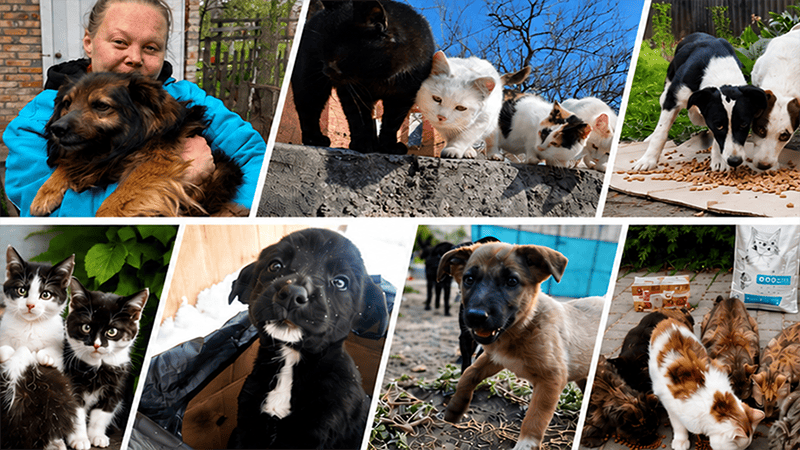
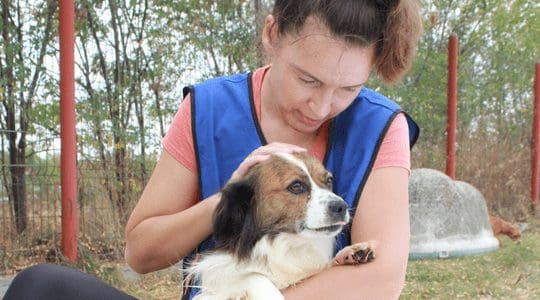
Yes, you’ve read that correctly. While we at ROLDA do the rescuing, treating, rehabilitating, and sheltering of stray dogs, your decision to give one of them a permanent, loving home is the final step that nicely wraps up our entire effort.
Therefore, adopting a dog rather than buying one is a choice with greater impact, creating measurable changes for dogs, shelters, and communities.
What it means to buy
Commercial breeding results in more litters, while millions of dogs currently in shelters would also make great pets. Professional breeders and individuals who sell a small number of puppies in ethical conditions and take responsibility for the dogs they are unable to sell are not the problem.
The problem is profit-driven breeders who put money before welfare, practice irresponsible breeding, and sell without screening buyers.
When selling puppies for profit is the main priority, other problems usually lie beneath the surface. We are talking about irresponsible breeding of dogs with transmissible genetic disorders, disregard for the breeding dogs’ living and health conditions, and lack of attention to the needs of the dogs beyond anything related to breeding.
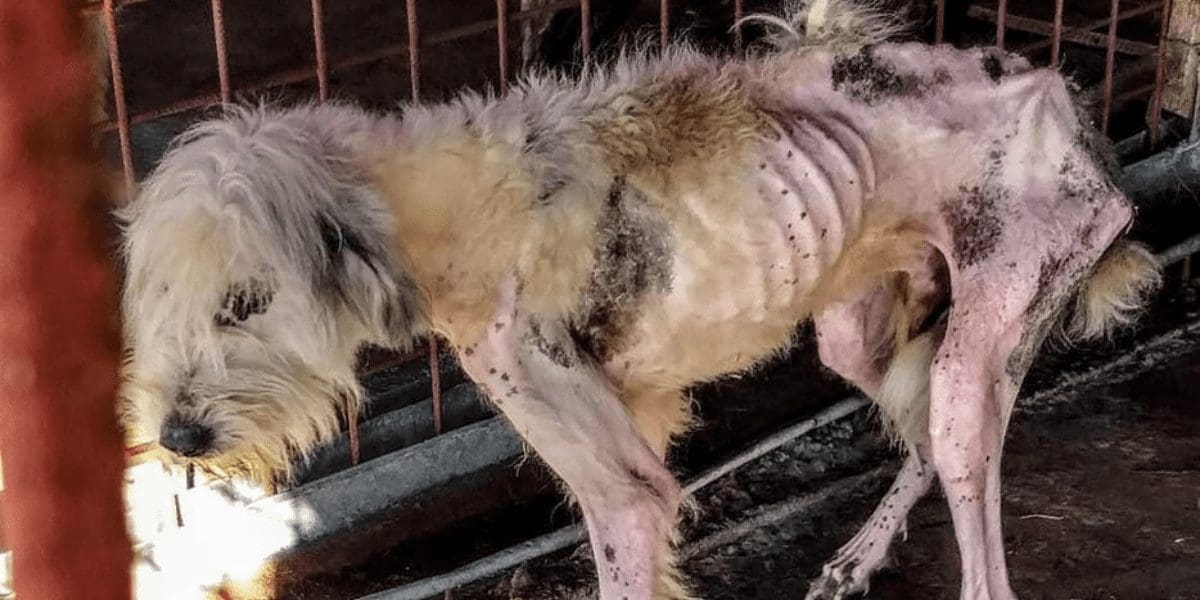
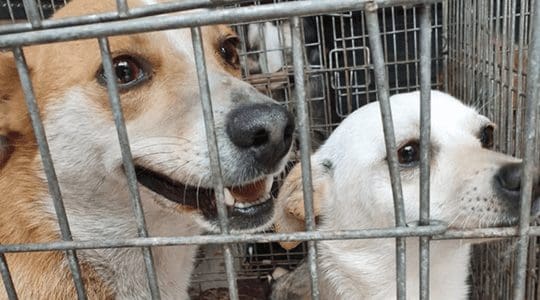
The worst form of this is puppy mills—horrible places where dogs are used for breeding and have no other life, comfort, or purpose outside of that. Some go as far as to keep female dogs in small cages in which they cannot even stand up, all in the name of maximizing space and profit.
This is not to say that all breeders are puppy mill owners, but not all pet shop owners do their due diligence when they receive puppies. If you do want to shop, check up on the breeder before you do, see where the dogs come from, and the conditions in which those dogs are born.
What it means to adopt
Shelters vs. pet shops and breeders
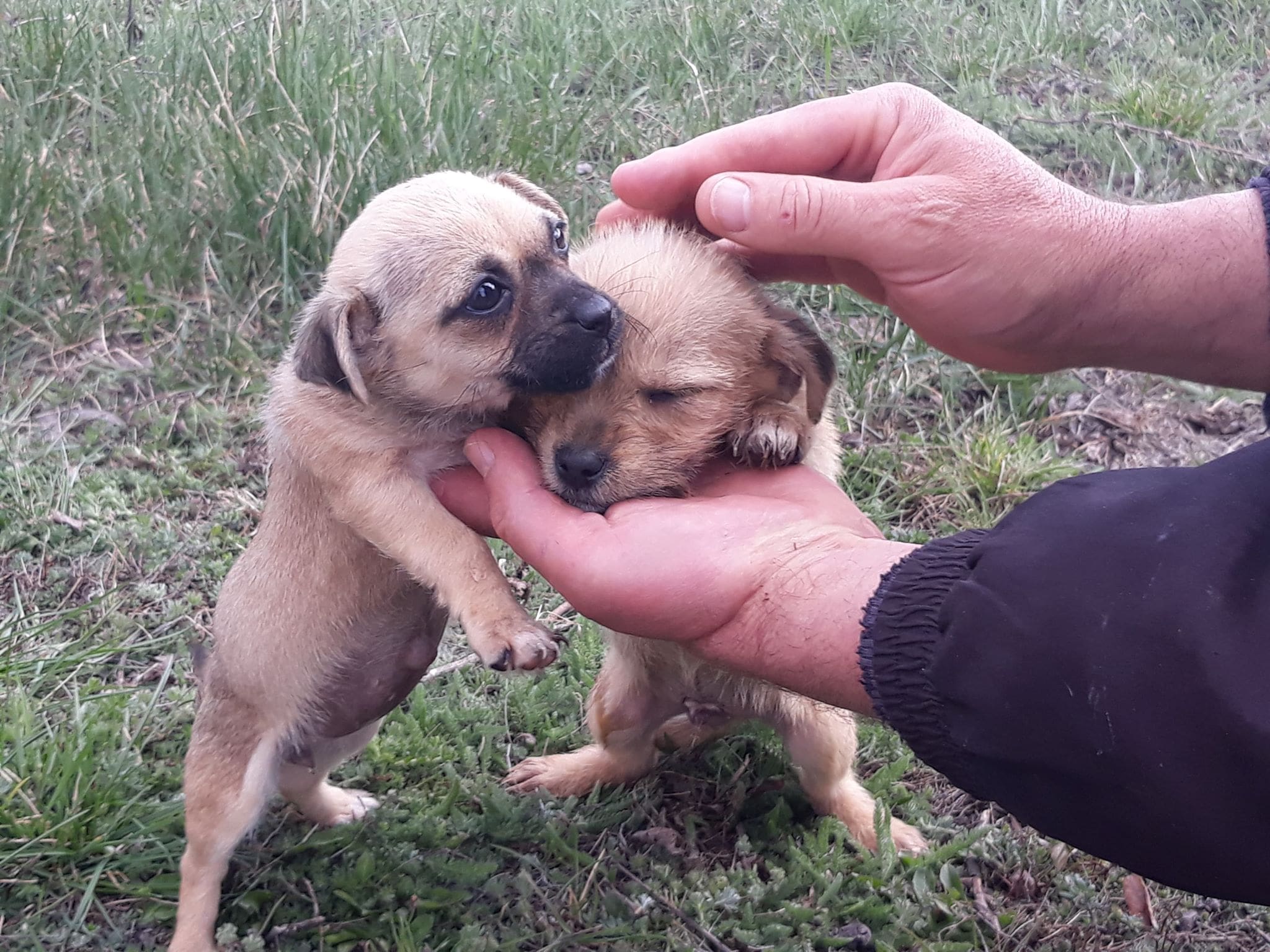
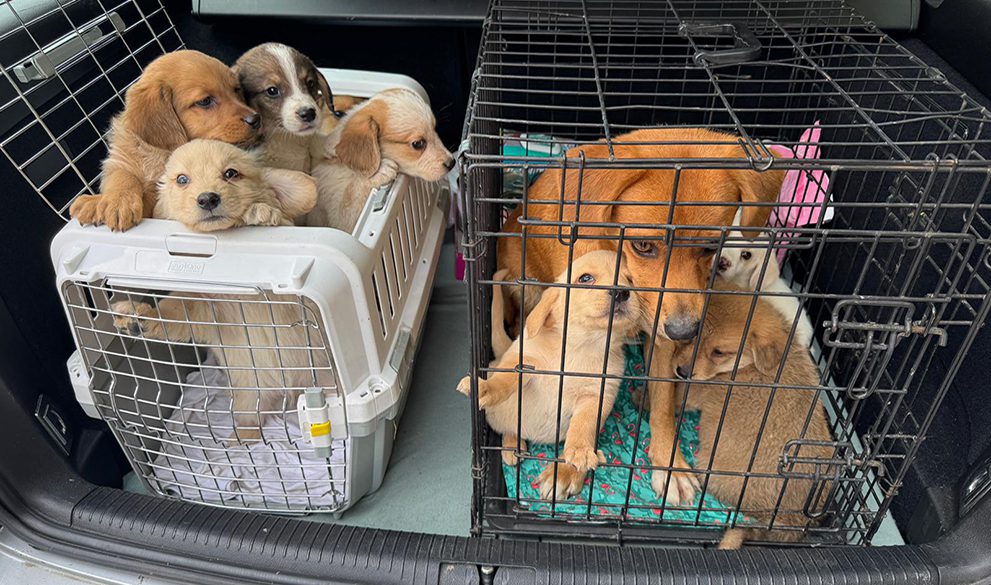
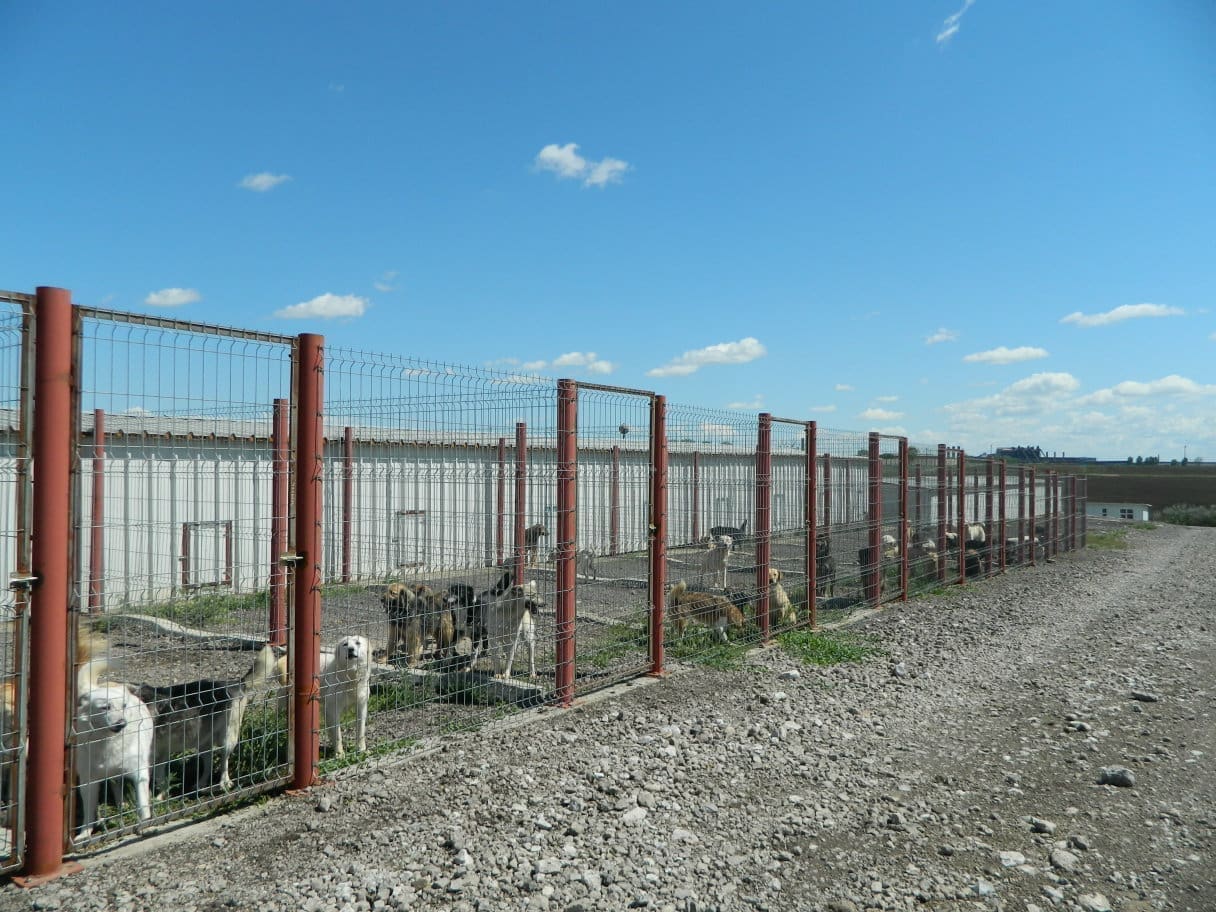
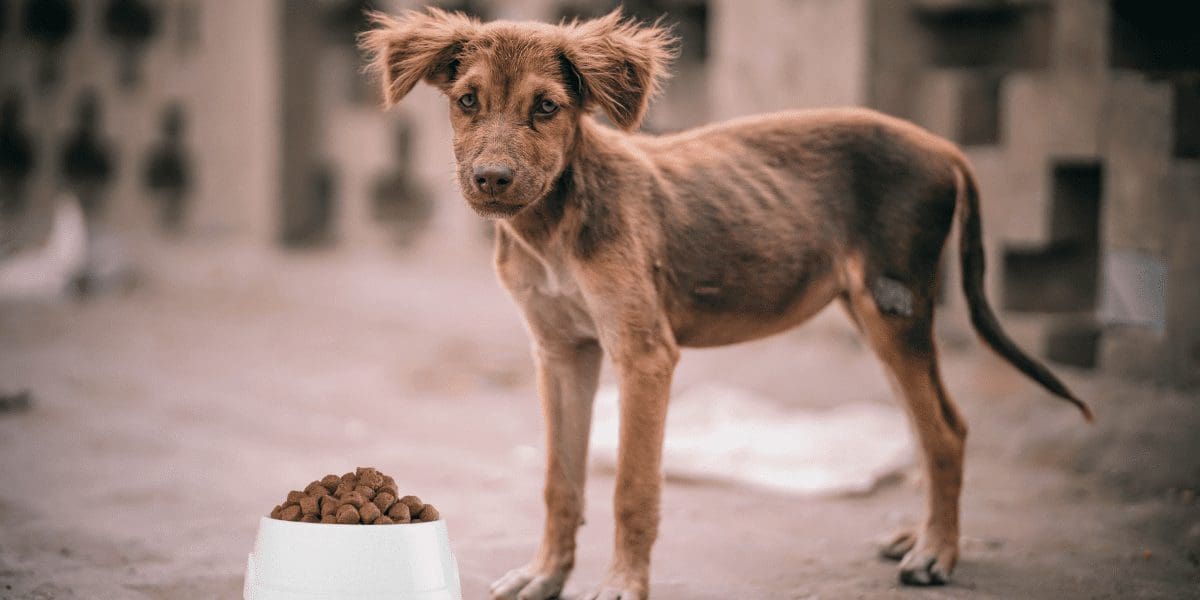
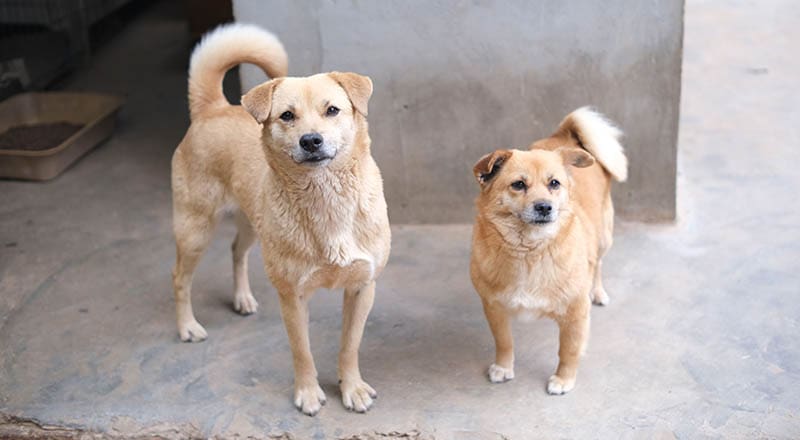
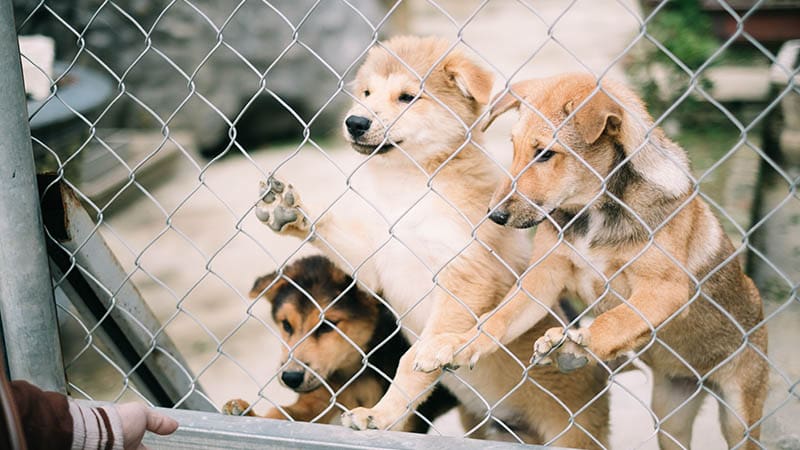
Adopting a dog from a shelter means choosing a pet that urgently needs your help, contributing to reducing the number of stray animals.
When you purchase a dog directly from a breeder or a pet shop, it shows that you are interested in these animals as a resource. As with any economic transaction, interest drives demand, and demand drives supply. How do they supply this demand? They breed dogs to produce more puppies, which they later sell.
Why do this when there are already so many dogs in immediate need of a home? Why ask for more specific breeds of dogs to be born when breeders and store owners take little responsibility for the ones they cannot sell?
Also, the lack of screening only adds to the problem. Selling to whoever comes up with the money can be detrimental to the animal, which will end up anywhere. It can be mistreated and abandoned, adding to the number of stray animals you will eventually find in a shelter.
This explains the ‘Christmas puppy phenomenon,’ where puppies gifted during the holidays, often to families or children lacking the knowledge or willingness to care for a dog, are typically abandoned once challenges arise or once the puppy matures into an adult.
Shelter adoptions, on the other hand, involve adoption contracts and screening to ensure the adopted animal does not end up in the stray pool again. Unlike profit-oriented enterprises, shelters take great responsibility in finding a home for each dog.
Adopt a dog, save another from the street
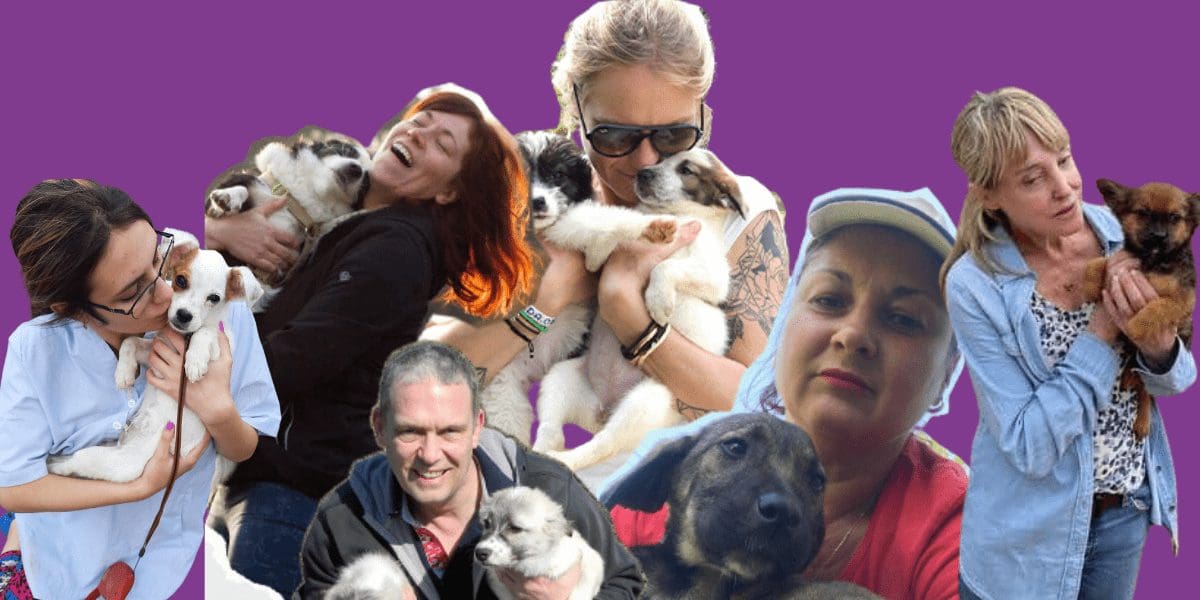
Adopting a shelter dog creates something we like to call the ‘good-deed-cycle’. Namely, when you pick a dog from a shelter, that dog gets to live with you, and take care of it forever, which is excellent for both of you. But the impact on the shelter is far greater.
Adopting a dog allows resources to be redirected toward rescuing, treating, cleaning, and rehoming another dog. Consequently, when you choose a dog from a shelter, you open a spot for another to be rescued from the streets and become available for adoption. Each successful adoption creates space for yet another animal to receive the same opportunity.
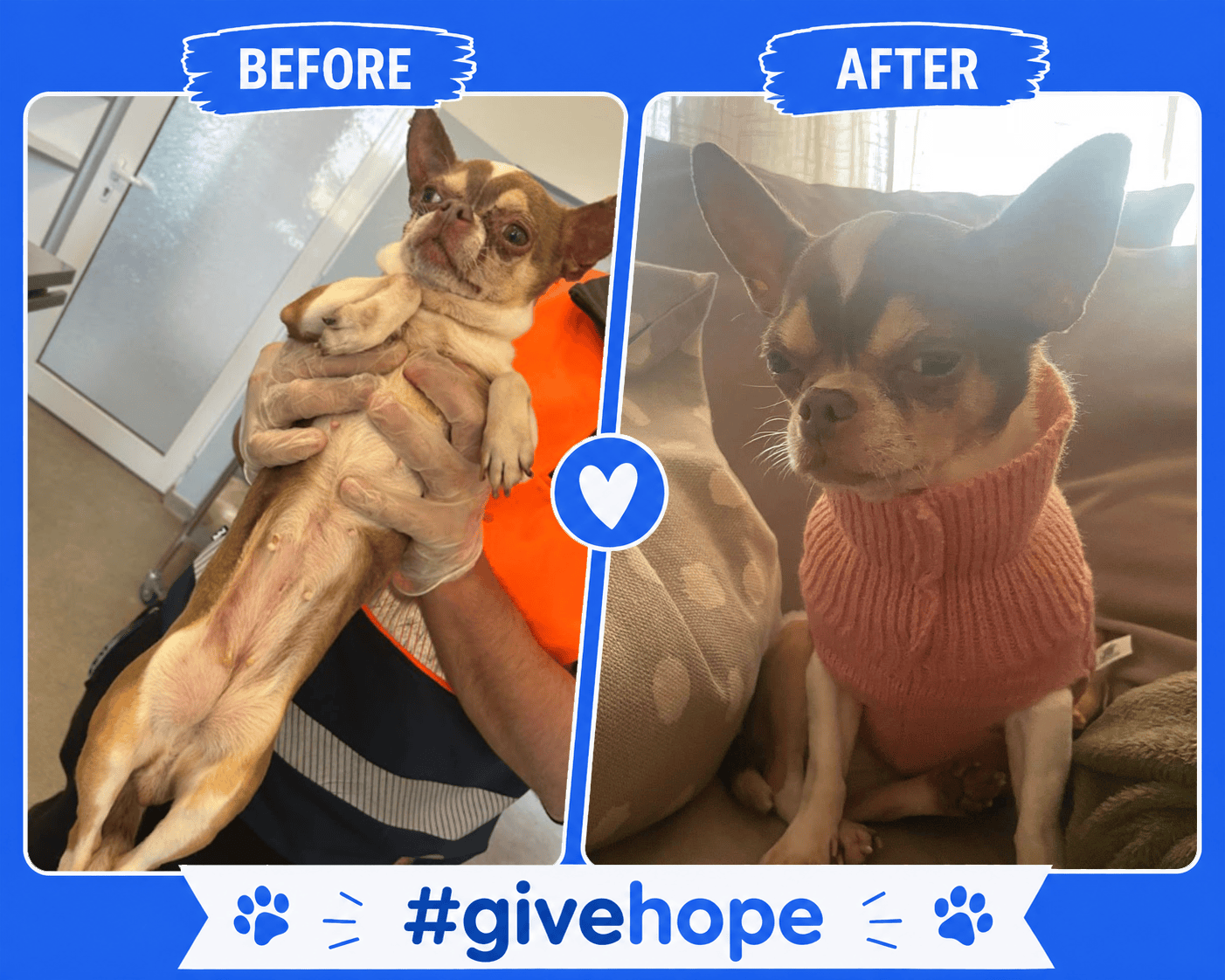
Opting for adoption versus shopping
Sure, we might sound biased, given that we run a shelter and adoption is essential to our work. However, in a broader view, adoption can be seen as the solution to a problem that is also fueled by commercial breeding.
A common misconception about shelter dogs is that they have behavioral problems, are aggressive, and are challenging to train. In reality, the main reason behind the high number of dogs on the streets and in shelters is abandonment and lack of neutering and sterilization of pets.
After rescue, dogs undergo a comprehensive process of medical care and rehabilitation to recover from their time as strays or in abusive environments. Some shelters also cover ongoing medical expenses post-adoption to motivate prospective owners to open their homes without financial worries.
This final phase involves working with specialists to increase the dog’s chances of adoption. The entire rescue system is designed to make these dogs healthy, happy, and appealing to potential adopters. This is the opposite of the breed-for-profit system, in which dogs are stuck in a brutal cycle of breeding with no hope of ever living a normal life.
At the end of the day, we are always happy to know that a dog is happy in its home. But if you have the opportunity, adopt a dog who is already here, already in need, and already with so much love to give.
Do you want to hear more news about our stories?
Related content
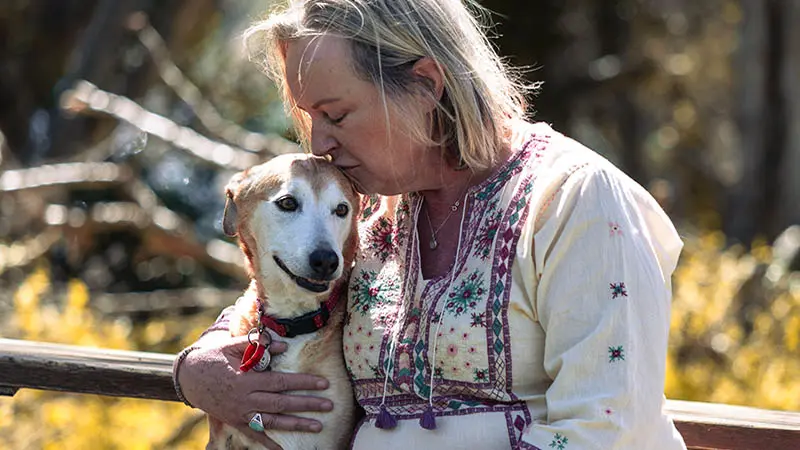
How Adoption Stories Inspire More People to Help Animals in Need
One of our favorite online trends is the posting of pictures with happy dogs and their new families, with those big ‘ADOPTED’ signs! And it’s hard not to share in the enthusiasm. The adoptive family took their time setting things up; they got the floof ready, bathed, brushed, and smelling like a million bucks. And ... Adopt, don’t shop: the true impact of saving a shelter dog
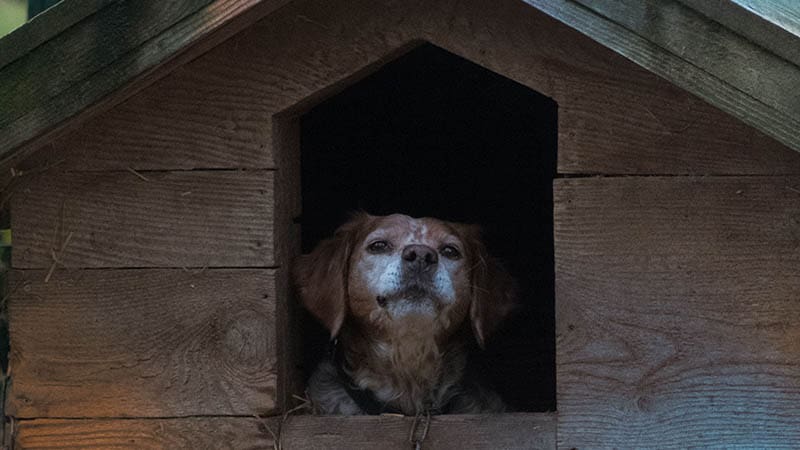
How Sponsoring a Shelter Dog Can Change a Life Before Adoption
Adopting a shelter dog is the most beautiful act of kindness people could ever do in their lives. It is a gesture in which they take in a soul that was once abandoned and give it a home and a purpose. And then, they get to watch it thrive, and their lives grow richer and ... Adopt, don’t shop: the true impact of saving a shelter dog
Supporting Rescue Dogs Through Donations When Adoption Is Not an Option
And as the rescue van took the suffering dog away, the people in town sighed with relief, thinking the poor soul was now safe and off to live a better life. The End Cute, but wrong! As an organization dedicated to bettering the lives of dogs and animals in general, ROLDA’s mission is to get ... Adopt, don’t shop: the true impact of saving a shelter dog
Why Regular Donations Are Essential for Keeping Rescue Shelters Running
What do you think is the most expensive part of running a dog shelter? Some people might think it’s the dramatic animal rescue missions. Others might say it’s the complicated medical procedures needed to put the poor animals back together or even the latest recovery and rehabilitation therapies. Both groups are wrong. The most expensive ... Adopt, don’t shop: the true impact of saving a shelter dog

The Life-Changing Impact of Dog Adoption on Both Pets and Their New Families
Who benefits more from a shelter adoption? The dog that has just received a chance at the perfect life in a loving home with a caring family? Or the family that has just become whole with the addition of the cutest, most loyal, and most lovable member? Both sides will. It’s a win-win type of ... Adopt, don’t shop: the true impact of saving a shelter dog