non-US support +44 (0)161 531 8801
























A Guide to Volunteering at Your Local Dog Shelter
Volunteering is one of the most wholesome ways to give back to the community without spending money. In today’s economy, it’s significant that people can find time from working multiple jobs to support causes they care about.
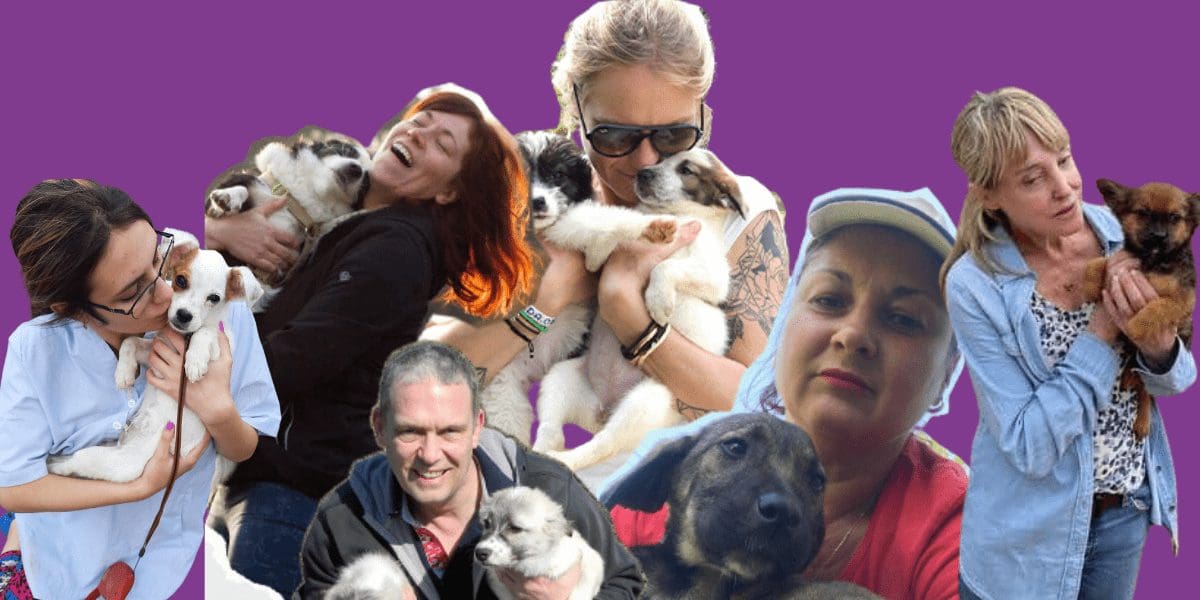
We want to begin by expressing our deep appreciation for everyone who offers help and donations in any form—whether money, time, expertise, or hard work. We salute all of you, from those who come to help feed hundreds of dogs to ambassadors who promote our cause and assist with fundraising, as well as those who use their skills to support us.
If this is your first time volunteering and you’re unsure where to begin or why it’s so important for the organizations you’re supporting, you’ve come to the right place. We can guide you through the reasons why it matters—and how you can make the most of this experience.
Why volunteering is so important
Charity organizations primarily fill the gaps left by governments in various areas of society. Whether it’s supporting the homeless, helping underprivileged children, engaging in environmental efforts, or caring for stray animals, there’s always work to be done in these domains, as no country has yet discovered a perfect solution to all its issues.
However, some countries with the highest success rates and lowest social problem scores are those where governments collaborate closely with organizations, highlighting the importance of public involvement.
Each of these organizations accomplishes great things and often surpasses what the state provides, such as the housing conditions in public versus private dog shelters. They rely on public support, including financial contributions, donations of products, volunteer time, and even their expertise in different areas.
Without these elements coming together to form each organization’s ecosystem, their work couldn’t be accomplished.
What does it mean to be a shelter volunteer?
This means you can begin working on tasks even while reading these lines, as there is always plenty to do. Every hour of everyone’s time is highly valued and appreciated.
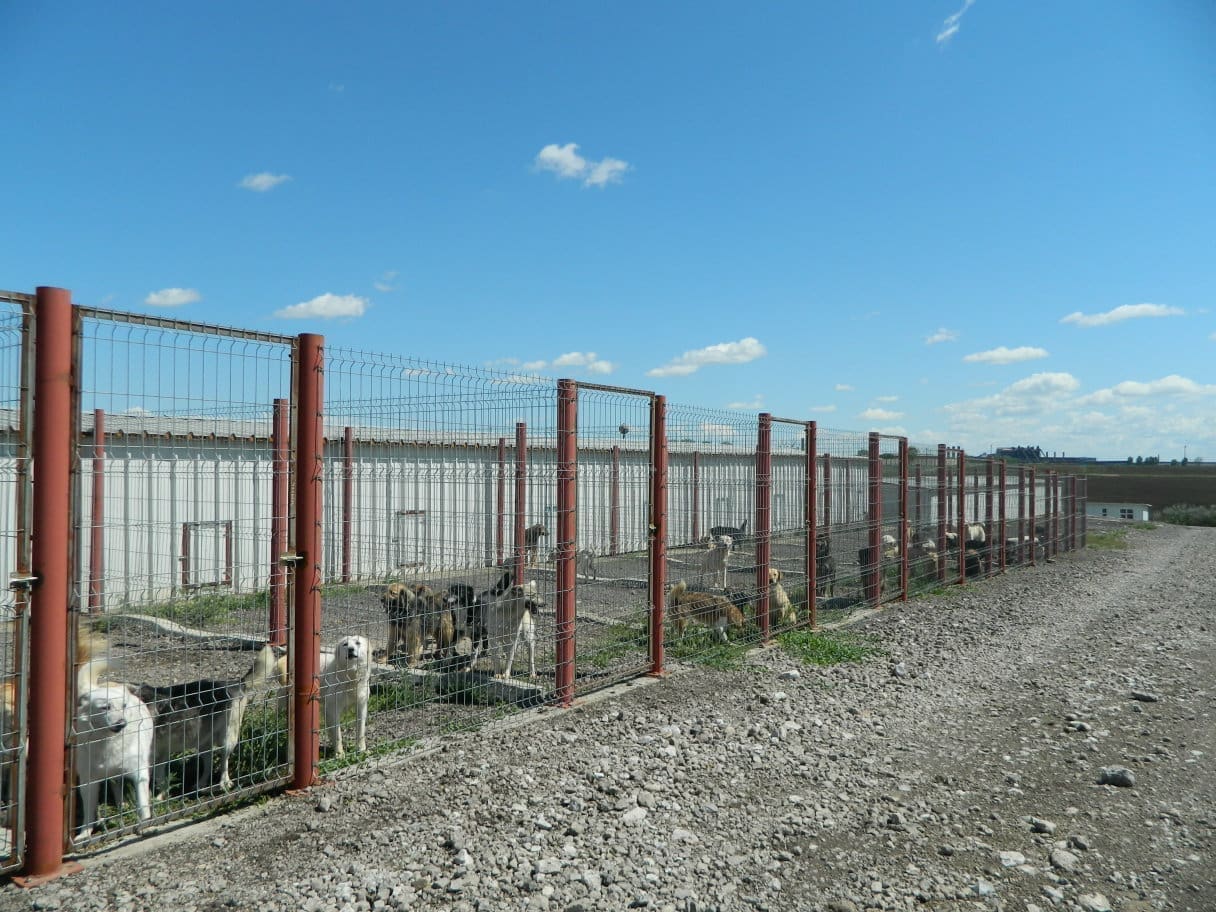
While a private shelter relies on donations and sponsorships for funding, volunteering your time is a valuable way to contribute. Without volunteers, we might have funds but lack the people to assist with the dogs. Larger shelters do have permanent staff handling administration and rescue efforts, but they still require significant help at the shelter itself.
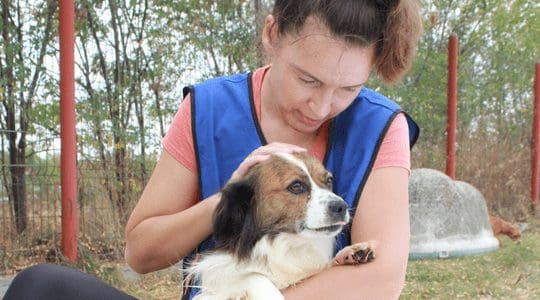
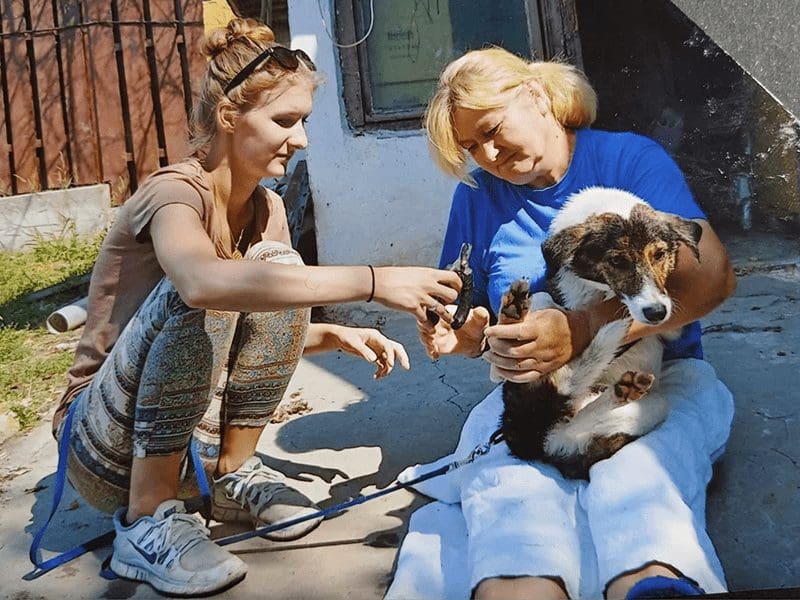
Caring for living creatures requires daily maintenance tasks that cannot be skipped. Volunteers play a vital role by helping to feed, clean, walk, and socialize the dogs, all essential parts of animal care.
If a capable and dedicated person handles these aspects, the rescue team can go on calls or patrols more frequently, allowing the administration team to focus on securing additional funds.
If you’re unable to perform physical work, assistance is still valuable, including administrative tasks. Those who cannot come in to help with maintenance can support other aspects of running the shelter.
Fundraising takes time, and shelters constantly need innovative ideas to generate funds. You might contribute by identifying potential sponsors, figuring out the best ways to contact them, assisting with presentation materials, handling follow-ups, and supporting the preparation of necessary documents.
The good news is that volunteering accommodates any skill level and learning willingness. If you have accounting skills or legal knowledge, you can assist with writing or event planning. There’s always enough work to contribute to the organization’s growth and help more animals.
Volunteering is also an excellent way to learn new skills or observe how things are done. You can shadow experienced individuals and assist with tasks, similar to an internship, but focused on a social purpose.


The most crucial aspect of volunteering
As you gain experience and information from this, the organization should also receive steady and reliable support. If you choose to volunteer and are willing to challenge yourself by stepping outside your comfort zone, that’s fantastic! That’s how personal growth happens. Otherwise, everyone contributes in whatever way they can.
To ensure your contribution is valuable to the organization, maintain consistency in your efforts. Since people adhere to schedules, volunteer work should be regarded as a resource that needs to be planned for.
If you commit to feeding the dogs at a specific time, your team can plan other tasks accordingly. Missing that scheduled time might result in the dogs going hungry or someone else having to handle your responsibilities alongside their own. Over time, consistently offering to help but then failing to show up can create more issues, and the times you fulfill your commitments do not compensate for the times you do not.
Be consistent by offering fewer commitments you can reliably fulfill, rather than making promises you might not meet on time.
Preparing to volunteer
We are happy to welcome you if you look forward to working with animals. Here are some important things to remember before your arrival.
Restrictions
While volunteers can participate in most shelter activities, certain tasks require trained professionals. Specifically, only permanent, properly trained staff are authorized to operate machinery when needed, and only staff specifically hired for particular roles can approve work-related issues.
Be prepared to learn the organization’s structure and the types of activities you can do alongside some of the permanent staff.
Training, health, and safety rules
Working with animals requires caution with dogs needing special care. If staff advise against approaching a shelter animal, it’s best to follow these instructions.
There is also training on animal care and, in exceptional cases, on staying safe and healthy while interacting with numerous animals.
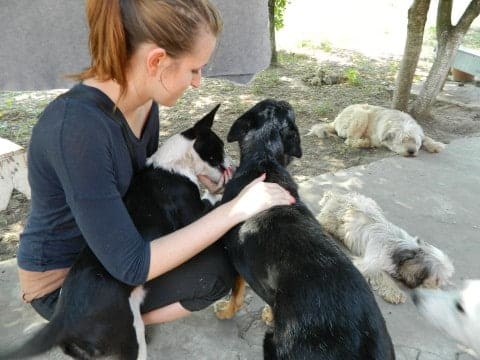
Emotional aspects
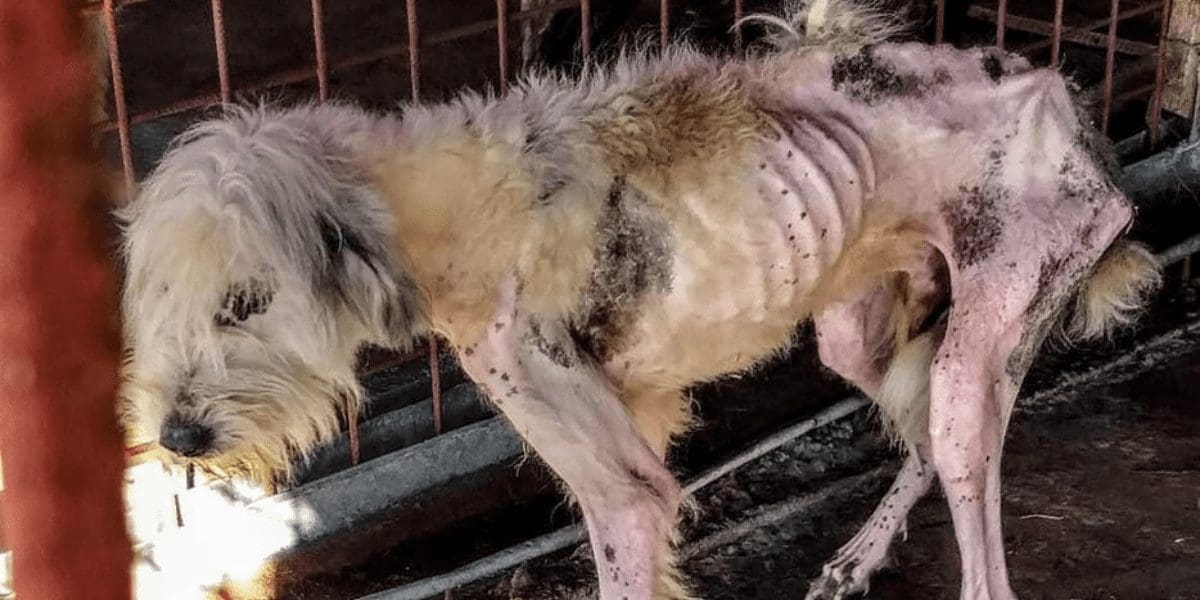
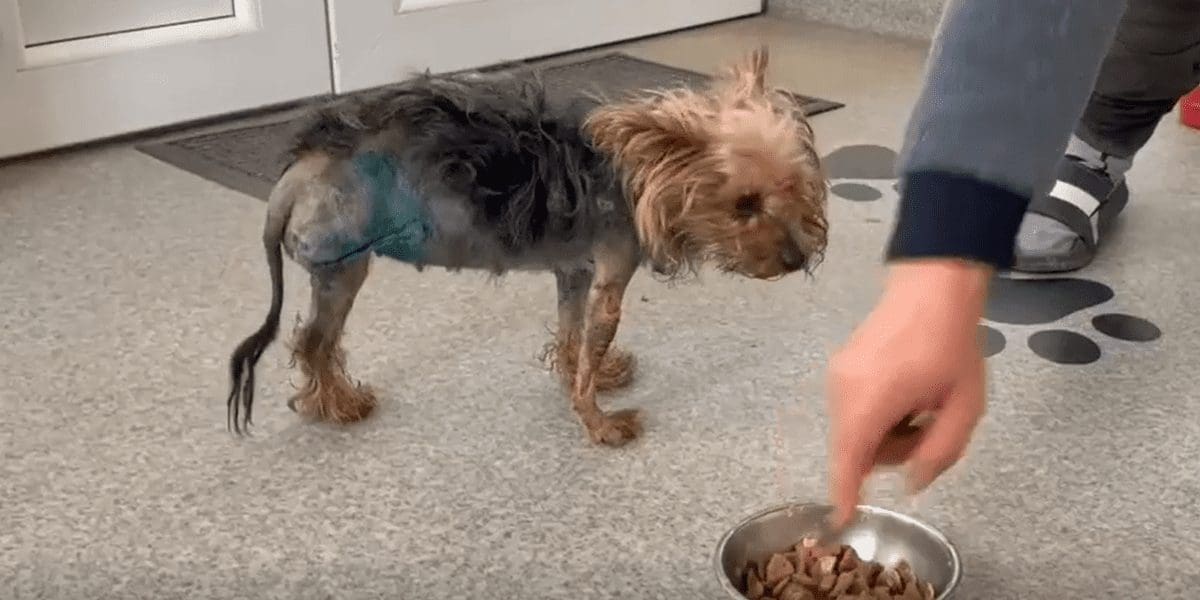
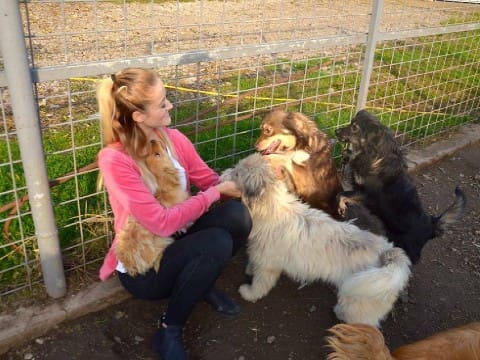
The dogs in our shelter are well cared for, but they often arrive on less than their best days. As a volunteer, you’ll encounter the tough realities of animal abandonment and abuse.
Although witnessing this can be difficult, we always remember that our actions after the rescue are what truly change the animal’s situation. Grieving and losing composure will not help.
Therefore, while respecting others’ emotions, we advise acting at the right moment by setting aside rage and outrage. After the dog feels safe in our shelter, we can work through trauma bonding and begin planning for adoption.
Volunteering is an excellent teaching opportunity.
This article aims to demonstrate how much your work can assist us. Volunteers also gain benefits from this experience, such as learning the importance of consistency and follow-through, working with reliable people, and in some cases, developing practical skills that they can use later.
We strongly encourage anyone to volunteer, mainly in places where they want to make a real difference. It will change you as an individual and the world you live in.
Support the ROLDA Rescue Team and make every rescue possible!
Do you want to hear more news about our stories?
Related content
How Adoption Stories Inspire More People to Help Animals in Need
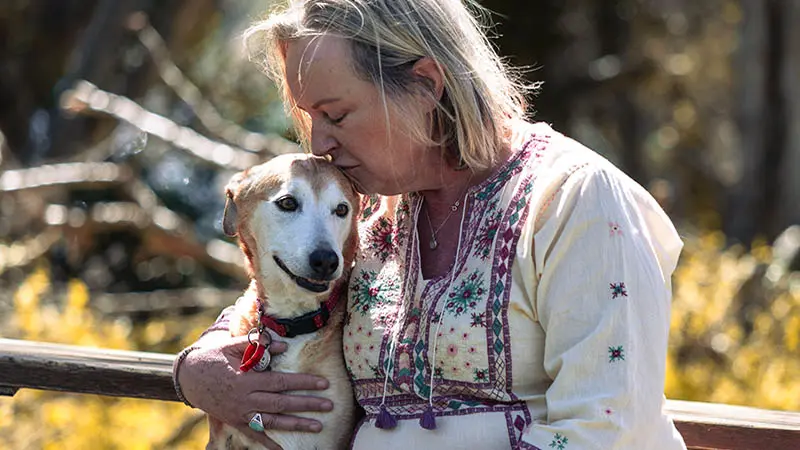
One of our favorite online trends is the posting of pictures with happy dogs and their new families, with those big ‘ADOPTED’ signs! And it’s hard not to share in the enthusiasm. The adoptive family took their time setting things up; they got the floof ready, bathed, brushed, and smelling like a million bucks. And ... A Guide to Volunteering at Your Local Dog Shelter
How Sponsoring a Shelter Dog Can Change a Life Before Adoption
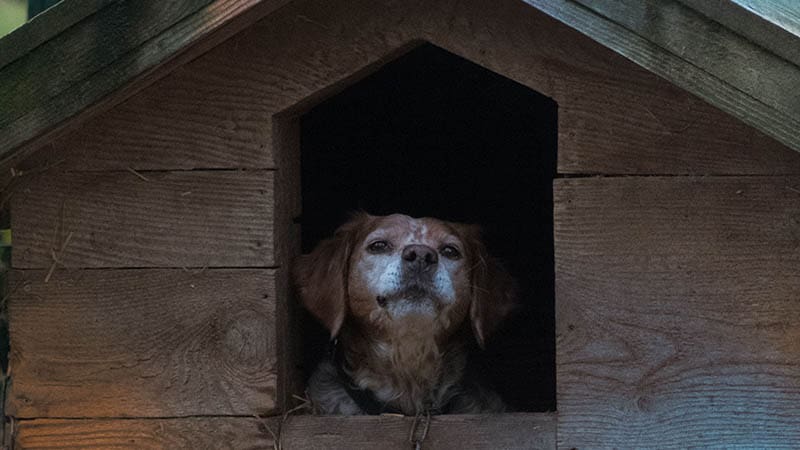
Adopting a shelter dog is the most beautiful act of kindness people could ever do in their lives. It is a gesture in which they take in a soul that was once abandoned and give it a home and a purpose. And then, they get to watch it thrive, and their lives grow richer and ... A Guide to Volunteering at Your Local Dog Shelter
Supporting Rescue Dogs Through Donations When Adoption Is Not an Option
And as the rescue van took the suffering dog away, the people in town sighed with relief, thinking the poor soul was now safe and off to live a better life. The End Cute, but wrong! As an organization dedicated to bettering the lives of dogs and animals in general, ROLDA’s mission is to get ... A Guide to Volunteering at Your Local Dog Shelter
Why Regular Donations Are Essential for Keeping Rescue Shelters Running
What do you think is the most expensive part of running a dog shelter? Some people might think it’s the dramatic animal rescue missions. Others might say it’s the complicated medical procedures needed to put the poor animals back together or even the latest recovery and rehabilitation therapies. Both groups are wrong. The most expensive ... A Guide to Volunteering at Your Local Dog Shelter

The Life-Changing Impact of Dog Adoption on Both Pets and Their New Families
Who benefits more from a shelter adoption? The dog that has just received a chance at the perfect life in a loving home with a caring family? Or the family that has just become whole with the addition of the cutest, most loyal, and most lovable member? Both sides will. It’s a win-win type of ... A Guide to Volunteering at Your Local Dog Shelter