non-US support +44 (0)161 531 8801

















A Day in the Life of a Volunteer at a Dog Rescue Shelter
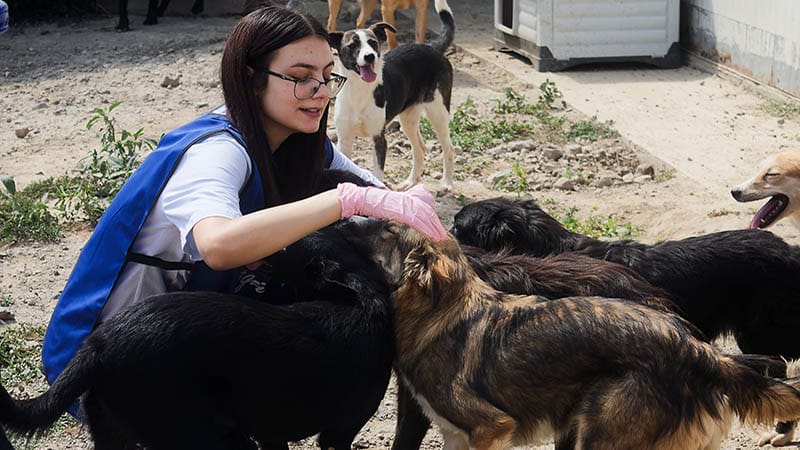
Being a shelter dog volunteer typically involves spending the day with adorable rescue dogs, playing, petting, giving treats, and taking walks. This is the usual perception of the role.
Well, in all fairness, it is about these things, but also about so much more.
Being a dog shelter volunteer is about consistency and being dependable. Volunteers are a valuable resource for the shelter’s permanent staff, and their time is factored in just like every other resource we have at our disposal.
How Volunteer Work Is Divided
Everybody is good at something, and keeping that in mind is what gives us the best results when working with people. This is especially true when dealing with people who give us their time voluntarily.
And when dealing with complex operations like ours, help is needed in every department. Some people are great with dogs; others are great at management, organizing tasks, fundraising, or social media to raise awareness of the amazing work we do.
To maximize what you can get from every volunteer – as we do with every other resource – it’s important to adopt a two-tier approach to volunteering.
First tier – what the person excels at and feels most at ease doing at the shelter. This includes activities performed effortlessly, without stress, effort, or difficulty.
For instance, if we have an introverted person who is perfectly comfortable doing manual labor in feeding the dogs and keeping the kennels clean, it would probably be a bad idea to have that person call up potential donors and discuss fundraising if that would be something they felt they were not good at. Or even something they hated. Imagine them having to do videos for social media when they are camera-shy.
Likewise, if you have an extroverted person who is great at social media, it would be a shame not to use those talents for promotion work and instead ask that person to handle logistics.
Second tier – what the person would like to work on and gain experience in. Some people might be aware of their shortcomings and limitations and see volunteering as an opportunity to overcome them.
The best way to work with these situations is to have each volunteer say what they are good at, what they already feel they can contribute, and what they can work on while helping us out.
One limitation of this approach would be that we might get too many volunteers with the same talents and abilities, and almost none for the other tasks we need help with. But with communication and an open mind, we can overcome these obstacles.
Let’s look at some of the things volunteers do at ROLDA.
Preparation and Updates
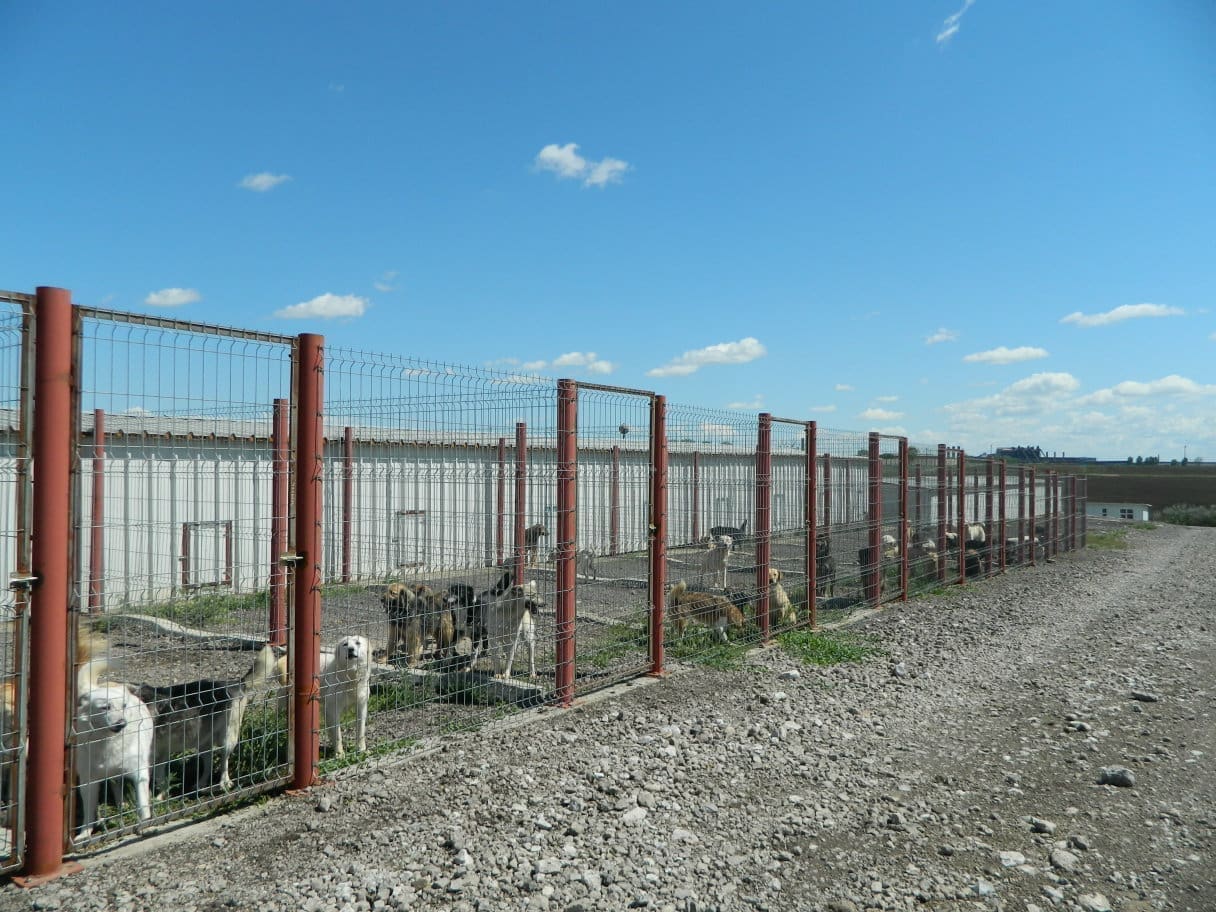
We take care of 700 dogs, and sometimes even keeping track of what has already been checked off a list and what is still needed for each of them is a task in itself. Updates are very important, especially for the residents who are on medication or are undergoing rehabilitation.
Learning about new arrivals, updating existing records, checking up on dogs in foster care or dogs kept at veterinary clinics for medical surveillance, checking in on adopted dogs and their new owners, going over specific instructions for all residents, and making sure that all needs are met and that all medical recommendations are respected — the completion of these requires attention to detail and good organizational skills, the ability to check lists, and the assurance that no item is left unchecked.
On the surface, it may seem like a series of repetitive tasks. In reality, each case must be treated as a separate case and handled with attention, not as a group. Missing one dose of medication, one check-up, one walk, or anything in an animal’s rehabilitation process can set the whole thing back, costing the shelter resources and the animal valuable time.
Physical Tasks
We need people physically present at the shelter. Here is where they’ll witness the less glamorous part of animal rescue, and the real thing when it comes to animal care. These tasks include preparing each resident’s food according to the veterinarian’s recommendations. Adult dogs have one diet, and puppies and seniors have another. Dogs with medical conditions or recovering from surgery have other dietary needs. The person handling the food needs to make sure they match all residents with the right food.
Keeping water bowls full of fresh and clean water is another full-time job. Dogs slurp, get drool and fur in their water, step in their bowls, or even spill them by mistake. You cannot simply assume they have drinking water available all day. This is something volunteers need to check periodically.
Cleaning the kennels and dog beds is crucial. A tidy shelter encourages potential adopters to bring our dogs home, but it’s also essential for our dogs’ well-being. A clean living space ensures a healthy, thriving environment for them.
Socializing With the Dogs
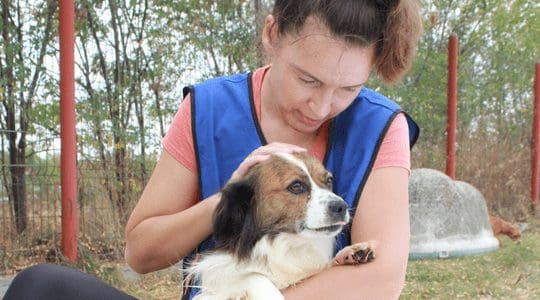
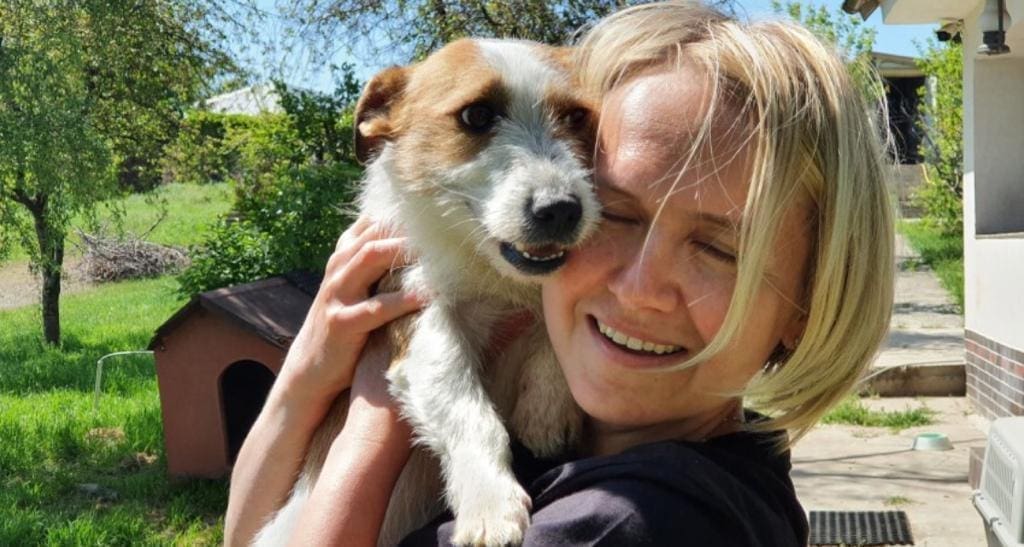
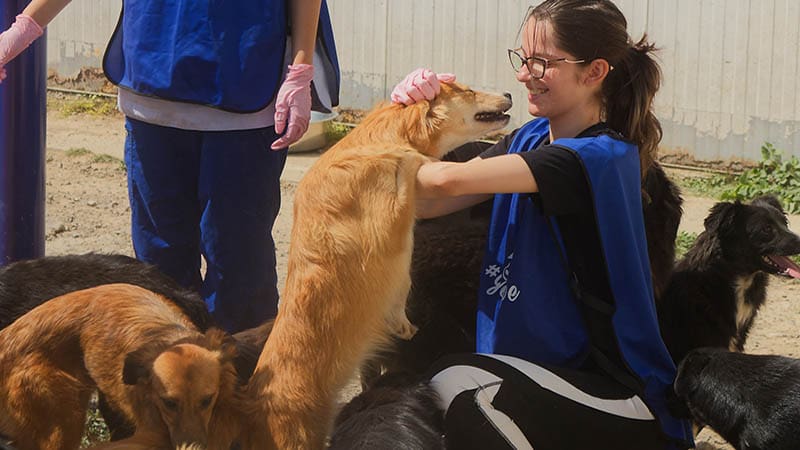
Now this really is the fun part! As mentioned at the beginning, volunteering at a dog shelter is not only about playing with cute and lovable rescue dogs. But this is certainly one of the most rewarding aspects of volunteering.
This is where all our volunteers shine, and it’s something we rely on heavily. In the small moments of tenderness and care, even the most traumatized dogs start to regain their trust in people. You might also be surprised by how little it sometimes takes – like a loving stroke of a dog’s head, showing up and playing with the same dog every day, giving a scared dog time to come out and meet a kind hand on their own terms.
All of this is possible thanks to the incredible time our volunteers dedicate. Tenderness cannot be purchased in large quantities.
Routine Setting
Training stray dogs to coexist with people is most effective before they are placed with a family. Friendly and well-behaved dogs are more likely to find a permanent home.
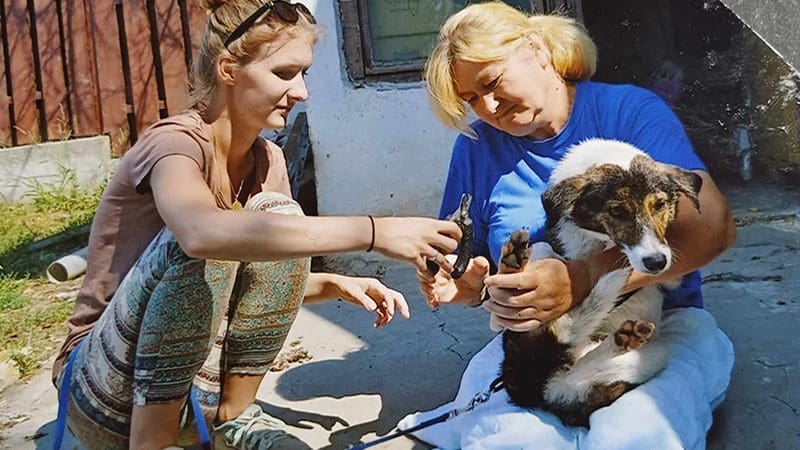
To achieve this, a consistent routine for the dogs must be established. This involves walking, gentle play, basic training to facilitate initial human-dog interactions, and socializing with as many humans as the dog’s condition allows. The goal is to make the dog as functional as possible within a typical family environment.
Administrative and Promotional Work
Apart from work with animals, administrative volunteer work is just as important. We have mentioned organizational tasks at the beginning. But some aspects need someone to see the bigger picture.
We rescue dogs to get them into families. For this to happen, we must look and think beyond the functional aspects of the rescue. We love every one of our dogs, but we must also present them as lovable and adoptable to people who do not share our ability to see them as we do.
This requires effort, such as grooming and creating social media content that fosters emotional connections with our dogs. Some individuals naturally have a knack for making things look appealing online. Additionally, building a dedicated online audience takes time.
Consistency and perseverance go a long way in these adoption campaigns. Framing their stories just right, choosing and making the right photos, knowing exactly which groups of internet users to target, when, what, and how to post, are just some of the things that make adoption possible.
What People Get Out of Volunteer Work
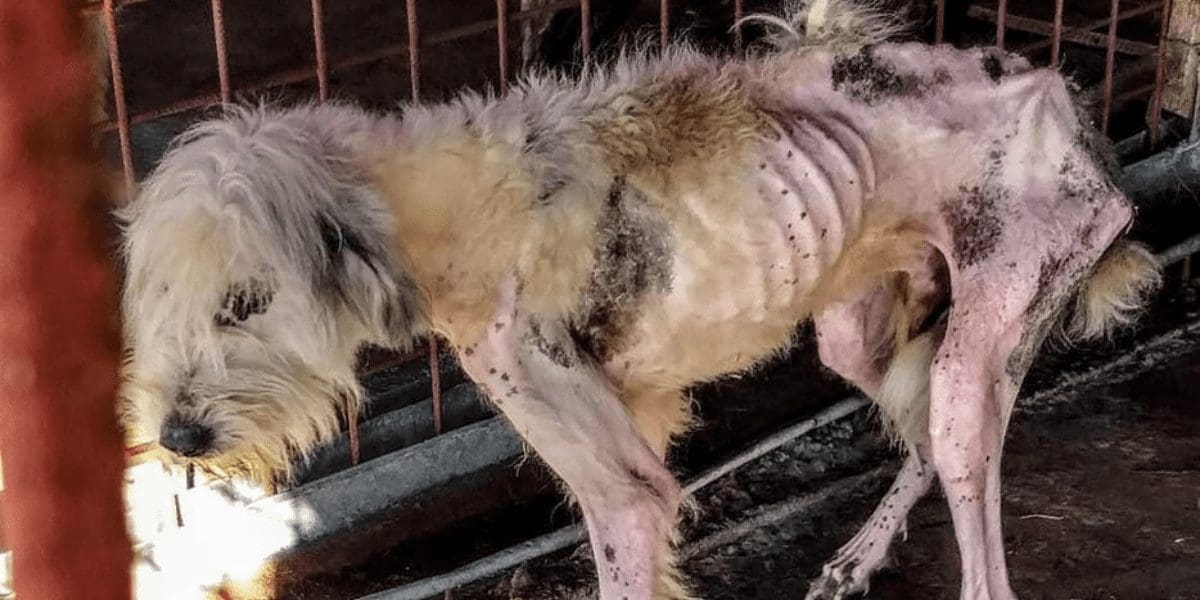
Volunteer work is emotionally rewarding, just as much as it is taxing. You cannot be invested in our residents and remain unmoved by the condition in which some of them arrive, or by how much they struggle to recover and trust people again. Nor at how much they struggle to come back to life and trust people again. No caring human being could remain unmoved by the sight of them.
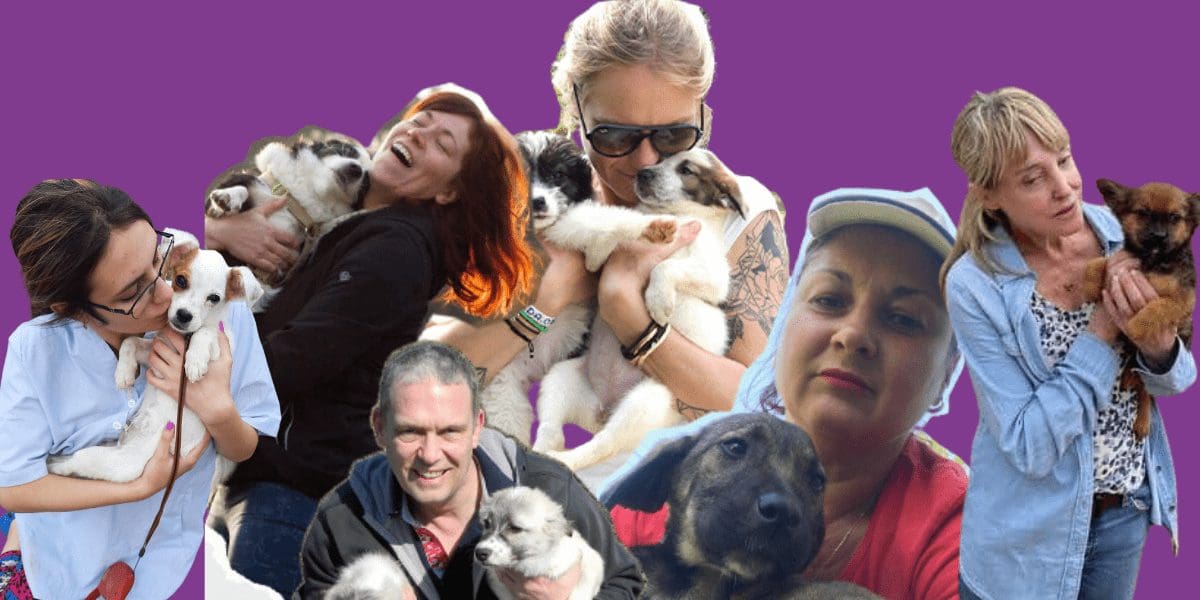
Yet, getting to be part of the process that makes things right by them, getting to heal and nurture them, makes our volunteers feel like they are making a big change. Getting to see dogs come in broken and leave to live happy lives with their new, responsible owners gives us all a sense of accomplishment. And we are not stingy on having everyone share in the success of any adoption.
Volunteer work builds character, makes people more resilient, teaches new skills, and shows people how much good they can do simply by doing what they love most. It may even change the way they see the world.
Do you want to hear more news about our stories?
Related content
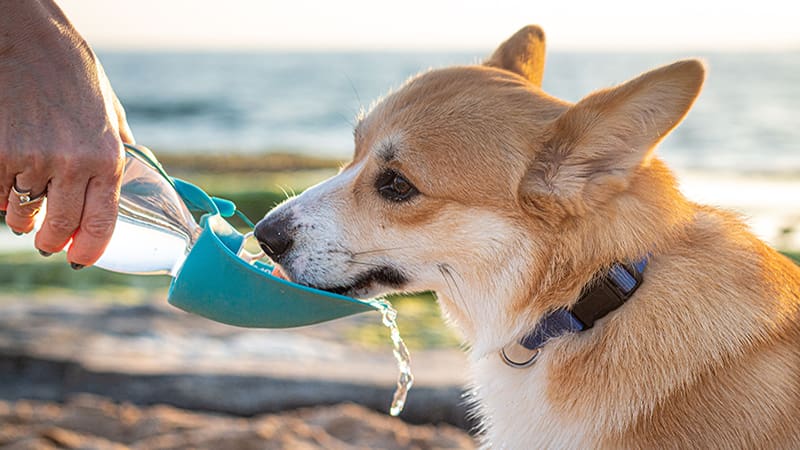
Why Is My Dog Drinking So Much Water? When Thirst Becomes a Warning Sign
‘Didn’t I just fill your water bowl?’ This is how it starts: you notice your dog’s water bowl is often empty. Like any responsible dog owner, you start to wonder whether your dog is drinking more water than usual and whether this should concern you. Before jumping to conclusions, know that there are many reasons ... A Day in the Life of a Volunteer at a Dog Rescue Shelter
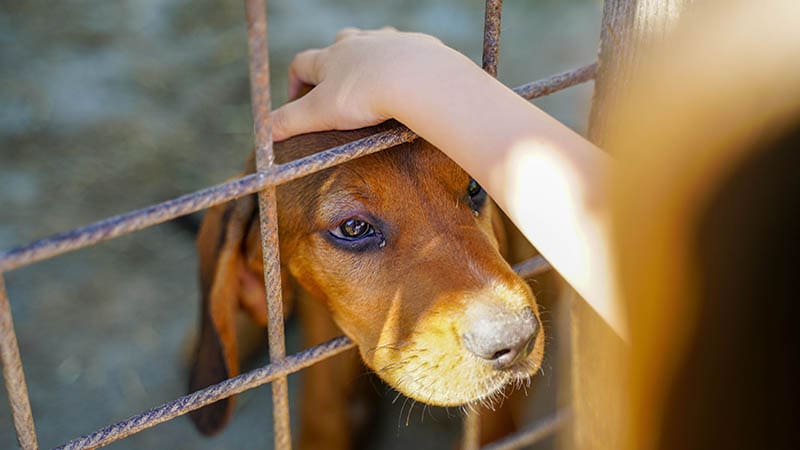
Why Legacy Donations Can Create a Brighter Future for Shelter Dogs
Every donation we receive is an act of compassion toward our dogs. We are grateful for each one and for every person who wants to help us change the story for thousands of dogs. And if donating makes you feel happy for having contributed and become part of the story, know that there is a ... A Day in the Life of a Volunteer at a Dog Rescue Shelter
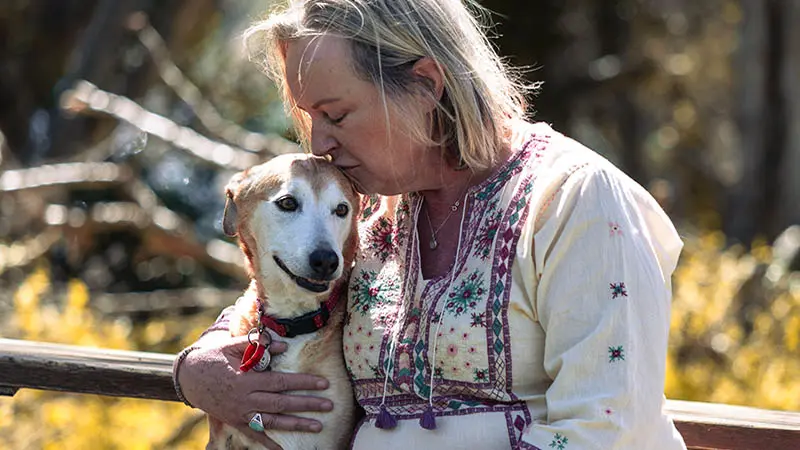
How Adoption Stories Inspire More People to Help Animals in Need
One of our favorite online trends is the posting of pictures with happy dogs and their new families, with those big ‘ADOPTED’ signs! And it’s hard not to share in the enthusiasm. The adoptive family took their time setting things up; they got the floof ready, bathed, brushed, and smelling like a million bucks. And ... A Day in the Life of a Volunteer at a Dog Rescue Shelter
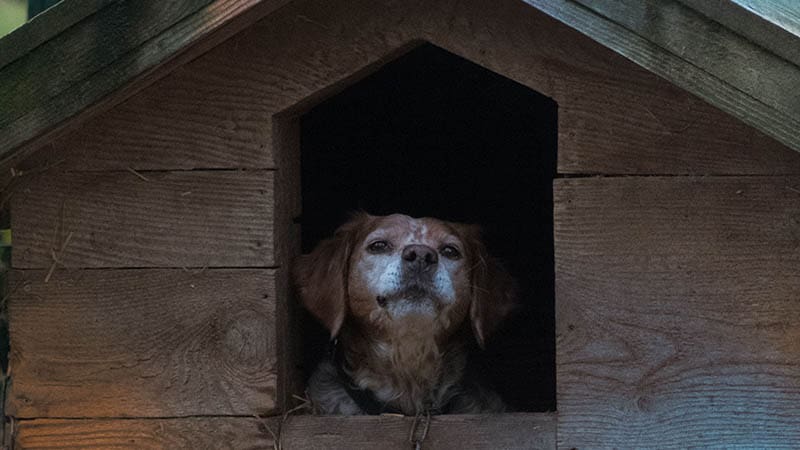
How Sponsoring a Shelter Dog Can Change a Life Before Adoption
Adopting a shelter dog is the most beautiful act of kindness people could ever do in their lives. It is a gesture in which they take in a soul that was once abandoned and give it a home and a purpose. And then, they get to watch it thrive, and their lives grow richer and ... A Day in the Life of a Volunteer at a Dog Rescue Shelter
Supporting Rescue Dogs Through Donations When Adoption Is Not an Option
And as the rescue van took the suffering dog away, the people in town sighed with relief, thinking the poor soul was now safe and off to live a better life. The End Cute, but wrong! As an organization dedicated to bettering the lives of dogs and animals in general, ROLDA’s mission is to get ... A Day in the Life of a Volunteer at a Dog Rescue Shelter