non-US support +44 (0)161 531 8801
























Interview with Dr. Marc Bekoff: Exploring Compassionate Conservation and Animal Emotions
This article contains several key highlights of the interview. For the full interview, watch the entire podcast!
Introduction:
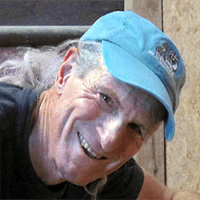
Today, we are honored to introduce Dr. Marc Bekoff, Professor Emeritus of Ecology and Evolutionary Biology at the University of Colorado.
Interview
Alexander: Welcome, Dr. Bekoff. It’s a pleasure to have you here.
Dr. Bekoff: Thank you for having me. It’s a pleasure to be here.
Alexander: Your work has been pivotal in expanding our understanding of animal emotions. Could you share a moment in your research that profoundly changed your perspective on animal consciousness?
Dr. Bekoff: There have been many moments, but one that stands out is from my childhood. Growing up in Brooklyn, I used to talk to all the dogs, cats, birds, and ants. I asked my parents what these animals were thinking and feeling, and they never laughed at me. They always encouraged my curiosity. This early experience guided me into a lifelong career of studying and caring for animals.
Alexander: It sounds like you had a supportive upbringing. How did your parents influence your perspective on animals?
Dr. Bekoff: Yes, my parents were very open-minded. My mother was empathetic, and my father was optimistic. They always told me I could do anything I wanted. This supportive environment allowed me to pursue my passion for understanding and caring for animals.
Alexander: Let’s talk about compassionate conservation. For our listeners who may be new to this concept, how would you define it, and why is it essential in today’s conservation efforts?
Dr. Bekoff: Compassionate conservation developed from the realization that when we step into the lives of wild animals, we are intruders. Traditional conservation often involves harming animals to study them. Compassionate conservation focuses on non-invasive methods, respecting the intrinsic value of every individual animal. The foundational tenets are “first do no harm” and recognizing that the lives of every individual matter.
Alexander: That’s a profound shift from traditional conservation methods. Can you share more about the practical applications of compassionate conservation?
Dr. Bekoff: It involves studying animals in non-invasive ways, avoiding trapping or marking them in harmful ways. This approach ensures that the data we collect are representative of their natural behaviors. In 2010, we held the first international conference on compassionate conservation at the University of Oxford, establishing these principles as foundational to the field.
Alexander: Throughout your career, have there been any particular animal encounters that reinforced or challenged your theories on animal emotions and ethics?
Dr. Bekoff: One memorable experience was studying coyotes in Grand Teton National Park. A female coyote disappeared, and we observed palpable changes in her family’s behavior, indicating they were grieving her absence. This and other observations of animal play and social interactions have shown that animals have rich emotional lives.
Alexander: Your collaborations with Jane Goodall and others have yielded rich discussions and progress. What has been the most surprising or enlightening aspect of working alongside such figures?
Dr. Bekoff: The commitment and relentless work ethic of individuals like Jane Goodall are always inspiring. They are highly motivated to improve the lives of animals and are constantly working to make a positive impact.
Alexander: As our conversation comes to a close, what is the one thought or message you’d like our listeners to pause and reflect on after today’s episode?
Dr. Bekoff: Realize that every individual can make a positive difference in human-animal interactions. Find something you are passionate about and pursue it with determination. Each of us can contribute to a better world for animals and the environment.
Alexander: It sounds like you had a good start growing up with a big heart. Let’s talk about compassionate conservation. For our listeners who may be new to this concept, how would you define it, and why is it essential in today’s conservation efforts?
Dr. Bekoff: Compassionate conservation really developed out of my work and the work of a few others, especially doing field research on animal behavior, behavioral ecology, and social ecology. By realizing that when you step into the life of wild animals, you’re really an intruder, you’re a trespasser. The first thing at a very general level is just being there can change their behavior. But when you start mucking around with them, trapping them, and marking them, especially using inhumane or harmful techniques, you’re not only harming the individual, but you’re studying stressed animals. The data you collect may not be representative of who these animals really are. In 2010, the inaugural conference on compassionate conservation was held at the University of Oxford, and the foundational directives are “first do no harm” and the lives of every individual matter.
Alexander: Would you say that compassionate conservation focuses more on the well-being of individual animals rather than just populations or species as a whole?
Dr. Bekoff: Yes, absolutely. Traditional conservation often plays the numbers game, but compassionate conservation emphasizes the well-being of every single individual. It’s not about how many animals are in a population, but about the quality of life for each animal. The goal is to ensure that animals live safe, pain-free lives.
Alexander: That’s a significant shift. Have you seen any pushback or criticism of compassionate conservation?
Dr. Bekoff: Yes, there are critics who argue that compassionate conservation doesn’t prioritize biodiversity or ecosystem health. However, this is a misconception. Compassionate conservation is deeply concerned with these issues but approaches them through the lens of individual animal welfare. The idea that you have to harm or kill some animals to save others is fundamentally flawed and ethically questionable.
Alexander: That’s very insightful. As we wrap up, what do you hope listeners take away from this conversation about compassionate conservation and the emotional lives of animals?
Dr. Bekoff: I hope listeners understand that each individual animal’s life matters and that we can study and conserve animals without causing them harm. Every person can make a positive difference by being mindful of the impact their actions have on animals and by advocating for humane treatment in all aspects of life.
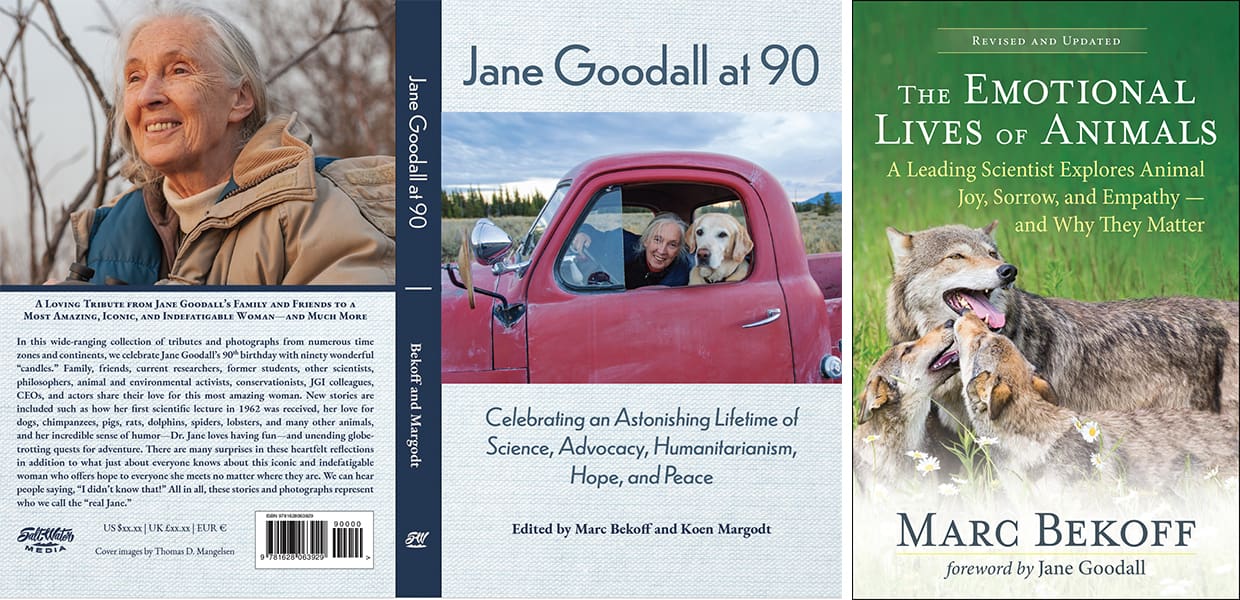
Alexander: Thank you so much, Dr. Bekoff, for sharing your invaluable insights and experiences with us today. Your dedication to compassionate conservation and understanding animal emotions is truly inspiring. For our listeners, you can find more about Dr. Bekoff’s work on his homepage, marcbekoff.com, and check out his latest books, The Emotional Lives of Animals and the collaborative work celebrating Dr. Jane Goodall’s 90th birthday, 90 Candles. We hope today’s discussion has provided you with a deeper understanding of the importance of compassionate conservation and the profound emotional lives of animals. Remember, each of us has the power to make a difference. Thank you for joining us, and we look forward to continuing this journey together.
About the Guest Speaker
A professor emeritus of Ecology and Evolutionary Biology at the University of Colorado, Boulder, Marc has published 31 books (or 41, depending on how you count multi-volume encyclopedias). He has won many awards for his research on animal behavior, animal emotions (cognitive ethology), compassionate conservation, and animal protection, has worked closely with Jane Goodall as co-chair of the ethics committee of the Jane Goodall Institute, and is a former Guggenheim Fellow. He also works closely with inmates at the Boulder County Jail. In June 2022, Marc was recognized as a Hero by the Academy of Dog Trainers. His books include The Animals’ Agenda: Freedom, Compassion, and Coexistence in the Human Age, Canine Confidential: Why Dogs Do What They Do, Unleashing Your Dog: A Field Guide to Giving Your Canine Companion the Best Life Possible, and A Dog’s World: Imagining the Lives of Dogs in a World Without Humans. Marc’s latest books are Dogs Demystified: An A to Z Guide to All Things Canine, the second edition of The Emotional Lives of Animals: A Leading Scientist Explores Animal Joy, Sorrow, and Empathy―and Why They Matter, and Jane Goodall at 90: Celebrating an Astonishing Lifetime of Science, Advocacy, Humanitarianism, Hope, and Peace. Many of his books can be seen here.) He also publishes regularly for Psychology Today. His homepage is marcbekoff.com. In 1986, Marc won the Master’s Tour du Haut, aka the age-graded Tour de France.
About the Host
Alexander Taylor Clayton is the dedicated host of “Paws & Reflect,” a podcast that delves into the deep connections between humans and animals. With a background in anthropology and environmental sustainability, Alexander is passionate about animal welfare and advocating for a better world. Their commitment to making a positive impact shines through in each episode, as they bring insightful conversations with experts and activists to the forefront. Alexander’s goal is to inspire listeners to reflect on their relationship with animals and the natural world, fostering a culture of empathy and action.
ROLDA Information
ROLDA, the Romanian League in Defense of Animals, is a leading animal welfare organization dedicated to rescuing and protecting animals in Romania. Their mission is to provide immediate aid through rescue and rehabilitation while also implementing long-term solutions to prevent animal suffering. ROLDA’s initiatives include spay/neuter campaigns, building modern sanctuaries, and community education programs. By addressing the root causes of animal homelessness and neglect, ROLDA is creating a sustainable and compassionate future for animals and communities alike. To support ROLDA’s vital work, visit ROLDA’s website and consider donating at ROLDA’s donation page.
Subscribe to Paws & Reflect
to stay connected with our community of compassionate listeners and contribute to our ongoing conversation about the importance of safeguarding all living beings and the planet we share.
You can unsubscribe from our newsletter at any time. See Privacy Policy
Subscribe podcast Paws&Reflect
Related content
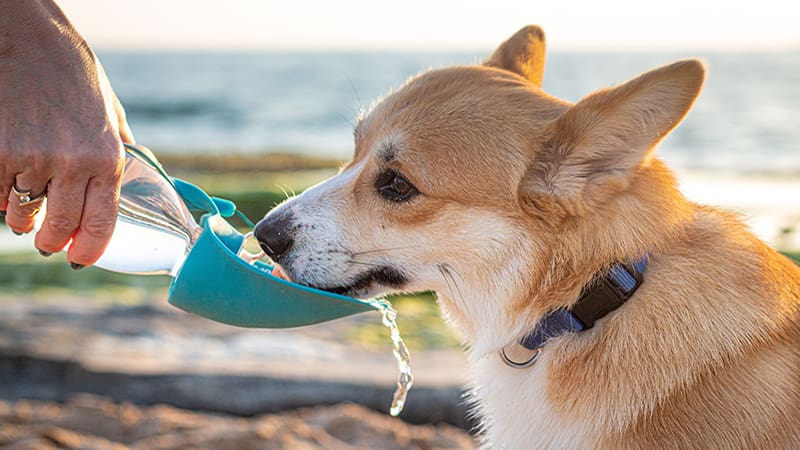
Why Is My Dog Drinking So Much Water? When Thirst Becomes a Warning Sign
‘Didn’t I just fill your water bowl?’ This is how it starts: you notice your dog’s water bowl is often empty. Like any responsible dog owner, you start to wonder whether your dog is drinking more water than usual and whether this should concern you. Before jumping to conclusions, know that there are many reasons ... Interview with Dr. Marc Bekoff: Exploring Compassionate Conservation and Animal Emotions
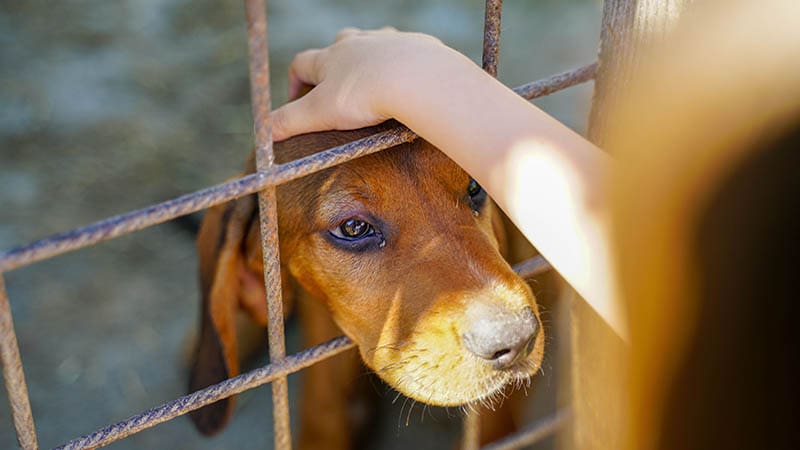
Why Legacy Donations Can Create a Brighter Future for Shelter Dogs
Every donation we receive is an act of compassion toward our dogs. We are grateful for each one and for every person who wants to help us change the story for thousands of dogs. And if donating makes you feel happy for having contributed and become part of the story, know that there is a ... Interview with Dr. Marc Bekoff: Exploring Compassionate Conservation and Animal Emotions
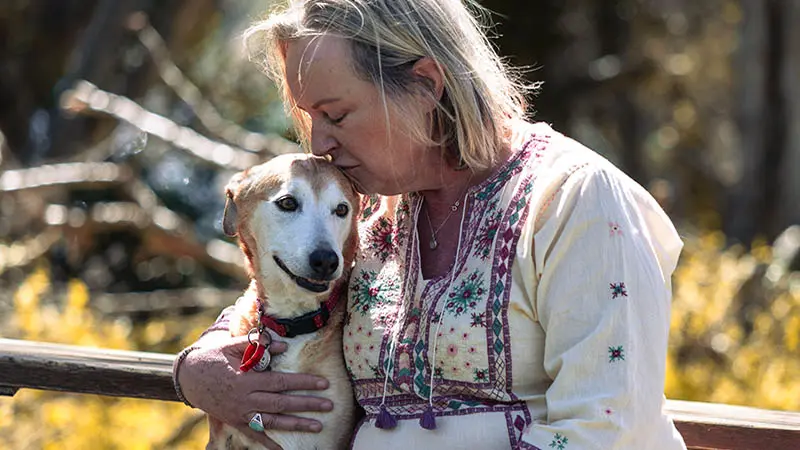
How Adoption Stories Inspire More People to Help Animals in Need
One of our favorite online trends is the posting of pictures with happy dogs and their new families, with those big ‘ADOPTED’ signs! And it’s hard not to share in the enthusiasm. The adoptive family took their time setting things up; they got the floof ready, bathed, brushed, and smelling like a million bucks. And ... Interview with Dr. Marc Bekoff: Exploring Compassionate Conservation and Animal Emotions
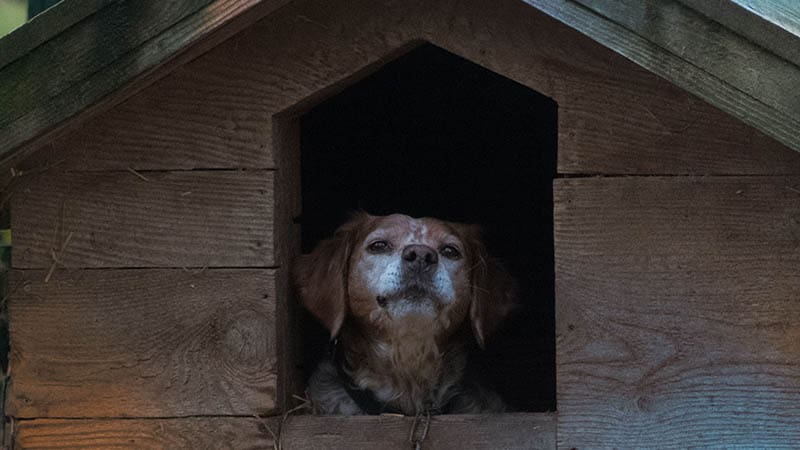
How Sponsoring a Shelter Dog Can Change a Life Before Adoption
Adopting a shelter dog is the most beautiful act of kindness people could ever do in their lives. It is a gesture in which they take in a soul that was once abandoned and give it a home and a purpose. And then, they get to watch it thrive, and their lives grow richer and ... Interview with Dr. Marc Bekoff: Exploring Compassionate Conservation and Animal Emotions
Supporting Rescue Dogs Through Donations When Adoption Is Not an Option
And as the rescue van took the suffering dog away, the people in town sighed with relief, thinking the poor soul was now safe and off to live a better life. The End Cute, but wrong! As an organization dedicated to bettering the lives of dogs and animals in general, ROLDA’s mission is to get ... Interview with Dr. Marc Bekoff: Exploring Compassionate Conservation and Animal Emotions