non-US support +44 (0)161 531 8801





















How to Help an Overweight Dog Lose Weight Safely
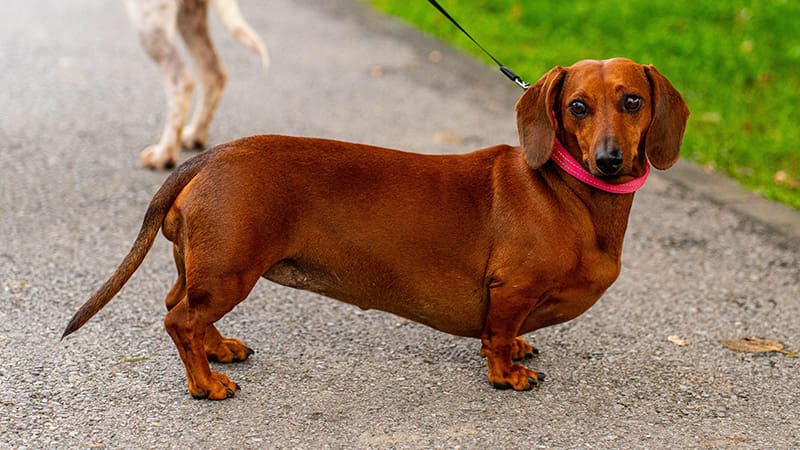
Did you know vets can tell how effective your dog’s ‘puppy eyes’ routine is just by looking at how chubby they get from one appointment to the next? Don’t feel bad! We know how hard it is to resist when they follow you to the treat cabinet.
Many dogs gain weight so gradually that owners often don’t notice until it becomes a problem. A little extra weight may seem harmless, but excess body fat can affect mobility and overall health. Any veterinarian will want to help your dog begin losing weight as soon as possible.
The good news is that small, gradual changes let you do what is right for your friend without leaving them hungry, tired, or confused by the sudden change.
How to Tell If Your Dog Is Overweight
A good veterinarian can usually tell whether your dog is overweight as soon as you walk in. Anyone working at a veterinary clinic knows what each breed typically looks like, what’s fluff and what’s fat, and which dogs could benefit from losing weight.
But if you cannot visit your vet’s office just yet and need to do an assessment at home, here are some things you can look for:
• Feel for the ribs. Move your hands along your dog’s sides. You should be able to feel their ribs. Some dogs’ ribs are more prominent, depending on breed standards.
• Look from the side. With most breeds, the abdomen should usually tuck up toward the hind legs.
• Look from above. You should be able to see a waist behind the ribs.
If you cannot see your dog’s waist from any angle and you feel extra fat padding when you touch their ribs, your dog might be overweight.
Start with a Visit to the Vet
Even if it’s very noticeable and you don’t need a vet to confirm it, you still need to discuss any weight-loss plan with a veterinarian. Drastic food reductions can lead to nutritional deficiencies, and forcing an overweight dog to exercise when they aren’t physically able to handle it is a very bad idea.
Your vet will review your dog’s current weight, compare it to notes from previous appointments, and determine how much they have gained over a specific period. Depending on your companion’s age, breed, and medical condition, the veterinarian will decide how much weight needs to be lost and how quickly.
Another important reason to visit the vet before starting is to see whether the weight change has already caused other problems. For instance, does your dog pant when walking around the house? Do they tire easily even on walks you used to take before without effort? Do you notice them avoiding putting weight on their paws or licking them excessively?
If things need to move faster, your vet will tell you how much your dog should eat. Keep in mind that although exercise may seem like the obvious answer, many dogs find it easier once they’ve lost some weight. So, be patient and consistent.
You will need to weigh everything your dog eats and may even have to return to the vet’s office in a week for a progress report.
If the situation isn’t drastic, you might be asked to keep a journal of everything your dog eats: what time of day, in what quantities, and yes, of course, including treats. For some dogs, treats alone are the main reason they gain weight.
Gentle Ways to Help Your Dog Lose Weight
Dogs might not understand why their food portions have decreased or why you have suddenly become stingy with the treats. Some will resort to begging, some to whining, and all will struggle to understand the sudden shift in how much food they are getting.
To make the process smoother and, most importantly, get the results you need, reduce portions gradually and, where possible, maintain meal volume by choosing an appropriate lower-calorie food.
Here are some gentle ways to help your dog lose weight.
Change Your Dog’s Food
There are several options here. The most accessible one for pet parents is to buy over-the-counter dog food brands advertised as low-calorie. However, you will need to check what they supplement their food with and whether it’s actually lower in calories than the brand you currently feed your dog; you might be surprised that some foods marketed as diet options aren’t that helpful for weight loss.
An even safer, though more costly, option is a therapeutic diet your vet prescribes. The advantage is that these foods are formulated to help overweight dogs lose weight while still meeting their nutritional needs.
Better diet food options are higher in protein and fiber, lower in fat, and higher in vitamins and minerals. This makes them the best option, and most likely the most expensive.
If a therapeutic diet is too expensive, talk to your vet before switching to regular food and reducing portions. Feeding less may leave your dog short on essential nutrients.
How to Change Your Dog’s Food
The safest way to get a dog to eat diet food is to introduce it gradually rather than switching suddenly. If your dog refuses to eat it, you’ll have few options.
Instead, allow time for the transition and start with small amounts. Once your dog starts eating the new food, begin by mixing 25% new food with 75% of the old food. After two or three days, mix the new and old food in equal proportions (50/50). After another two or three days, increase the proportion to 75% new food and 25% old food. Two or three days later, give them only the new food.
The steps are pretty clear, and depending on how much time you have and how your dog responds to the change, you can always increase or decrease the number of days between steps. If your dog likes the new food and seems eager to eat it, move between transition milestones more quickly. However, if your dog is more reluctant, give them more time to adjust. This new food might just be the only thing that helps them lose weight, so it’s best to help them accept it.
Measure Your Dog’s Food with a Kitchen Scale
Eyeballing it when you are helping your furry friend lose weight isn’t the right approach. Your vet might recommend reducing their food allowance by 10%, cutting back on treats, or tracking their daily calorie intake more carefully.
A calorie-controlled diet works only if you account for everything your dog eats. You might be surprised at how those harmless extra treats could tip the scales.
Limit Treats
For many dogs, treats and scraps from their owners’ plates are major contributors to weight gain. Even people who are diligent about how much food they serve their pets might overlook how much their dogs eat outside their normal meals.
This is why measuring absolutely everything is so important.
Exercise
Your vet will recommend an appropriate amount of exercise based on how much weight your dog needs to lose and their current health. If your dog pants during short walks or refuses to run or play, your vet may recommend starting with gentle activity. As their fitness improves, you may be able to add short walks or more gentle play.
Food-dispensing toys and puzzles can also encourage movement and provide mental stimulation while your dog eats.
Depending on your dog’s overall health, joint condition, and how many pounds they need to shed, your vet may recommend physical therapy.
Behavioral Changes
If begging is a major reason your dog has gained weight, you also need to change how you respond. Make practical changes, such as keeping your dog in another room during family meals if they tend to beg, and asking everyone in the household not to feed them scraps.
Helping your dog lose weight doesn’t have to mean strict diets, exhausting walks, or saying no to every treat forever. It’s about making small, consistent changes that fit your dog’s needs and gradually become part of your daily routine. Work with your vet, measure food portions carefully, keep treats in check, and find ways to make movement enjoyable. Most importantly, be patient. Every healthy step counts, and helping your dog reach a healthier weight is one of the best things you can do for their long-term well-being.
Do you want to hear more news about our stories?
You can unsubscribe from our newsletter at any time. See Privacy Policy
Subscribe footer org
Related content

How Much Sleep Does a Dog Need at Every Stage of Life?
Nobody sighs deeper than a dog that has just plopped down on the couch for their second nap of the afternoon. And once the jealousy wears off, you might genuinely wonder whether your dog is sleeping too much. You probably already know that dogs sleep more than humans. But how much is normal? To answer ... How to Help an Overweight Dog Lose Weight Safely
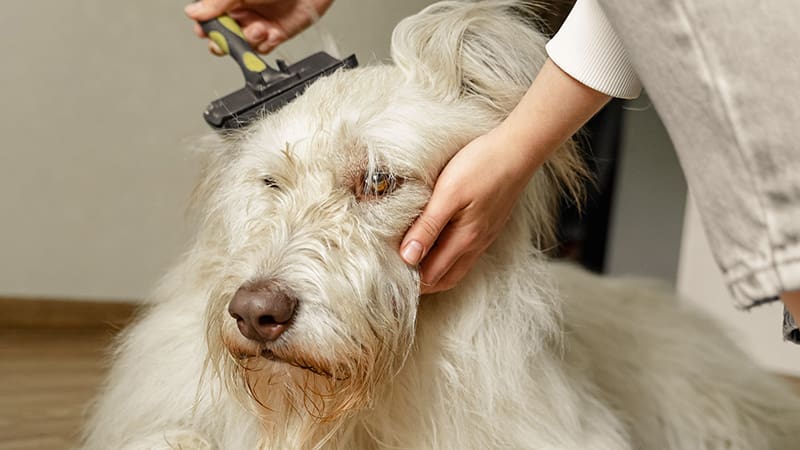
Why Is My Dog Shedding So Much? Understanding Normal and Excessive Hair Loss
Life with a dog = dog hair on your clothes + dog hair on the couch + dog hair on your bed + dog hair in your car. By now, dog hair is probably stuck to your soul. So, if shedding is normal for dogs, why is it such a concern for so many owners? ... How to Help an Overweight Dog Lose Weight Safely
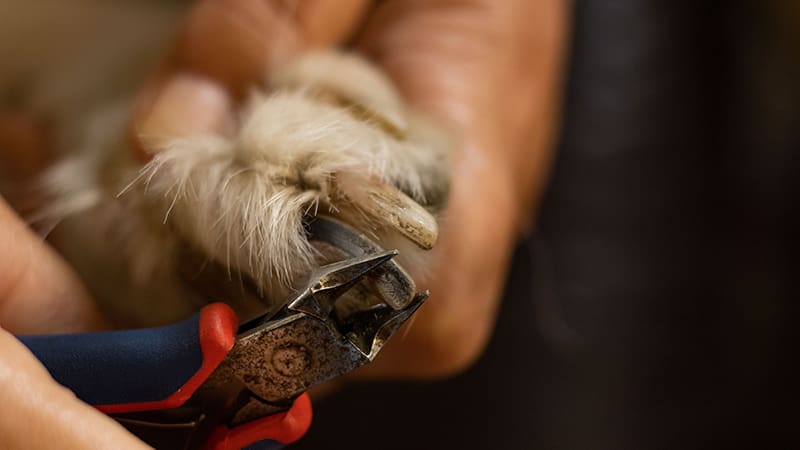
How to Trim Your Dog’s Nails Without Causing Stress or Injury
If you’ve never trimmed your dog’s nails before and you’re just starting this journey, congratulations! This is your chance to do things right from the start and avoid having a dog that gets traumatized and runs for cover every time those clippers come out. And if you’ve done your research, you’ve probably heard stories from ... How to Help an Overweight Dog Lose Weight Safely
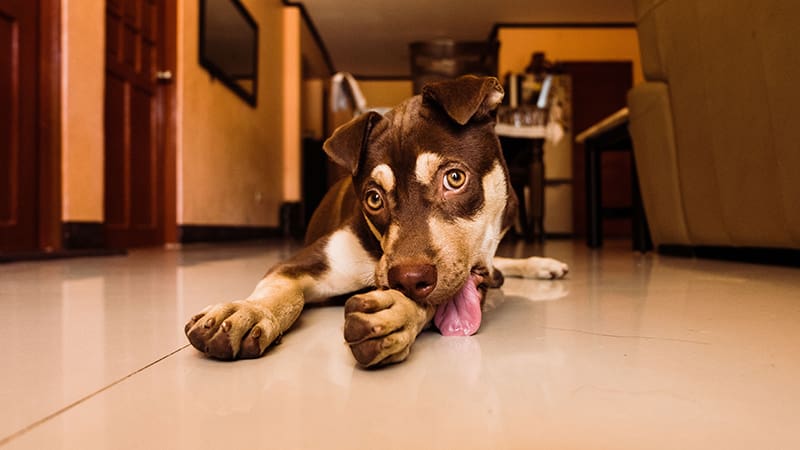
Why Does My Dog Lick Their Paws?
Common Causes Every Owner Should Know It’s a quiet evening at home, and everybody has found something to do before bedtime. Then you notice your dog focused on licking their paw. You know this is normal, and you’ve seen them do it a couple of times. But could it be happening a little too often? ... How to Help an Overweight Dog Lose Weight Safely
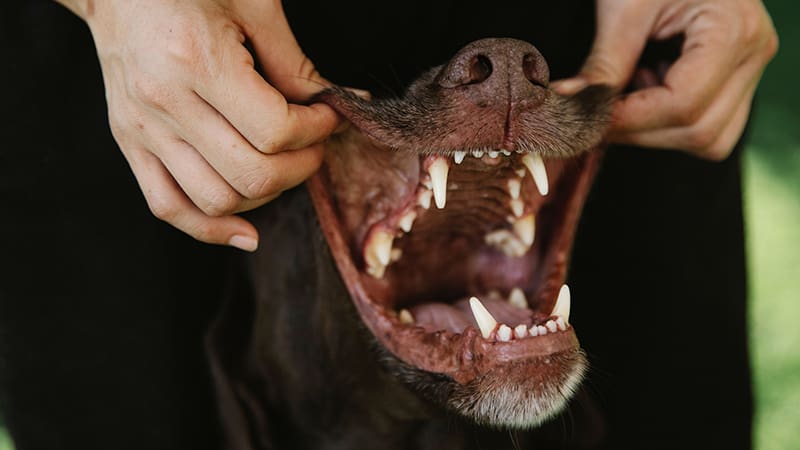
Dog Dental Care
How to Keep Your Dog’s Teeth and Gums Healthy Some new dog owners may be surprised to learn that they need to include dental care in their dog’s hygiene routine. It’s not that they are oblivious or careless, but more that they expect this to be a problem in their furry friend’s old age. Yet, ... How to Help an Overweight Dog Lose Weight Safely