non-US support +44 (0)161 531 8801































Why Is My Dog Shedding So Much? Understanding Normal and Excessive Hair Loss
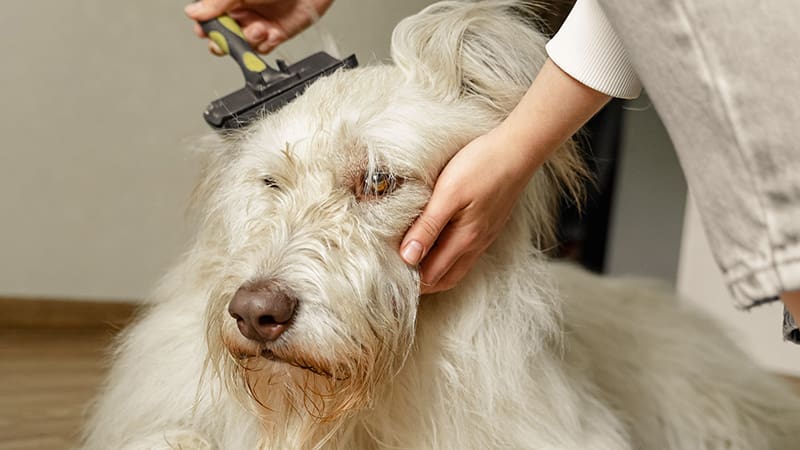
Life with a dog = dog hair on your clothes + dog hair on the couch + dog hair on your bed + dog hair in your car. By now, dog hair is probably stuck to your soul.
So, if shedding is normal for dogs, why is it such a concern for so many owners? Are only new owners concerned? Or is there a point when even experienced dog owners start wondering whether something is wrong? When is it normal shedding, and when is it hair loss that could point to an underlying medical condition?
Knowing the difference between the two can save you a lot of unnecessary worry. Also, knowing what is normal for your dog can help you spot changes that may point to a medical problem. When in doubt, ask your veterinarian.
What Is Normal Dog Shedding?
In general, shedding is normal. It should happen twice a year, in spring and autumn, as part of a process that helps the dog’s coat switch between summer and winter. Outdoors, temperature and daylight influence the process, and it should last around 6 to 10 weeks. During this period, dogs may shed a significant amount of their old coat as new hair grows in.
Pretty straightforward so far. Because many pet dogs spend most of their time indoors, their exposure to seasonal temperature and daylight changes is different from that of dogs living primarily outdoors. As a result, some dogs may shed more
consistently throughout the year rather than having two clearly defined shedding seasons.
How Much Is Normal Dog Shedding?
Different breeds have different shedding patterns. Other factors also matter, including coat type, age, health, genetics, and the dog’s environment. Ideally, pet parents should have a general idea of their furry friend’s baseline shedding. If you’re unsure whether your dog’s shedding is normal, your veterinarian can assess their coat and skin and look for signs of an underlying problem.
Otherwise, many people mistakenly believe long-haired breeds are the biggest shedders. In terms of quantity, they are not. However, since their hair is longer, it is more noticeable.
Many double-coated breeds, including Labradors, German Shepherds, Siberian Huskies, Akitas, and Chow Chows, can shed heavily. Single-coated breeds shed moderately; wire-haired breeds shed little, while long-haired breeds shed very little.
The Difference Between Shedding and Hair Loss
Normal shedding is part of the natural hair-growth cycle. The coat should generally look healthy, with no obvious bald patches or significant skin changes.
If your dog’s coat suddenly looks dull or patchy, or you notice itching, redness, flaky skin, clumps of hair coming out, or bald patches, contact your vet.
Sure, shedding can sometimes feel like a lot. That’s why it’s best to have a general idea of how much your dog usually sheds. If, alongside increased shedding, you notice other changes such as itching, skin irritation, bald patches, or changes in your dog’s behavior or health, it’s worth looking for an underlying cause rather than assuming it’s simply seasonal shedding.
Common Causes of Excessive Shedding
Excessive shedding can be frustrating, but it doesn’t always mean something is seriously wrong. So if you’ve noticed a change, let’s look at some of the possible causes. The solution may be simpler than you expect.
Poor-quality food
Poor nutrition can affect your dog’s skin and coat, although it isn’t the only possible explanation. If you already invest in good-quality, highly nutritious food for your dog, look to other causes. If not, it may be time to rethink your options at the pet shop.
Most dog food brands advertise meeting nutritional requirements, but these are often minimums and may not provide enough protein and essential nutrients for true coat health. Some dog owners notice a change when they switch from puppy food to adult dog food, and it may take a while for the effects to show in their dog’s coat.
Don’t be too harsh on yourself if you think this is the case. All brands advertise more or less the same way, and it takes an experienced dog owner, through time and trial and error, to learn which brands are best.
Solution: If you think this is the case for your dog, then the fix is simple. Talk to your vet and ask them to assess your dog’s diet before making a major change.
Allergies and intolerances
Allergies and food intolerances can also trigger excessive shedding. They are usually accompanied by symptoms like itching, skin sensitivities, swelling, or redness on various parts of your dog’s body.
Common culprits include:
• food (chicken, beef, wheat, or dairy products);
• environmental factors (pollen, grass, dander, household allergens like cleaning products or air fresheners).
Solution: Talk to your vet about your dog’s symptoms and possible triggers. They can help determine whether allergies are likely and what testing or treatment, if any, is appropriate. In some cases, treatment may involve avoiding a suspected trigger, changing the diet under veterinary guidance, using medication, or reducing exposure to irritating household products.
Anxiety
Stress can sometimes cause temporary increases in shedding. Dogs cannot communicate as we do, yet they pay great attention to family dynamics. Without context, they may sometimes misinterpret changes in the family’s routine.
Other stressful situations include thunderstorms, vet visits, fireworks, changes of scenery for dogs not accustomed to travel, and even owners leaving for long vacations.
Solution: If stress is causing the increased shedding, it may settle once your dog feels safe and stress levels return to normal. If the shedding continues, look for other possible causes.
Wrong grooming techniques
The wrong shampoo can irritate your dog’s skin and contribute to hair loss or coat problems. If you notice flaky skin and itching, especially after a bath, the shampoo may be the cause. Never use human shampoo to wash your dog. Human skin is more acidic, and our shampoos can irritate your dog’s skin.
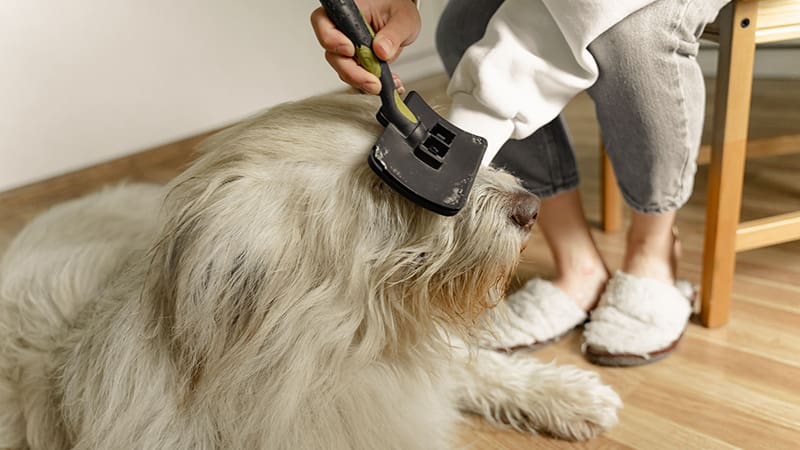
Over-brushing can irritate the skin or damage the coat, while insufficient brushing may allow loose hair and mats to accumulate.
Solution: Regular brushing and products appropriate for your dog’s coat and skin can help keep their coat healthy. If you are having trouble identifying the right frequency and products, don’t hesitate to discuss it with a professional groomer.
Parasites
Parasites can also cause itching, skin irritation, and hair loss. Fleas, mites, and, in some cases, ticks can all cause skin irritation and hair loss. Some parasites are more commonly noticed around the neck, back, or base of the tail, but infestations can affect other parts of the body as well.
Solution: Year-round parasite prevention, following your veterinarian’s recommendations, is the best way to reduce the risk. Parasites can hitch a ride on your clothes or just take advantage of a brief walk. Better safe than sorry.
Hormonal imbalances and other medical conditions
If none of the more obvious causes seem to fit, excessive shedding or hair loss can sometimes be linked to medical conditions such as thyroid disease, Cushing’s disease, skin infections, or other hormonal or systemic problems. Your veterinarian can help determine whether further testing is needed.
Solution: Your veterinarian can examine your dog’s skin and coat and recommend blood tests, skin tests, or other diagnostics if needed.
Dog hair on your clothes, furniture, and car is probably just part of sharing your life with a dog. But if the hair seems to be disappearing from your dog rather than simply ending up around the house, it’s time to pay closer attention. Watch your dog’s usual shedding pattern, check their skin and coat regularly, and note changes such as itching, bald patches, redness, or sudden increases in hair loss. You may never completely win the battle against dog hair, but knowing what is normal for your dog can help you recognize when it’s more than just another layer on the couch.

Do you want to hear more news about our stories?
You can unsubscribe from our newsletter at any time. See Privacy Policy
Subscribe footer org
Related content
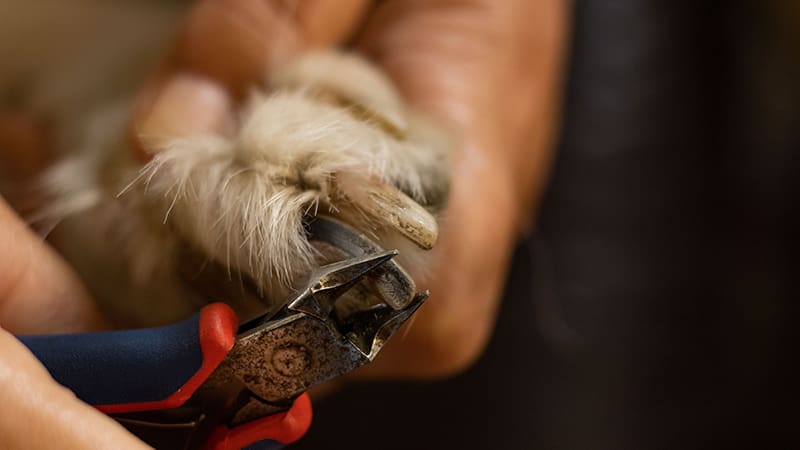
How to Trim Your Dog’s Nails Without Causing Stress or Injury
If you’ve never trimmed your dog’s nails before and you’re just starting this journey, congratulations! This is your chance to do things right from the start and avoid having a dog that gets traumatized and runs for cover every time those clippers come out. And if you’ve done your research, you’ve probably heard stories from ... Why Is My Dog Shedding So Much? Understanding Normal and Excessive Hair Loss

Why Does My Dog Lick Their Paws?
Common Causes Every Owner Should Know It’s a quiet evening at home, and everybody has found something to do before bedtime. Then you notice your dog focused on licking their paw. You know this is normal, and you’ve seen them do it a couple of times. But could it be happening a little too often? ... Why Is My Dog Shedding So Much? Understanding Normal and Excessive Hair Loss
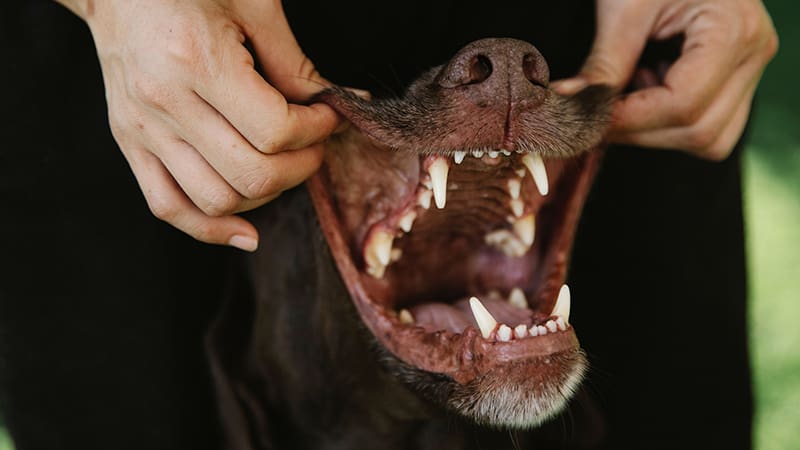
Dog Dental Care
How to Keep Your Dog’s Teeth and Gums Healthy Some new dog owners may be surprised to learn that they need to include dental care in their dog’s hygiene routine. It’s not that they are oblivious or careless, but more that they expect this to be a problem in their furry friend’s old age. Yet, ... Why Is My Dog Shedding So Much? Understanding Normal and Excessive Hair Loss
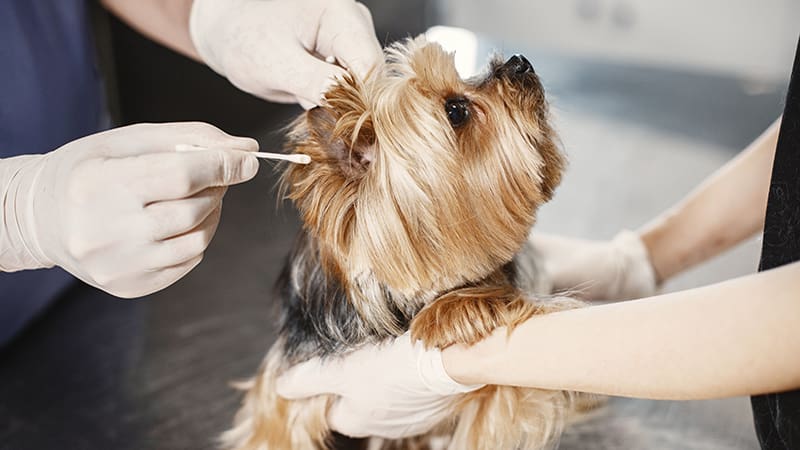
How to Clean Your Dog’s Ears Safely and Know When Something Is Wrong
Keeping your dog’s ears clean is part of the normal hygiene and grooming routine. You may need to do this occasionally to prevent buildup of wax, debris, and dirt. The frequency of these cleanings depends mainly on the dog’s breed and ear shape, as well as their routine and activity level. This means that some ... Why Is My Dog Shedding So Much? Understanding Normal and Excessive Hair Loss
Why Do Dogs Eat Grass? What Does This Common Behavior Really Mean
Is it a problem, a cry for help, a phase, or a curiosity? Every dog owner has wondered what grass-eating means. And, more importantly, whether they need to intervene or just let their dogs do it and move on. It may put your mind at ease to know this is perfectly normal behavior in healthy ... Why Is My Dog Shedding So Much? Understanding Normal and Excessive Hair Loss