non-US support +44 (0)161 531 8801























What You Did for the Animals of Nepal
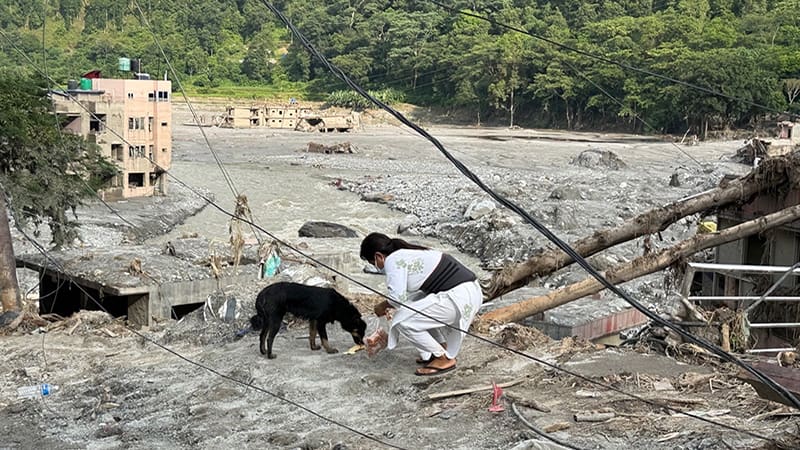
Whole settlements were gone in the time it takes to boil a kettle. Thirty-two bridges and close to 25 miles of road were swept away. Entire villages simply could not be reached. One village in Rasuwa waited fifteen days before a helicopter could land.
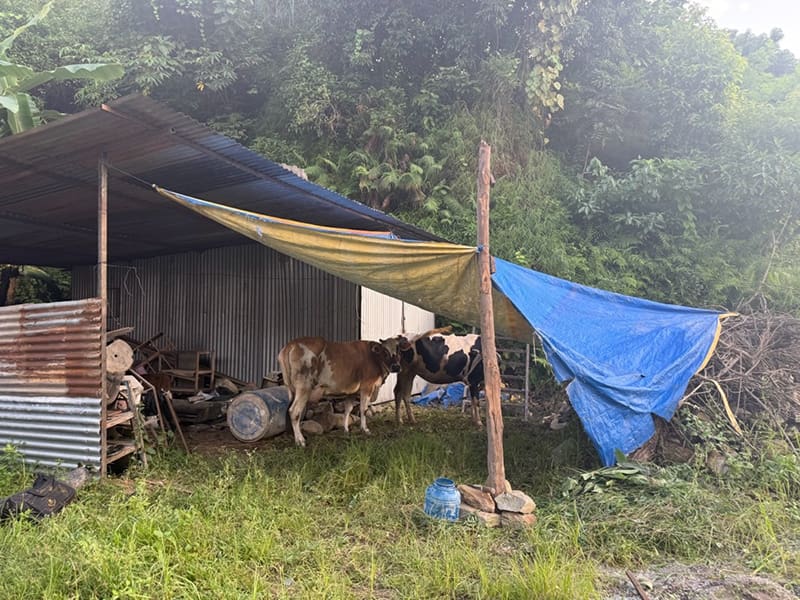
The human loss has been devastating, and it is still being counted. And in the middle of it all were the animals. Preliminary assessments found that around 1,800 hectares of crops were destroyed and thousands of livestock were killed.
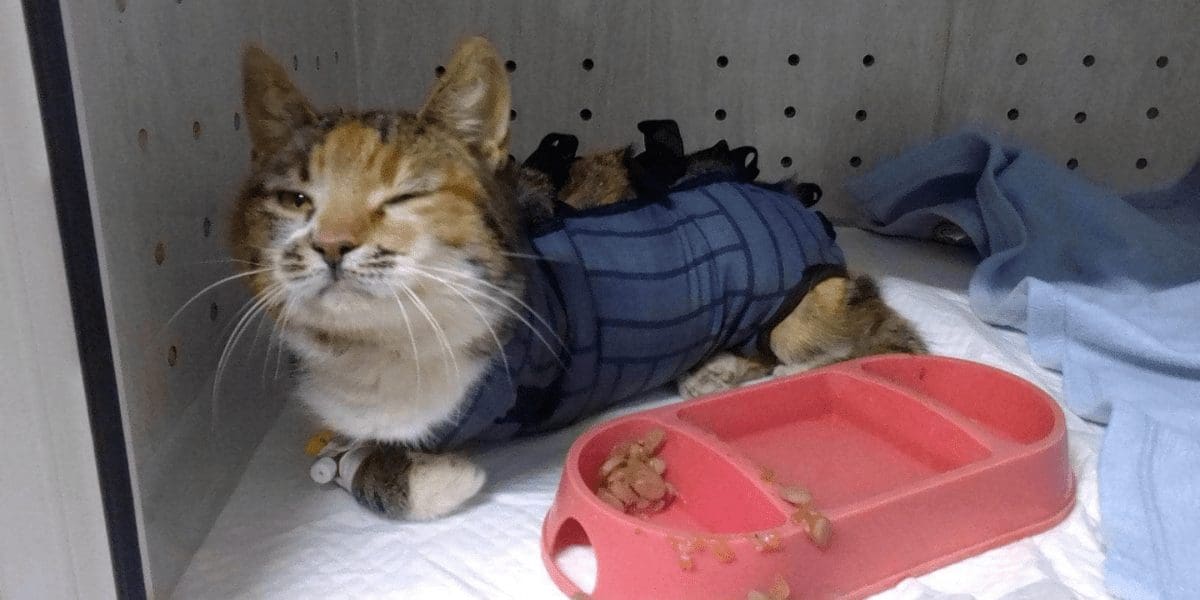
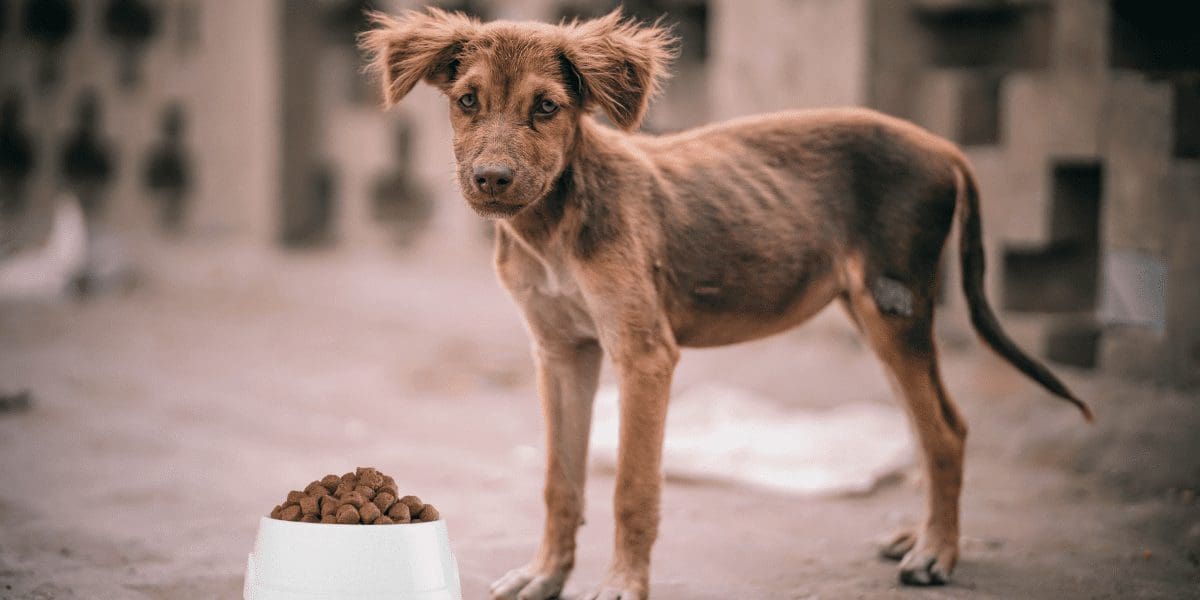
The animals who lived faced their own crisis. Dogs and cats fled the water and scattered into unfamiliar places, separated from the people who fed them. Many were injured. Many were too frightened to let anyone near. And as the water receded, the carcasses left behind brought the threat of disease to every animal and person still standing.
This is the moment when animals are usually forgotten. Rescue resources go to people first, and rightly so. But that leaves a gap, and it is a gap that costs lives.
When help came, it came together
When the scale of this became clear, we launched an emergency appeal. And you responded.
What your kindness reached was not one organisation, but three. All for Paws, Animal Nepal and Sneha’s Care were already moving, already gathering what they could, already working out how to reach places that had been cut off from the rest of the country.
And here is the part that moved us most. They did not work alone, and they did not work in competition. They sat down together, pooled what they had, and divided the ground between them so that no animal would be missed twice and none would be missed at all.
What your support made possible
In those first days, the obstacles were extraordinary. All for Paws tried to arrange a helicopter survey with other local organisations to work out which cut-off areas needed help most. Permission never came, because every available aircraft in the country was committed to the government and the Nepal Army.
So they stopped waiting. They gathered what they could and went by road.
All for Paws and Animal Nepal formed a joint team of five veterinarians and set out for Bidur in Nuwakot at six in the morning, carrying emergency medical supplies for animals and people alike. Animal Nepal deployed further teams to Nuwakot and Rasuwa, two of the hardest-hit districts in the country, coordinating with government veterinary teams so that organisations complemented each other rather than duplicating the same ground.
Sneha’s Care founder Sneha Shrestha went into the flood zone herself with her team, working through communication blackouts to reach animals wherever access was possible. For days, we could barely get word back from her, because the phone lines were down.
Where things stand now
All for Paws has now completed four relief trips, two to Dhading and two to Nuwakot.
On the most recent trip to Nuwakot, they supported the District Veterinary Hospital and local farmers with animal feed, minerals, medicines, disinfectant sprayers, salt and quicklime. That last item matters more than it sounds: quicklime is used to disinfect ground and manage carcasses, and it is one of the things that stops a flood becoming an epidemic.
They also gave direct medical treatment and mineral supplements to injured animals, and care for those needing longer-term support. Alongside that, with help from their local donors, they distributed blankets, soap and food parcels to hospital staff and community members, because in a disaster of this size you cannot separate the animals from the people who care for them.
The situation is slowly improving. But as All for Paws told us plainly, the impact is still being felt, and animals and their caregivers will need food, shelter and healthcare for a long time yet.
Thank you
You did not just fund a rescue. You funded three of them, in a country most of our supporters will never visit, for animals nobody was coming to save.

Do you want to hear more news about our stories?
Related content
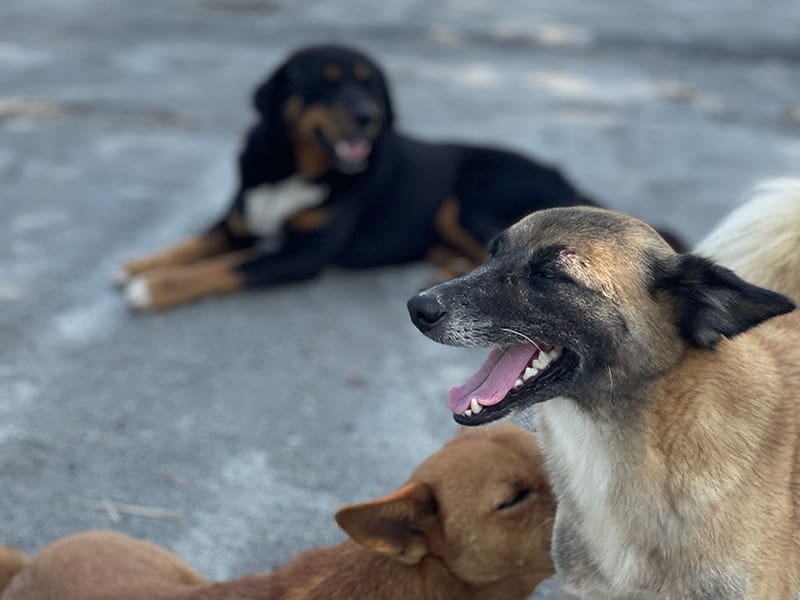
Supporting Rescue Dogs Through Donations When Adoption Is Not an Option
And as the rescue van took the suffering dog away, the people in town sighed with relief, thinking the poor soul was now safe and off to live a better life. The End Cute, but wrong! As an organization dedicated to bettering the lives of dogs and animals in general, ROLDA’s mission is to get ... What You Did for the Animals of Nepal
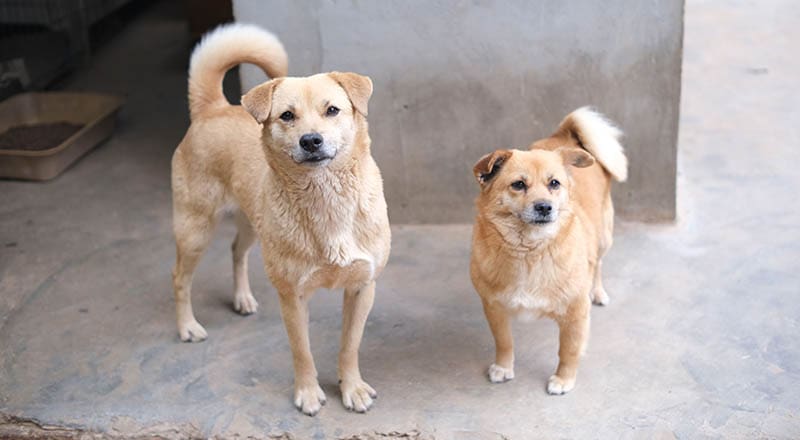
Why Regular Donations Are Essential for Keeping Rescue Shelters Running
What do you think is the most expensive part of running a dog shelter? Some people might think it’s the dramatic animal rescue missions. Others might say it’s the complicated medical procedures needed to put the poor animals back together or even the latest recovery and rehabilitation therapies. Both groups are wrong. The most expensive ... What You Did for the Animals of Nepal
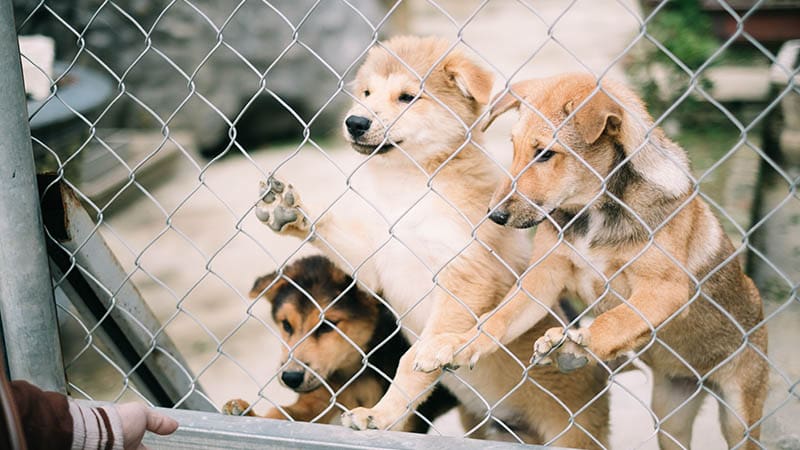
The Life-Changing Impact of Dog Adoption on Both Pets and Their New Families
Who benefits more from a shelter adoption? The dog that has just received a chance at the perfect life in a loving home with a caring family? Or the family that has just become whole with the addition of the cutest, most loyal, and most lovable member? Both sides will. It’s a win-win type of ... What You Did for the Animals of Nepal
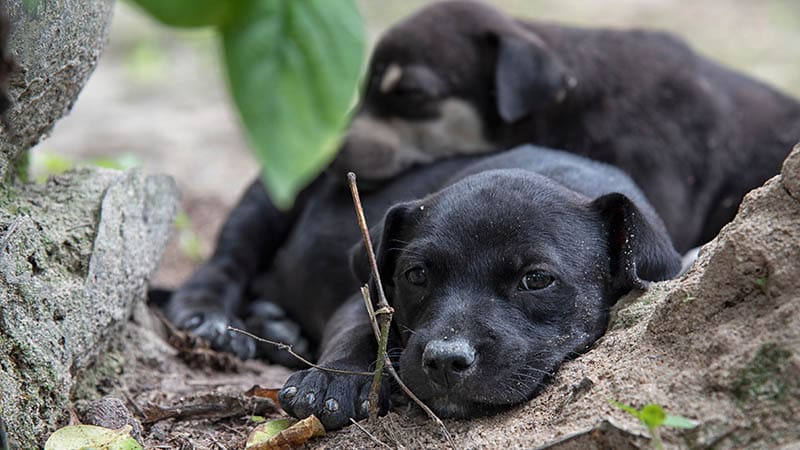
Creating Hope for Homeless Dogs: How Every Act of Kindness Makes a Difference
Overwhelmed. This is how animal lovers feel when they see so many struggling animals. Some people try to help, try to save the ones they come across. But once they start seeing the need, they cannot unsee it, and there are always so many animals in distress. Who could ever help them all? That is ... What You Did for the Animals of Nepal
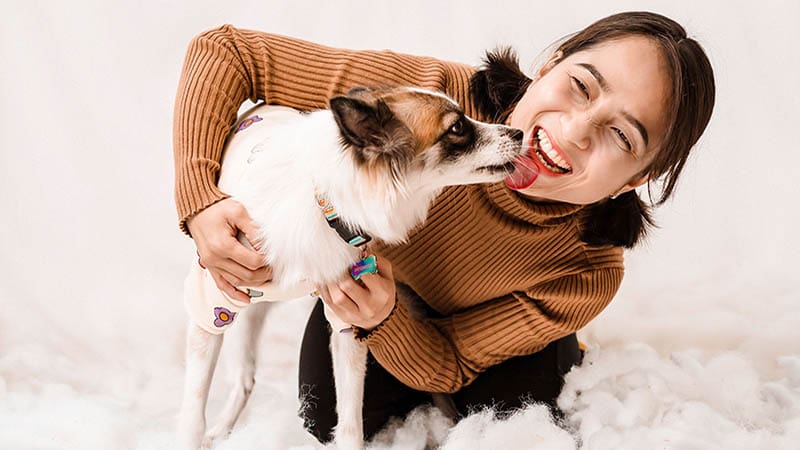
How Shelter Dogs Teach Us the True Meaning of Unconditional Love
Something that will never cease to amaze us in our line of work is how animals that end up in our shelter after having experienced neglect, malnourishment, cruelty, and abandonment at the hands of our fellow men can still wag their tails when they see people. Even we, the rescuers, are sometimes put off by ... What You Did for the Animals of Nepal