non-US support +44 (0)161 531 8801




















Supporting Rescue Dogs Through Donations When Adoption Is Not an Option
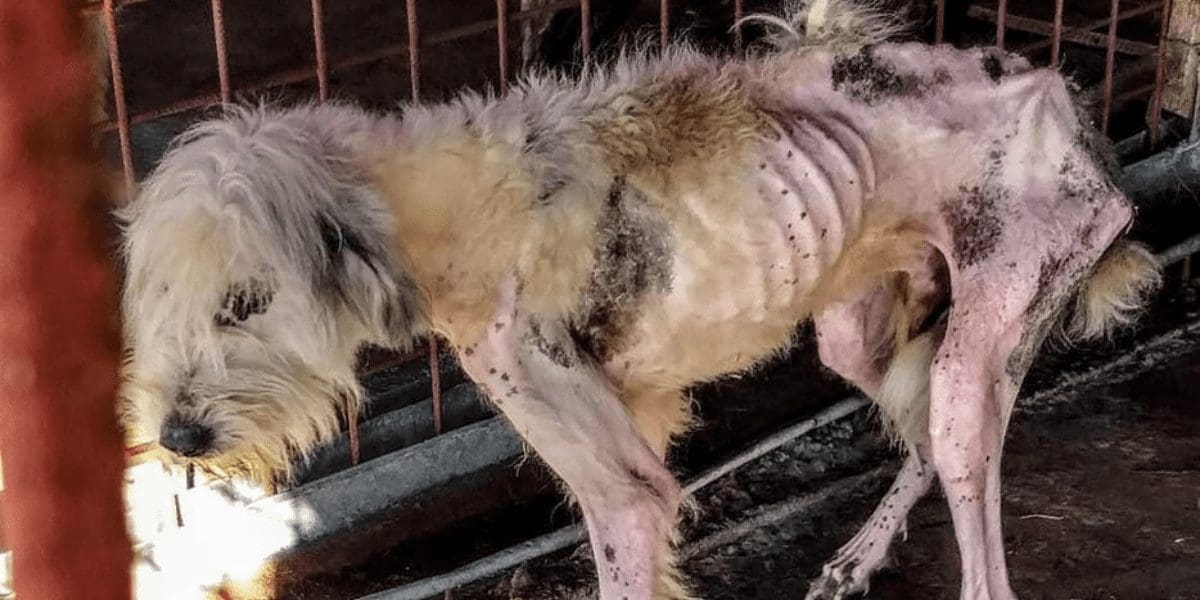
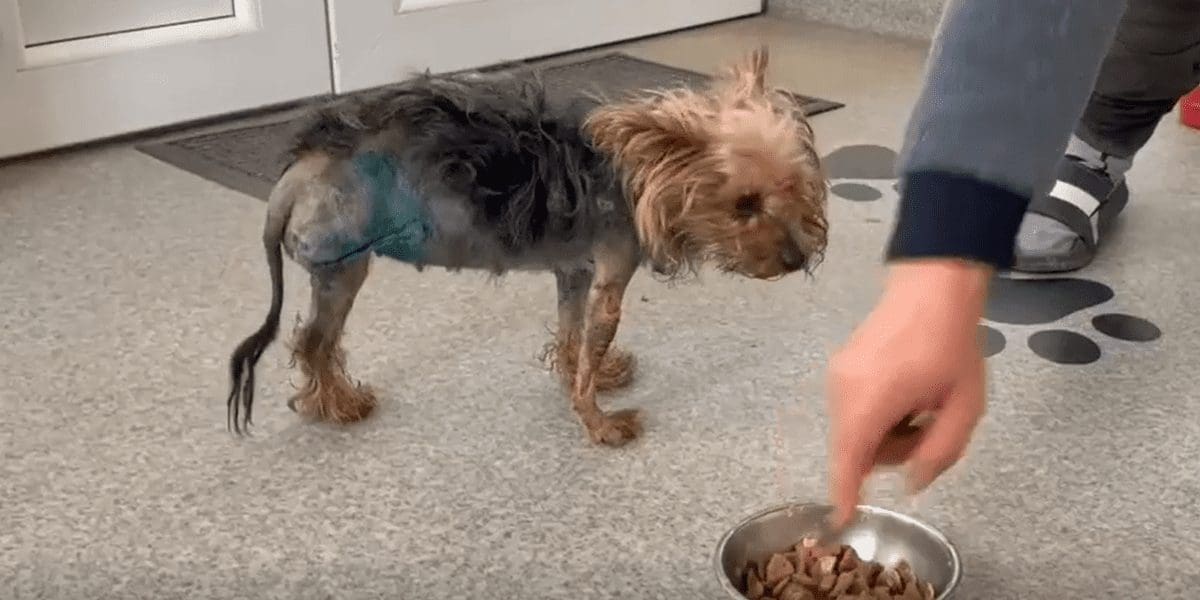
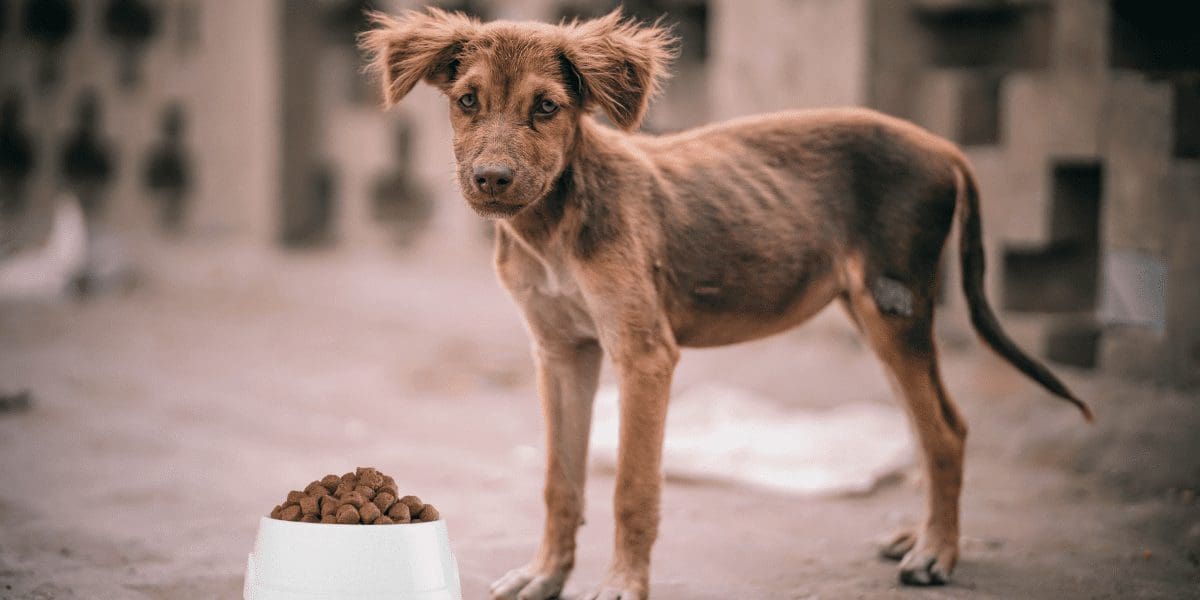
And as the rescue van took the suffering dog away, the people in town sighed with relief, thinking the poor soul was now safe and off to live a better life.
The End
Cute, but wrong! As an organization dedicated to bettering the lives of dogs and animals in general, ROLDA’s mission is to get as many of our shelter dogs as possible adopted. This is the happy ending we want for them and the goal toward which we direct all our efforts.
Unfortunately, this dream cannot come true for some of our residents, and the right human might never come along. Adoption itself might be challenging because of underlying medical conditions, or because adopters simply choose other dogs instead. For some of our residents, none of these opportunities may ever come.
Adoption – An All-Hands-on-Deck Approach
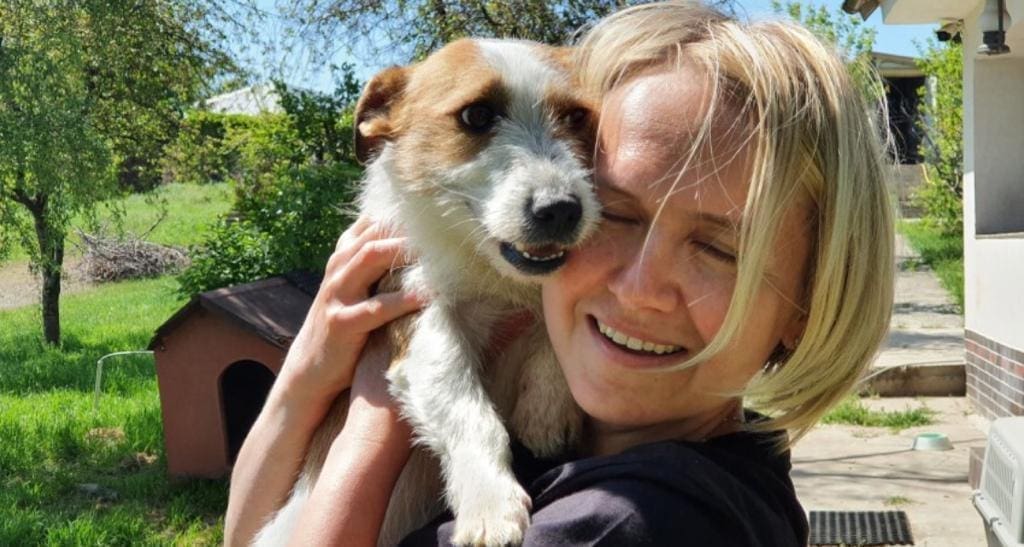
Dogs long for a connection. Even the ones who have suffered at the hands of our fellow men still wag their tails at their favorite volunteer and would want nothing more than to go home. To have a loving family, their own bowl, their own little bed, and their favorite toy would be the best possible outcome.
This is why our efforts don’t stop after the rescue. They don’t even stop when the medical procedures, treatments, or rehabilitation are over. Our end goal is not to have a shelter full of 700 healthy dogs, but to find each of them a family, to the extent that this is realistically possible.
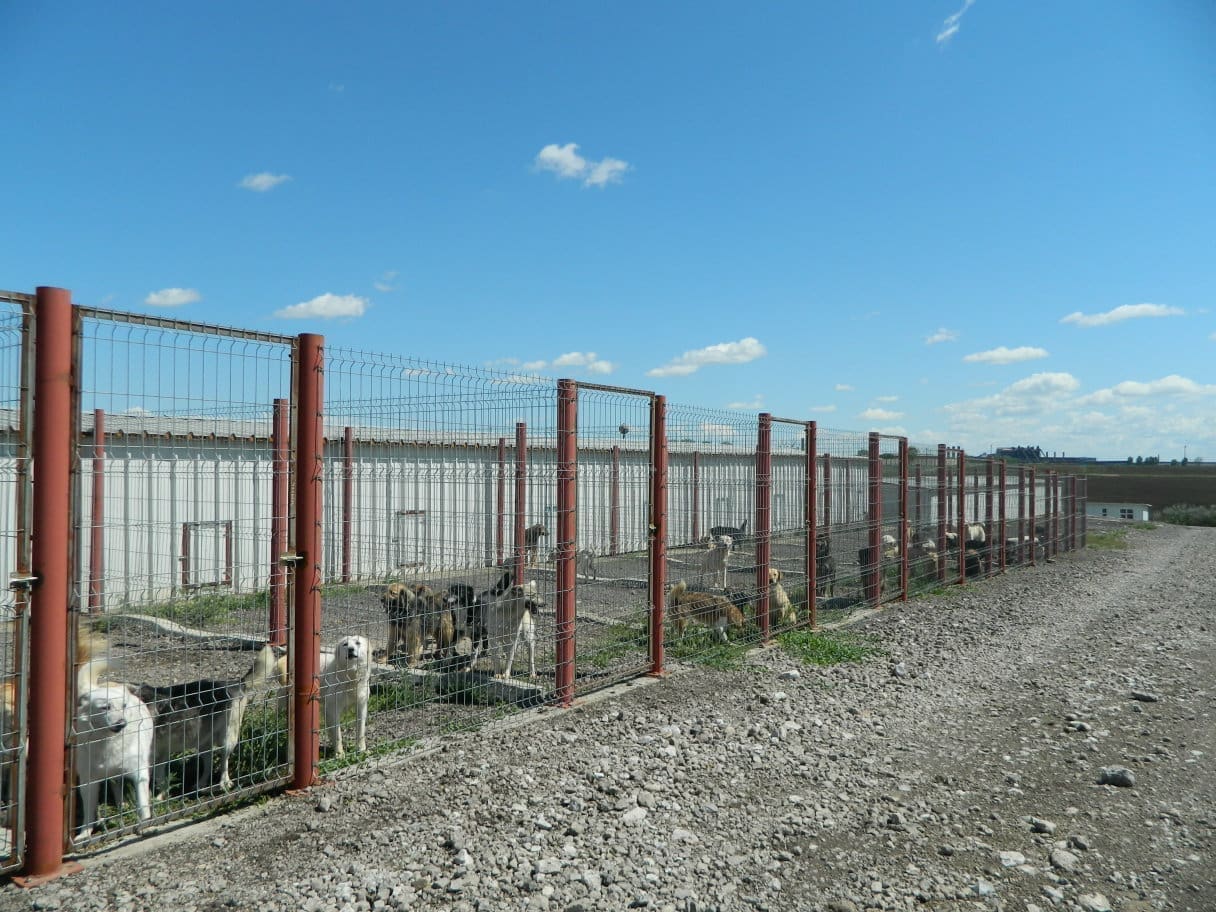
Because, no matter how much effort we put into ensuring a certain quality of life in our shelter, no matter how many volunteers we have walking and playing with the dogs, petting them, talking gently so that they learn to trust people again, at the end of the day, those dogs still spend the night in a kennel when they could be in a real home.
The Permanent Residents at ROLDA
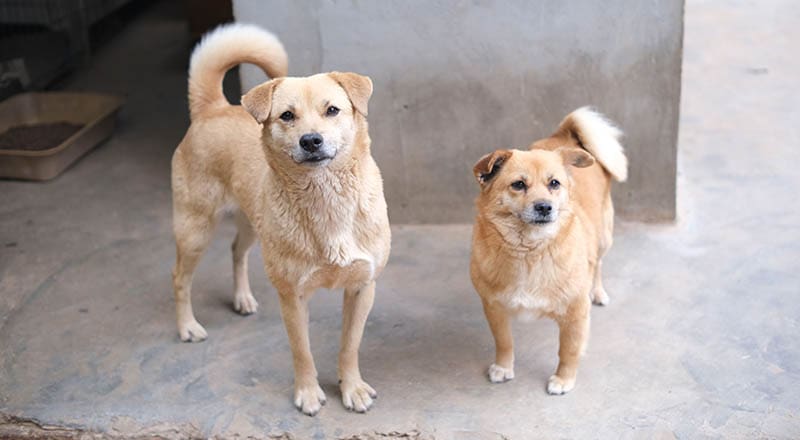
We mentioned that we have to be realistic about how many of our dogs we can hope to get adopted. This means that we are aware that some of our residents have very low chances of ever finding families.
There are many reasons why that is, and we have tried to overcome many of these obstacles. In some cases, we have succeeded in overcoming these obstacles, but we cannot guarantee them for all animals in such a situation.
These reasons may be:
- Old age – some dogs are older, and people worry that they may have difficulty adjusting to a new routine.
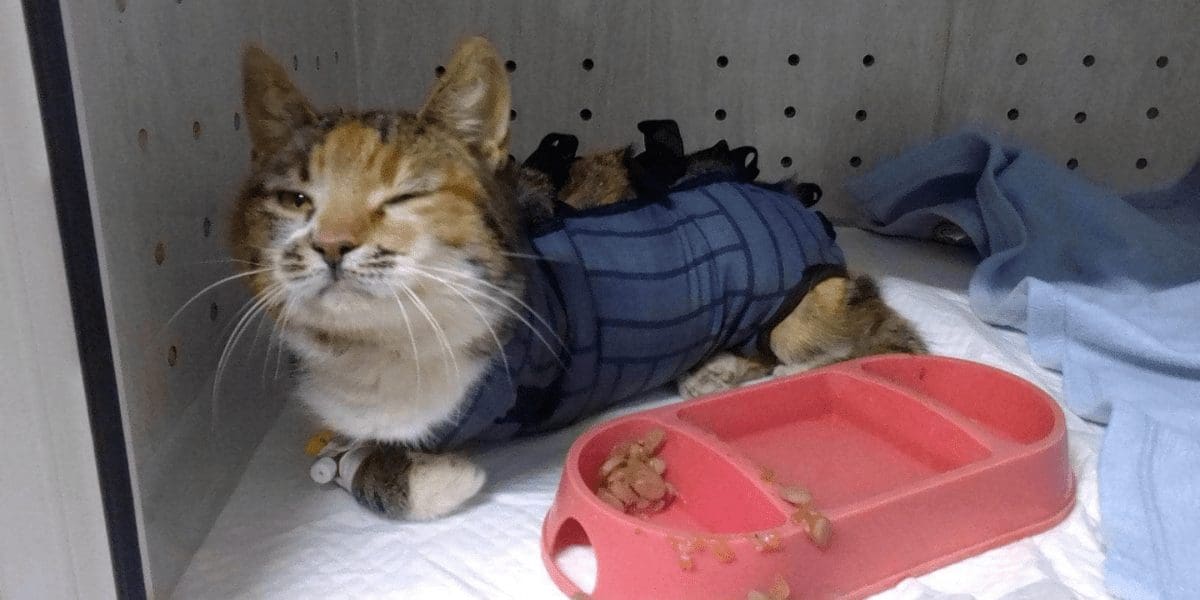
- Medical issues – caring for a sick or recovering dog can be difficult, and it costs a lot of money. This is a challenge few people are willing to take on.
- Behavioral problems – depending on the background of the animal, some may never get accustomed to living among humans. At least, not in the way some people expect a pet to behave.
- Deep trauma – fear can make dogs keep their distance and remain wary of people in general.
- Bad luck – some dogs are full of love to give, but they might not look like the kind of companion people picture when they think about adoption. Injuries and amputations due to severe infections can change a dog’s appearance.
- Simply not getting picked – there may be absolutely no obvious reason why some of our dogs are never chosen for adoption. It simply never happens for them.
As mentioned before, none of these reasons is necessarily permanent, and we have had people adopt old or sick dogs. Adopters took a chance on dogs with behavioral problems and saw them get better after being in a safe and steady environment. Even some of the dogs that had been repeatedly overlooked were finally chosen.
But it simply might never happen for some of our dogs, and we must find other solutions for them.
Long-Distance Adoption
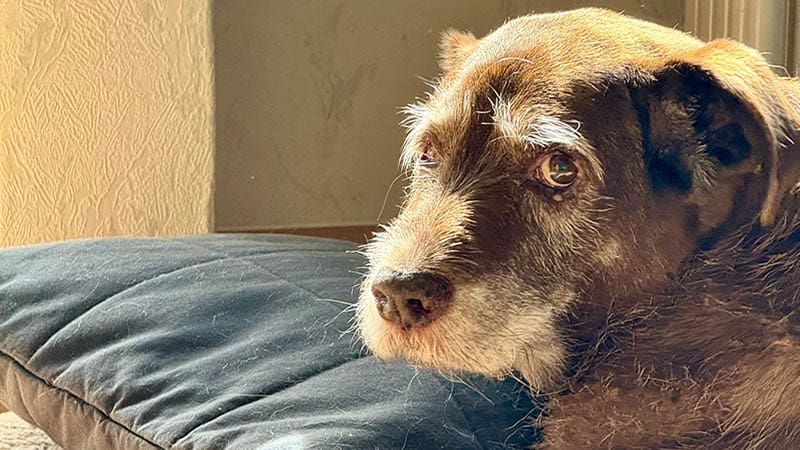
The dogs on the permanent resident list are usually eligible for long-distance adoption. This is a way for people to donate money for the upkeep of one specific dog, as if they were adopted by that person, while we continue to provide for the dog at our shelter.
In practical terms, the person sponsors one specific dog while we continue to provide its daily care at the shelter. There are no traditional adoption benefits for the person, other than helping ensure that resources are available for their care at our shelter.
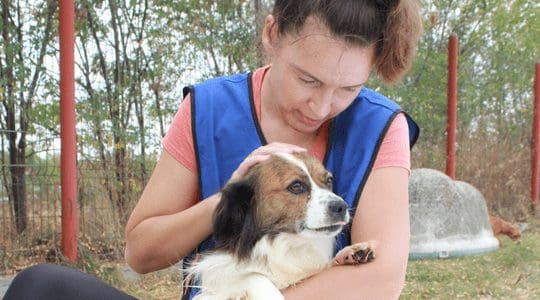
Many of the people who pay for long-distance adoption are interested in and invested in the animals’ lives, and they check in periodically to find out how they are doing. Some even volunteer at the shelter and spend real time with the dogs they sponsored. But they are people whose living conditions do not allow them to keep an animal in their home, so this is the next best thing.
This is not necessarily the best solution for either the dog or the person, since both might otherwise have benefited from a more permanent and stable arrangement. But this type of adoption makes sure that the dog has a permanent shelter, the person remains involved in the dog’s life and contributes directly to its care.
Any Form of Regular Donation Helps Our Permanent Residents
Even when our dogs do not have long-distance adopters, we still take care of all our rescues until the very end. We do this because abandoning them is not an option, and neither is convincing or guilting someone into adopting a dog when they might not be equipped to help that animal thrive.
For the dogs who may never have a family of their own, regular donations become that safety net – the promise that they will remain fed, cared for, and loved for the rest of their lives.
When adoption is not an option, your support can become the reason a rescue dog still has a forever home.
Do you want to hear more news about our stories?
Related content
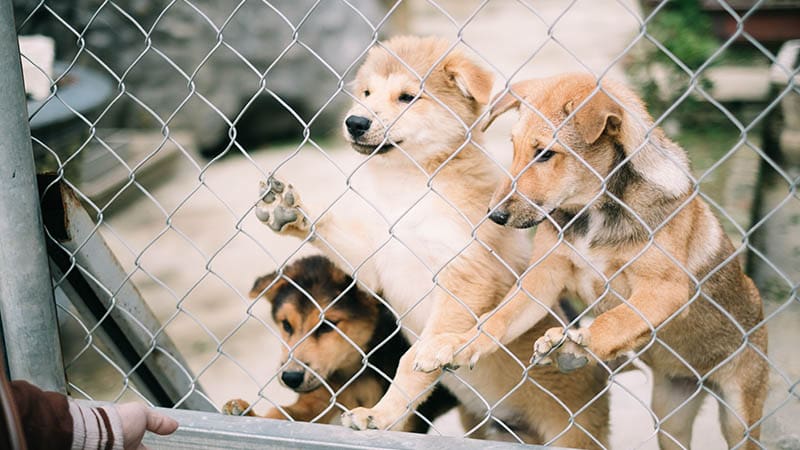
Why Regular Donations Are Essential for Keeping Rescue Shelters Running
What do you think is the most expensive part of running a dog shelter? Some people might think it’s the dramatic animal rescue missions. Others might say it’s the complicated medical procedures needed to put the poor animals back together or even the latest recovery and rehabilitation therapies. Both groups are wrong. The most expensive ... Supporting Rescue Dogs Through Donations When Adoption Is Not an Option
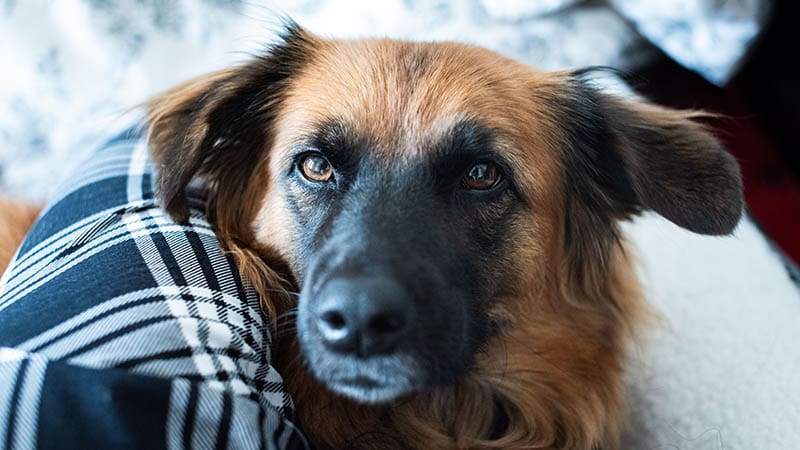
The Life-Changing Impact of Dog Adoption on Both Pets and Their New Families
Who benefits more from a shelter adoption? The dog that has just received a chance at the perfect life in a loving home with a caring family? Or the family that has just become whole with the addition of the cutest, most loyal, and most lovable member? Both sides will. It’s a win-win type of ... Supporting Rescue Dogs Through Donations When Adoption Is Not an Option
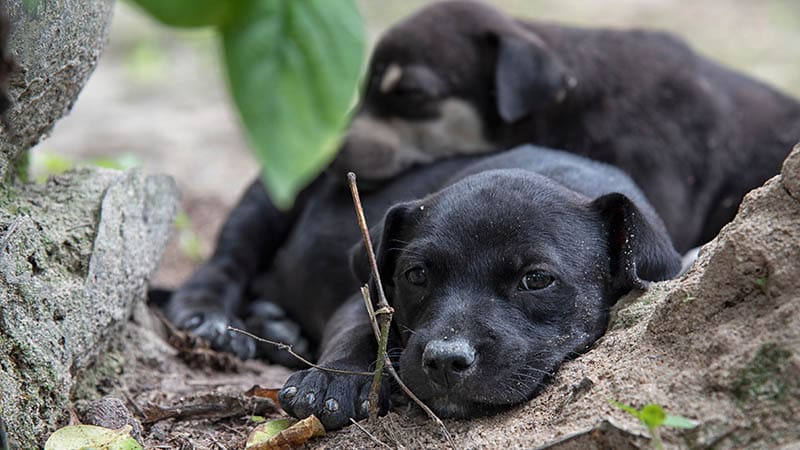
Creating Hope for Homeless Dogs: How Every Act of Kindness Makes a Difference
Overwhelmed. This is how animal lovers feel when they see so many struggling animals. Some people try to help, try to save the ones they come across. But once they start seeing the need, they cannot unsee it, and there are always so many animals in distress. Who could ever help them all? That is ... Supporting Rescue Dogs Through Donations When Adoption Is Not an Option
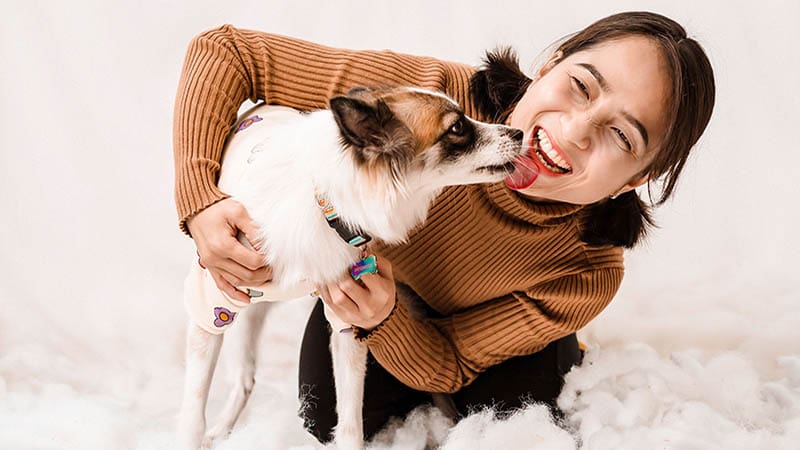
How Shelter Dogs Teach Us the True Meaning of Unconditional Love
Something that will never cease to amaze us in our line of work is how animals that end up in our shelter after having experienced neglect, malnourishment, cruelty, and abandonment at the hands of our fellow men can still wag their tails when they see people. Even we, the rescuers, are sometimes put off by ... Supporting Rescue Dogs Through Donations When Adoption Is Not an Option
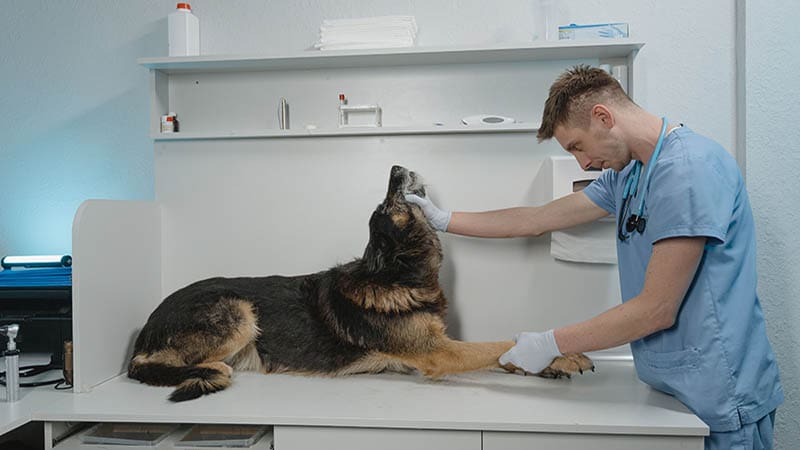
The Role of Veterinary Care in Helping Rescue Dogs Thrive
One of the most common misconceptions about animal rescue is that once an animal has been taken off the street, it is safe and the hardest part is over. The fact that some rescue missions are dramatic and demanding does a lot to contribute to this general opinion. However, many rescue dogs are injured, have ... Supporting Rescue Dogs Through Donations When Adoption Is Not an Option