non-US support +44 (0)161 531 8801


















How Shelter Dogs Teach Us the True Meaning of Unconditional Love
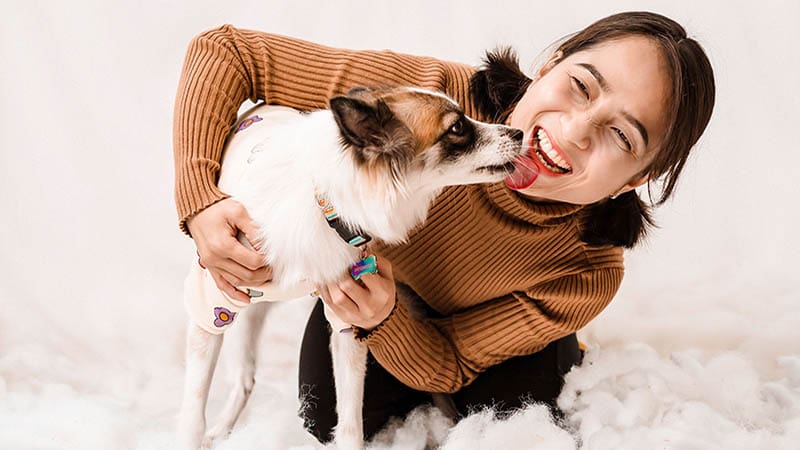
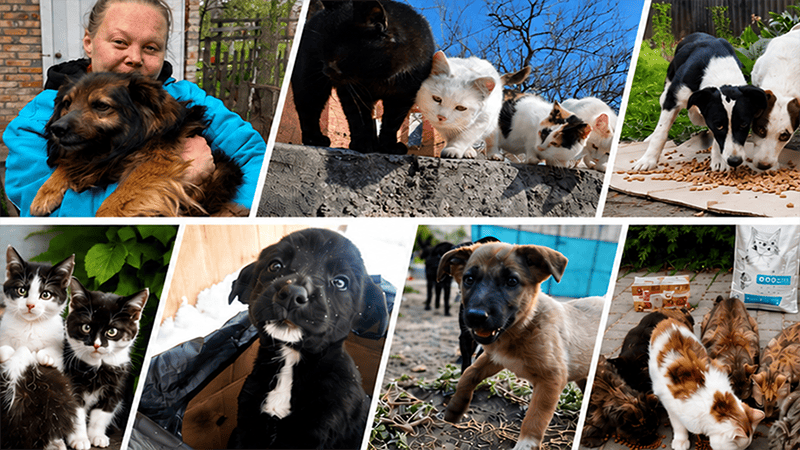
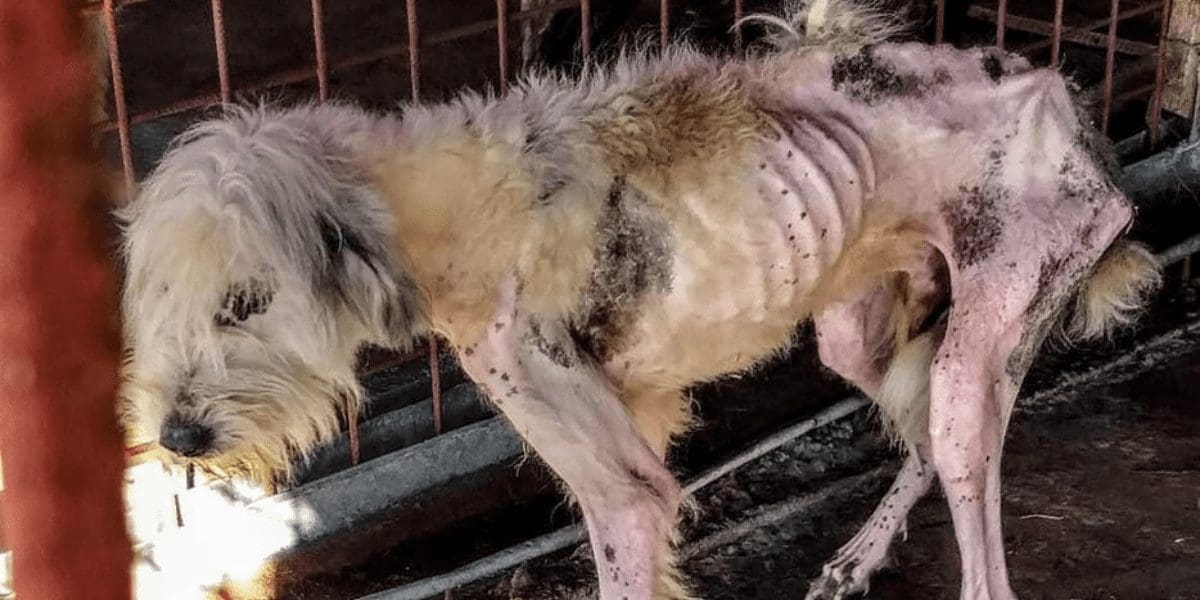
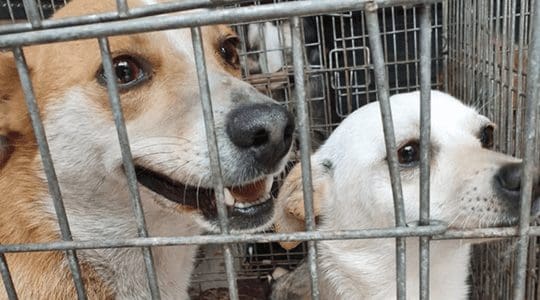
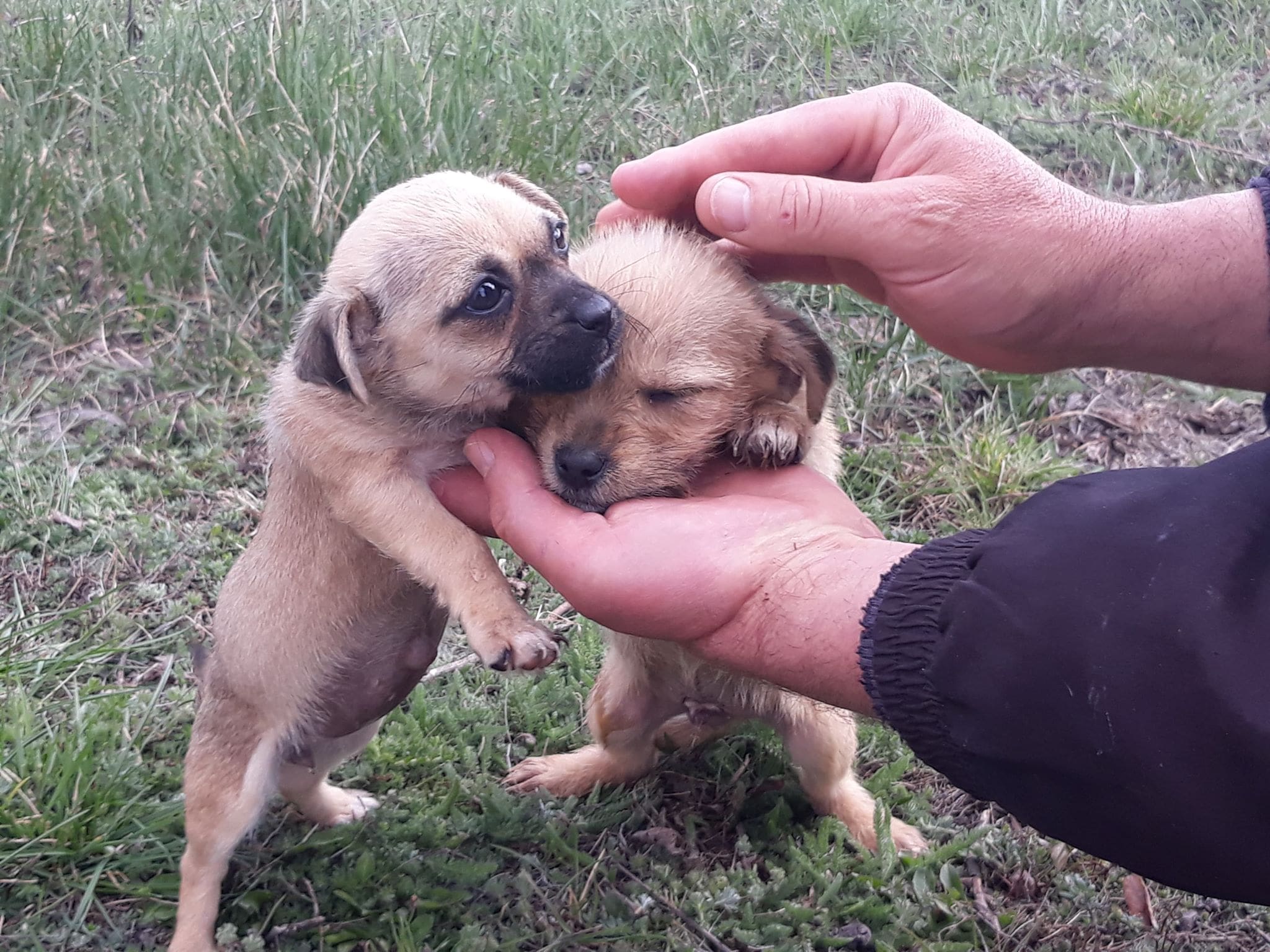
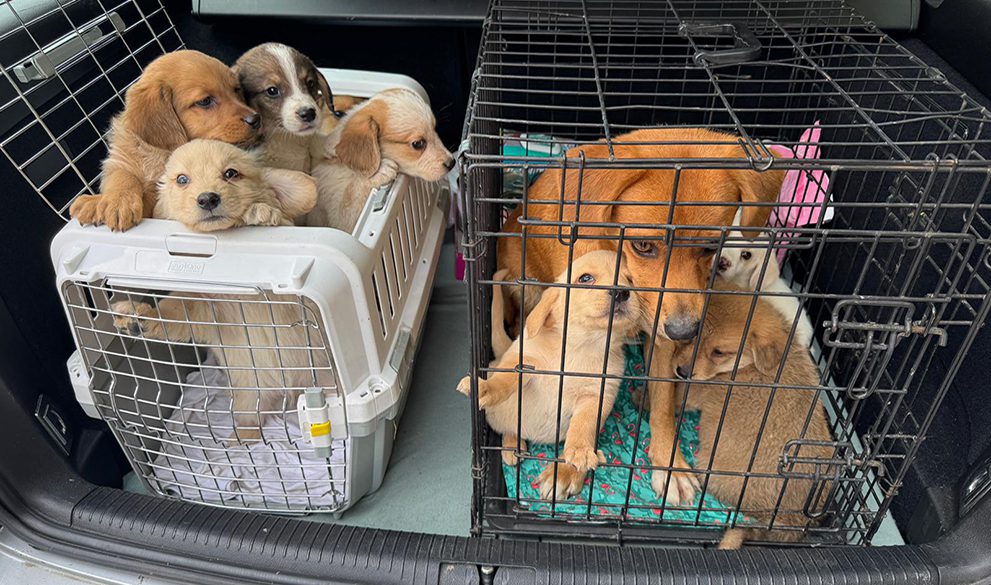
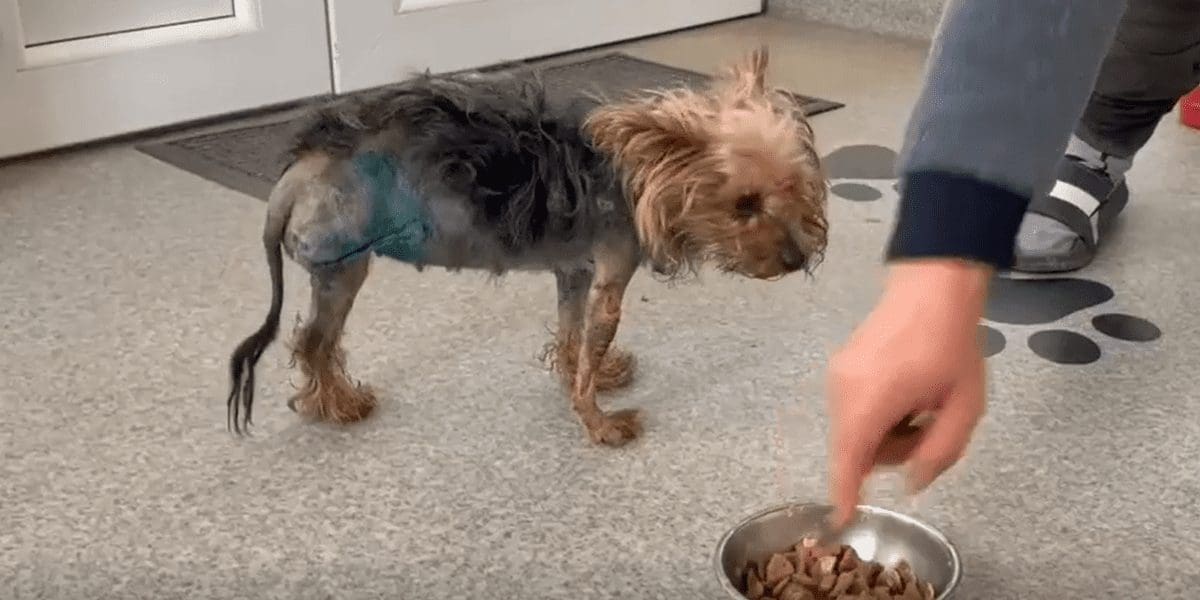
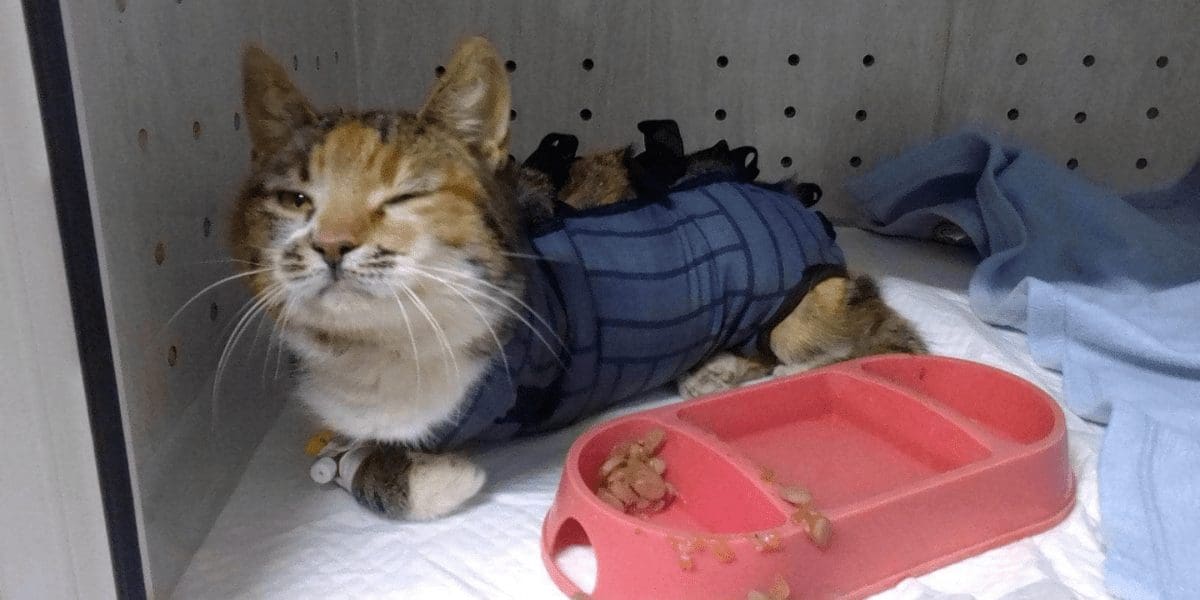
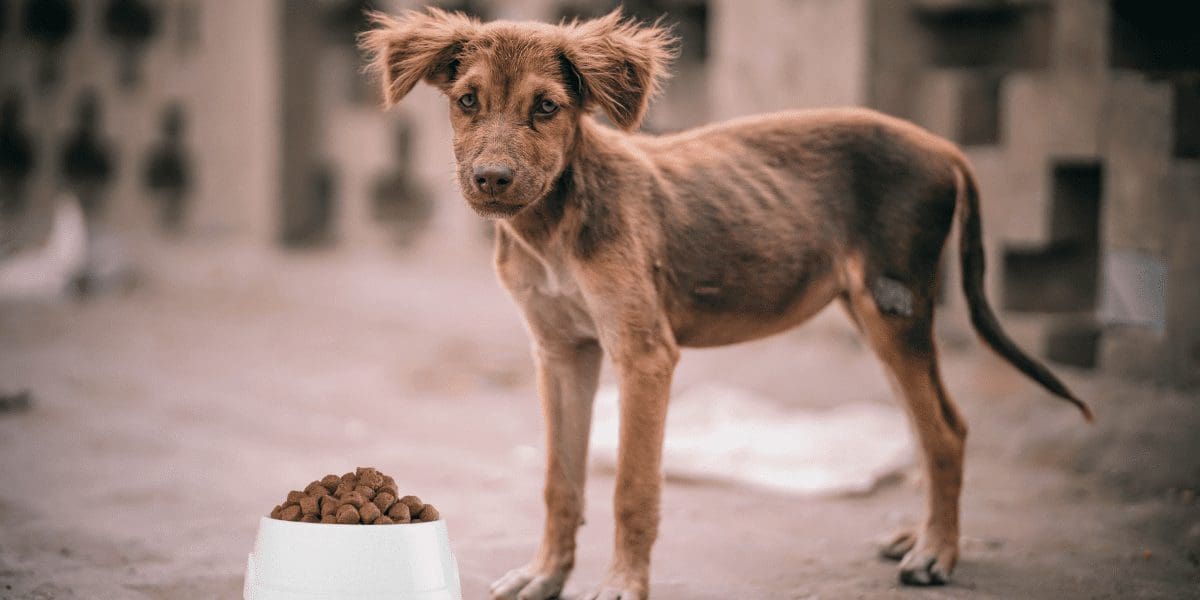
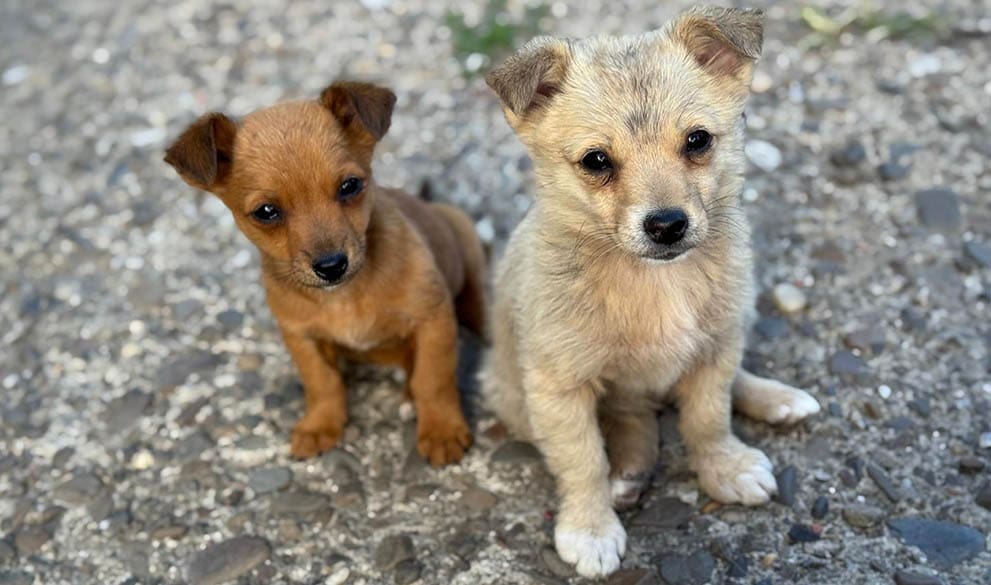
Something that will never cease to amaze us in our line of work is how animals that end up in our shelter after having experienced neglect, malnourishment, cruelty, and abandonment at the hands of our fellow men can still wag their tails when they see people.
Even we, the rescuers, are sometimes put off by what people can do to defenseless animals, but they hold no grudges and are ready to start living and loving all over again. They would happily go to a new family and give people a chance all over again.
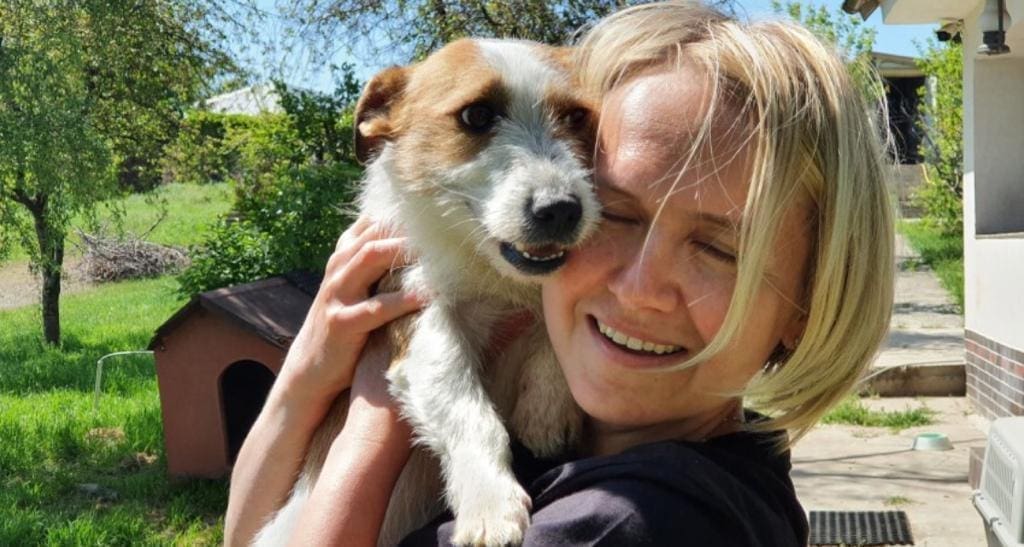
Despite the horrible abuse they have been through, as soon as they feel safe, they start looking for affection, companionship, and connection. And it melts our hearts to see them so eager to get back to life and how they know how to do it the right way – through unconditional love.
We could learn a few things from our four-legged friends on the topic.
Lesson 1: No Resentment
You would expect an animal that has been so traumatized by people to be forever afraid of them and to want to keep away. Unfortunately, some of our residents carry lifelong scars. But this is fear and self-preservation, not resentment. As we have seen, in due time, even these dogs can find comfort in the presence of people they feel they can trust.
The vast majority of our dogs have had bad encounters with abusive people, and yet, there they are, wagging their tails, ready to trust again.
It is not about forgetting the abuse. We can see deep trauma in dogs that have been beaten with long objects like umbrellas and sticks, as they will always be more guarded if they see a person they perceive as being aggressive carrying a stick-like object in their hand.
But they learn to distinguish between safe and not safe individuals. The more we manage to create a safe and relaxed environment, the sooner they let their guard down and get back to their trusting and loving selves.
And this is just the shelter version of love and care. A forever family in a loving home is even better.
Lesson 2: Trusting Again
We don’t mean to say that dogs have an on-and-off switch and can easily go from scared and guarded to trusting with a simple flip. What we are saying is that they have a very deep desire to have a long and lasting bond with good people, and for that, they are willing to overcome their fear and trust again.
After 20 years of looking after dogs that have ended up in our care in the worst moment of their lives, we expect them to take their time. We want them to fully heal, and, most importantly, we give them the space they need.
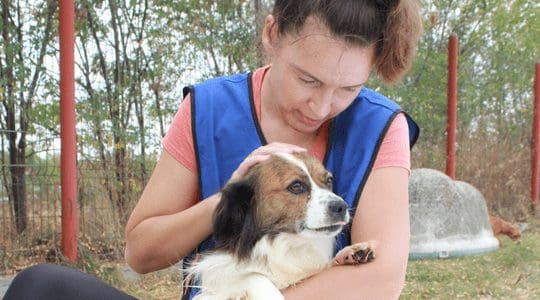
Even though we come toward them with our best intentions, we know that love and tenderness must also be received, not only given. So, we patiently wait for them to be ready, for that first crack in the armor, when a dog that used to keep its back turned begins to show subtle signs that it wants to reconnect.
These might be subtle signs: a discreet wag of the tail upon seeing the person who interacts with the dog most often, finally accepting a very gentle touch, moving toward someone voluntarily, seeking the attention of their favorite volunteer, finally sleeping more relaxed, and playing for the first time.
It starts small, but we know with certainty that it builds from there.
Lesson 3: Connection Over Perfection
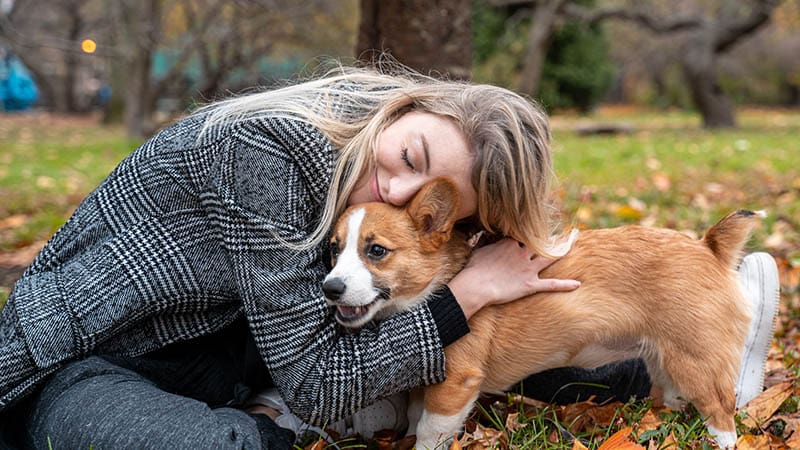
The funniest thing about human understanding of unconditional love is that we think it has to be earned. But shelter dogs are the best ones to teach us that all they need is the possibility of a real connection. Once that begins to form, trust can follow, then loyalty and love.
When you meet your new friend at the ROLDA dog shelter, you are not asked about social status; you are not judged for what you are wearing, how much money you make in a year, or how many trophies you have.
Connection can begin in an instant. And while you might still be too overwhelmed by the demands of modern life to tell for yourself, your dog will know for both of you.
Lesson 4: Trust Is Earned
But don’t be misled into thinking that it is all as easy as pie and that you can walk away happily ever after; know that there is a part where you must commit to your new friend for the long term, to care for it even in old age, in sickness, and when things get scary again.
Most importantly, your dog must learn that you will do all those things. It must trust you to do all those things. To earn that trust, you need to be kind and calm, show up, be present, and be patient.
The connection is strong, but it might not mean immediate trust if you react impatiently when your dog does not accept your affection right away, for example. Repeated positive experiences, combined with giving your friend space to relax and time to come to you, create the safe environment they need to relax and eventually give and receive all the love between you.
Lesson 5: Love Is in the Little Things
Actually, love is in the little things you do consistently. In other words, love is in the routine.
Every walk, every meal, every game you play together, literally every cuddle and belly scratch, strengthens your relationship. Your shelter dog doesn’t need grand gestures or custom-made toys or costumes. It just needs you to show up like that every day.
The twist: yes, you are expected to show up like this even on the day you don’t feel like it. But you will quickly notice that the routine you two have is also meant to help you feel better. This is how unconditional love works both ways.
The Dogs That Still Wait
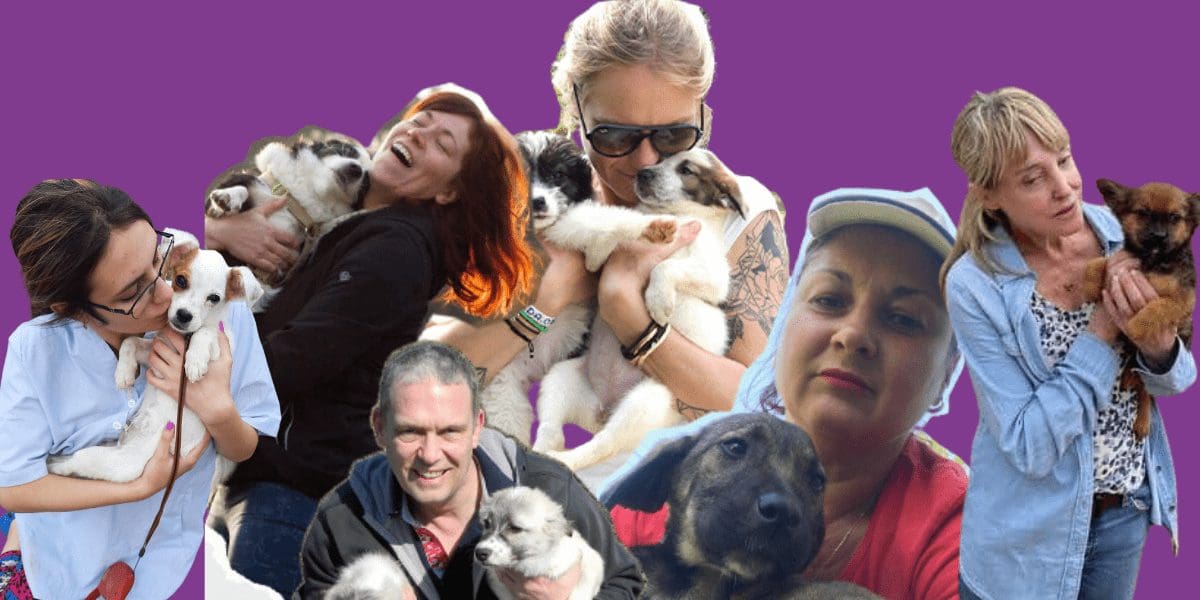
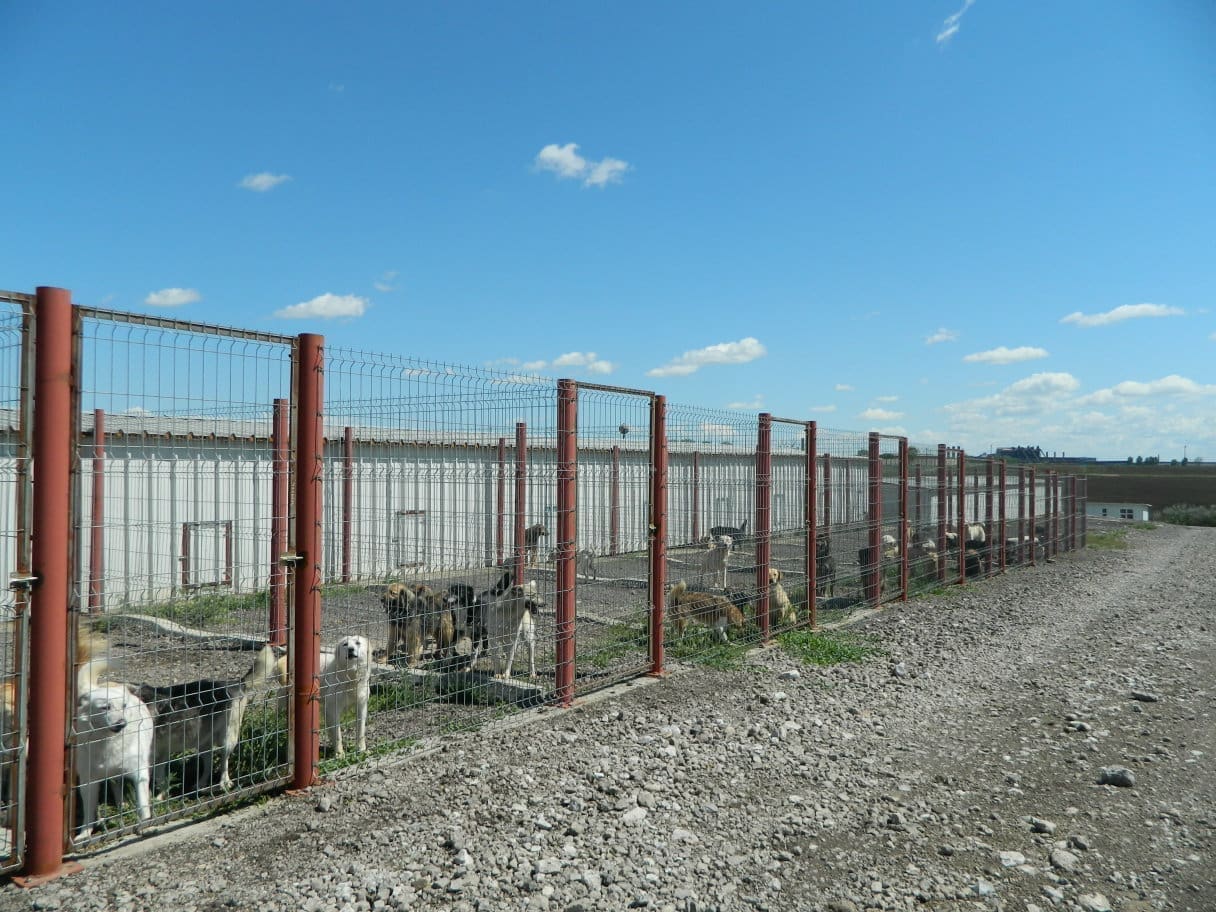
There is so much love in our shelter. So much love to give to the people who adopt ROLDA dogs.
Unfortunately, not all dogs that love and wait will end up in a home. Senior dogs, dogs with medical conditions, dogs with behavioral challenges we have yet to overcome through rehabilitation, large dogs, and dogs that simply never met the right person to take them home – they are all still waiting, and they still have so much love to give. How do we know that? Because we become their permanent families and we get all of it. Unconditionally.
Do you want to hear more news about our stories?
Related content
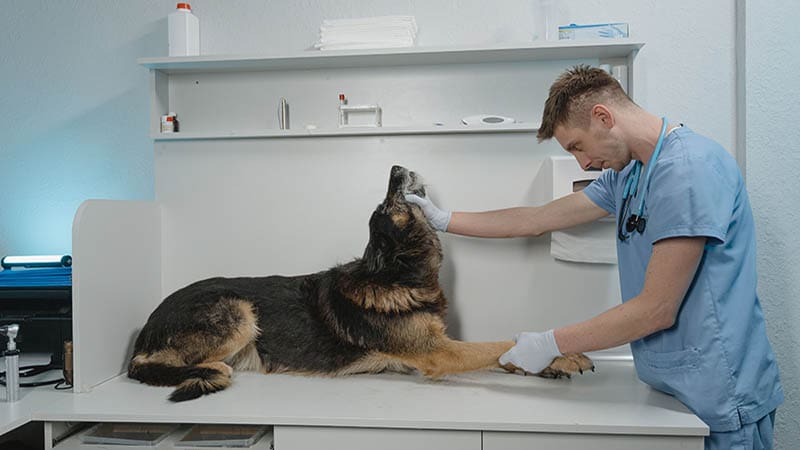
The Role of Veterinary Care in Helping Rescue Dogs Thrive
One of the most common misconceptions about animal rescue is that once an animal has been taken off the street, it is safe and the hardest part is over. The fact that some rescue missions are dramatic and demanding does a lot to contribute to this general opinion. However, many rescue dogs are injured, have ... How Shelter Dogs Teach Us the True Meaning of Unconditional Love
Building a Better Future for Stray Dogs Through Rescue, Care, and Compassion
What separates ROLDA from the rest of the animal rescue organizations doing really good work for the stray dogs? The solid community of donors, sponsors, adopters, and volunteers who have rallied around us and who have taken on our mission. With such resources, we have managed to exit the survival mode most rescue organizations operate ... How Shelter Dogs Teach Us the True Meaning of Unconditional Love
How Adopting a Rescue Dog Supports a Larger Mission of Animal Welfare
There are millions of ways in which people can say ‘We are in this together’ and just as many ways in which others can show they understood the assignment. When it comes to animal rescue, we are aware that our activity carries a heavy emotional load – both for the people directly involved and for ... How Shelter Dogs Teach Us the True Meaning of Unconditional Love
The Untold Stories of Dogs Waiting for Their Forever Homes
When ROLDA first started as a Romanian animal rescue organization, its mission was to save as many dogs as it could. In doing so, they also managed to change the perspective on what animal rescue truly was, and how it could be done to the best of people’s ability and toward the best possible outcome ... How Shelter Dogs Teach Us the True Meaning of Unconditional Love
How Community Support Helps Rescue Organizations Save More Dogs Every Year
As a rescue organization that has managed to take thousands of dogs from dangerous living conditions, help heal and rehabilitate them, and find them homes with responsible owners, both in Romania and abroad, we can say the most important thing we have learned from our experience is this: we are only as strong as the ... How Shelter Dogs Teach Us the True Meaning of Unconditional Love