non-US support +44 (0)161 531 8801

















The Ripple Effect of Adopting One Dog from a Crowded Shelter
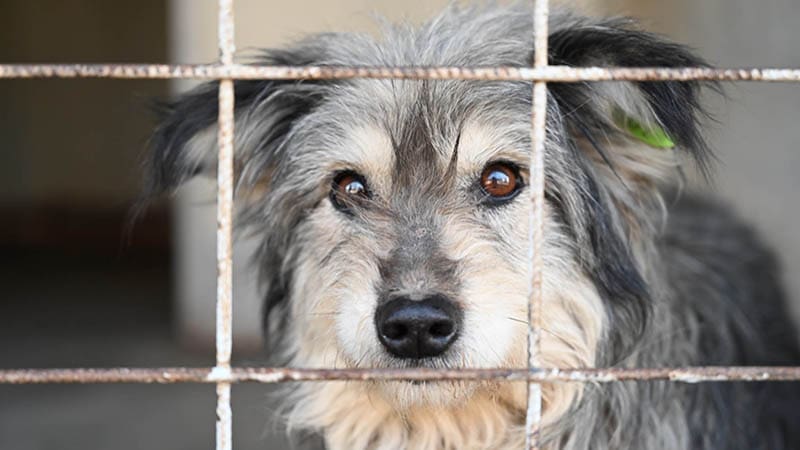
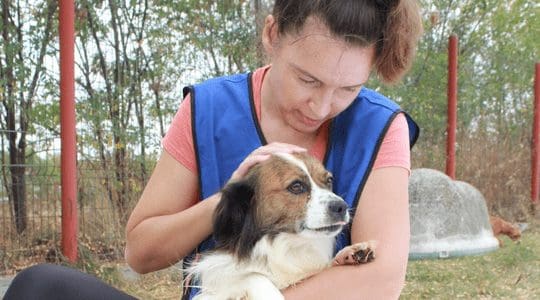
Working at a dog shelter is probably one of the most rewarding jobs a person could have. Sure, plenty of charities do a lot of good work for lots of people and animals all over the world, but there is something about working at a shelter that has always felt like a bonus for good deeds, and up until recently, we couldn’t quite figure out what that was.
But recently, when filling out the documents for one adoption we all worked on with passion and dedication, we realized what that bonus was: the ripple effect of shelter dog adoptions. In other words, one good deed can set off a chain of events that ultimately leads to more good things for our dogs. And this is not something particular to our shelter, but an effect that keeps other animal shelters operational around the world as well. Let’s get into it.
The Never-Ending Need for Room in Animal Shelters
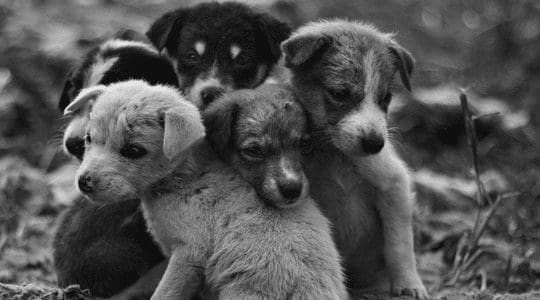
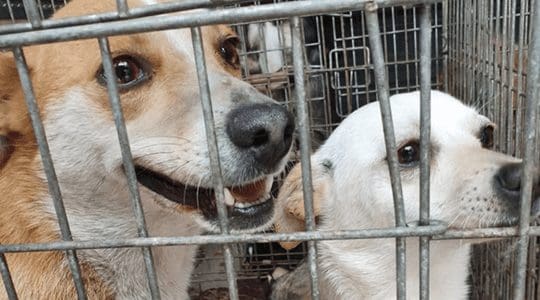
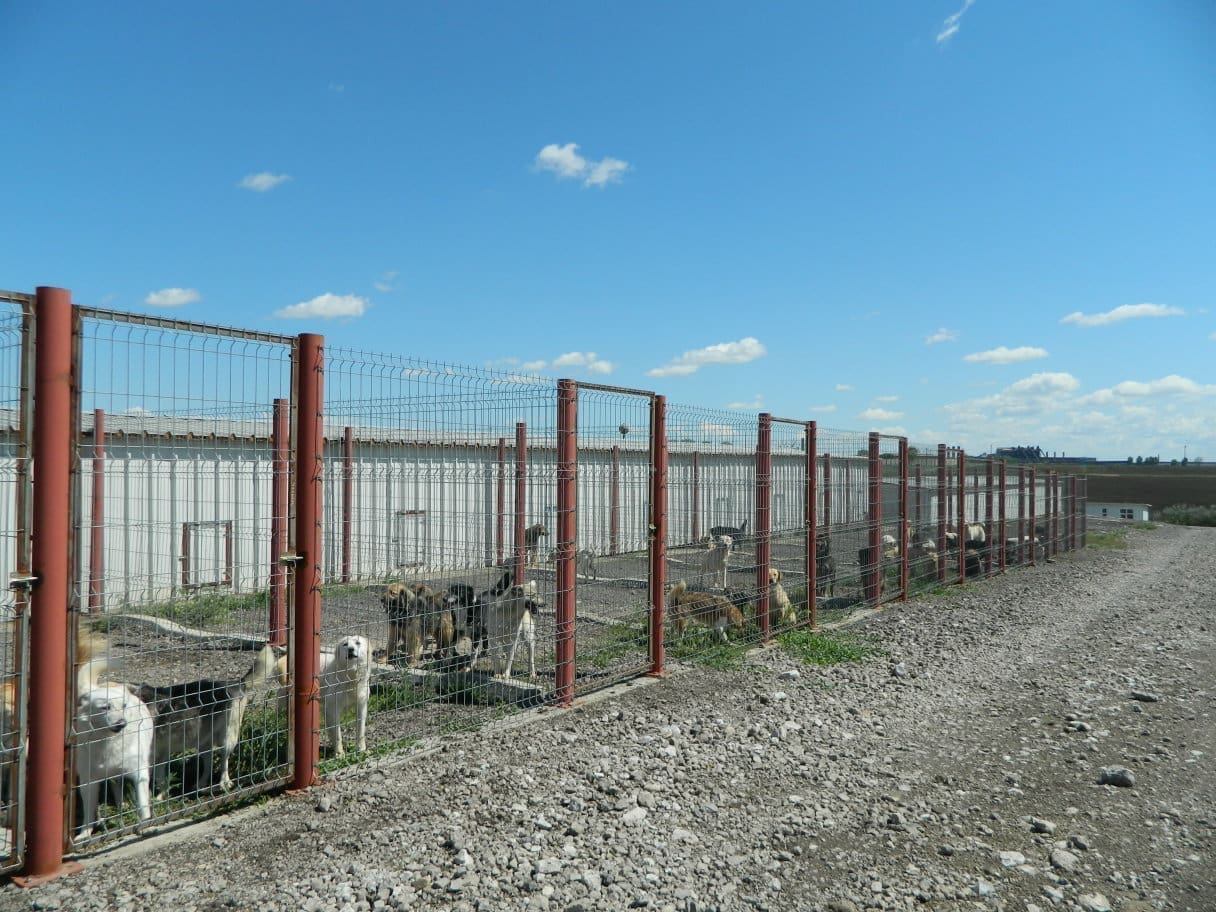
It’s no surprise that most shelters are overcrowded, as turning away stray animals is heartbreaking. We do what we can because if we don’t act, no one else will.
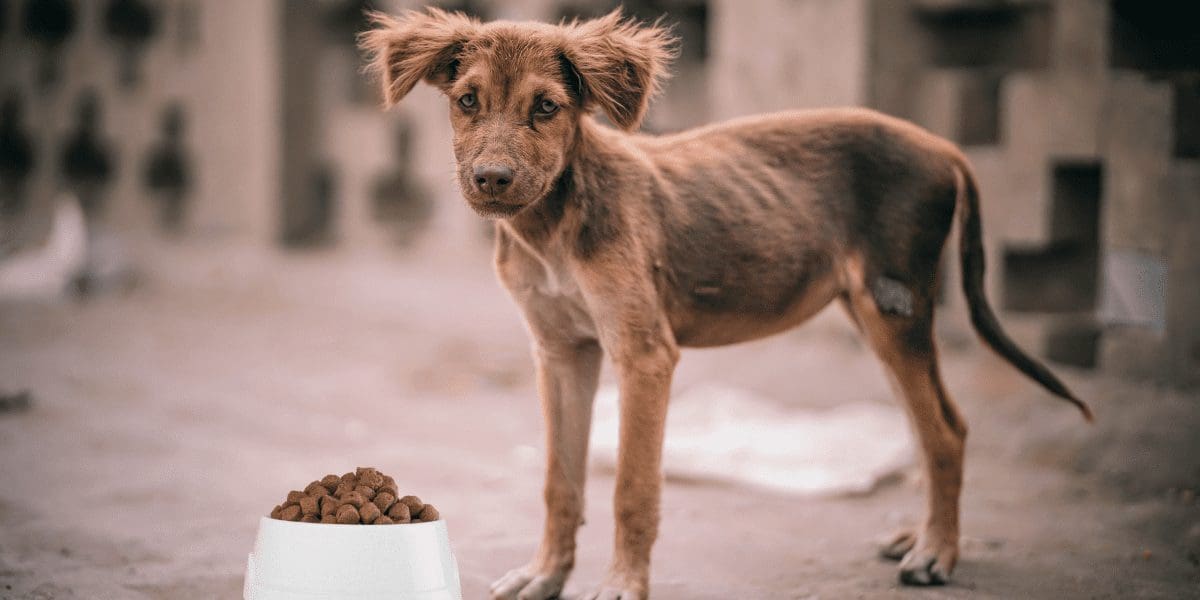
So, despite the number of dogs we are all equipped to take in, we always do a lot of mental acrobatics and math to stretch the same resources to help more dogs. This happens because, despite endless awareness-raising campaigns and our collective efforts to take dogs off the streets, abandonment remains a significant problem. And it is happening in many countries.
Even in places where dogs are not simply discarded and left to fend for themselves, there is still a strain on shelter resources. Even in areas such as these, where animals are taken to shelters and left responsibly in a protected environment, freeing up resources otherwise used for rescue and immediate medical assistance for trauma or malnourishment, there is still a lot of pressure.
Combine abandonment with the lack of sterilization to sustain a continuous flow of homeless animals, even though the number of dog shelters remains limited, and overpopulation becomes more difficult to address.
Even Small Shelters Help
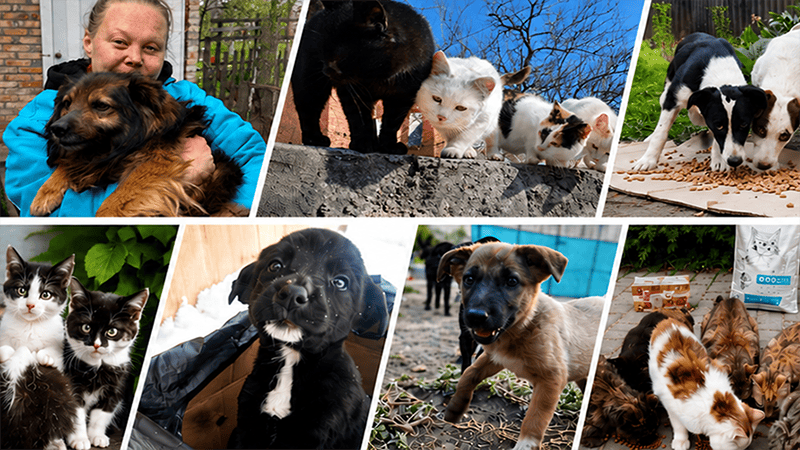
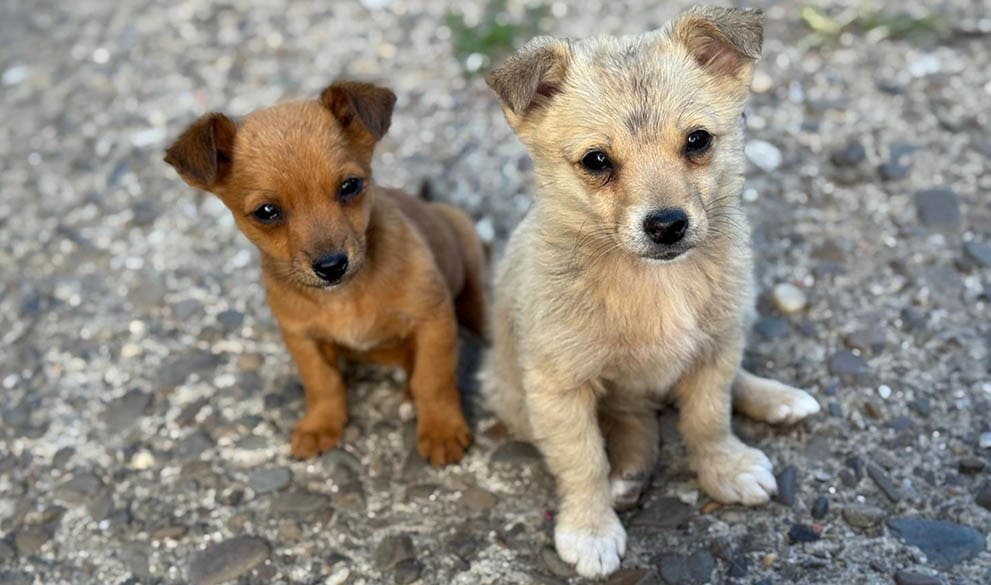
When a group of people decides to open a dog shelter, even one with very few residents, it means those dogs will be taken off the streets, sterilized, and, hopefully, adopted.
Sadly, most dogs saved tend to be very old and ill, which greatly reduces their likelihood of adoption. As a result, a small shelter with space for seven dogs, where 4 or 5 are considered less desirable for adoption, will only ever have 2 or 3 new spots available for new rescues—assuming it has a no-kill policy. This is contingent upon these 2-3 adoptable dogs successfully finding permanent homes.
Adopting an Animal is the Ultimate Act of Kindness
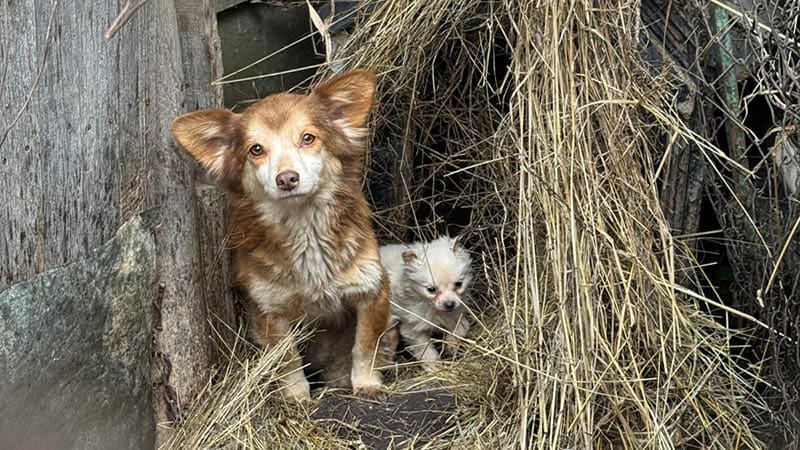
This is the action that starts the ripple effect. Donations are also vital to our work, as they provide the lifeline and resources we need to do what we do. But adoption is the ultimate game changer for our dogs and for us. Here is why.
A Life-Changing Event for the Chosen Dog
There is no greater joy for any of our residents than having their own families and homes. This is what we wish to achieve for all our rescues. But realistically, some of them will end up in our care permanently.
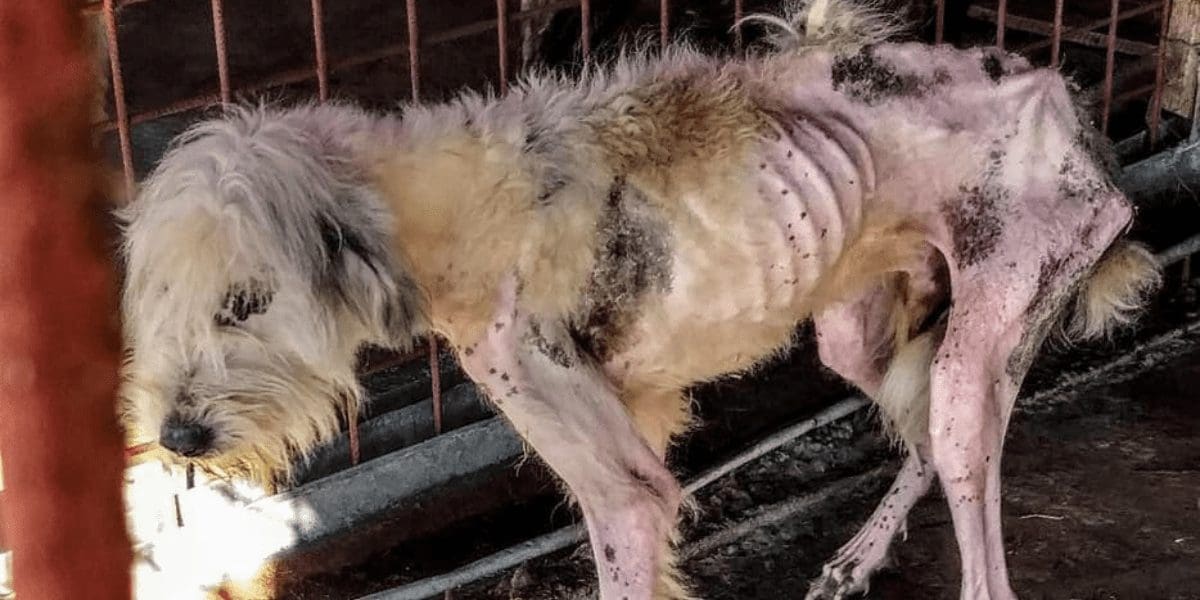
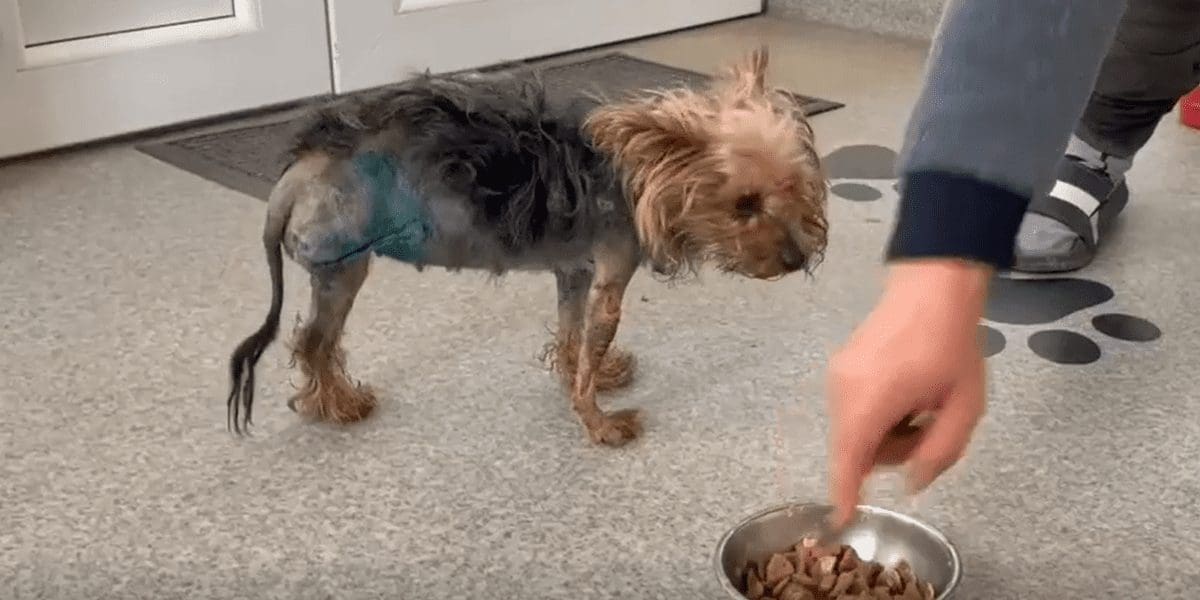
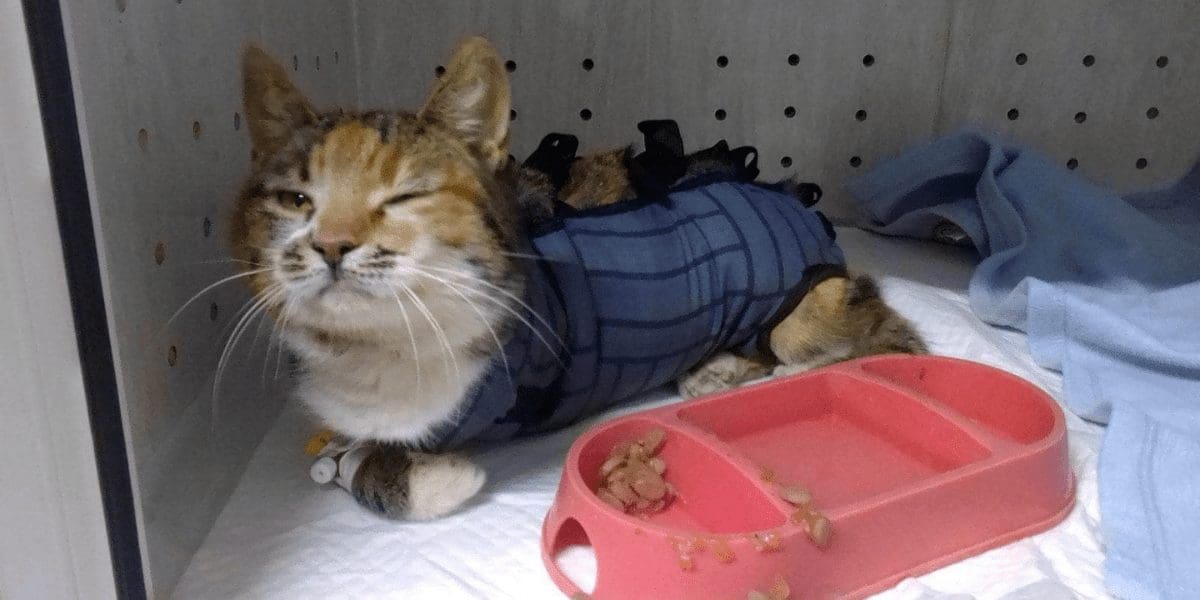
Some are very old, and most people have trouble envisioning such an adoption. Others have severe medical issues from diseases contracted on the streets or from traumatic injuries. These translate to high medical costs and a level of care and attention few people feel capable of offering.
And although it breaks our hearts, we understand the reasons people have and know the great responsibility that comes with taking on such a dog. So, we are committed to being their forever homes and providing them with the medical care they need until their last day.
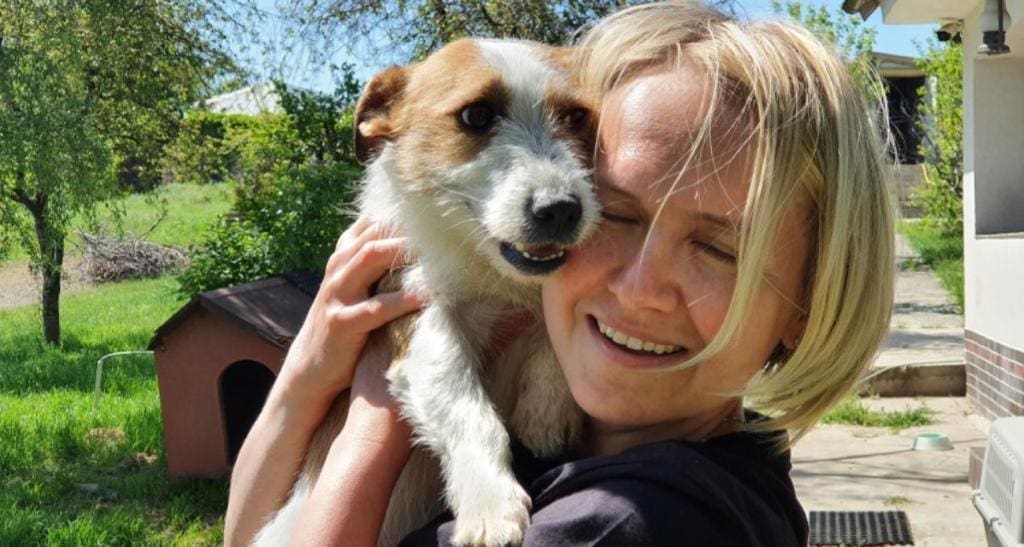
This being said, we can only emphasize how important it is to have the rest of our perfectly adoptable residents swept up and taken to their forever homes by loving families. Because no matter how hard we try and how much we do for our rescues, nothing beats the love of a family and the feeling of belonging somewhere.
A Life-Changing Event for the Owners
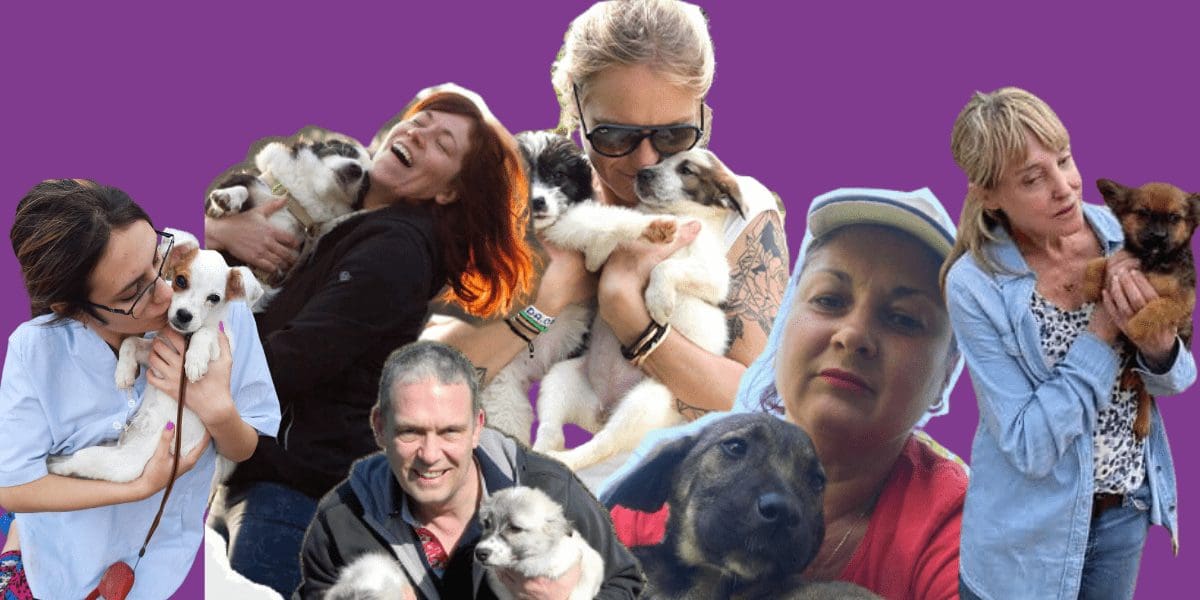
New-time adopters are in for a treat as they will discover a life full of love, companionship, and overall happiness.
A dog in your life means great responsibility, but it comes with an improved quality of life. You will become more active, know what it’s like to be needed and loved unconditionally, and have the best reason to hurry home after a long day.
Freeing Up a Spot in the Shelter
With one dog in the care of a loving family, the resources devoted to its upkeep and the shelter spot it occupies can be used to care for another dog, one recently rescued from the street or turned in by owners who no longer wish to have the responsibility.
For us, this means having the room, time, and financial resources to rehome another rescued dog.
Every adopted dog means a chance for another. And in the rare cases when adopters are willing to take on a challenging case with everything it entails, such as special care, round-the-clock surveillance, medical bills, and rehabilitation, the amount of resources freed almost doubles.
The Psychological Effect on Shelter Staff
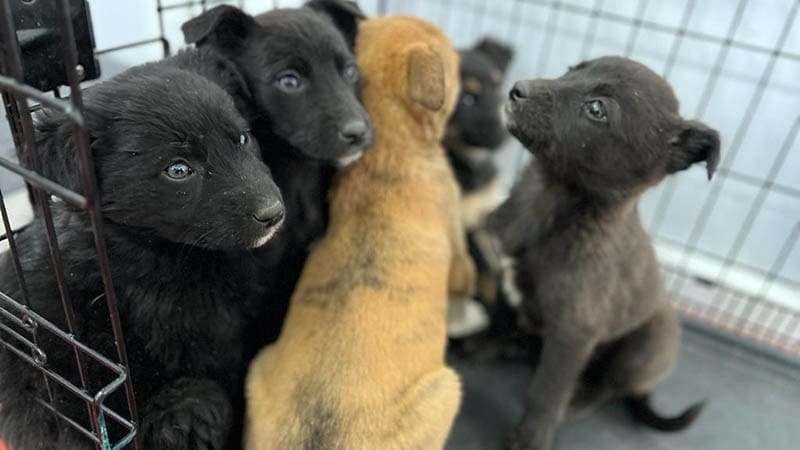
Most of the time, shelter staff operate on pure optimism and sheer willpower. Because it is challenging to know what some of these animals have been through, to see their resilience and capacity for love and devotion, and yet to see them get overlooked for every chance at adoption.
We feel for these residents because we know they will face significant difficulties finding homes. But we are happy to see that we will provide them with the food, shelter, medical care, and love they need for the rest of their lives. And it gives us some peace of mind to know that they will still be taken care of.
Yet, even for this to happen, we need our adoptable dogs—the ones that have no medical issues, are young, and would make perfect companions for a long time—to find their families. And when this happens, we know we will have the resources to care for our permanent residents.
The Community Effect
We’ve mentioned the large number of stray animals and the challenge of finding a place for every one of them. The best-case scenario is for them to be rescued by no-kill shelters, treated, vaccinated, rehabilitated when needed, and then adopted. Each dog is in its own home, and none is alone on the streets. Maybe some are in shelters, but on their way to their forever homes.
But until that happens, we must all do what we can. As far as shelters are concerned, regardless of how many dogs a unit can take in, they quickly fill, and only adoptions can free up space and give other dogs the chance to be saved and made adoptable.
Communities benefit from dog adoptions, even if this results in a ‘one-at-a-time’ rescue process. Every bit of help and involvement matters, as it prevents problems from continuously growing.
Do you want to hear more news about our stories?
You can unsubscribe from our newsletter at any time. See Privacy Policy
Subscribe footer org
Related content
Dog Dental Care
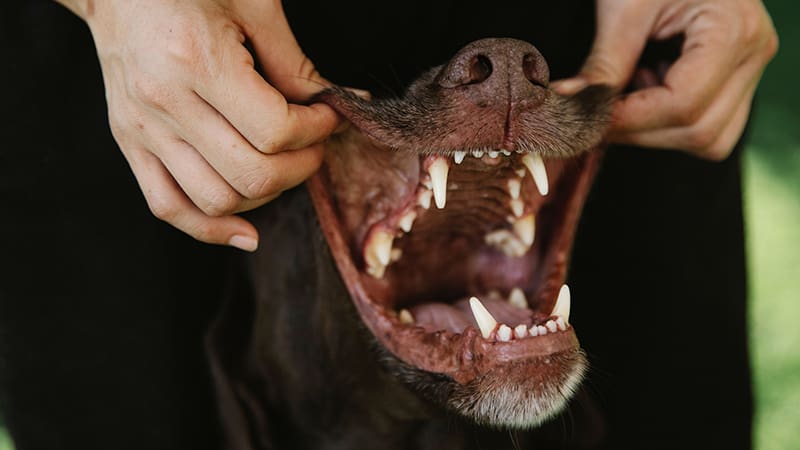
How to Keep Your Dog’s Teeth and Gums Healthy Some new dog owners may be surprised to learn that they need to include dental care in their dog’s hygiene routine. It’s not that they are oblivious or careless, but more that they expect this to be a problem in their furry friend’s old age. Yet, ... The Ripple Effect of Adopting One Dog from a Crowded Shelter
How to Clean Your Dog’s Ears Safely and Know When Something Is Wrong
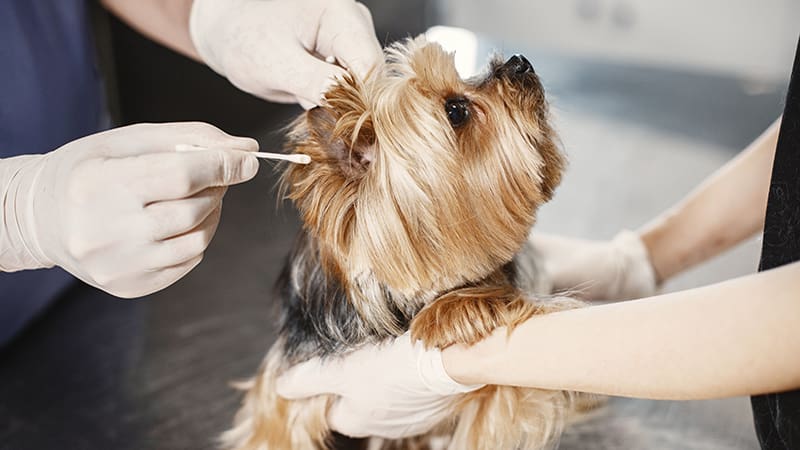
Keeping your dog’s ears clean is part of the normal hygiene and grooming routine. You may need to do this occasionally to prevent buildup of wax, debris, and dirt. The frequency of these cleanings depends mainly on the dog’s breed and ear shape, as well as their routine and activity level. This means that some ... The Ripple Effect of Adopting One Dog from a Crowded Shelter
Why Do Dogs Eat Grass? What Does This Common Behavior Really Mean
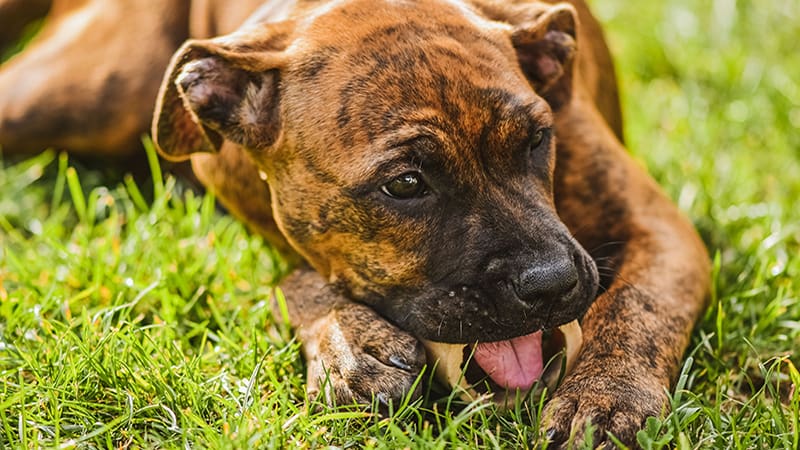
Is it a problem, a cry for help, a phase, or a curiosity? Every dog owner has wondered what grass-eating means. And, more importantly, whether they need to intervene or just let their dogs do it and move on. It may put your mind at ease to know this is perfectly normal behavior in healthy ... The Ripple Effect of Adopting One Dog from a Crowded Shelter
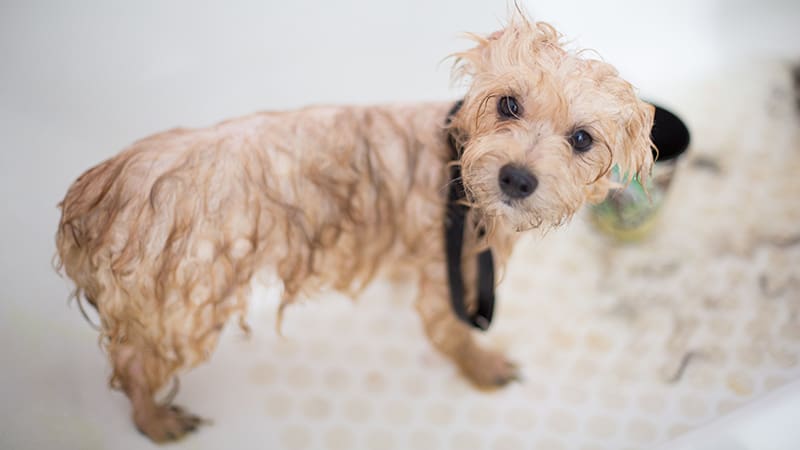
How Often Should You Bathe Your Dog? A Practical Guide for Every Coat Type
Bath time! Probably one of the more stress-inducing moments for households with pets. Maybe it’s because some dogs feel more comfortable in an icy-cold, dirty puddle than in warm bath water in the safety of their own home, or because their pet parents bathe them too often. Don’t feel bad if you haven’t figured it ... The Ripple Effect of Adopting One Dog from a Crowded Shelter
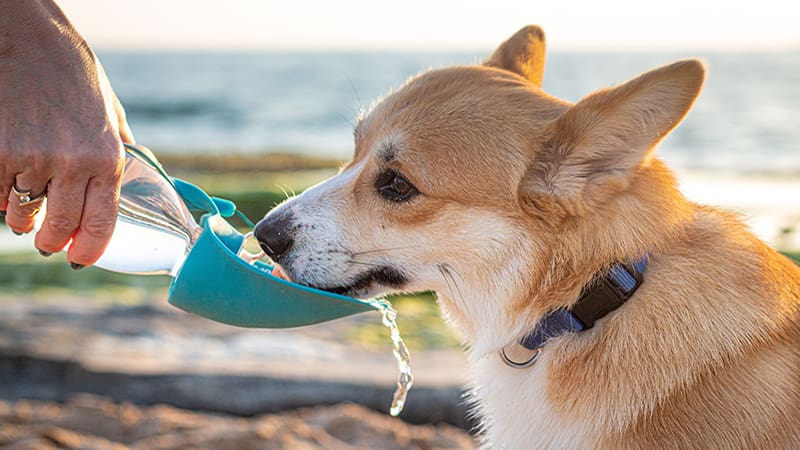
Why Is My Dog Drinking So Much Water? When Thirst Becomes a Warning Sign
‘Didn’t I just fill your water bowl?’ This is how it starts: you notice your dog’s water bowl is often empty. Like any responsible dog owner, you start to wonder whether your dog is drinking more water than usual and whether this should concern you. Before jumping to conclusions, know that there are many reasons ... The Ripple Effect of Adopting One Dog from a Crowded Shelter