non-US support +44 (0)161 531 8801





















How to introduce your adopted dog to other pets
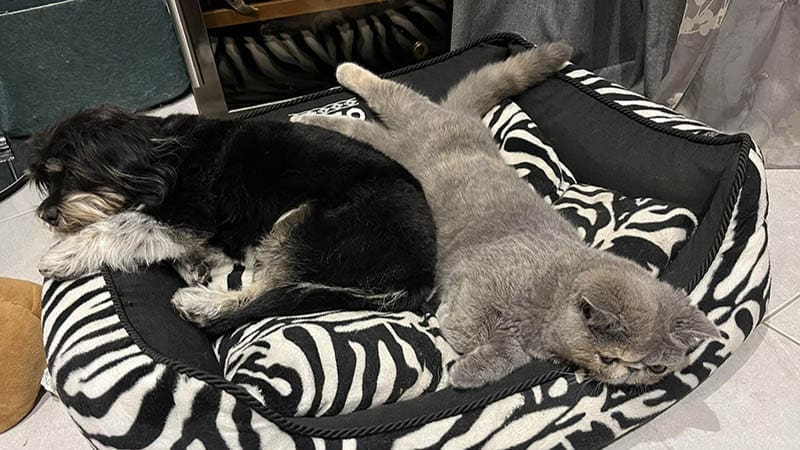
Many people hesitate to adopt dogs they fall in love with at the shelter because they already have other pets and fear how those pets might react. Ideally, all animals would coexist peacefully in your home. However, their main concern is situations where their existing pets cannot be in the same room comfortably.
Some people feel that bringing home a new dog would betray the trust of their existing pets. On the other hand, they would also feel bad for the adopted dog if they had to take it back to the shelter. It is never an easy decision to make, and it is not something they would feel comfortable about trying. This decreases the pool of potential adopters, not because we think there should be a pet in every house (actually, we believe that), but because it takes away the opportunity from some of our dogs to be loved and cared for by excellent and experienced pet owners.
Most people who have this dilemma feel like they could make a difference and offer a good home to a poor animal, but they are still holding back because of these fears.
But what if we told you that, if done right, you could have that fairytale outcome with more pets living in harmony in your home. Here are some pointers on how to do it.
Preparation steps to follow
You are the one holding all the cards going into this. You get to pick the dog from the shelter, and you know the dogs you already have at home. It is up to you to decide whether or not they would be compatible and capable of living together.
Ensure there is compatibility
In our daily practice, we see many cases where pet owners don’t correctly assess the situation at home.
In other words, they have one pet that is obviously reluctant to share its home with another, yet the owner insists on welcoming more pets. This can have the opposite effect for all the animals, with the pets at home getting more territorial since they see every attempt as an attack, and the pets from the shelter being taken back and forth between the house and the shelter, causing more trauma.
Only adopt a new pet if you are sure the pets you already have can adapt to the idea – even if not immediately. The best person to discuss this with is the animal’s vet. They can do the best personality assessment, and their recommendation will be the most valuable in deciding whether you should consider adopting more pets.
When your doctor says he sees no issue with it, you should run the same type of checks on the dog you will adopt. Make sure to mention at the shelter that it will live in a house with other animals and ask about its background.
While the shelter will not have an extensive background on the animal, it can still provide valuable information on temperament, past trauma the dog has had to recover from, and more. Rehabilitation is an important part of the rescue work, and it is the process that tells the shelter team what environment the dog would be best suited for.
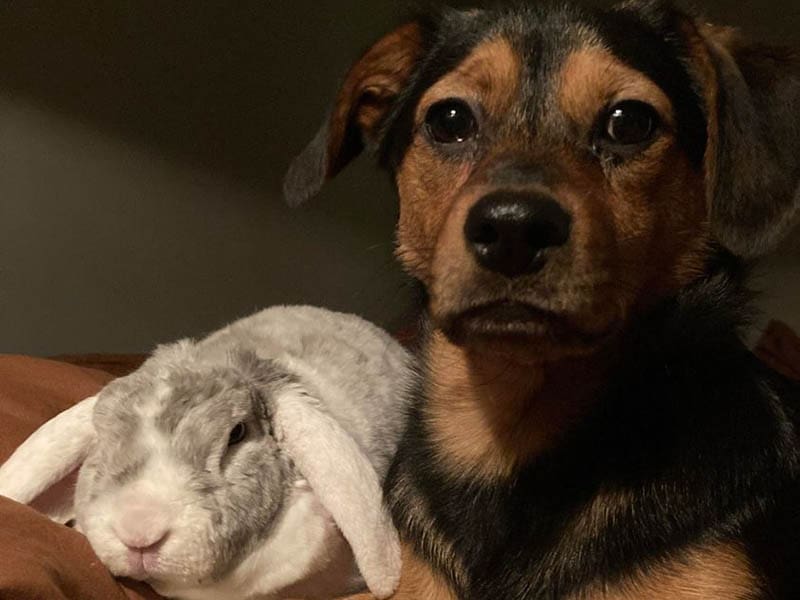
Some dogs are best for quiet homes, with fewer triggers and no feeling of competition for resources and attention, while others would be better off in a house with other pets. Pick a dog from this latter category when you already have one at home.
A vet check would also be recommended, especially if it’s your other dog’s vet. The person who knows your companion best can tell about compatibility right away.
Getting the new dog its own things
You might probably still have old beds, bowls, toys, and blankets from your other dog. But giving them away to the new dog would be disastrous, even if they have not been used in a long time.
The dog you already have might start getting territorial, and the new dog might avoid using the things of the other since they are too embedded with their scent.
Instead of having them fight like toddlers over everything, get new stuff for the shelter dog and avoid all the drama.
Create Neutral Ground
Prepare your home
Create some areas that could serve as safe spaces for every animal in case they don’t immediately hit it off. Don’t expect them to understand what you just did and go along with it enthusiastically. It might take some time. And even if it does, it does not mean the whole plan has failed. It’s normal for them to need to come to terms with the new situation. Acceptance is a process.
So, while they are still getting used to the idea, it’s best for them to have separate resting areas so everyone can cool down without being in each other’s faces.
Important: We cannot tell you how long your dog will need to adjust to the new living conditions. This is mainly because you know your dog better than anyone else, and it is up to you to look at him and tell whether things are starting to settle or if he is still too deeply upset with the new arrival.
As uncomfortable as it is, you must do the vibe checks, and your assessment of the situation will be the best.
First meeting on neutral ground
Bringing a new animal directly into another animal’s house is inconsiderate. Have them meet and play together in a park first. If they play and have fun, you already nailed it! Even if they ignore each other at first, you are still on the right track.
If they growl and bark at each other, you might have a problem. If you don’t manage to get them to at least give each other a courtesy sniff without biting, your chances of making it work are extremely low.
But if they do enjoy playing together, there is your green light.
Have other household members become the new dog’s favorite person
This works best in homes with multiple residents. For starters, it models for the dog the notion of cohabitation with others of your own kind. Secondly, if your dog sees that it does not have to compete with the new member for your love and attention, only some of its living space, and even gets a playtime companion, it might be more prone to accept the situation faster.
Sharing the love and attention of their favorite human might be the most challenging thing you could ask your dog to do. This is why getting someone else in the home to be the favorite of the newcomer might smooth things along.
It could be a partner or even one of the kids, preferably someone who has not shared that special bond with the dog. This is not to say that you don’t all love our family dog, but you know it will follow one of you around the house, cling to one person more than the others, and pick that human over the others in any context.
Show your dog that those things remain unchanged, and that the new dog will be the ‘attaché’ of one of the other humans.
These are great ways to help smooth things along. But the starting point is your own assessment of whether your dog can do this. Don’t skip this step, or you will not be able to overcome his protests.
Support the ROLDA Rescue Team and make every rescue possible!

Do you want to hear more news about our stories?
Related content
How Adoption Stories Inspire More People to Help Animals in Need
One of our favorite online trends is the posting of pictures with happy dogs and their new families, with those big ‘ADOPTED’ signs! And it’s hard not to share in the enthusiasm. The adoptive family took their time setting things up; they got the floof ready, bathed, brushed, and smelling like a million bucks. And ... How to introduce your adopted dog to other pets
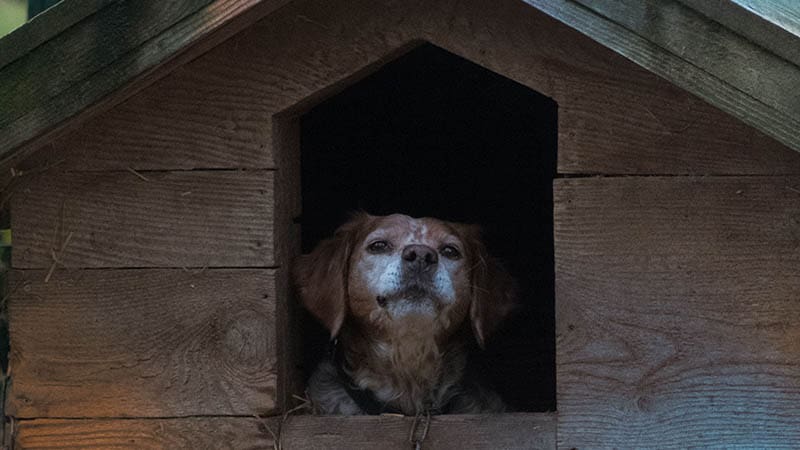
How Sponsoring a Shelter Dog Can Change a Life Before Adoption
Adopting a shelter dog is the most beautiful act of kindness people could ever do in their lives. It is a gesture in which they take in a soul that was once abandoned and give it a home and a purpose. And then, they get to watch it thrive, and their lives grow richer and ... How to introduce your adopted dog to other pets
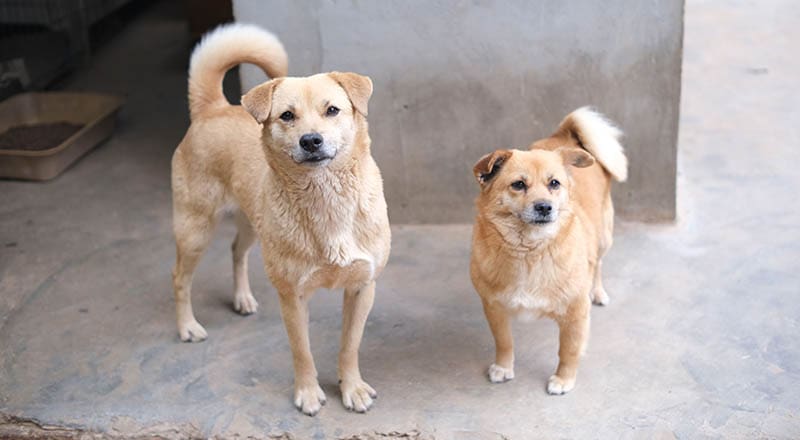
Supporting Rescue Dogs Through Donations When Adoption Is Not an Option
And as the rescue van took the suffering dog away, the people in town sighed with relief, thinking the poor soul was now safe and off to live a better life. The End Cute, but wrong! As an organization dedicated to bettering the lives of dogs and animals in general, ROLDA’s mission is to get ... How to introduce your adopted dog to other pets
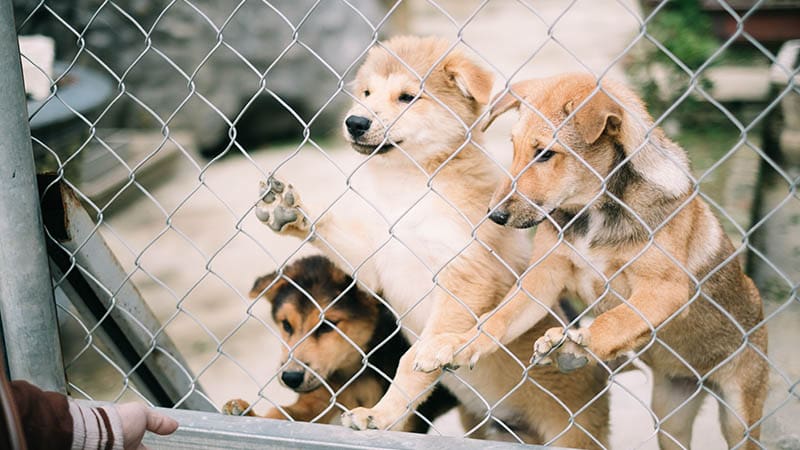
Why Regular Donations Are Essential for Keeping Rescue Shelters Running
What do you think is the most expensive part of running a dog shelter? Some people might think it’s the dramatic animal rescue missions. Others might say it’s the complicated medical procedures needed to put the poor animals back together or even the latest recovery and rehabilitation therapies. Both groups are wrong. The most expensive ... How to introduce your adopted dog to other pets
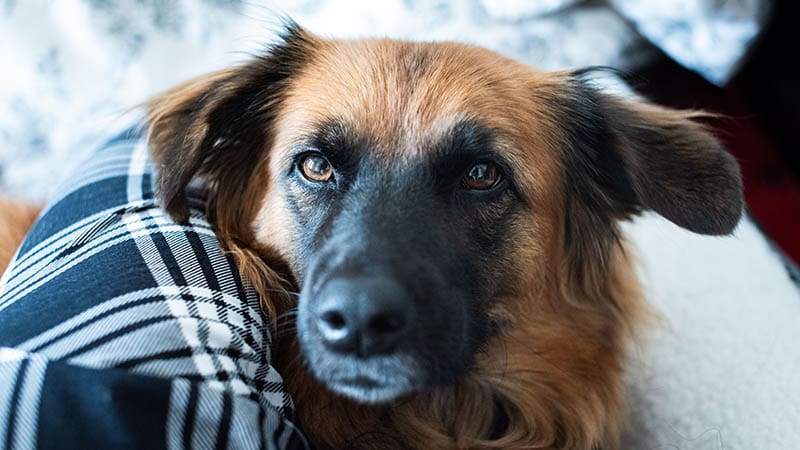
The Life-Changing Impact of Dog Adoption on Both Pets and Their New Families
Who benefits more from a shelter adoption? The dog that has just received a chance at the perfect life in a loving home with a caring family? Or the family that has just become whole with the addition of the cutest, most loyal, and most lovable member? Both sides will. It’s a win-win type of ... How to introduce your adopted dog to other pets